
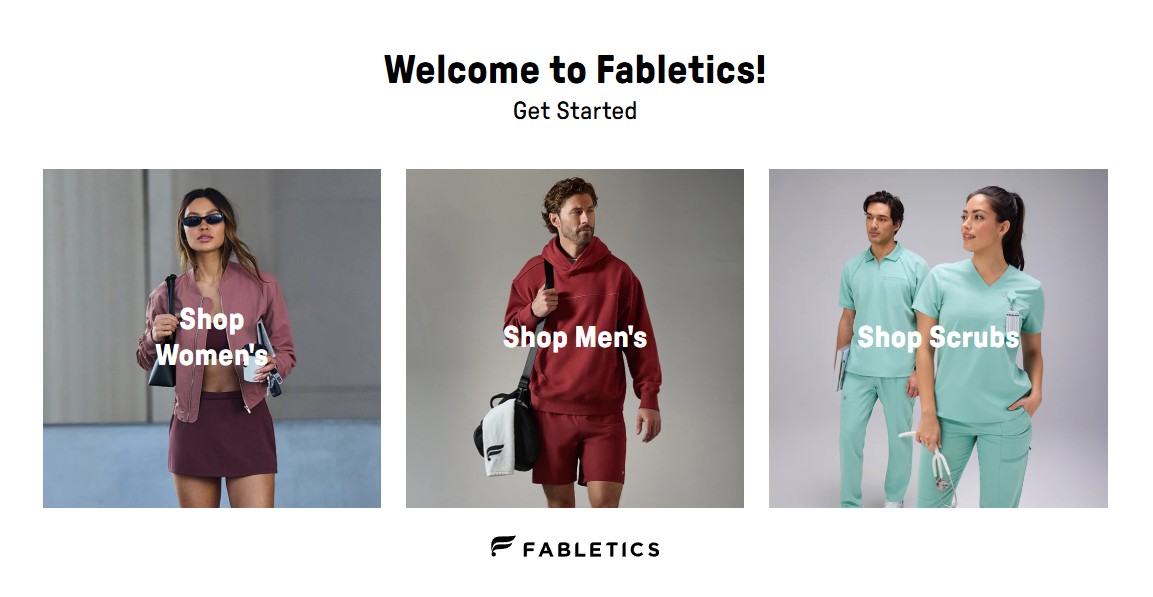
The Evolution Of Activewear Into Everyday Fashion
The way people dress has changed dramatically over the last decade. Clothing is no longer separated strictly into categories such as workwear, casualwear, and sportswear. Modern consumers look for versatility, comfort, and style in every piece they purchase. This shift has created a growing demand for apparel that can transition effortlessly from a workout session to a casual outing, from a busy workday to a relaxing evening. Fabletics has emerged as a recognized name in this evolving fashion landscape by offering activewear that combines performance-focused design with contemporary style.
Today’s consumers expect more from their clothing. They want fabrics that feel comfortable against the skin, designs that enhance confidence, and durability that supports active lifestyles. Activewear is no longer reserved for gyms and fitness studios. It has become a major part of everyday wardrobes around the world. The popularity of athleisure has influenced fashion trends across generations, encouraging people to prioritize comfort without sacrificing appearance.
Fabletics has embraced this transformation by creating collections that serve multiple purposes. Whether someone is heading to a yoga class, running errands, meeting friends, or simply enjoying a relaxing day at home, the brand focuses on providing apparel that adapts to different situations. This flexibility has helped activewear become a practical fashion choice rather than a niche category.
The rise of wellness culture has also contributed significantly to the demand for stylish activewear. More people are investing in their health and fitness goals, leading them to seek clothing that supports movement while reflecting personal style. Activewear has become a symbol of an active, balanced, and modern lifestyle. As a result, consumers increasingly look for brands that understand both fashion and functionality.
Comfort remains one of the most important factors influencing purchasing decisions. Soft fabrics, stretchable materials, breathable construction, and thoughtful design details contribute to a better wearing experience. Modern activewear must support movement while maintaining shape and appearance throughout the day. This combination of performance and style has become a defining characteristic of successful activewear brands.
Another important trend shaping the industry is the desire for inclusivity. Consumers appreciate brands that offer diverse sizing options and styles suitable for different body types and preferences. A broader selection allows individuals to find apparel that makes them feel comfortable, confident, and supported regardless of their fitness level or lifestyle.
As fashion continues to evolve, activewear is expected to remain a dominant category. The blend of functionality, versatility, and modern aesthetics aligns perfectly with contemporary consumer needs. Brands that understand this balance continue to attract loyal customers seeking practical yet fashionable clothing solutions.
Performance Apparel Designed For Movement And Confidence
Performance apparel plays a crucial role in supporting physical activity. Whether engaging in high-intensity workouts, strength training, yoga, walking, or recreational sports, individuals benefit from clothing designed specifically to enhance comfort and mobility. Fabletics focuses on creating apparel that supports movement while maintaining an attractive appearance.
One of the most important aspects of performance clothing is fabric technology. High-quality activewear often incorporates materials that help manage moisture, improve breathability, and provide flexibility. These features allow wearers to stay comfortable during exercise while reducing distractions caused by restrictive or uncomfortable garments.
Stretchability is another key characteristic of performance apparel. Physical activities require freedom of movement across a wide range of motions. Clothing that stretches naturally with the body can improve comfort and enhance overall performance. Flexible fabrics support activities such as yoga poses, running strides, strength training exercises, and everyday movements.
Supportive construction also contributes significantly to performance wear. Well-designed leggings, tops, sports bras, and training apparel are created to provide stability while maintaining comfort. Strategic seams, supportive waistbands, and carefully engineered fits help garments remain secure during physical activity.
Durability remains an important consideration for active individuals. Frequent workouts, regular washing, and daily wear place significant demands on apparel. Consumers seek clothing that maintains its shape, color, and performance features over time. High-quality construction can extend the lifespan of activewear, making it a valuable investment for those with active lifestyles.
Confidence is another benefit associated with well-designed athletic clothing. When individuals feel comfortable in what they wear, they often approach activities with greater enthusiasm and self-assurance. Clothing that fits properly and complements personal style can positively influence motivation and overall workout experiences.
Performance apparel also supports convenience. Many modern garments include practical features such as hidden pockets, adjustable elements, and versatile styling options. These details enhance functionality while maintaining a clean and fashionable appearance. Consumers increasingly value products that simplify their daily routines without compromising style.
Modern fitness routines vary widely from person to person. Some individuals prefer structured gym sessions, while others enjoy outdoor activities, home workouts, or recreational sports. Activewear must accommodate these diverse preferences by offering versatility and adaptability. Apparel that performs well across multiple activities provides greater value and convenience.
The connection between fitness and fashion continues to strengthen. Consumers no longer view workout clothing as purely functional. Instead, they seek pieces that reflect personal identity and complement broader wardrobe choices. This expectation has encouraged brands to create activewear that performs effectively while remaining stylish and trend-conscious.
As performance apparel continues to evolve, innovation remains essential. Advances in fabric development, design techniques, and consumer feedback contribute to increasingly sophisticated products that support active lifestyles and personal confidence.
Creating A Wardrobe That Balances Style And Function
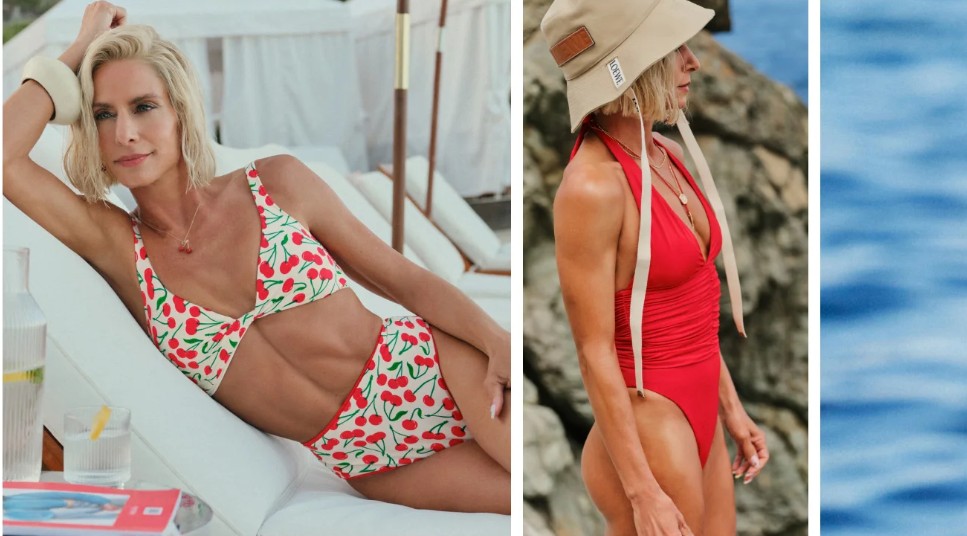
Building a wardrobe that combines style and functionality has become a priority for many modern consumers. Rather than maintaining separate collections for fitness, casual activities, and relaxation, people increasingly seek versatile pieces that can adapt to multiple situations throughout the day. Activewear plays a central role in achieving this balance.
Versatility begins with thoughtful design. Apparel that transitions easily between different environments offers significant convenience. A comfortable pair of leggings, for example, may be suitable for a morning workout, a trip to the grocery store, and an afternoon spent working from home. This adaptability makes activewear an attractive option for busy lifestyles.
Color selection contributes significantly to wardrobe flexibility. Neutral tones often provide greater versatility, allowing garments to pair easily with various tops, jackets, and accessories. At the same time, vibrant colors and bold patterns offer opportunities for self-expression and personal style. A balanced wardrobe often includes both timeless basics and statement pieces.
Layering is another effective strategy for maximizing versatility. Lightweight jackets, hoodies, and performance tops can be combined in different ways to accommodate changing weather conditions and activity levels. Layered outfits also allow individuals to create diverse looks using a relatively small number of garments.
Comfort remains essential regardless of the occasion. Clothing that feels good throughout the day encourages confidence and productivity. Soft materials, ergonomic construction, and flexible fabrics contribute to an enjoyable wearing experience that supports both active and relaxed activities.
Fit is equally important when creating a functional wardrobe. Different individuals have unique preferences regarding silhouette, support, and overall appearance. Access to various fits and styles enables consumers to select apparel that aligns with their personal needs and aesthetic preferences.
Fashion trends continue to influence activewear design. Modern collections often incorporate contemporary elements such as unique textures, flattering cuts, and innovative details. These features help activewear remain relevant within broader fashion conversations while maintaining practical functionality.
The growing popularity of remote work has further increased demand for comfortable yet presentable clothing. Many people spend their days moving between professional responsibilities, personal errands, and fitness activities. Apparel that accommodates these transitions supports efficiency and convenience without sacrificing appearance.
Seasonal adaptability also plays an important role. Lightweight fabrics are ideal for warmer months, while insulating layers provide comfort during cooler weather. A thoughtfully curated wardrobe includes options suitable for varying conditions throughout the year.
Ultimately, a successful wardrobe reflects both lifestyle requirements and personal style preferences. The ability to combine comfort, functionality, and fashion creates clothing solutions that support modern living while helping individuals feel confident and prepared for whatever their day may bring.
Everyday Comfort As A Lifestyle Priority
Comfort has become one of the defining priorities in modern fashion. Consumers increasingly value clothing that supports physical well-being while maintaining an attractive appearance. This shift reflects broader lifestyle changes that emphasize balance, flexibility, and personal wellness.
The concept of comfort extends beyond soft fabrics. It encompasses fit, breathability, freedom of movement, and overall wearability. Clothing that feels comfortable encourages confidence and allows individuals to focus on their activities rather than adjusting or managing uncomfortable garments throughout the day.
Many people spend long hours working, commuting, exercising, and managing personal responsibilities. Apparel that supports these activities contributes to a more positive daily experience. Comfortable clothing can improve concentration, reduce distractions, and enhance overall satisfaction.
Breathable materials are particularly important for maintaining comfort throughout changing conditions. Fabrics that allow airflow help regulate body temperature and support prolonged wear. Moisture management technologies further enhance comfort by reducing the effects of perspiration during physical activity.
Flexibility remains another essential factor. Modern lifestyles often involve a wide variety of movements, from sitting at a desk to walking, stretching, and exercising. Clothing that moves naturally with the body accommodates these transitions more effectively than restrictive garments.
Comfort also influences emotional well-being. Wearing clothing that feels good can positively affect mood and self-confidence. Many consumers seek apparel that helps them feel relaxed, capable, and comfortable in various settings. This emotional connection often contributes to long-term brand loyalty and customer satisfaction.
The rise of athleisure demonstrates how strongly comfort has influenced contemporary fashion preferences. Consumers increasingly choose apparel that combines relaxed wearability with stylish design elements. This trend has blurred traditional distinctions between sportswear, casualwear, and leisure clothing.
Quality construction contributes significantly to comfort. Flat seams, supportive waistbands, smooth fabrics, and carefully engineered fits all enhance the wearing experience. Small design details often make a substantial difference in how garments feel during daily use.
Comfort-focused fashion also supports sustainability through longevity. When individuals genuinely enjoy wearing certain garments, they are more likely to use them regularly and retain them for longer periods. Durable, comfortable apparel can therefore contribute to more thoughtful consumption habits.
As consumers continue prioritizing wellness and balance, comfort is expected to remain a central consideration in fashion design. Brands that successfully combine comfort with style and performance are well positioned to meet the evolving needs of modern lifestyles.
The Future Of Modern Activewear And Lifestyle Fashion
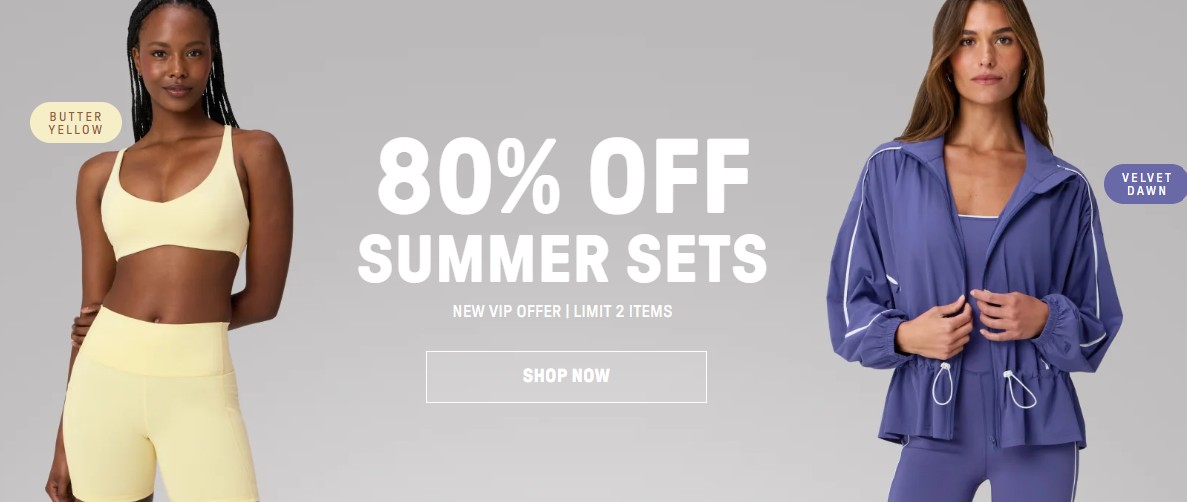
The future of activewear appears exceptionally promising as consumer preferences continue evolving toward versatility, wellness, and practicality. Fashion is increasingly influenced by lifestyle considerations, creating opportunities for brands to innovate and meet changing expectations.
Technology is expected to play a growing role in apparel development. Advanced fabrics, improved moisture management systems, enhanced durability, and innovative construction techniques may continue shaping the next generation of activewear. These advancements can improve both performance and comfort while expanding design possibilities.
Sustainability is becoming increasingly important within the fashion industry. Consumers are showing greater interest in responsible manufacturing practices, durable products, and environmentally conscious materials. Brands that prioritize sustainability may strengthen their appeal among modern shoppers seeking long-term value and responsible purchasing options.
Personalization also represents an exciting area of growth. Consumers appreciate products that reflect individual preferences, body types, and lifestyle needs. Greater customization opportunities may help brands create more meaningful customer experiences while enhancing satisfaction and loyalty.
The continued popularity of hybrid lifestyles supports ongoing demand for versatile apparel. Many individuals balance work, fitness, social activities, and relaxation within a single day. Clothing that accommodates these transitions efficiently provides practical benefits while supporting personal style.
Fashion trends are likely to continue embracing activewear-inspired aesthetics. Comfortable silhouettes, performance fabrics, and functional design elements have become integrated into mainstream fashion. This integration reinforces the relevance of activewear beyond traditional athletic environments.
Inclusivity will remain a significant focus as consumers seek brands that celebrate diversity and provide options for a wide range of body shapes, sizes, and preferences. Expanding accessibility helps create positive experiences while fostering stronger connections between brands and customers.
Digital innovation may further transform the shopping experience. Enhanced online tools, virtual fitting technologies, and personalized recommendations could make it easier for consumers to discover apparel that aligns with their unique requirements and style preferences.
The relationship between wellness and fashion will likely continue strengthening in the years ahead. Consumers increasingly view clothing as part of a broader lifestyle focused on health, confidence, and personal fulfillment. Activewear supports this perspective by offering practical solutions that encourage movement and comfort.
Fabletics represents the broader evolution of modern activewear, where style, functionality, and comfort intersect to meet the needs of contemporary consumers. As fashion continues adapting to changing lifestyles, activewear is expected to remain a vital category that empowers individuals to move confidently, live actively, and express their personal style with ease. The future of lifestyle fashion will be shaped by innovation, inclusivity, comfort, and versatility, ensuring that activewear remains an essential part of wardrobes around the world.