
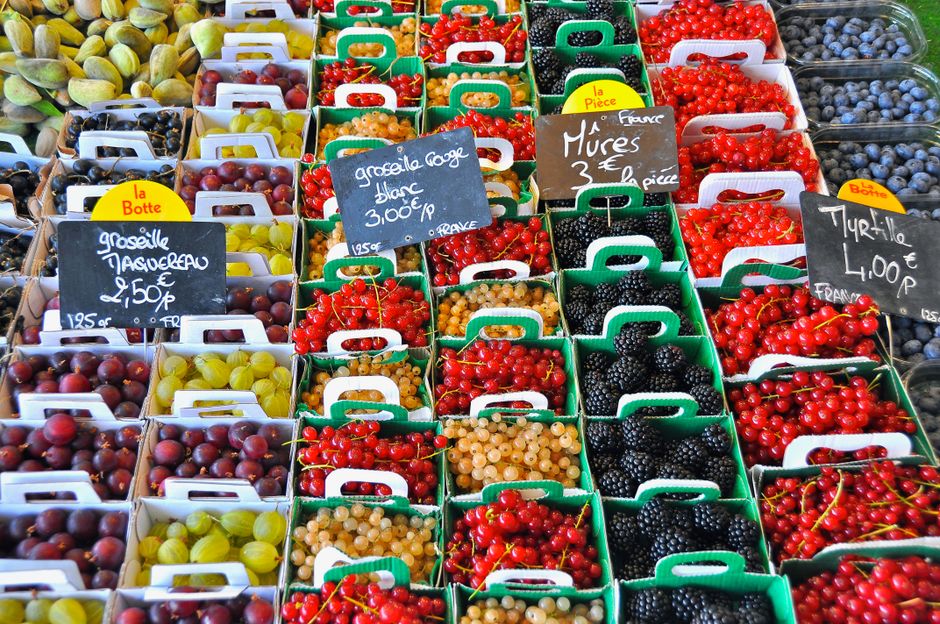
Market Basket Meals are an intuitive and economical way to cook healthy, flavorful food by prioritizing local, seasonal ingredients sourced from farmer’s markets or grocery store sales. This approach, deeply rooted in traditions from France and the Americas, encourages adaptability and reduces food waste while maximizing nutritional value and taste. Instead of starting with a recipe, you begin with what’s fresh and available, letting the ingredients guide your culinary journey. It’s a practical strategy for home cooks looking to improve their food and health without complex meal planning or expensive specialty items.
There’s a certain magic that happens when you let the market guide your cooking. Imagine strolling through a bustling Parisian market, the air thick with the scent of fresh herbs, ripe cheeses, and crusty baguettes. Or perhaps a vibrant farmers’ market in California, overflowing with sun-kissed tomatoes and fragrant basil. Even the Mercado de San Telmo in Buenos Aires, with its earthy root vegetables and exotic spices, tells a story of local flavors and seasonal abundance. This isn’t just about shopping; it’s about embracing a philosophy that prioritizes what’s fresh, what’s local, and what’s truly in season. It’s the essence of what we call Market Basket Meals, an approach to food and health that has shaped culinary traditions across Europe and the Americas for centuries.
This isn’t about rigid recipes or expensive ingredients. It’s about practicality, flavor, and making the most of what nature offers at its peak. By shifting your mindset from ‘what do I want to cook?’ to ‘what does the market have for me today?’, you use a world of delicious, wholesome possibilities that are inherently good for you and your wallet.
The Global Roots of Market Basket Meals: From European Villages to American Kitchens
The concept of building meals around available ingredients isn’t new; it’s a foundational principle in cuisines worldwide. In Europe, particularly in countries like France and Italy, the daily or weekly trip to the market is a cherished ritual. Cooks don’t just buy ingredients; they gather inspiration. A beautiful bunch of asparagus might dictate the main course, while a ripe Camembert cheese suggests a simple, elegant finish. This spontaneous approach is what makes French provincial cooking so vibrant and adaptable.
Across the Atlantic, in North America, this tradition can be seen in the rise of community-supported agriculture (CSAs) and the resurgence of farmers’ markets. From the Pacific Northwest’s bounty of berries and salmon to the hearty root vegetables of the Midwest, regional seasonality deeply influences meal planning. Similarly, in South America, vibrant markets like those found in Buenos Aires or Lima are treasure troves of unique fruits, vegetables, and grains. The emphasis is always on fresh, local produce that forms the backbone of nourishing, flavorful dishes. Whether it’s the Mediterranean diet’s focus on fresh vegetables, olive oil, and whole grains, or the diverse, ingredient-driven cooking of Latin America, the principle is the same: let the freshest ingredients lead the way.
Exploring a vibrant market in France, overflowing with seasonal produce and local delicacies.
Crafting Your Own Market Basket Meals: Practical Tips for Home Cooks
Embracing Market Basket Meals for your food and health journey is simpler than you might think. It’s about cultivating an eye for what’s fresh and a willingness to be flexible in the kitchen. Here’s how to bring this timeless approach into your home:
1. Start with the Market, Not the Recipe
Forget your meal plan before you even step out. Instead, wander through the stalls, letting your senses guide you. What looks vibrant? What smells amazing? That perfectly ripe heirloom tomato or that fresh bunch of Swiss chard—these are your starting points. In France, cooks often let a beautiful piece of fish or a fresh baguette inspire their whole meal. In Buenos Aires, the availability of specific cuts of beef or fresh herbs might direct a weekend’s menu.
2. Prioritize Seasonal Produce
This is the cornerstone of market basket cooking. Seasonal produce is not only more flavorful and nutritious but also often more affordable. Think about summer in North America: sweet corn, berries, and zucchini. Or winter in Europe: hearty root vegetables like parsnips and carrots. Learning what’s in season locally will significantly enhance your cooking and health. For example, a simple sauté of asparagus and new potatoes in spring, or a hearty pumpkin soup in autumn, are excellent examples.
3. Think in Flavor Profiles, Not Just Ingredients
Instead of thinking, ‘I need chicken for dinner,’ think, ‘I want something savory and herbaceous.’ This allows for improvisation. If you planned on chicken and the market has beautiful, fresh pork chops, you can adapt your flavor profile. If you have fresh herbs like rosemary and thyme, you might lean towards a Mediterranean-inspired dish, regardless of the main protein.
4. Build a Flexible Pantry
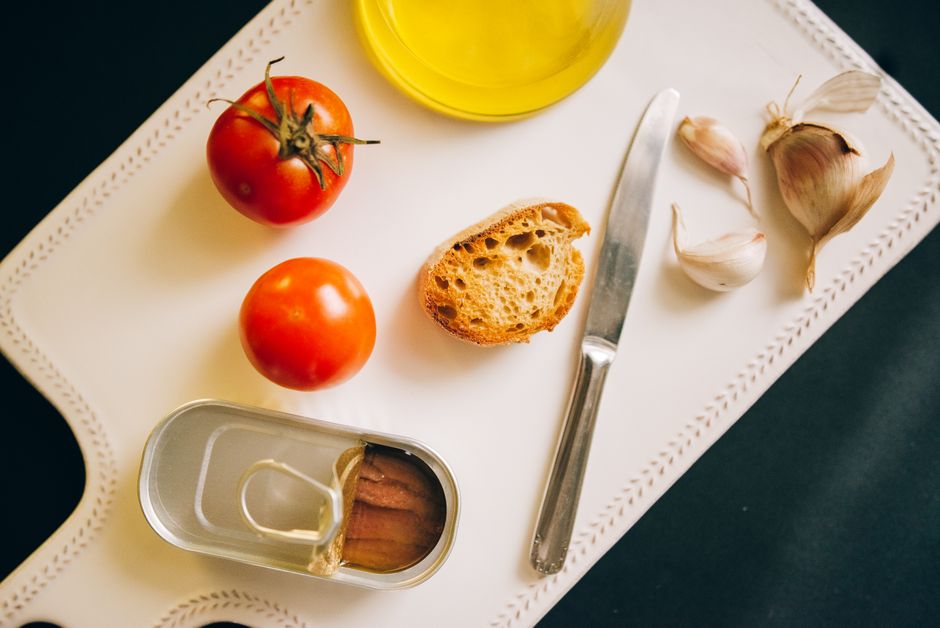
While the market provides the stars, your pantry offers the supporting cast. Olive oil, various vinegars, dried herbs and spices, canned tomatoes, pasta, rice, and legumes are essential. These staples allow you to transform a few fresh ingredients into a complete meal. For instance, a handful of market-fresh greens, some cherry tomatoes, and a can of cannellini beans from your pantry can quickly become a solid salad.
5. Master Basic Cooking Techniques
Roasting, sautéing, braising, and grilling are your best friends. With these fundamental skills, you can cook almost any ingredient you bring home. A simple roast chicken with market-fresh vegetables, or a quickly sautéed fish with a squeeze of lemon, are both delicious and healthy. You don’t need complicated recipes when you know how to bring out the best in fresh ingredients.
6. Plan for Minimal Waste
Market basket cooking inherently reduces waste because you’re buying what you need and what’s available. If you have leftover cooked grains, turn them into a grain bowl the next day. Vegetable scraps can become stock. This mindful approach to ingredients not only saves money but also contributes to a more sustainable kitchen, a practice deeply ingrained in many European and South American culinary traditions.
7. Embrace Simple Preparations
The beauty of fresh, seasonal ingredients is that they don’t need much fuss. Often, a sprinkle of salt, a crack of black pepper, and a drizzle of good olive oil are all that’s required to make them shine. Think of a Caprese salad with ripe market tomatoes, fresh mozzarella, and basil—its simplicity is its strength.
Comparing Market Basket Meal Approaches: Regional Inspirations
While the core idea of Market Basket Meals is universal, different regions offer distinct flavors and ingredient focuses. Understanding these regional nuances can help you diversify your own cooking. Here’s a quick comparison:
| Region | Typical Market Basket Focus | Example Meal |
|---|---|---|
| Europe (e.g., France, Italy) | Local cheeses, fresh bread, specific seasonal vegetables (e.g., asparagus in spring), cured meats, fresh herbs. Emphasis on quality and simplicity. | Ratatouille with crusty bread, Salade Niçoise, or a simple pasta with market-fresh pesto and cherry tomatoes. |
| North America (e.g., USA, Canada) | Wide variety of fruits (berries, apples), seasonal greens, root vegetables, locally raised meats, artisanal products (jams, honey). Strong focus on farm-to-table. | Roasted chicken with seasonal root vegetables (carrots, parsnips), grilled corn on the cob, or a vibrant summer berry cobbler. |
| South America (e.g., Argentina, Peru) | Unique tubers (potatoes, yuca), diverse peppers, exotic fruits (passionfruit, guava), various beans and grains (quinoa), regional spices, fresh seafood. Culinary traditions often involve communal cooking. | Empanadas filled with seasonal vegetables and cheese, a hearty Locro stew with pumpkin and corn, or a simple grilled skirt steak with a fresh chimichurri. |
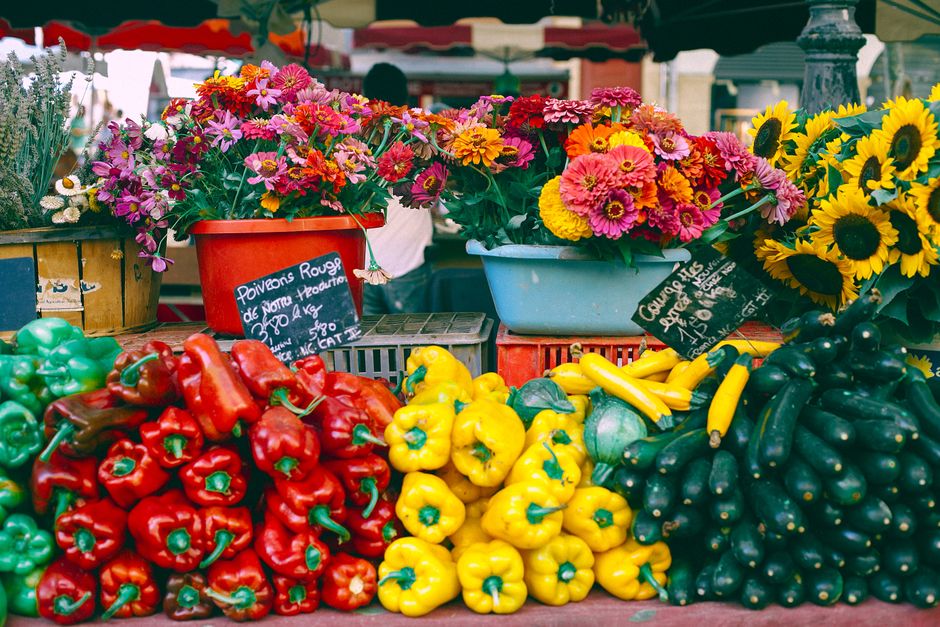
A beautifully arranged selection of fresh produce, ready for a Market Basket Meal.
Common Pitfalls to Avoid in Your Market Basket Journey
While the Market Basket Meal approach is flexible, there are a few common missteps that can derail your efforts to eat healthily and efficiently.
A common mistake is buying too much, especially when overwhelmed by the abundance and beauty of a market. It’s easy to get swept up and purchase items you don’t realistically need or can’t consume before they spoil. Remember, the goal is to reduce waste, so be mindful of portion sizes and your household’s actual consumption.
Another pitfall is sticking too rigidly to familiar ingredients. The whole point of market basket cooking is to embrace new discoveries. If you always buy the same five vegetables, you’re missing out on a world of flavor and nutritional variety. Challenge yourself to try one new fruit or vegetable each time you visit the market. Ask the vendors for advice on how to prepare unfamiliar items; they’re often a wealth of knowledge.
Don’t fall into the trap of over-complicating things. Sometimes, the allure of fancy recipes can overshadow the simplicity that makes market basket meals so effective. Remember that the freshest ingredients often shine with minimal intervention. A simple sauté, roast, or grill often highlights their natural flavors far better than an elaborate, multi-step recipe.
Finally, neglecting your pantry is a significant oversight. A well-stocked pantry with staples like olive oil, vinegars, grains, and spices acts as your kitchen’s backbone. Without it, even the most beautiful market haul can feel incomplete, leaving you scrambling for essential components when you’re ready to cook.
FAQ: Market Basket Meals and Your Health
What is the Mediterranean diet and how does it relate to Market Basket Meals?
The Mediterranean diet is an eating pattern inspired by the traditional cuisines of countries bordering the Mediterranean Sea. It emphasizes vegetables, fruits, whole grains, legumes, nuts, seeds, olive oil, and includes moderate amounts of fish, poultry, and dairy, with red meat consumed sparingly. This diet is a prime example of a Market Basket Meal approach, as it prioritizes fresh, seasonal, local produce and high-quality staples, naturally aligning with the principles of spontaneous, ingredient-driven cooking for optimal health.
How can Market Basket Meals save me money on groceries?
Market Basket Meals save money by encouraging you to buy ingredients that are in season and often locally sourced. Seasonal produce is typically more abundant, meaning lower prices. Additionally, buying directly from farmers at markets can sometimes cut out intermediary costs. This approach also reduces food waste, as you’re cooking with what’s fresh and available, minimizing items that go bad before use.
What are some examples of Market Basket Meals from Buenos Aires?
In Buenos Aires, a Market Basket Meal might feature a beautiful cut of beef like flank steak (matambre), paired with fresh chimichurri made from market-fresh parsley, oregano, and garlic. Another example could be a seasonal vegetable tarta (tart) using local pumpkin (zapallo) or Swiss chard (acelga) found at neighborhood ferias, complemented by a simple salad with ripe tomatoes and olive oil.
Is this approach suitable for busy weeknights?
Absolutely. Market Basket Meals excel on busy weeknights because they emphasize simplicity and quick cooking methods. If you have fresh, high-quality ingredients, often all you need is a quick sauté, roast, or stir-fry. Having a well-stocked pantry with basics like pasta or rice allows you to turn a few market-fresh vegetables into a complete, healthy meal in under 30 minutes.
How do I find the best seasonal produce in my area?
The best way to find seasonal produce is to visit local farmers’ markets. Websites like LocalHarvest.org in North America, or regional tourism sites in Europe and South America, often list market locations and operating hours. You can also ask at your local grocery store’s produce department, as they often highlight seasonal items. Additionally, many regions have online guides or charts detailing what produce is in season each month.
Embracing Market Basket Meals, with their rich traditions from France and the Americas, offers a refreshing and practical way to integrate healthy, delicious eating into your daily life. By connecting with local markets and letting seasonal ingredients inspire your cooking, you’ll discover a culinary journey that benefits both your palate and your well-being. Explore more food and health guides on Vie En Mots to deepen your understanding and enhance your kitchen adventures.