
For many busy professionals, especially those in bustling urban centers across Europe and North America, lunch often defaults to something quick, convenient, and — let’s be honest — not always the most nourishing. The classic bread, cheese, and salad combination, while seemingly light, can easily become a heavy, calorie-dense meal lacking essential nutrients if not thoughtfully constructed. But what if you could transform this familiar trio into a truly balanced and energizing midday meal? It’s entirely possible, and it doesn’t require hours of meal prep.
Think about a typical Parisian lunch break: a crusty baguette, a wedge of brie, and maybe some mixed greens from the local boulangerie. It’s charming, but not always the blueprint for sustained energy through an afternoon of meetings. Similarly, a deli sandwich in New York or a quick empanada and salad in Buenos Aires might feel right in the moment, but the nutritional impact varies wildly. The key is in the choices you make for each component, turning a simple meal into one that supports your health goals without sacrificing flavor or convenience. Let’s dive into how to build a healthier bread, cheese, and salad lunch that truly fuels your day.
Rethinking Your Bread: The Foundation of a Healthier Lunch
The bread component is often where many traditional lunches go awry. While a freshly baked baguette is undeniably delicious, its nutritional profile is typically low in fiber and can lead to a rapid spike in blood sugar, followed by a mid-afternoon energy crash. To build a healthier bread, cheese, and salad lunch, the first step is to choose your bread wisely.
Whole Grains Are Your Best Friend
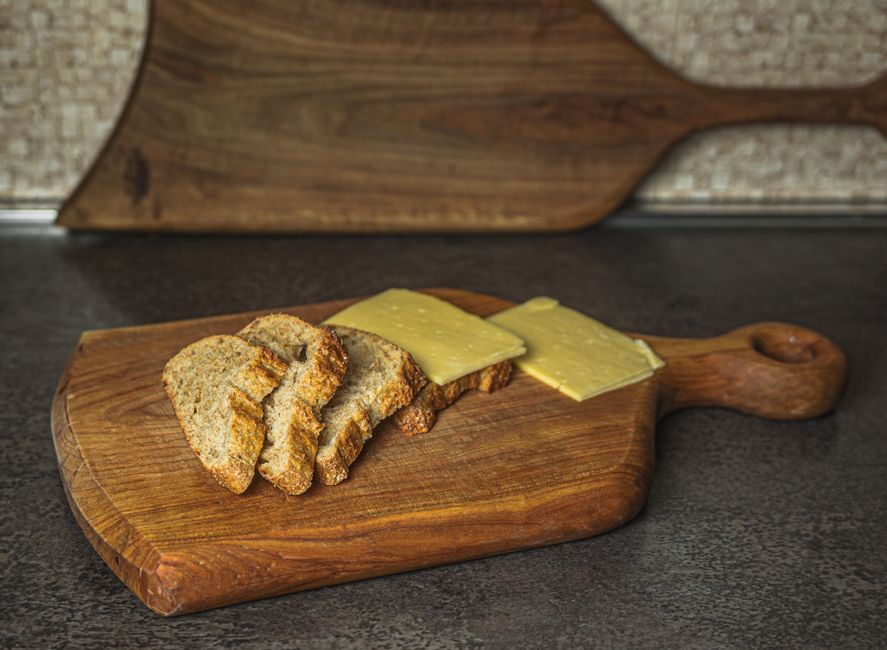
Opt for whole grain varieties like a dense rye, a hearty whole-wheat sourdough, or even sprouted grain bread. These breads retain more of the grain’s natural fiber, vitamins, and minerals. Fiber slows down sugar absorption, providing a more stable energy release and keeping you feeling full longer. Look for breads where “whole wheat flour” or “whole rye flour” is listed as the first ingredient, rather than “enriched wheat flour.”
In Europe, particularly in Germany and Scandinavia, dense rye breads are a staple and readily available. Many local bakeries in North America are also now offering artisan sourdoughs made with a mix of whole grains. If you’re in South America, look for breads made with a higher percentage of whole-wheat flour or even corn-based alternatives that can offer a different nutritional profile.
Portion Control and Open-Faced Options
Even with whole grain bread, portion size matters. Instead of a full sandwich with two thick slices, consider an open-faced sandwich. This reduces your carbohydrate intake while still providing the satisfaction of bread. You can also use large lettuce leaves (like butter lettuce or romaine) as a wrap instead of bread entirely on some days for a very light option.
Choosing Your Cheese Wisely: Flavor, Not Just Fat
Cheese adds flavor, protein, and calcium, but it can also be a significant source of saturated fat and sodium. The goal isn’t to eliminate cheese but to select varieties that offer maximum flavor impact with a more favorable nutritional profile, and to use them in moderation when you’re aiming to build a healthier bread, cheese, and salad lunch.
Opt for Flavorful, Lower-Fat, or Cultured Cheeses
Instead of relying on large slices of high-fat cheeses, choose those that deliver a punch of flavor in smaller quantities. Think about:
- Fresh Goat Cheese (Chèvre): Tangy and creamy, excellent for salads.
- Feta: Salty and crumbly, perfect for adding zest to greens.
- Mozzarella (Fresh): Lighter in flavor, but good for texture and a mild protein boost.
- Aged Cheddar or Parmesan: A little goes a long way with these intensely flavored cheeses, used grated or shaved.
- Ricotta or Cottage Cheese: Lower in fat and high in protein, these can be a great base for an open-faced sandwich, topped with herbs and vegetables.
In French markets or Italian delis, you’ll find an incredible array of fresh, regional cheeses. Focus on quality over quantity. A small piece of really good comté or manchego can be far more satisfying than a large slice of bland, processed cheese.
Consider Plant-Based Alternatives
If you’re looking to reduce dairy or saturated fat further, the market for plant-based cheeses has exploded. Many varieties made from nuts (like cashews or almonds) or soy offer similar textures and flavors. Just be mindful of their ingredients, as some can be highly processed. Nutritional yeast can also be sprinkled on your salad for a cheesy, umami flavor without the dairy.
Elevating Your Salad: The True Star of the Show
The salad component is your biggest opportunity to pack in vitamins, minerals, and fiber. This isn’t just a handful of iceberg lettuce; it’s a vibrant, nutrient-dense canvas that truly defines how to build a healthier bread, cheese, and salad lunch.
Greens Beyond Lettuce
Move beyond plain iceberg or romaine. Incorporate a mix of dark leafy greens such as spinach, kale, arugula, and mixed spring greens. These are significantly richer in antioxidants and nutrients.
A Rainbow of Vegetables
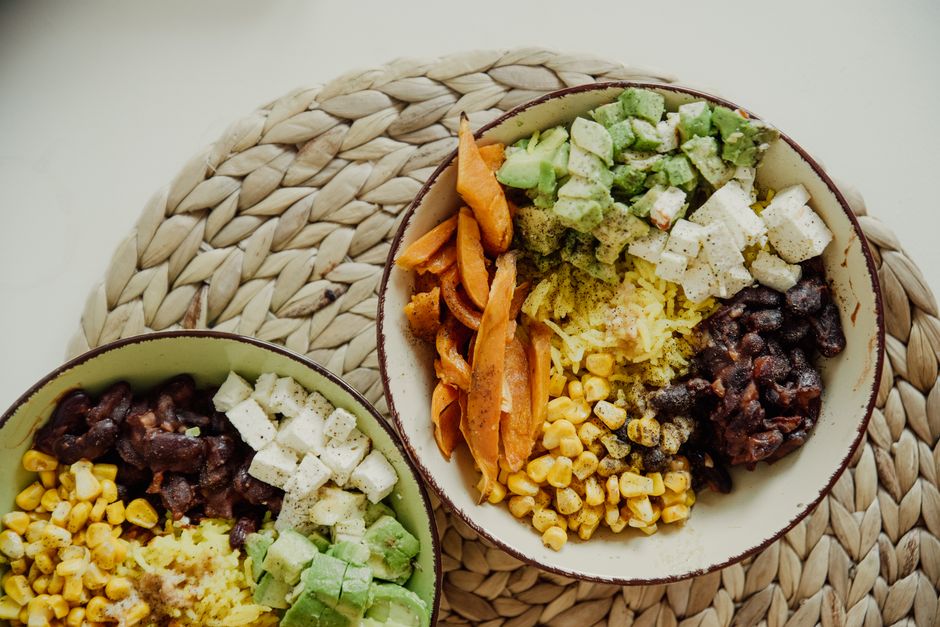
Add a variety of colorful vegetables for different nutrients and textures. Think cherry tomatoes, cucumber, bell peppers (all colors!), grated carrots, radishes, red onion, and even roasted vegetables like sweet potatoes or broccoli florets if you have them prepared. Don’t forget about legumes – chickpeas, black beans, or lentils add fiber and plant-based protein, making your salad far more substantial.
Smart Protein Additions
Beyond cheese, consider adding other lean proteins to your salad for satiety and muscle health. Sliced grilled chicken, hard-boiled eggs, canned tuna or salmon, or plant-based options like tofu or tempeh are excellent choices. The World Health Organization (WHO) emphasizes a balanced diet rich in fruits, vegetables, and lean proteins for optimal health, and a well-constructed salad fits this recommendation perfectly.
Dressings: The Unsung Hero (or Hidden Calorie Bomb)
Many pre-made dressings are loaded with unhealthy oils, sugar, and sodium. The simplest and healthiest option is a homemade vinaigrette. Combine good quality extra virgin olive oil (a staple in Mediterranean diets and readily available from Europe to South America), a vinegar (balsamic, red wine, or apple cider), a squeeze of lemon juice, Dijon mustard, and a pinch of salt and pepper. This allows you to control the ingredients and keep it light.
A common mistake is drenching the salad. Start with a small amount and add more only if needed. For a creamy dressing, blend some avocado with lemon juice, herbs, and a little water.
Putting It All Together: Regional Inspirations
Now that we’ve broken down the components, let’s look at how to build a healthier bread, cheese, and salad lunch with regional flair, proving this concept works globally.
European Mediterranean Twist
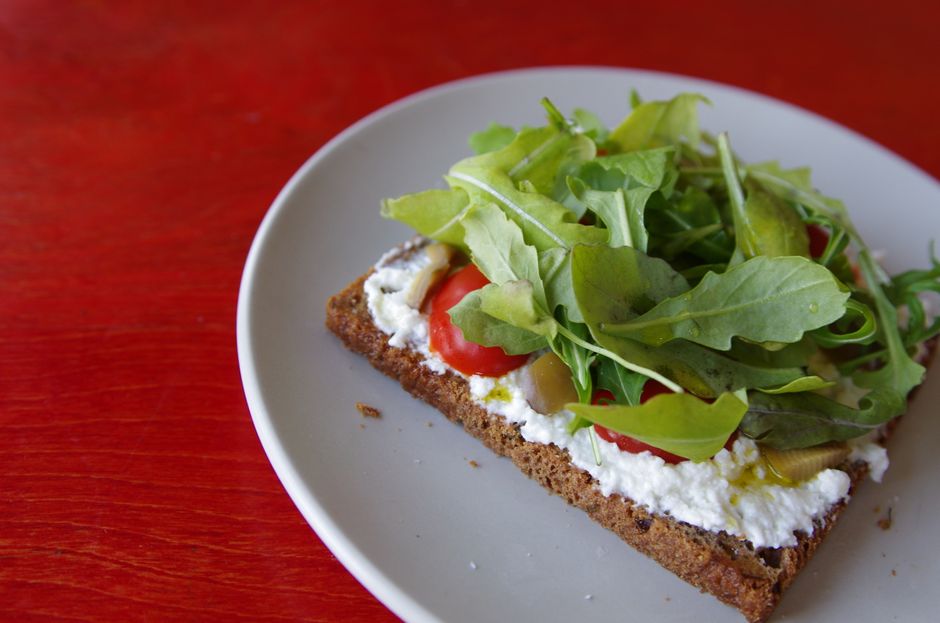
Imagine a slice of hearty German pumpernickel bread, topped with a spread of fresh ricotta and a sprinkle of dried herbs. Alongside, a vibrant salad featuring mixed greens, cherry tomatoes, cucumber, olives, crumbled feta cheese, and perhaps some chickpeas. Dressed lightly with a high-quality extra virgin olive oil and a splash of red wine vinegar. This brings together fiber, healthy fats, and lean protein, reminiscent of a lunch found in sunny Southern Europe.
North American Whole-Foods Focus
Consider a slice of whole-wheat sourdough from a local bakery, lightly toasted. Spread with a thin layer of avocado, topped with a few slices of aged cheddar. The accompanying salad could be baby spinach, bell peppers, shredded carrots, black beans, and grilled chicken strips. A lime-cilantro vinaigrette would tie it all together, reflecting fresh, wholesome North American ingredients.
South American Freshness
Envision a dense corn or whole-grain flatbread. Pair it with a small portion of fresh white cheese (like a low-fat Queso Fresco) and a generous salad featuring mixed greens, hearts of palm, corn kernels, avocado slices, and perhaps some grilled shrimp or lentils. A simple dressing of lime juice, olive oil, and a touch of chili powder would add a delightful zing.
Practical Tips for Busy Professionals
- Prep Ahead: Wash and chop salad greens and vegetables on Sunday. Store them in airtight containers.
- Dressings on the Side: Always carry your dressing in a separate small container and add it just before eating to prevent a soggy salad.
- Mix and Match: Don’t feel obligated to have the exact same lunch every day. Vary your greens, veggies, proteins, and even your bread type throughout the week to keep things interesting and ensure a broader spectrum of nutrients.
- Mindful Eating: Even the healthiest lunch won’t benefit you if you eat it mindlessly at your desk. Take a moment away from your screen, savor your meal, and pay attention to your body’s signals of fullness.
FAQ: How to Build a Healthier Bread, Cheese, and Salad Lunch
What kind of bread is best for a healthy lunch?
For a healthy lunch, choose whole grain breads like whole-wheat sourdough, rye bread, or sprouted grain bread. These options are higher in fiber and nutrients compared to refined white breads, helping to stabilize blood sugar and keep you full longer.
Can cheese be part of a healthy lunch?
Yes, cheese can be part of a healthy lunch when chosen wisely and consumed in moderation. Opt for flavorful, lower-fat varieties like fresh goat cheese, feta, or a small amount of aged cheddar. It provides protein and calcium, but be mindful of portion sizes due to its fat and sodium content.
What makes a salad truly healthy?
A truly healthy salad goes beyond just lettuce. It features a diverse mix of dark leafy greens, a rainbow of colorful vegetables, lean protein sources (like chicken, eggs, or legumes), and a light, homemade vinaigrette made with healthy fats like extra virgin olive oil. This ensures a broad range of vitamins, minerals, and fiber.
How can I make my salad dressing healthier?
To make your salad dressing healthier, avoid store-bought versions often high in sugar and unhealthy oils. Instead, make a simple vinaigrette with extra virgin olive oil, a preferred vinegar (balsamic, red wine), fresh lemon juice, and seasonings. This gives you control over the ingredients and promotes healthy fats.
What role does olive oil play in a healthy lunch?
Extra virgin olive oil plays a crucial role in a healthy lunch, especially in dressings. It provides monounsaturated fats, which are heart-healthy and aid in the absorption of fat-soluble vitamins from your salad. It also adds rich flavor and contributes to satiety, making your meal more satisfying and nutritious.
Final Thoughts on Your Healthier Lunch
Building a healthier bread, cheese, and salad lunch isn’t about rigid rules or deprivation; it’s about making smarter, more informed choices. By focusing on whole grains, flavorful cheeses in moderation, and a truly vibrant, nutrient-dense salad, you can transform a simple meal into a powerful tool for better health and sustained energy throughout your busy day, no matter where your professional life takes you. For more insights into mindful eating and delicious, nutritious meals, explore food and health guides on Vie En Mots.