
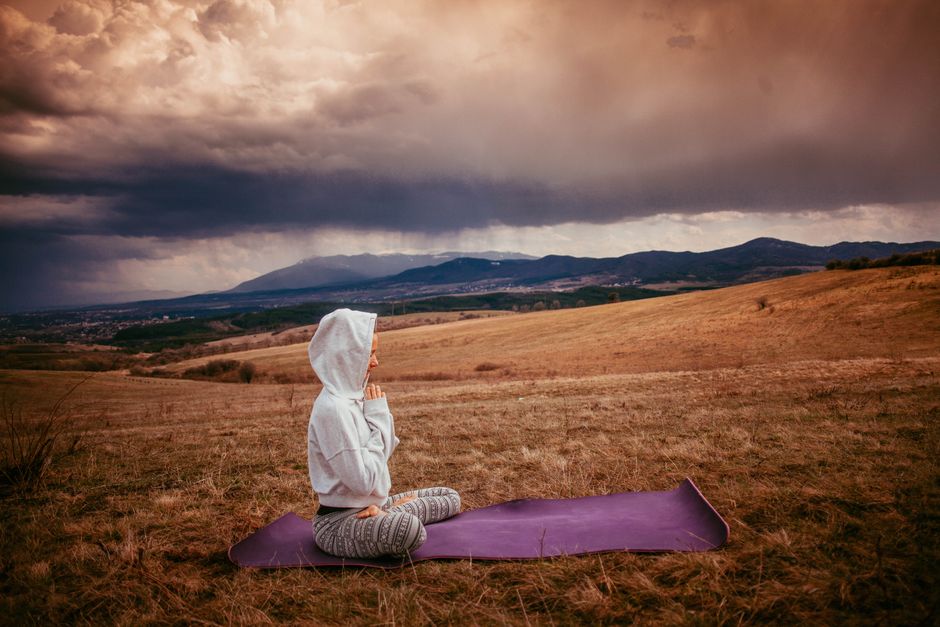
The quiet luxury of empty time is about intentionally carving out periods in your schedule that are not pre-filled with obligations or rigid plans. This isn’t about aimless drifting, but rather about creating a buffer for spontaneous discovery, genuine rest, or simply being. It’s a proactive strategy to prevent burnout by allowing your mind and body to truly disconnect and recharge, moving beyond the default mode of constant activity and towards a more mindful engagement with your present. For busy adults, it provides a crucial antidote to the relentless pace of modern life.
In a world that constantly nudges us to optimize every minute, from tracking steps to scheduling every coffee break, the idea of ’empty time’ can feel almost counter-intuitive. Yet, for many busy adults, the relentless push for productivity often leads to a state of chronic busyness, where even leisure feels like another item on a to-do list. The true luxury isn’t about accumulating more; it’s about reclaiming the space to simply be.
This isn’t an argument for becoming a sloth, but rather for a deliberate, gentle recalibration. Think of it as a strategic retreat from the tyranny of the calendar, allowing for moments of unscripted discovery. It’s about embracing the quiet luxury of empty time, where you plan for less, but paradoxically gain more clarity and contentment without drifting into apathy.
It’s the feeling of a lazy Sunday morning, not because you overslept, but because you intentionally left it open. It’s the unexpected afternoon walk, the spontaneous dive into a book, or just sitting with a cup of tea, letting your thoughts meander without a destination. This intentional spaciousness is a powerful antidote to burnout, a way to build resilience, and ultimately, a path to a more meaningful life.

Defining Empty Time vs. Unplanned Chaos
It’s important to distinguish between empty time and simply a lack of planning that leads to procrastination or anxiety. Empty time is purposeful. It’s an open slot in your day or week that you’ve reserved, not for specific tasks, but for whatever emerges or for nothing at all. This intentional void contrasts sharply with an unplanned schedule that often results from disorganization, leading to a feeling of being overwhelmed rather than refreshed.
The Antidote to the ‘Always-On’ Mentality
We’ve all been there: the Sunday evening dread as you review a week packed solid, knowing every hour is accounted for, leaving no room for spontaneity or simply a moment to breathe. This ‘always-on’ mentality, fueled by digital connectivity and societal expectations, is a direct pathway to burnout. Empty time acts as a crucial circuit breaker. For instance, a small business owner in Toronto might intentionally block out Wednesday afternoons not for client meetings or project work, but for a solo walk along the waterfront or an unhurried visit to a local coffee shop, just to think.
Why Planning Less Doesn’t Mean Drifting
The fear of ‘drifting’ is legitimate. Many worry that without a packed schedule, they’ll lose motivation or become unproductive. However, planning less doesn’t equate to planning nothing. It means planning for the absence of specific plans. For example, a lawyer in Buenos Aires might schedule a ‘free morning’ every Saturday. She might end up visiting a market in San Telmo, reading in a park, or simply enjoying an extended breakfast at home. The key is that the time itself is protected, but the activity within it is fluid and responsive to her current mood or needs, fostering a sense of autonomy that’s often missing from rigid schedules.
Practical Strategies for Cultivating Empty Time
So, how do you actually bake this concept into your already demanding life? It requires a shift in mindset and some practical calendar management.
Block Out ‘No-Activity’ Slots
Just as you schedule a meeting or an appointment, schedule ’empty time’ in your digital calendar. Label it something like ‘Quiet Hour,’ ‘Thinking Time,’ or ‘Personal Sanctuary.’ This visual commitment helps you respect these blocks. A product manager in Montreal, for instance, could block out 8 AM to 9 AM daily, before the team calls begin, not to check emails, but to slowly wake up, sip coffee, and think about the day’s priorities without immediate pressure.
Inika Organic Brings Natural Beauty and Skincare Together
Embrace the ‘Buffer Day’
If your job allows, consider having one day a week or even a half-day where you intentionally don’t schedule external meetings or demanding tasks. Use this as a buffer for unexpected issues, deep work that requires uninterrupted focus, or crucially, empty time. Many freelancers across Europe, from Berlin to Lisbon, often designate Fridays as ‘admin and flexibility days,’ allowing them to catch up or simply decompress if the week has been particularly intense.
The 15-Minute Micro-Break
You don’t need hours to benefit. Even 15 minutes of truly empty time can be restorative. Instead of scrolling through social media during a work break, step outside, stare at a tree, or simply close your eyes and breathe. The goal is not distraction, but disengagement from input. This micro-dose of quiet luxury can significantly reduce stress throughout the day.
The Impact of Intentional Emptiness on Well-being
Beyond simply avoiding burnout, embracing empty time offers profound benefits for mental and emotional health.
Fostering Creativity and Problem-Solving
Our brains need downtime to consolidate information, form new connections, and spark insights. That ‘aha!’ moment rarely happens when you’re staring intently at a spreadsheet. It often comes during a shower, a walk, or when you’re doing something completely unrelated. Empty time provides the mental space for this crucial cognitive processing. Think of writers in New York or artists in San Francisco who deliberately take walks or spend hours simply observing; this is their empty time, feeding their creative wellspring.
Strengthening Self-Awareness and Intuition
When you’re not constantly reacting to external stimuli, you create space to tune into your inner world. What are you truly feeling? What do you genuinely need? This enhanced self-awareness can lead to better decision-making and a deeper understanding of your own values and desires. It’s the quiet introspection that helps you navigate life’s complexities with more grace.

Navigating the Urge to Fill the Void
The biggest challenge with empty time isn’t scheduling it; it’s resisting the urge to fill it. We’re conditioned to be busy, and a blank slate can feel unsettling at first.
Putting Away the Devices
This is non-negotiable. Empty time is not screen time. Resist the siren call of your phone, tablet, or laptop. If you’re struggling, try putting your phone in another room or on ‘do not disturb’ mode during your designated empty slots. Consider a ‘digital detox’ during these periods, even if it’s just for an hour.
Embracing Discomfort
Initially, being alone with your thoughts might feel uncomfortable or even boring. This is normal. Push through it. This discomfort is often a sign that your mind is recalibrating, letting go of the constant need for stimulation. Over time, you’ll find a sense of peace in these moments. It’s like building a new muscle; it feels awkward at first, but with practice, it becomes natural and strong.
Euhomy Brings Smart Home Appliances for Modern Living
Regional Perspectives on Slowing Down
While the concept of empty time is universal, its cultural expression varies. For busy adults, observing how different regions approach leisure can offer inspiration.
Europe: The Art of the ‘Pausa’
Across much of Southern Europe, the concept of a ‘pausa’ or siesta is ingrained. While it might be impractical for many modern North American schedules, the spirit of it – a dedicated break in the middle of the day to rest, eat a leisurely meal, or simply disconnect – is highly instructive. In Spain or Italy, lunchtime isn’t just a quick bite at your desk; it’s often a significant social and restorative event. Even in Northern European cities like Stockholm, ‘fika’ (a coffee break often with pastries) is an essential part of the workday, fostering connection and a mental pause.
South America: Valuing Connection and Relaxation
In many parts of South America, family time and social connection are deeply prioritized. Weekends often involve extended gatherings, unhurried meals, and conversations that stretch for hours. Think of the Sunday ‘asado’ in Argentina, where the grilling is as much a social ritual as it is about the food. While the pace of cities like Rio de Janeiro or Buenos Aires can be intense, there’s often a contrasting emphasis on enjoying life’s simple pleasures and human connection, providing a natural buffer against relentless work.
North America: Reclaiming the Weekend
In Canada and the USA, where the work culture can be particularly demanding, the challenge is often more acute. However, there’s a growing movement towards reclaiming the weekend from endless errands and commitments. In places like Vancouver or even smaller towns in New England, people are increasingly prioritizing nature walks, quiet contemplation, or simply unplugged time at home. The goal is to avoid the Sunday night scramble to ‘catch up’ on life before the work week begins again.
FAQ: Planning for Empty Time
How can I start planning empty time if my schedule is already packed?
Begin small. Identify one 15-minute slot in your week, perhaps before work or during a lunch break, where you intentionally do nothing. Gradually expand these slots as you become more comfortable. Blocking it in your calendar as ‘Quiet Time’ can help you protect it from other demands.
What’s the difference between empty time and procrastination?
Empty time is an intentional, restorative break, not an avoidance of necessary tasks. Procrastination involves delaying an important task, often leading to stress. Empty time is a proactive choice for mental space, while procrastination is usually a reactive response to a task.
Will planning less make me less productive at work?
Quite the opposite. Intentional empty time can boost productivity by preventing burnout, improving focus, and fostering creativity. A well-rested mind is more efficient and innovative than an overtaxed one, leading to higher quality work in less time.
How do I explain ’empty time’ to others who might not understand?
You don’t need to over-explain. Simply state that you have a ‘prior commitment’ or ‘personal time’ blocked out. If pressed, you can mention it’s for ‘strategic thinking’ or ‘recharging,’ which are widely understood benefits in professional contexts.
Can empty time include light activities like reading or a hobby?
While the purest form is ‘doing nothing,’ gentle, non-demanding activities like reading a physical book, light gardening, or a casual walk without a specific destination can align with the spirit of empty time. The key is that the activity is chosen freely, without pressure, and allows for mental decompression rather than stimulation.
Embracing the quiet luxury of empty time isn’t a radical overhaul of your life; it’s a subtle but powerful shift in how you relate to your most precious resource: your attention and your well-being. By planning less without drifting, you create space for serendipity, profound rest, and a deeper connection to yourself and the world around you. It’s an investment in a more resilient, more joyful, and ultimately, more fulfilling existence. For more thoughtful lifestyle guides that help you navigate modern life with intention, read more thoughtful lifestyle guides on Vie En Mots.