
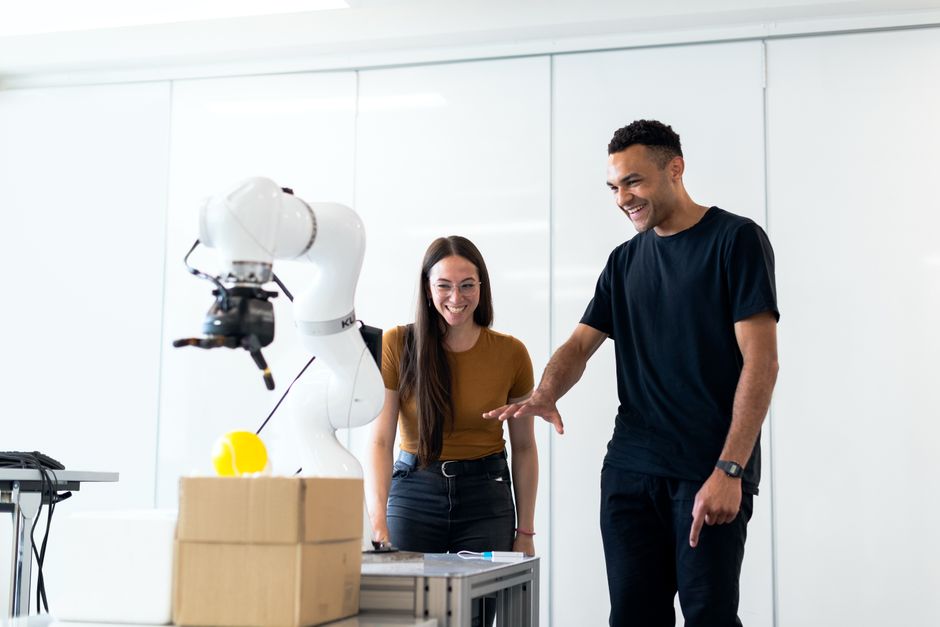
To truly excel in 2026, writers, designers, and analysts need to go beyond basic prompt engineering. The key AI skills include understanding the ethical implications of AI, mastering advanced data analysis with AI tools, critically evaluating AI output, and integrating AI into complex workflows. Professionals will benefit from familiarity with specific models like ChatGPT and Mistral AI, knowing how to fine-tune AI for niche tasks, and navigating emerging regulations such as the EU AI Act. These capabilities enable creative professionals to leverage AI for efficiency, innovation, and accuracy, transforming their roles rather than being replaced by automation.
Remember when ‘webmaster’ was a coveted skill? Or when knowing Photoshop inside out felt like a superpower? The goalposts for professional success constantly shift, and right now, they’re moving at warp speed, driven by artificial intelligence. Many creative professionals feel a mix of excitement and anxiety, wondering if their craft will be enhanced or sidelined. The good news is, for those willing to adapt, AI offers unprecedented opportunities.
It’s not about becoming an AI engineer; it’s about becoming an AI-augmented professional. Think of it less as a threat and more as a sophisticated co-pilot that requires skilled navigation. The question isn’t whether AI will be part of your job, but how effectively you’ll wield it. This means understanding not just *what* AI can do, but *how* it thinks, its limitations, and critically, how to integrate it ethically and strategically into your existing expertise.
For writers, designers, and analysts looking to future-proof their careers, mastering core AI skills for writers, designers, and analysts in 2026 isn’t optional—it’s foundational. This involves a blend of technical understanding, critical thinking, and a creative problem-solving mindset that AI, in its current form, simply cannot replicate.
The Evolving Role of AI in Creative Professions
AI isn’t just about generating text or images; it’s about transforming entire workflows. For writers, it can mean drafting outlines, brainstorming ideas, or refining tone across different content types. Designers are using AI to generate variations, accelerate ideation, and even create complex 3D models from simple prompts. Analysts are finding AI invaluable for sifting through massive datasets, identifying patterns, and generating actionable insights faster than ever before.
In North America, companies like Google and OpenAI are pushing the boundaries, making advanced tools more accessible. Across Europe, the focus is often on responsible AI development, with initiatives like the EU AI Act setting a global benchmark for ethical guidelines and data privacy. Meanwhile, in South America, innovative startups and established firms are rapidly integrating AI to solve local challenges, from personalized marketing campaigns in Brazil to predictive analytics in Chilean financial markets.
This global integration means that the foundational skills aren’t just about using specific software, but understanding the underlying principles and ethical considerations. The conversation has shifted from ‘Can AI do this?’ to ‘How can I best collaborate with AI to do this better, faster, and more ethically?’
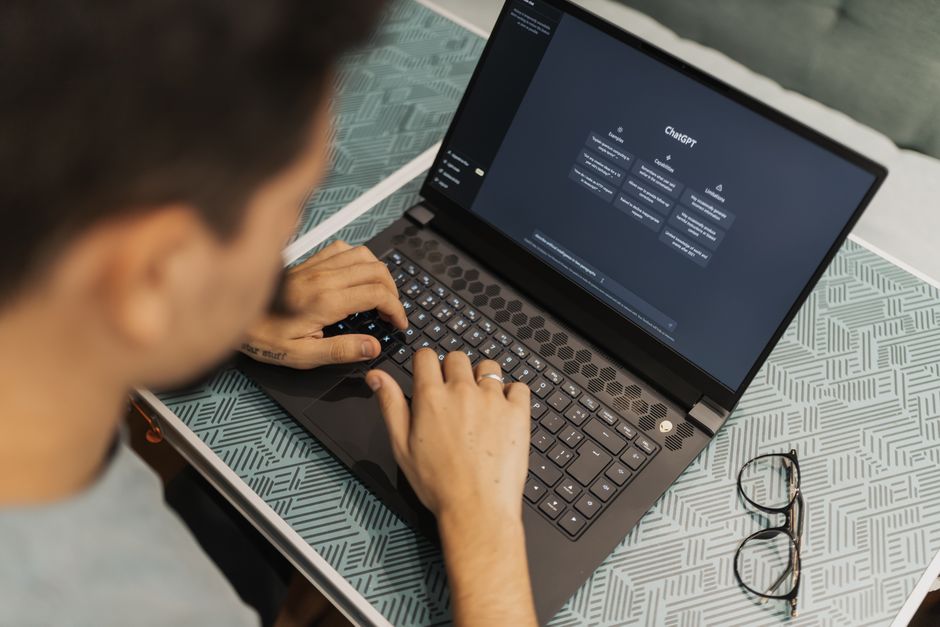
AI Skills for Writers, Designers, and Analysts in 2026: Practical Tips
Staying ahead means focusing on transferable skills that transcend specific AI models. Here are crucial areas to develop:
-
Advanced Prompt Engineering & Contextual Understanding
Beyond basic ‘write me a blog post,’ true skill lies in crafting intricate, multi-layered prompts that guide AI towards specific outcomes. This involves understanding how different models (like ChatGPT, Claude, or even Mistral AI, a powerful European model) interpret instructions, anticipating their ‘hallucinations,’ and providing rich context. For a writer, this might mean specifying target audience, tone, SEO keywords, and even examples of desired sentence structures. For a designer, it could be describing mood, lighting, style references, and iterating on initial generations.
AI for Creative Teams: Where It Helps and Where It Flattens Taste
-
Critical Evaluation & Fact-Checking
AI models are excellent at generating plausible-sounding content, but ‘plausible’ doesn’t always mean ‘accurate.’ Writers and analysts, especially, must develop a keen eye for misinformation, logical inconsistencies, and outdated data in AI-generated output. This skill involves cross-referencing information, verifying sources, and applying domain expertise to discern quality from noise. For designers, it means critically assessing if AI-generated assets meet brand guidelines or design principles, rather than blindly accepting them.
-
Data Synthesis & Analytical Interpretation
For analysts, and increasingly for writers and designers working with data-driven projects, leveraging AI for data synthesis is vital. Tools can process vast spreadsheets, identify trends, and even generate preliminary reports. However, the human skill remains in interpreting these findings, understanding their implications, and translating them into actionable insights or compelling narratives. AI highlights the ‘what’; you still need to explain the ‘why’ and ‘so what’.
-
Ethical AI Deployment & Bias Mitigation
The EU AI Act highlights the growing importance of ethical considerations. Understanding potential biases in AI models – whether in data collection, algorithmic design, or output generation – is crucial for all creative professionals. For example, a designer using AI to generate stock photos might inadvertently perpetuate stereotypes if the model was trained on biased data. A writer must be aware of how AI might reflect or amplify harmful narratives. Proactive bias detection and mitigation are key AI skills for writers, designers, and analysts in 2026.
-
Workflow Integration & Tool Interoperability
AI rarely works in isolation. Professionals need to learn how to integrate AI tools into their existing software ecosystems. This could mean using a plugin that connects ChatGPT to a CMS, or exporting Midjourney designs into Adobe Photoshop for refinement. Understanding APIs (Application Programming Interfaces) for seamless data transfer, or even using no-code platforms to build custom AI workflows, will become increasingly valuable.
-
Domain Expertise & Human-Centric Design
Ultimately, AI is a tool, not a replacement for deep domain knowledge. A skilled writer who understands storytelling nuances will always produce better AI prompts and refine AI output more effectively than someone lacking that expertise. A designer with a strong grasp of user experience principles will leverage AI to accelerate their vision, not replace it. Your unique human perspective, empathy, and creative judgment are what make AI truly powerful and differentiate your work.
Comparing AI Tools for Creative Workflows
Choosing the right AI tool often depends on your specific task and workflow. Here’s a quick overview of some popular options and their strengths:
| Tool/Platform | Primary Strength | Typical Use Case for Creatives | Considerations (2026) |
|---|---|---|---|
| ChatGPT (OpenAI) | Versatile text generation, summarization, ideation | Content outlines, drafting emails, brainstorming marketing copy, code snippets | Strong general knowledge, but can ‘hallucinate’; enterprise versions offer more control. |
| Midjourney / Stable Diffusion | Image generation from text prompts | Concept art, mood boards, marketing visuals, unique illustrations | Requires strong prompt engineering skills for specific styles; ethical concerns around training data. |
| Adobe Firefly | Generative AI within Adobe ecosystem | Text-to-image, text effects, generative fill, vector generation | Seamless integration with Creative Cloud; focuses on commercially safe content. |
| Mistral AI (European) | High-performance, open-source language models | Custom AI applications, fine-tuned models for specific tasks, privacy-focused solutions | Often preferred for developers and larger organizations due to flexibility and control. |
| Dall-E 3 (OpenAI) | Image generation integrated with ChatGPT | Visualizing ideas directly from chat, enhancing text-based content with imagery | Easier to use than Midjourney for beginners, good for quick conceptualization. |
| Jasper / Copy.ai | Marketing & sales copy generation | Blog posts, social media captions, ad copy, product descriptions | Designed for specific commercial use cases; good for quick content iteration. |
Common Mistakes Creative Professionals Make with AI
While the potential of AI is vast, missteps are common. One frequent error is treating AI as a magic black box rather than a sophisticated tool. Simply typing ‘write me a blog post’ and accepting the first draft without critical review is a recipe for generic, uninspired, or even inaccurate content. Real skill lies in iterative prompting, providing feedback to the AI, and treating its output as a starting point for human refinement.
Another mistake is neglecting the ethical implications. Professionals might inadvertently use AI-generated content without proper attribution, or create visuals that carry embedded biases from the training data. This isn’t just a compliance issue; it risks reputational damage and undermines the trust inherent in creative work. Staying informed about regulations like the EU AI Act and understanding data provenance are becoming indispensable AI skills for writers, designers, and analysts in 2026.
Over-reliance on AI for core creative thinking is also a pitfall. If you stop brainstorming original ideas or developing your unique aesthetic because AI can ‘do it for you,’ you risk losing your distinct voice and creative edge. AI should augment your creativity, not replace it. Your human intuition, empathy, and ability to connect with an audience on a deeper level remain irreplaceable assets.
AI for Personal Knowledge Management Without Creating More Clutter
Finally, ignoring the pace of change is perhaps the biggest mistake. AI technology evolves monthly, if not weekly. What works today might be obsolete tomorrow. Continuous learning, experimenting with new tools, and staying engaged with the AI community are vital. It’s a marathon, not a sprint, and complacency is a career killer in this rapidly shifting landscape.
Frequently Asked Questions about AI Skills for Creative Professionals
What are the most important AI skills for writers in 2026?
For writers, key AI skills in 2026 include advanced prompt engineering for specific tones and styles, critical evaluation of AI-generated content for accuracy and originality, and integrating AI tools into research and editing workflows. Understanding ethical content creation and copyright implications is also crucial for responsible practice.
How will AI impact designers by 2026?
By 2026, AI will empower designers to accelerate ideation, generate vast numbers of design variations, and automate repetitive tasks. Essential skills will involve mastering AI art generators like Midjourney or Adobe Firefly, understanding generative design principles, and using AI to enhance existing designs rather than replace human creativity, focusing on ethical AI use in visuals.
What AI capabilities should analysts prioritize for career growth?
Analysts should prioritize AI skills such as leveraging AI for complex data analysis, identifying patterns, and generating preliminary reports from large datasets. Critical interpretation of AI-derived insights, understanding AI model limitations, and integrating AI into data visualization and predictive modeling tools like Tableau or Power BI will be vital for career growth.
Is knowing specific AI models like ChatGPT essential?
Yes, familiarity with specific AI models like ChatGPT and emerging ones like Mistral AI is highly beneficial. Understanding their strengths, weaknesses, and unique features allows professionals to choose the right tool for the job, craft more effective prompts, and anticipate potential issues, leading to more efficient and higher-quality outputs.
How does the EU AI Act affect creative professionals?
The EU AI Act, expected to be fully in force by 2026, will impact creative professionals by setting new standards for transparency, data quality, and accountability in AI systems. This means professionals using AI must be aware of potential biases, ensure data privacy, and understand the implications for intellectual property and content generated by AI, particularly when operating within or serving the European market.
The future of creative work isn’t about AI replacing humans; it’s about humans who use AI replacing humans who don’t. By investing in these essential AI skills for writers, designers, and analysts in 2026, you’re not just adapting; you’re setting yourself up to lead. For clearer guides on navigating the AI landscape, make sure to read clearer AI guides on Vie En Mots.