
There’s a particular kind of joy that comes from settling into a good book, a quiet moment away from the everyday bustle. For many living in the vibrant, often compact spaces of cities like Brussels, New York, or Buenos Aires, the idea of a dedicated reading nook can feel like a luxurious dream, out of reach for a small home. We often resign ourselves to reading on the sofa or in bed, which is fine, but it lacks that special intentionality.
However, an experienced editor knows that good design isn’t about grand gestures; it’s about smart solutions. The truth is, even a tiny corner, a forgotten wall, or a clever rearrangement can transform into your personal literary sanctuary. It doesn’t require knocking down walls or buying expansive furniture. It requires a discerning eye and a commitment to creating a space that serves your love for reading.
This guide focuses on the practicalities and creative ways for how to build a reading corner in a small home, demonstrating that a tranquil escape is absolutely within your grasp, no matter your square footage.
The Unexpected Potential of Small Spaces
Before you even think about furniture, take a critical look at your home. Most small homes, from a charming Haussmannian apartment in Paris to a modern micro-unit in Vancouver, have surprising pockets of untapped potential. Don’t just see walls; see opportunities for verticality, for tucked-away nooks that might otherwise be ignored. Consider:
- The often-overlooked space beside a window, especially if it offers a pleasant view or good natural light.
- A quiet corner in a living room that’s currently just holding a plant or an unused lamp.
- The end of a hallway, if it’s wide enough for a shallow chair and a slim bookshelf.
- An alcove created by a built-in closet or a chimney breast.
- Even a wide landing at the top of a staircase can serve this purpose.
The goal is to find an area that feels naturally separate or can be easily delineated. This separation helps mentally shift you into ‘reading mode’ and ensures your reading corner doesn’t just feel like an extension of another room, but a destination in itself.
Crafting Your Cozy Retreat: Step-by-Step Guide
Once you’ve identified your prime real estate, it’s time to bring your vision to life. The key to how to build a reading corner in a small home is selecting items that are both comfortable and conscious of space.
1. The Foundation: Your Comfortable Seat
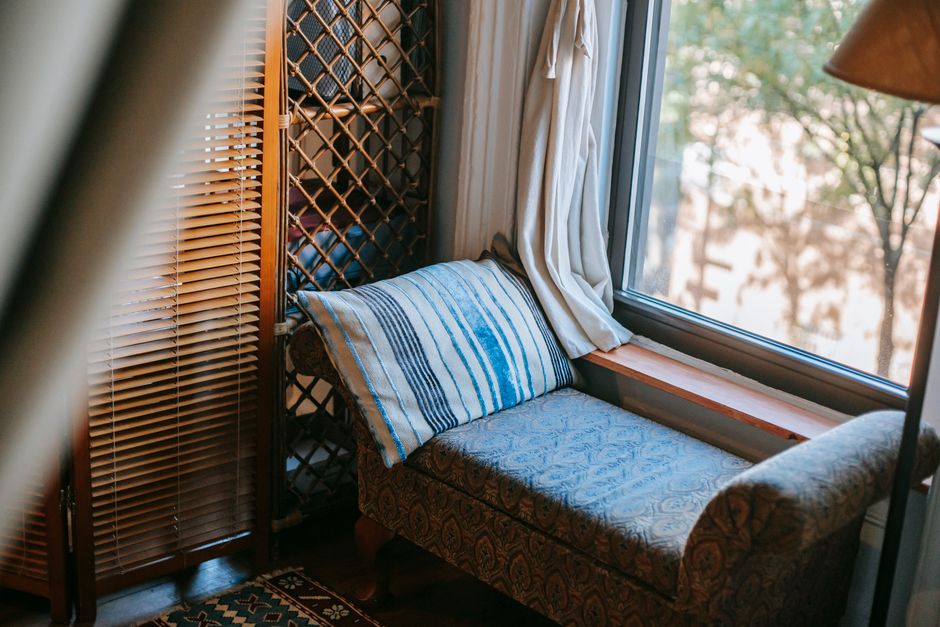
This is arguably the most critical component. Forget oversized armchairs; for a small home, you need something compact but supportive. Consider a narrow club chair, an elegant slipper chair without arms, or even a comfortable floor cushion with back support if space is extremely limited. IKEA’s classic POÄNG armchair, for example, has a relatively small footprint and a comfortable recline, making it a popular choice across Europe and North America. For a truly minimalist approach, a well-padded window seat can double as your reading spot, especially if it has built-in storage underneath.
2. Illumination is Key: Task Lighting
Natural light is wonderful, but it won’t last all day. A good reading lamp is non-negotiable. Look for lamps with adjustable necks or swing arms to direct light precisely where you need it. Floor lamps that tuck into a corner, like the Adesso Hayden or a slim tripod lamp, are often better than table lamps that require a side table, thus saving precious floor space. Dimmable options are a bonus for setting the mood.
The End-of-Day Routine That Helps City Life Feel Softer
3. Smart Storage for Your Literary Treasures
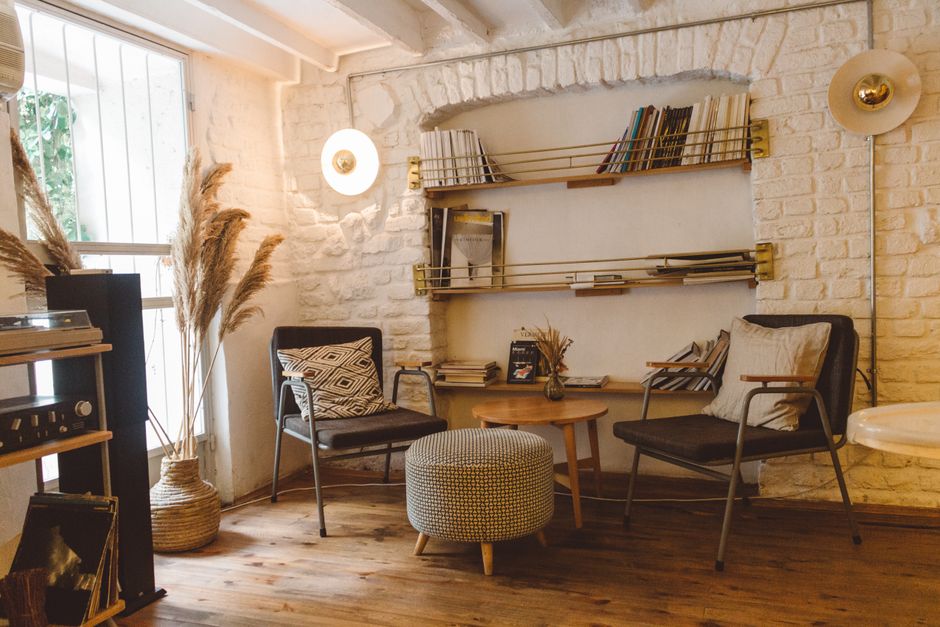
For your book collection, vertical is king. Floating shelves are excellent for keeping floor space clear. A narrow, tall bookcase, like the Union Rustic Adelaide Ladder Bookcase, can hold a surprising number of books while taking up minimal width. If you have a deep alcove, consider custom-built shelves that maximize every inch. Remember, this isn’t about storing your entire library, but rather the books you’re currently reading or intend to read soon.
4. A Surface for Your Essentials
You’ll want a place for your tea, a notepad, or your phone. Instead of a bulky coffee table, opt for a small C-table that slides under your chair, a narrow console table, or a wall-mounted fold-down shelf. Even a sturdy stool can double as a side table when needed. The goal is functionality without clutter.
5. Delineate with Decor and Textiles
Even in an open-plan apartment common in places like Lisbon or Santiago, you can create the illusion of a separate room. A small, inviting rug can define the area. A soft throw blanket draped over your chair and a couple of decorative pillows add comfort and visual warmth. A wall art piece that inspires contemplation, or a small plant, can personalize the space without overwhelming it. Consider a room divider screen if you need more physical separation, choosing one that’s lightweight and easy to move.
6. Personal Touches and Organization
This is where your reading corner truly becomes yours. A small ceramic mug for pens, a bookmark you love, or a fragrant candle can improve the experience. Keep it tidy; a small basket can hide away a stray magazine or a charging cable. The less visual clutter, the more peaceful the space will feel, which is crucial when trying to create a focused atmosphere in a small dwelling.
Comparing Space-Saving Seating Options for Your Reading Nook
Choosing the right chair is paramount for comfort and space efficiency. Here’s a quick comparison:
| Chair Type | Pros | Cons | Best For |
|---|---|---|---|
| Slipper Chair | No arms, very compact, stylish. | Less back support, can feel low. | Minimalist aesthetic, very tight spaces. |
| Armless Accent Chair | Comfortable, good support, still compact. | Can feel less ‘cozy’ without arms. | Balanced comfort and space, modern look. |
| Small Recliner/Pouf | Highly comfortable for extended reading. | Can be visually bulky, more expensive. | Comfort priority, slightly larger nooks. |
| Window Seat/Bench | Integrated storage, utilizes existing space. | May require custom cushions, fixed location. | Utilizing alcoves or bay windows. |
Common Mistakes to Avoid When Building a Reading Corner in a Small Home
While the concept is straightforward, there are a few pitfalls that can prevent your reading corner from truly flourishing.
One common mistake is overcrowding the space. Even if you love books and decor, remember that in a small area, less is often more. A cluttered reading corner feels distracting, not peaceful. Be selective about what you include, ensuring every item serves a purpose or genuinely brings you joy.
WhereLight Brings Elegant Lighting Solutions for Every Space
Another pitfall is neglecting proper lighting. Relying solely on ambient room light or a decorative lamp often leads to eye strain, making your reading experience less enjoyable. Invest in a dedicated task lamp that provides bright, focused illumination. Consider the color temperature too; warmer light (around 2700K-3000K) is generally cozier for reading than harsh, cool white light.
Many people also underestimate the importance of comfort. A visually appealing chair that’s uncomfortable to sit in for more than 15 minutes defeats the entire purpose. Test chairs if possible, or read reviews specifically mentioning comfort for prolonged use. Add cushions and throws to enhance the tactile experience.
Finally, don’t neglect the acoustic environment. If your small home is noisy, or your reading corner is close to a TV or kitchen, consider simple sound-dampening solutions. A thick rug, upholstered furniture, or even a pair of quality noise-canceling headphones can make a significant difference in creating that coveted sense of quiet seclusion.
FAQ: How to Build a Reading Corner in a Small Home
What is the most important element for a small reading nook?
The most important element for a small reading nook is a comfortable, space-efficient chair. It needs to provide adequate support for extended periods of reading without dominating the limited footprint. Look for designs that are compact yet ergonomic, such as slipper chairs or small accent chairs with a good recline.
How can I make my reading corner feel distinct in a studio apartment?
To make your reading corner feel distinct in a studio apartment, use visual cues to define its boundaries. A small area rug, a floor lamp, or a narrow, tall bookshelf can mentally separate the space. Consider a lightweight room divider or a strategically placed plant to create a subtle barrier without blocking light.
What kind of lighting is best for reading in a small space?
For reading in a small space, adjustable task lighting is best. A floor lamp with a swing arm or an adjustable head allows you to direct light precisely onto your book. This saves space compared to a table lamp and provides superior illumination compared to general room lighting, reducing eye strain.
Can I create a reading corner without buying new furniture?
Yes, you can absolutely create a reading corner without buying new furniture. Re-purpose an existing comfortable chair, utilize a window ledge with added cushions, or even a large, comfortable floor pillow with back support. Focus on optimizing existing pieces and adding affordable accessories like a throw, a small rug, or a good lamp.
How do I keep my small reading nook from looking cluttered?
To prevent your small reading nook from looking cluttered, prioritize minimalist storage solutions like floating shelves or narrow, vertical bookcases. Limit decorative items to a few intentional pieces. Regularly declutter, ensuring only current reads or essential items remain in the space to maintain a serene and focused atmosphere.
Creating a dedicated space for reading, even when learning how to build a reading corner in a small home, is an investment in your well-being. It’s a testament to the fact that thoughtful design can transform any constraint into an opportunity for peace and personal enrichment. For more thoughtful lifestyle guides and practical home solutions, be sure to Read more thoughtful lifestyle guides on Vie En Mots.