
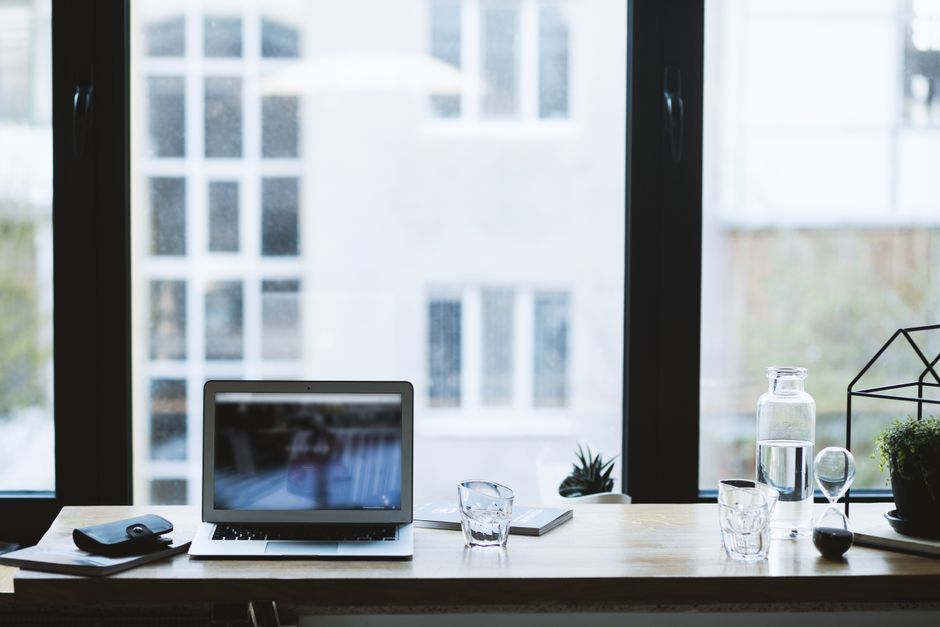
Buying less for the home involves a conscious shift towards intentional consumption, prioritizing quality, utility, and genuine need over impulse and excess. For remote workers, this translates into creating a more functional, less cluttered environment conducive to focus and peace, rather than constant distraction. It means making deliberate choices about every item that enters your living space, considering its long-term value, its impact, and whether it truly serves a purpose or brings joy. This approach helps reduce stress, save money, and contribute to a more sustainable lifestyle, fostering a calmer home ideal for both work and relaxation.
As remote work becomes a foundational part of our lives, the lines between our professional and personal spaces have blurred. This new reality often shines a spotlight on our home environments, revealing how much ‘stuff’ we accumulate and how it impacts our daily productivity and peace of mind. A practical guide to buying less for the home isn’t just about decluttering; it’s about a fundamental shift in how we approach consumption, creating a more harmonious, functional, and intentional living space.
For those of us working from our dining tables in Lisbon, our spare rooms in Toronto, or our dedicated offices in Brussels, our surroundings profoundly influence our focus and well-being. Embracing a philosophy of buying less for the home means cultivating an environment that supports our work and our lives, rather than one that constantly demands our attention or overwhelms our senses. It’s about thoughtful curation, not deprivation, and it leads to a home that truly serves you.
Let’s explore how to make these intentional choices, transforming your living space into a sanctuary of calm and productivity.

Understanding the ‘Why’ Behind Buying Less for the Home
Before diving into specific tactics, it’s crucial to understand the motivations. Why commit to buying less for the home? For many, especially remote workers, it boils down to efficiency, mental clarity, and financial freedom. Less clutter means less to organize, clean, and maintain. Fewer possessions mean fewer distractions. And thoughtfully chosen items often lead to better quality purchases that last longer, saving money in the long run.
The Mental Load of Material Possessions
Think about it: every item you own requires some form of mental energy. Where does it live? Does it need cleaning? Is it still useful? For remote workers, this mental overhead can be particularly taxing when your workspace is also your living space. Reducing this load by adopting a ‘buying less for home’ mindset frees up cognitive resources for more important tasks, like creative problem-solving or deep work.
Financial Freedom and Sustainable Choices
Spending less on unnecessary home items frees up capital for experiences, investments, or simply building a stronger emergency fund. Furthermore, a focus on durability and ethical sourcing when you do buy contributes to a more sustainable lifestyle. Instead of cheap, disposable trends, you’re investing in items designed to last, reducing your environmental footprint. This is a common practice across Europe, where quality and longevity are often prioritized over fleeting trends.
Practical Strategies for Mindful Home Shopping
So, how do you actually implement a strategy of buying less for the home without feeling deprived? It starts with intentionality and a few practical rules of thumb.
Inika Organic Promotes Pure and Natural Beauty Solutions
The ‘One In, One Out’ Rule (or ‘Two Out’)
A classic decluttering strategy, the ‘one in, one out’ rule, is particularly effective when trying to curb new purchases. Before you buy a new kitchen gadget, ask yourself what existing item it will replace. Better yet, try a ‘one in, two out’ approach to actively reduce your current inventory. This forces you to critically evaluate both the new item’s necessity and the existing items’ utility.
Prioritizing Quality and Longevity
Instead of opting for the cheapest option, invest in well-made items that will stand the test of time. A high-quality solid wood desk from a local artisan, even if more expensive upfront, will likely outlast several flat-pack alternatives and offer a better work surface. This principle is widely embraced in places like Scandinavia, known for its durable and timeless design ethos. In North America, brands like Herman Miller or Vitra, though an investment, offer office chairs designed for decades of use.
The ‘Use It or Lose It’ Principle for Existing Items
Before you even think about buying something new, take stock of what you already have. How many mixing bowls do you truly need? Are those dusty art supplies ever going to be used again? If an item hasn’t been used in a year (or six months for clothes), consider letting it go. This creates space and clarity, helping you identify true gaps rather than perceived ones. This mindset is particularly liberating for those living in smaller urban apartments, common in cities like Brussels or Lisbon.
Navigating Specific Home Zones with a ‘Buy Less’ Mindset
Different areas of your home present unique challenges and opportunities for intentional consumption.
The Home Office: Your Productivity Hub
For remote workers, the home office is paramount. When buying less for this crucial space, focus on ergonomics and functionality. A comfortable chair, a good monitor, and proper lighting are non-negotiables. Beyond that, question every decorative item or organizational tool. Does it truly enhance your work, or is it another visual distraction? Consider multi-purpose items, like a credenza that stores files and serves as a printer stand. In a city like Toronto, where real estate is at a premium, efficient use of space is key, often leading to innovative, compact furniture solutions.
The Kitchen: Function Over Gadgets
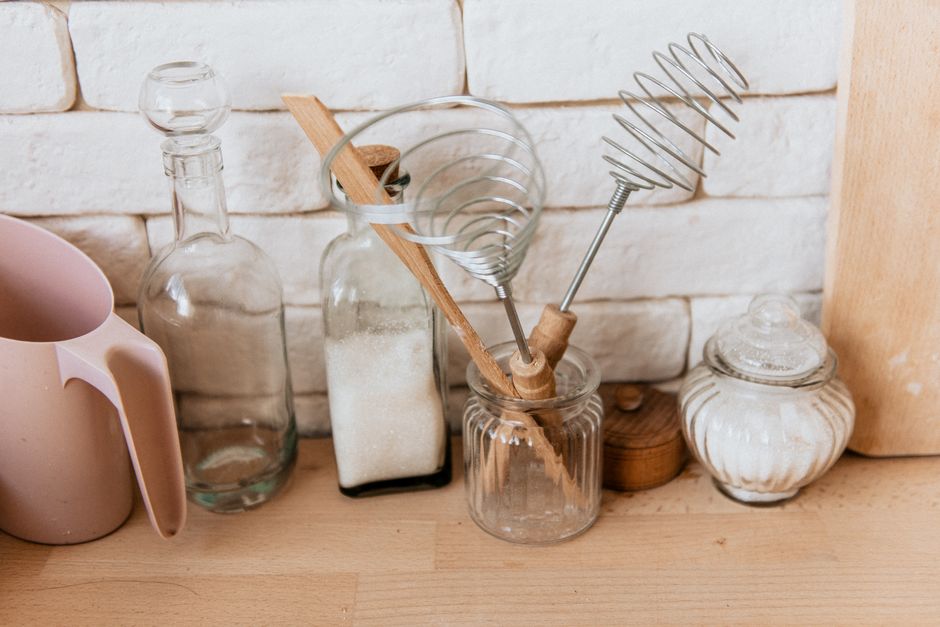
Kitchens are notorious for accumulating single-use gadgets. Embrace a minimalist approach by investing in versatile tools: a good chef’s knife, a sturdy cutting board, and a set of high-quality pots and pans. Do you really need a specialized avocado slicer or an egg separator? Often, simpler, multi-functional items can do the job just as well, if not better. Think about the basics that can create a wide variety of meals, a skill much appreciated in diverse culinary landscapes from South America to Europe.
Living Areas: Comfort and Connection, Not Clutter
For living rooms, buying less for the home means selecting pieces that encourage relaxation and connection. A comfortable sofa, a couple of good lamps, and perhaps a curated selection of books or art. Avoid filling every empty surface with trinkets. Focus on textures and natural materials to create warmth without overwhelming the space. Consider local artisans for unique, durable pieces that tell a story, rather than mass-produced decor.
When You Do Buy: The Intentional Purchase Checklist
Even with a commitment to buying less for the home, you’ll still need to make purchases occasionally. When that time comes, use a checklist to ensure your choices align with your intentional living goals:
Upgrade Everyday Comfort and Convenience With Euhomy
- Do I genuinely need this, or is it an impulse? Give yourself 24-48 hours before making non-essential purchases.
- Can I borrow it, rent it, or buy it used? Consider alternatives to new purchases, especially for rarely used items.
- Does it serve multiple purposes? Multi-functional items are kings in a smaller, intentional home.
- Is it well-made and durable? Prioritize quality that will last, reducing future waste and spending.
- Does it fit my aesthetic and functional needs? Ensure it integrates smoothly into your existing space and truly solves a problem.
- Where will it live? If you can’t immediately identify a dedicated, logical spot for it, reconsider the purchase.
Frequently Asked Questions About Buying Less for the Home
What exactly does “buying less for the home” mean for remote workers?
For remote workers, “buying less for the home” means prioritizing functionality, ergonomics, and mental clarity in your living and working spaces. It’s about choosing high-quality, multi-purpose items that enhance productivity and well-being, rather than accumulating unnecessary clutter that can cause distraction and stress. The goal is a serene, efficient environment.
How can I start buying less for my home if I feel overwhelmed by my current possessions?
Begin by decluttering one small area, like your desk or a single drawer, using the “one in, one out” rule. Focus on visible surfaces first to immediately see a difference. As you clear out, you’ll naturally become more mindful of future purchases, making it easier to adopt a “buying less” mindset going forward.
Will buying less for the home mean my space looks stark or uninviting?
Not at all. Buying less for the home emphasizes quality over quantity. Instead of many small, cheap items, you select a few meaningful, well-made pieces that reflect your style. This approach often results in a more sophisticated, curated, and inviting space, allowing each chosen item to truly shine and contribute to the room’s ambiance.
Are there specific types of items I should focus on reducing when buying less for home?
Common culprits for excess include single-use kitchen gadgets, decorative knick-knacks, seasonal decor, and redundant clothing or linens. For remote workers, also be mindful of office supplies that aren’t regularly used or unnecessary tech accessories. Prioritize items that have clear utility or deep personal significance.
How does buying less for the home benefit my finances?
By making fewer, more intentional purchases, you reduce impulsive spending and the need for constant upgrades. Investing in durable, high-quality items means they last longer, reducing replacement costs. Over time, this frees up significant financial resources that can be saved, invested, or used for experiences rather than material possessions.
What’s the difference between minimalism and buying less for the home?
While related, minimalism is a broader lifestyle philosophy advocating for intentional living with less across all aspects of life. Buying less for the home is a more specific, practical application of this principle focused on material possessions within your living space. You can adopt the practice of buying less for your home without fully embracing a minimalist lifestyle in every area.
Embracing a More Intentional Home Life
A practical guide to buying less for the home isn’t about deprivation; it’s about liberation. It’s about consciously shaping your environment to support your goals, your peace, and your productivity as a remote worker. From the bustling streets of South America to the historical charm of Europe, the desire for a harmonious home is universal. By making thoughtful choices, you create a space that truly serves you, fostering calm, creativity, and focus.
Ready to explore more ways to live thoughtfully and intentionally? Read more thoughtful lifestyle guides on Vie En Mots.