
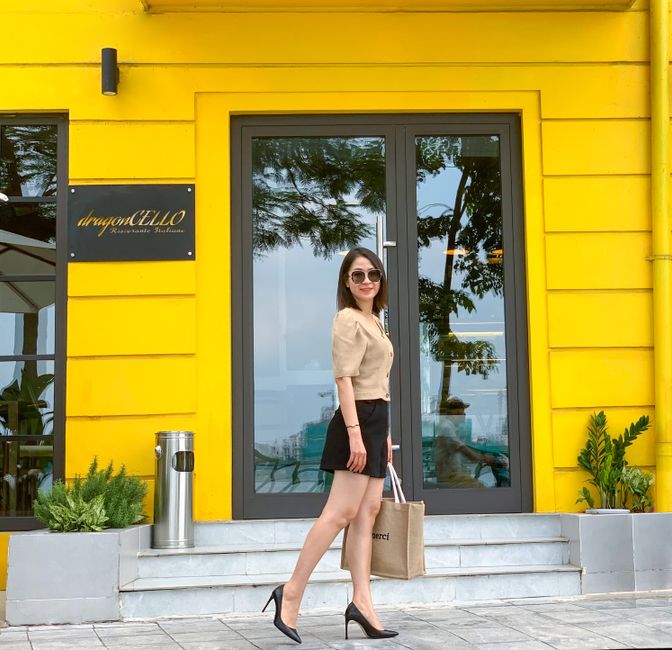
For optimal city dressing in variable weather – encompassing rain, heat, and wind – a strategic mix of natural and technical fabrics is essential. Prioritize merino wool for its temperature-regulating and odor-resistant properties, especially effective in cooler, windier conditions. Breathable linen and cotton blends excel in heat. For rain, consider lightweight, packable technical fabrics like Gore-Tex or DWR-treated synthetics. Layering these ensures adaptability to sudden shifts, common in many urban environments across Europe, North America, and South America, allowing you to remain comfortable and stylish throughout your travels.
Imagine planning a trip that takes you from the humid, often rainy streets of Barcelona in spring, to the breezy avenues of Lyon, and then a crisp, potentially damp day in Brussels. Or perhaps you’re eyeing a multi-city tour through North America, from the scorching summer sidewalks of New York City to a windy afternoon in Toronto. What you wear, and more specifically, what your clothes are made of, can make or break your comfort and confidence.
Choosing the best fabrics for city dressing isn’t just about looking good; it’s about intelligent preparation. It’s about being able to duck into a museum when a sudden shower hits, stroll comfortably through a bustling market on a warm day, and not feel completely exposed when a strong gust of wind whips around a street corner. The right fabrics allow you to adapt, to explore freely, and to truly enjoy the vibrancy of urban life, regardless of what the weather throws at you.
Understanding the Elements: Why Fabric Choice Matters
Each environmental challenge – rain, heat, and wind – demands specific qualities from your clothing. Trying to tackle all three with a single, ill-chosen fabric is a recipe for discomfort. For instance, a heavy cotton t-shirt might feel fine in mild weather but becomes a soggy, slow-drying nightmare in rain and can feel stifling in high heat.
Similarly, a lightweight, breezy linen shirt is perfect for heat but offers little to no protection against a persistent wind or a sudden downpour. The key is to understand the strengths and weaknesses of different materials and, crucially, how to combine them effectively through smart layering and mindful packing. This isn’t about buying a whole new wardrobe; it’s about making informed choices about key pieces.
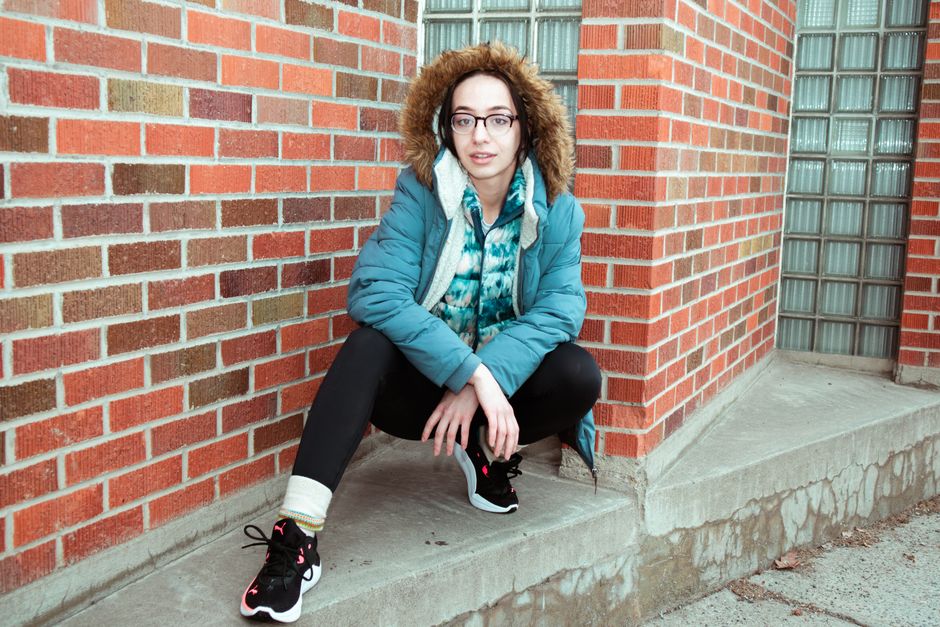
A traveler navigates a bustling European city street, demonstrating stylish and practical layering for variable weather conditions.
The Hero Fabrics for Heat: Stay Cool and Collected
When the sun beats down on cobblestone streets, and the air is thick with the scent of street food and exhaust fumes, breathability is your best friend. In cities like Barcelona, known for its warm, often humid climate, or Buenos Aires during its hot summers, selecting fabrics that allow air to circulate and moisture to evaporate quickly is paramount.
Linen: The Unsung King of Summer
Linen is almost synonymous with summer comfort, and for good reason. Made from flax fibers, it’s incredibly breathable, highly absorbent, and dries faster than cotton. Its naturally slightly crinkled appearance is part of its charm, adding to a relaxed, chic aesthetic that works well in European and South American cityscapes. Think a classic linen button-down from a brand like Uniqlo or a pair of well-tailored linen trousers from J.Crew. Yes, it wrinkles, but that’s part of its character – embrace the lived-in look. It’s fantastic for exploring markets in Marrakech or enduring a subway ride in a North American heatwave.
Lightweight Cotton: A Reliable Classic
While not as quick-drying as linen, lightweight cotton, especially in looser weaves like chambray or poplin, remains a solid choice for heat. It’s soft, readily available, and affordable. Look for thinner weaves and lighter colors to maximize its cooling properties. Brands like Everlane offer excellent quality cotton basics that stand up to city wear. However, be mindful that cotton can absorb a lot of moisture and take a while to dry, making it less ideal for sudden downpours or high-humidity days where sweat won’t evaporate quickly.
Battling the Rain: Staying Dry Without the Bulk
Whether you’re contending with the persistent drizzle of Brussels or an unexpected thunderstorm in Medellín, staying dry is crucial. The challenge is often finding rain protection that doesn’t make you feel like you’re wearing a sauna suit.
Technical Fabrics with DWR or Membranes: Your Waterproof Shield
This is where modern innovation shines. Fabrics treated with a Durable Water Repellent (DWR) finish, or those with waterproof-breathable membranes like Gore-Tex, are invaluable. Brands like Patagonia, Arc’teryx, or The North Face offer stylish, city-appropriate jackets that pack down small. Look for terms like ‘waterproof,’ ‘water-resistant,’ or ‘storm-proof.’ These fabrics are designed to repel water while allowing sweat vapor to escape, preventing that clammy feeling. A lightweight, packable rain jacket is a non-negotiable for any European city break, particularly in places like Lyon where the weather can turn quickly.
Wool (Tightly Woven): Natural Water Resistance
While not fully waterproof, tightly woven wool, especially merino, offers surprising natural water resistance. The fibers naturally shed light rain and absorb moisture without feeling wet against the skin. A wool blend blazer or a dense wool peacoat provides excellent protection against drizzle and wind, and it still looks sharp. Think of a classic trench coat, often made from gabardine (a tightly woven wool or cotton blend), which is perfect for cities with unpredictable weather, like London or San Francisco.
Conquering the Wind: Layering for Comfort
Wind can make a moderately cool day feel bone-chillingly cold, especially in exposed areas like waterfronts or wide boulevards. Think of the strong winds whipping off Lake Michigan in Chicago or along the coasts of Portugal. The key here is not just one fabric, but effective layering of fabrics that block wind and provide insulation.
Merino Wool: The Versatile Insulator
Merino wool is a superstar. Its fine fibers create tiny air pockets that trap warmth, providing excellent insulation. Crucially, it does this without being bulky. It’s also remarkably breathable, temperature-regulating (keeping you warm in cool temps and cool in warm temps), and naturally odor-resistant, meaning you can wear it for days without it needing a wash – a huge plus for travel. A lightweight merino base layer or a fine-gauge merino sweater from brands like Icebreaker or Smartwool is an investment that pays dividends for multi-climate city travel.
Tightly Woven Synthetics and Windbreakers: Your First Line of Defense
For direct wind protection, a dedicated windbreaker made from tightly woven nylon or polyester is invaluable. These fabrics create a barrier that stops wind from penetrating your inner layers. Many technical softshell jackets also offer excellent wind resistance combined with some water repellency and breathability. These are ideal for throwing over a merino layer when facing a brisk wind, such as strolling along the waterfront in Lisbon or exploring the ancient ruins in Rome on a breezy day.
Vans Redefines Streetwear with Timeless Style and Comfort

A person confidently walks through a European city, showcasing a practical yet stylish outfit with technical fabrics for varying weather.
Practical Combinations for Diverse City Climates
Understanding individual fabrics is one thing; combining them effectively is another. This is how readers can truly use the best fabrics for city dressing in real life.
- Hot & Humid with Chance of Rain (e.g., Barcelona, Miami): Start with a breathable linen shirt or light cotton blend top. Carry a very lightweight, packable DWR-treated windbreaker or technical shell. This provides sun protection and rain defense without adding bulk.
- Cool, Breezy & Potentially Damp (e.g., Lyon, Brussels, New York in spring/fall): A merino wool base layer or thin long-sleeve tee, topped with a tightly woven cotton or wool blazer/jacket, and an outer shell like a classic trench or a technical softshell. This allows you to adjust throughout the day.
- Truly Variable (e.g., Patagonian cities, Andean cities like Quito): Layering is absolutely critical. A merino wool base, a mid-layer like a fleece or lightweight down vest, and a waterproof-breathable outer shell (like a Gore-Tex jacket). This combination handles extreme temperature swings and sudden weather changes.
FAQ: Best Fabrics for City Dressing
What are the best fabrics for city dressing in hot climates like Barcelona?
For hot climates, prioritize fabrics that are breathable and allow for excellent air circulation. Linen is superior for its cooling properties and quick-drying nature. Lightweight cotton blends, especially those with looser weaves like chambray, are also good choices, offering comfort and classic style without excessive warmth.
How do I dress for rainy city conditions in places like Brussels or Lyon?
When encountering rain in cities such as Brussels or Lyon, focus on water-resistant or waterproof outer layers. Technical fabrics with DWR finishes or waterproof-breathable membranes like Gore-Tex are ideal. Tightly woven wool, particularly in coats or blazers, offers natural water repellency for lighter drizzles while maintaining a sophisticated look.
What fabrics provide the best protection against wind in urban environments?
To combat wind, particularly in exposed city areas, choose fabrics that act as effective barriers and provide insulation. Merino wool excels as a base or mid-layer, trapping warmth without bulk. For outer protection, tightly woven synthetics like nylon or polyester in a dedicated windbreaker or a softshell jacket will significantly reduce wind chill.
Are natural fibers always better than synthetics for city travel?
Not always. While natural fibers like linen and merino wool offer excellent breathability and comfort, synthetic technical fabrics often surpass them in terms of lightweight packability, waterproofness, and quick-drying capabilities. A balanced wardrobe for city travel often includes a strategic mix of both, leveraging the strengths of each for different weather challenges.
How can I stay stylish while using functional fabrics for city dressing?
Staying stylish while dressing functionally involves choosing well-tailored pieces, classic silhouettes, and neutral color palettes that can be easily mixed and matched. Brands are increasingly designing technical fabrics into fashionable, everyday wear. Focus on clean lines, quality construction, and smart layering to ensure your practical choices also convey an elevated urban aesthetic.
The Smart Traveler’s Wardrobe: A Final Thought
Ultimately, the best fabrics for city dressing in rain, heat, and wind aren’t a secret formula, but rather a thoughtful collection of pieces that work together. It’s about building a versatile wardrobe that allows you to enjoy a sunny morning at the Sagrada Familia, brave a blustery afternoon along the Seine, or navigate a sudden downpour in New York City, all while looking and feeling your best. Invest in quality staples, understand their properties, and you’ll be well-equipped for any urban adventure. Explore more fashion guides and discover how to refine your travel style on Vie En Mots.