

Buying refurbished phones and laptops offers a compelling alternative to new devices, especially for families seeking to manage budgets without sacrificing functionality. This approach typically involves purchasing devices that have been returned, repaired, and restored to a fully functional state by professional technicians. The key advantages are significant cost savings—often 20-50% off retail—and a reduced environmental footprint. Essential considerations include understanding seller reputation, the specifics of the warranty provided, and the grading system for cosmetic condition, all of which directly impact the device’s reliability and your satisfaction.
In an age where every family member, from school-aged children to working parents, relies on personal tech, the cost of keeping everyone equipped can quickly add up. A new smartphone or laptop for each person isn’t just a luxury; for many, it’s a necessity for education, work, and staying connected. But with prices consistently climbing, stretching the family budget to cover the latest gadgets feels increasingly difficult.
This is where the idea of buying refurbished phones and laptops enters the conversation. It’s not just about saving money, though that’s a huge part of it. It’s also about making smart, sustainable choices that still deliver the performance and reliability your family needs without breaking the bank. But how do you navigate this market, full of tempting deals and potential pitfalls?
Our practical guide to buying refurbished phones and laptops is designed to help you make informed decisions. We’ll demystify the process, highlight what truly matters, and give you the confidence to find quality tech that serves your family well, whether you’re in North America, South America, or Europe.
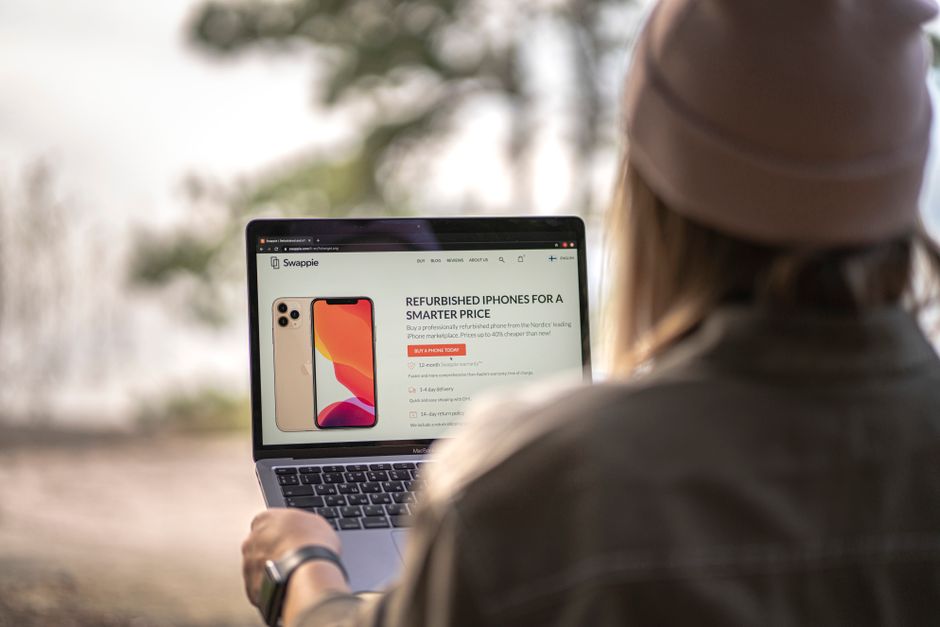
Understanding the Refurbished Market: Quick Overview
Before diving deep, here’s a snapshot of what you should keep in mind when considering refurbished tech:
- Significant Savings: Expect 20-50% off new device prices.
- Environmental Benefits: Extends device lifespan, reduces e-waste.
- Quality Varies: Not all refurbished devices are created equal; check grades and sellers.
- Warranties are Crucial: Always buy from sellers offering at least a 90-day warranty.
- Return Policies Matter: A generous return window provides peace of mind.
- Source Matters: Manufacturer-refurbished is often best, but reputable third-party sellers can be excellent.
- Unlocking Status: Ensure phones are unlocked for any carrier, or for your specific carrier.
- Battery Life: A common concern; inquire about battery health or replacement.
Deciphering ‘Refurbished’: What Does It Actually Mean?
The term ‘refurbished’ can be a bit of a catch-all, and understanding its nuances is the first step in buying refurbished phones and laptops intelligently. It doesn’t mean ‘broken’ or ‘second-hand junk.’ Instead, it usually refers to devices that have been returned for various reasons—sometimes just buyer’s remorse, sometimes a minor fault—and then professionally inspected, repaired (if needed), cleaned, and tested to ensure full functionality.
Types of Refurbishment
There’s a spectrum within the refurbished category:
-
Manufacturer Refurbished: These are typically the gold standard. Devices are sent back to the original manufacturer (think Apple, Samsung, Dell, HP) and are restored using genuine parts by their own technicians. They often come with a warranty comparable to new devices, and sometimes even new accessories. For instance, an Apple Certified Refurbished iPhone comes with a new battery and outer shell, plus a one-year warranty.
-
Seller Refurbished: This category encompasses devices restored by third-party retailers or specialized refurbishing companies. The quality here can vary significantly. Some, like Back Market or Amazon Renewed, have stringent quality controls and provide good warranties. Others, found on smaller marketplaces, might be less rigorous. It’s vital to research the specific seller’s reputation and practices.
-
Open-Box: These are often devices returned almost immediately after purchase, perhaps because the buyer changed their mind or the box was damaged. They’ve usually seen very little or no use and are typically in ‘like new’ condition. While technically not ‘refurbished’ in the sense of repair, they are sold at a discount.
The Warranty and Return Policy: Your Safety Net
When you’re buying refurbished phones and laptops, especially for your family, the warranty and return policy are arguably more important than with new devices. This is your primary protection against receiving a lemon.
Minimum Warranty Expectations
A reputable seller should offer at least a 90-day warranty. Many excellent providers, especially those offering manufacturer-refurbished products, extend this to six months or even a year. For example, some refurbished electronics sold on reputable sites in Europe, like Cdiscount or Fnac, will often carry a 6-month to 1-year warranty, in line with consumer protection expectations in the European Union. In North America, major retailers like Best Buy’s Geek Squad Certified Refurbished program often provide a similar assurance.
Understanding the Return Window
A reasonable return policy is equally vital. Look for at least a 14-day, no-questions-asked return period. This allows you to thoroughly test the device, ensure all features work, and check for any unexpected cosmetic flaws or performance issues. Some sellers offer 30 days, which is even better, providing ample time for real-world use. When buying from an online vendor in Brazil, for instance, consumer protection laws (Código de Defesa do Consumidor) mandate a 7-day ‘direito de arrependimento’ (right of regret) for online purchases, but many reputable sellers go beyond this as good practice.
Cosmetic Condition: What Do Grades Mean?
Refurbished devices often come with a grading system that describes their cosmetic condition. This is where you balance aesthetics with savings. An ‘A’ grade will look almost new, while a ‘C’ might have noticeable scratches and dents, but should be fully functional.
Common Grading Scales
-
Grade A (Excellent/Like New): Minimal to no signs of use. Looks almost indistinguishable from a new device. Expect to pay a bit more for these.
-
Grade B (Good): Light signs of wear, such as minor scratches on the casing or screen (barely visible when on), or small scuffs. This is often a sweet spot for value.
The Practical Guide to Digital Decluttering Before a New Season
-
Grade C (Fair): Noticeable scratches, dents, or scuffs on the casing. The screen might have visible, but non-impacting, blemishes. These are usually the most affordable and can be perfectly fine for kids or if you plan to use a case anyway.
Always check the seller’s specific definition of their grades, as they can vary. A reputable seller will have clear descriptions and ideally, actual photos of the device you’re buying, or at least representative photos.
Where to Buy: Reputable Sellers and Platforms
Choosing the right vendor for buying refurbished phones and laptops is perhaps the most critical decision. Avoid dubious sellers on generic marketplaces if you’re not confident in assessing tech or don’t have strong consumer protections.
Manufacturer’s Refurbished Stores
- Apple Certified Refurbished: Excellent for iPhones, iPads, MacBooks. Comes with new battery/outer shell and a 1-year warranty.
- Dell Outlet, HP Business Outlet, Lenovo Outlet: Great sources for refurbished laptops, often with their standard warranties.
- Samsung Certified Pre-Owned: Increasingly available for their popular Galaxy phones and tablets.
Major Retailers and Specialized Refurbishers
-
Amazon Renewed: A global program offering a wide range of refurbished electronics. Devices come with a 90-day Amazon Renewed Guarantee. Available across North America, Europe, and increasingly in South American markets.
-
Back Market: A popular marketplace specifically for refurbished electronics, operating in many countries including the USA, UK, France, Germany, and Spain. They vet their refurbishers and offer a 1-year warranty and 30-day returns.
-
Best Buy (North America): Their ‘Geek Squad Certified Refurbished’ program provides good quality assurance for a variety of brands.
-
Walmart (North America): Also offers a selection of refurbished electronics from various sellers on its marketplace, with varying return policies.
-
Local Stores in Europe: Check out retailers like CEX (UK, Ireland, Spain, Portugal, Netherlands, India, Australia) or specialized local shops in Germany, France, or Italy that focus on refurbished electronics. They offer physical inspection and local warranty support.
-
Mercado Libre (South America): While a vast marketplace, some official stores and reputable sellers offer refurbished tech here. Always check seller ratings and specific product warranties carefully for regions like Brazil, Argentina, or Mexico.
When considering sellers, always look for independent reviews and check their Better Business Bureau rating in North America, or local consumer protection ratings in Europe or South America.

Pre-Purchase Checks and Post-Delivery Inspection
A little due diligence can save you a lot of hassle when buying refurbished phones and laptops.
Before You Buy
-
Ask About Battery Health: For phones, battery degradation is common. Ask if the battery has been replaced or what its current capacity (as a percentage of new) is. For laptops, inquire about battery cycle counts.
-
Confirm Unlocking Status (Phones): Ensure the phone is factory unlocked or compatible with your specific carrier if you don’t want to be tied to a network.
-
Check for Included Accessories: Does it come with a charger, USB cable, or other peripherals? Often, these are aftermarket, but should be functional.
-
Verify Operating System: Ensure the OS is up-to-date or capable of being updated to a recent version, crucial for security and app compatibility.
Upon Delivery
Once your refurbished device arrives, don’t just admire it. Put it through its paces during the return window:
-
Physical Inspection: Compare with the listed cosmetic grade. Are there any unexpected dents or scratches?
-
Screen Check: Look for dead pixels, discoloration, or touch screen issues. Play a full-screen white image and a full-screen black image to spot flaws.
-
Port Testing: Plug in headphones, USB drives, charging cables, and ensure all ports work correctly.
-
Camera & Microphone: Test both front and rear cameras, record some video, and make a test call to check the microphone and speaker.
-
Connectivity: Test Wi-Fi, Bluetooth, and (for phones) cellular data and calls.
-
Battery Life: Monitor how quickly the battery drains under normal use. Compare against expected performance for the model.
-
Software Cleanliness: Ensure the device has been fully wiped and doesn’t contain any leftover data from a previous owner. Always perform a factory reset yourself before setting up with personal accounts. This ties into crucial security practices like using strong passwords and a good password manager; consider setting up a Google account specifically for a new family device if it’s an Android, or an Apple ID for iOS.
FAQ — Frequently Asked Questions About Refurbished Tech
Are refurbished phones and laptops as reliable as new ones?
Yes, often they are. Reputable refurbishers put devices through rigorous testing and repair processes that can sometimes even exceed factory checks for new devices, especially for manufacturer-certified units. The key is to buy from trusted sellers who offer strong warranties.
What’s the difference between ‘used’ and ‘refurbished’ tech?
‘Used’ typically means a device is sold as-is, with no repairs or guarantees beyond what the private seller offers. ‘Refurbished’ implies the device has been professionally inspected, tested, repaired, cleaned, and restored to a functional state, usually with a warranty from the seller.
Can I get a good refurbished iPhone or Samsung Galaxy?
Absolutely. Apple and Samsung both have strong refurbishment programs (Apple Certified Refurbished, Samsung Certified Pre-Owned). Many excellent third-party refurbishers also specialize in popular models, offering great deals on devices like the iPhone 12 or a Samsung Galaxy S21.
Is buying refurbished better for the environment?
Yes, significantly. Extending the life of electronics by opting for refurbished devices reduces electronic waste (e-waste) and the demand for new manufacturing, which in turn conserves raw materials and energy. It’s a key part of the circular economy.
How do I ensure the refurbished device’s software is safe and up-to-date?
Upon receiving a refurbished device, always perform a factory reset yourself. Then, connect to Wi-Fi and immediately check for and install all available operating system updates. This ensures you have the latest security patches and features. Always use strong, unique passwords, perhaps with a password manager, for all new accounts.
What should I specifically check for on a refurbished laptop?
Beyond cosmetic condition, test the keyboard and trackpad, all USB and video ports, the Wi-Fi card, the webcam and microphone, and especially the battery health (look for cycle count if possible). Run a stress test to ensure the CPU and fan perform adequately without overheating.
Key Takeaways for Buying Refurbished Phones and Laptops
Navigating the refurbished market doesn’t have to be a gamble. By focusing on a few key areas, your family can enjoy significant savings without compromising on quality or peace of mind. Remember, the goal is to find a device that has been properly vetted and comes with adequate protection.
Prioritize the seller’s reputation and their warranty offerings. This is your strongest shield against potential issues. A 90-day warranty and a clear return policy are non-negotiable for smart purchasing. Don’t be shy about asking specific questions about battery health or unlocking status.
Finally, always perform thorough checks once the device arrives. This diligence during the return window ensures that any unforeseen problems can be addressed quickly. With this practical guide to buying refurbished phones and laptops, you’re well-equipped to make intelligent choices that benefit both your wallet and the planet.
Ready for more practical technology insights and guides? Read more practical technology guides on Vie En Mots.