
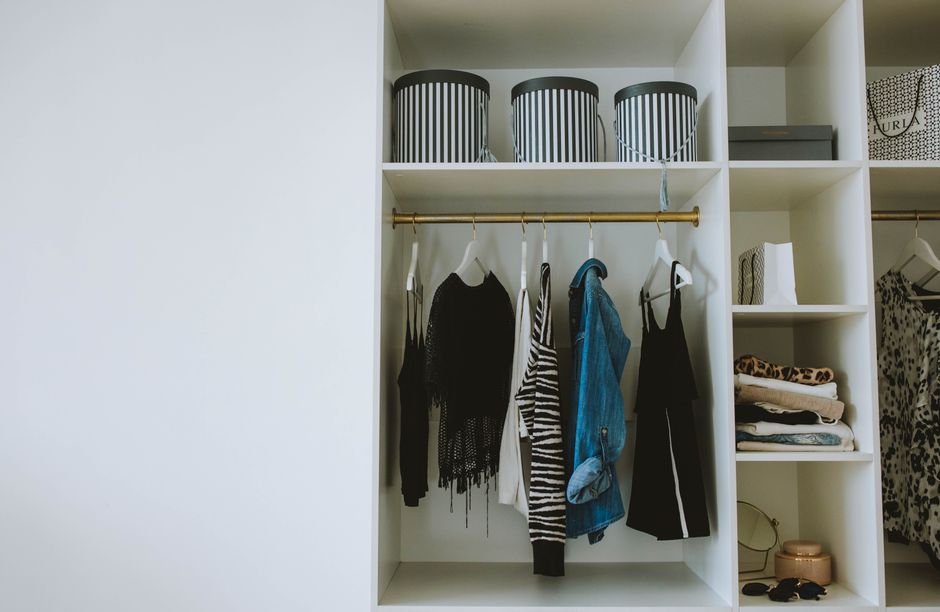
That familiar feeling hits right around the change of seasons: a closet full of clothes, yet nothing to wear. Perhaps you’re staring at last summer’s faded florals as the leaves turn, or wrestling with a heavy wool coat when the first hint of spring air arrives. It’s not just about fashion; it’s about practicality, comfort, and feeling put-together. For many, this seasonal transition means wrestling with a wardrobe that simply doesn’t quite fit the current moment.
It’s a common dilemma, whether you’re navigating the distinct four seasons of North America, the more subtle shifts in parts of Europe, or the inverse calendar of South America. The solution isn’t necessarily buying more. Often, it’s about smarter management of what you already own and a strategic approach to what you might need. That’s where a deliberate, thoughtful process comes in – a method to transform wardrobe chaos into cohesive style.
Understanding the Need for a Seasonal Fashion Reset Checklist
Think of your wardrobe as a curated collection, not just a storage space. Just like you’d maintain your home or your finances, your clothing deserves periodic attention. The Fashion Reset Checklist for a New Season isn’t just about tidiness; it’s about efficiency, personal expression, and managing your budget wisely. Without a system, you might find yourself repeatedly buying similar items, holding onto clothes that no longer fit or suit your lifestyle, or scrambling for an outfit when a new season or event arises.
Consider the varying climates across continents. In Brussels, the transition from chilly winter to mild spring demands layers and versatile pieces. In Barcelona, a scorching summer gives way to a pleasant autumn, requiring a shift from linen to light knits. And in Santiago, Chile, as North America embraces summer, South America prepares for winter, highlighting the global relevance of seasonal wardrobe planning. This checklist provides a framework adaptable to these diverse realities, helping you make informed decisions regardless of your location.
Your Step-by-Step Guide to The Fashion Reset Checklist for a New Season
1. The Full Wardrobe Purge: Be Ruthless (and Realistic)
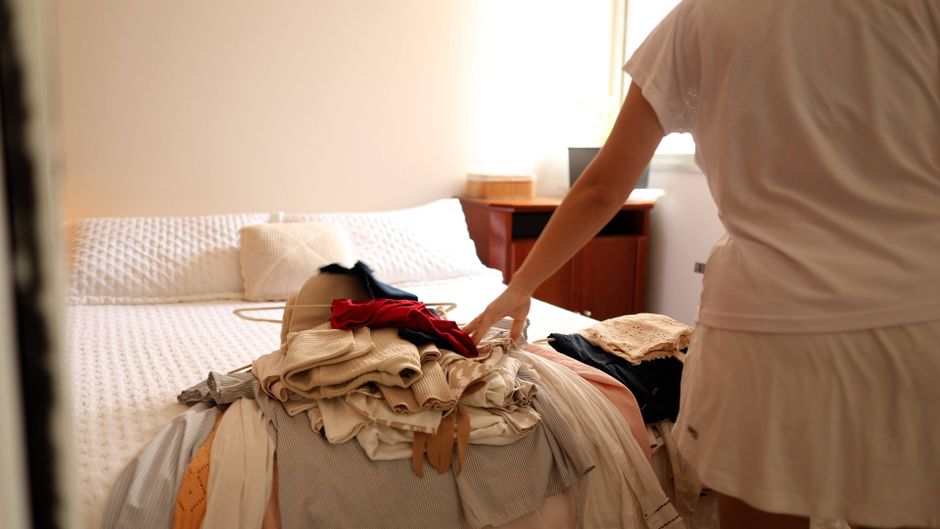
Start by emptying your closet and drawers completely. Yes, everything. This allows you to see the true volume of your clothing. Create three piles: Keep, Donate/Sell, and Repair/Alter. Be honest. Does it fit? Is it flattering? Have you worn it in the last year? If an item no longer sparks joy, as Marie Kondo suggests, or if it’s simply worn out, it’s time to let it go. This initial purge is the foundation of any effective wardrobe reset. For budget-conscious readers, selling gently used items on platforms like Vinted (popular in Europe) or Poshmark (common in North America) can even fund new, purposeful purchases.
2. Assess & Categorize Your ‘Keep’ Pile
Once you have your ‘Keep’ pile, sort these items by category: tops, bottoms, dresses, outerwear, etc. Then, further sort by season. This gives you a clear inventory of what you actually own and what’s appropriate for the upcoming season. Lay everything out, perhaps on your bed or floor. This visual representation helps identify duplicates and gaps. For instance, you might realize you have five similar black t-shirts but no suitable transitional jacket for spring.
3. Define Your Seasonal Style & Needs
Before buying anything new, consider your lifestyle for the upcoming season. Are you returning to the office? Planning a trip to Paris? More casual days at home? What kind of weather is typical? Jot down the essential activities and the corresponding dress codes. This helps you build a practical wardrobe, rather than one dictated solely by fleeting trends. If your upcoming season involves more outdoor activities, prioritize functional pieces; if it’s formal events, focus on occasion wear.
Achieve Everyday Fitness Goals in Style with Fabletics
4. Identify Wardrobe Gaps & Create a Shopping List
Based on your seasonal style and existing inventory, list the specific items you genuinely need. Be highly specific: “dark wash straight-leg jeans” instead of just “jeans.” Prioritize versatile pieces that can be mixed and matched. Focus on quality over quantity, especially for foundational items. This targeted approach prevents impulse buys and ensures every new item earns its place in your closet. This is particularly key for budget-aware consumers; a well-planned purchase is an investment, not a whim.
5. Strategic Storage and Organization
Now, put your ‘Keep’ items back into your wardrobe, organized in a way that makes sense to you. Use hangers for items that wrinkle easily, fold knits to prevent stretching, and consider drawer dividers for smaller items. Store off-season clothes in breathable bags or containers in an attic, under the bed, or on a high shelf. This clears visual clutter and makes daily dressing much easier. In smaller European apartments, maximizing vertical space or using vacuum-seal bags for bulky winter items can be a lifesaver.
6. The Budget-Conscious Approach: Resale & DIY
Embrace sustainable and affordable options. Explore local thrift stores or consignment shops, which often carry high-quality, pre-loved items. Consider clothing swaps with friends. Learn basic mending skills – a missing button or a small tear shouldn’t condemn an item. Upcycling or altering pieces you already own can breathe new life into them. For example, turning an old pair of jeans into shorts or adding embroidery to a plain top. This not only saves money but also injects unique personality into your wardrobe.
Comparing Wardrobe Reset Approaches
There isn’t a one-size-fits-all solution for wardrobe planning, but understanding common strategies can help tailor your Fashion Reset Checklist for a New Season. Here’s a quick comparison:
| Approach | Key Principle | Best For | Pros | Cons |
|---|---|---|---|---|
| Capsule Wardrobe | Minimalist collection of versatile, interchangeable items (typically 30-40 pieces per season). | Those seeking simplicity, easy decision-making, and often frequent travelers. | Reduces clutter, saves time, encourages quality over quantity. | Requires strict discipline, can feel limiting for some fashion enthusiasts. |
| Seasonal Batching | Rotating entire wardrobe contents based on distinct seasons; off-season items are stored away. | People in regions with clear, dramatic seasonal changes (e.g., Eastern North America, Central Europe). | Keeps current wardrobe relevant, frees up closet space. | Requires storage space, can feel like a big project twice a year. |
| The ‘Project 333’ | Wearing only 33 items of clothing, accessories, jewelry, and outerwear for 3 months. | Extreme minimalists, those looking for a challenge to curb consumption. | Drastically reduces consumption, promotes creativity with limited items. | Very restrictive, not practical for all lifestyles or professions. |
| Wardrobe Audit (Our Checklist) | Systematic review, declutter, and strategic planning based on current needs and lifestyle. | Anyone wanting a practical, adaptable, and budget-friendly wardrobe refresh without extreme restrictions. | Flexible, addresses individual needs, promotes mindful consumption. | Requires upfront time and self-discipline to execute thoroughly. |
Each method offers benefits, but our Fashion Reset Checklist for a New Season leans into the Wardrobe Audit approach, offering flexibility and practicality for most people. It’s about building a wardrobe that serves you, rather than strictly adhering to a prescriptive count of items.
Common Mistakes to Avoid During Your Seasonal Fashion Reset
One of the most frequent errors people make is tackling the reset without a clear plan. Diving in headfirst, pulling everything out, and then feeling overwhelmed often leads to items being shoved back in, exactly where they started, sometimes even more disorganized. A proper reset requires dedicated time and a systematic approach, just like any other project. Block out a few hours, put on some music, and commit to seeing it through.
Another pitfall is holding onto items out of sentimentality or guilt. That dress from five years ago that doesn’t fit but holds a memory? Or the expensive blazer you bought but never wear? These items consume valuable space and mental energy. Take a photo if you want to preserve the memory, but free up the physical space. Your wardrobe should reflect your present self and future aspirations, not a past you can no longer fit into.
The Iconic Hub for Classic Skate Shoes and Streetwear Fashion With Vans
Ignoring repairs and alterations is also a significant oversight. A loose hem, a missing button, or pants that are too long can easily be fixed by a local tailor (or yourself!). Many items are discarded prematurely when they could have a second life with minor adjustments. This is especially true for quality pieces that are worth investing a little more in, ensuring they last longer and fit better. In bustling cities like Buenos Aires or even smaller towns in North America, finding an affordable tailor is often easier than you think.
Finally, falling into the trap of impulse buying immediately after a reset undermines all your hard work. You’ve just identified gaps and created a thoughtful shopping list. Stick to it! Resist the urge to buy something just because it’s on sale, especially if it doesn’t align with your needs or your existing wardrobe. Mindful consumption is key to maintaining a functional and stylish closet season after season.
FAQ: The Fashion Reset Checklist for a New Season
What should readers know about seasonal fashion reset checklist?
Readers should understand that a seasonal fashion reset checklist is a systematic process for decluttering, organizing, and optimizing one’s wardrobe for the upcoming season. It’s about creating a functional, stylish, and budget-friendly collection of clothes that genuinely reflects your current lifestyle and the weather patterns, whether you’re in the vibrant streets of Barcelona or the bustling metropolis of New York City.
How often should I do a fashion reset?
Ideally, you should conduct a comprehensive fashion reset at the beginning of each major season (spring, summer, autumn, winter), about four times a year. This ensures your wardrobe remains relevant and functional. For areas with less distinct seasons, a bi-annual reset (every six months) might suffice to keep things fresh and manageable.
What are the first steps in decluttering my closet for a new season?
The first steps involve taking every single item out of your closet and drawers. Then, create three distinct piles: ‘Keep’ for items you love and wear, ‘Donate/Sell’ for items that no longer fit or serve you, and ‘Repair/Alter’ for pieces that need minor fixes to be wearable again. This comprehensive emptying allows for a clear assessment.
How can I make my seasonal wardrobe more sustainable?
To make your seasonal wardrobe more sustainable, focus on buying fewer, higher-quality items, choosing ethically produced brands, and utilizing second-hand options. Repairing and altering clothes instead of discarding them, participating in clothing swaps, and properly donating or reselling unwanted items significantly reduce textile waste. This mindful approach benefits both your wallet and the environment.
What if I live somewhere with year-round warm weather, like parts of South America?
Even with year-round warm weather, a seasonal reset is beneficial. Instead of drastic temperature shifts, focus on evolving trends, personal style changes, and wear-and-tear. You might swap out lighter fabrics for slightly heavier ones during a ‘cooler’ rainy season, or introduce new colors. The principles of decluttering and organizing remain valuable for maintaining a functional wardrobe.
Implementing The Fashion Reset Checklist for a New Season isn’t just about organizing clothes; it’s about cultivating a more thoughtful relationship with your personal style and possessions. It’s an empowering exercise that leads to a more efficient, enjoyable, and sustainable approach to dressing, no matter if you’re navigating the fashion scene in Brussels or planning your next adventure in Rio de Janeiro. For more practical advice on building a wardrobe that works for you, explore more fashion guides on Vie En Mots.