
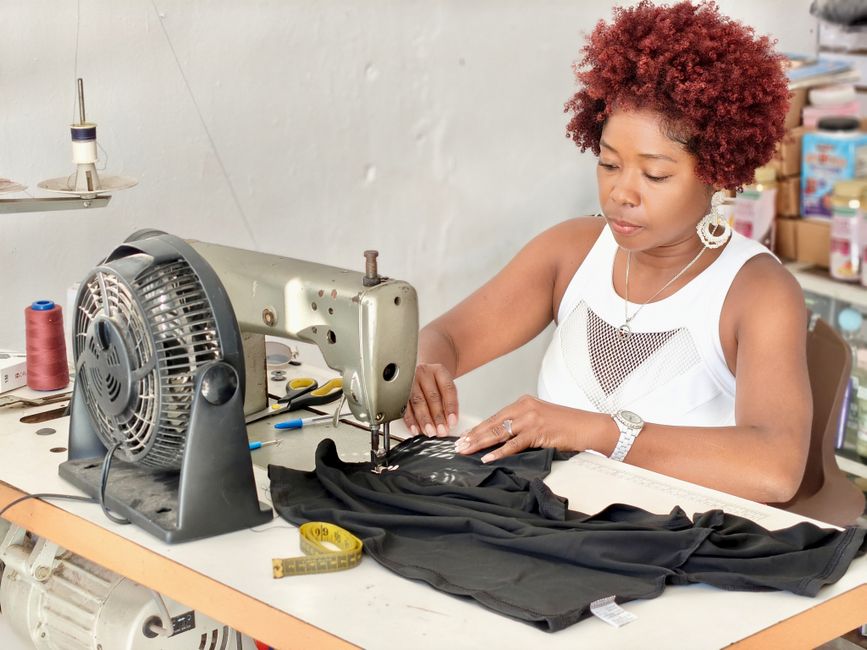
Tailoring basics involve making small, strategic adjustments to off-the-rack clothing, significantly improving its fit and overall appearance. By addressing common fit issues like too-long sleeves, baggy waists, or ill-fitting hems, even inexpensive garments can achieve a custom, high-end look. These simple modifications, often costing less than a new item, ensure clothes drape correctly, flatter your physique, and convey a more polished aesthetic. It’s an accessible way for urban professionals to elevate their style without investing in bespoke tailoring or premium brands, making every outfit appear thoughtfully put together.
Walk down any street in Milan, and you’ll notice a certain precision in how people dress. It’s not always about designer labels; often, it’s about how well the clothes fit. The same applies to the stylish crowds in Paris cafes or the urban professionals navigating Montreal’s downtown. What sets them apart isn’t necessarily a bottomless budget, but an understanding that fit works best. A well-tailored piece, even one from a high-street retailer, can outperform a poorly fitted designer item every single time.
This isn’t just about looking good; it’s about feeling confident and presenting yourself professionally, whether you’re in a boardroom in New York or a creative studio in São Paulo. The good news? You don’t need a huge budget or a personal stylist to achieve this. The foundation lies in mastering some fundamental tailoring basics that make affordable clothes look better – dramatically better, in fact.
Think about it: a crisp white shirt from Zara or H&M, if it fits perfectly across the shoulders and the sleeves are the right length, can easily pass for something much more expensive. Conversely, a designer suit that’s too baggy in the waist or too long in the trousers will always look sloppy. This principle is universal, whether you’re shopping in Europe, North America, or South America. It’s about smart fashion decisions, not just spending more.
The Undeniable Impact of a Good Fit
In a world saturated with fast fashion, it’s easy to get caught up in trends and new arrivals. However, the true timeless pieces in any wardrobe are those that fit well. A garment that drapes correctly on your body doesn’t just look better; it feels better and projects an image of intentionality and attention to detail. This isn’t just a style tip; it’s a practical approach to building a versatile, enduring wardrobe.
Consider the average off-the-rack garment. It’s designed to fit a generalized body type, not yours specifically. This means that for most people, there will always be areas that are too loose, too tight, too long, or too short. These small imperfections accumulate, giving an overall impression of ill-fitting, and by extension, cheaper clothing. A little nipping and tucking, however, can transform these mass-produced items into pieces that appear custom-made. It’s an investment in the longevity and versatility of your wardrobe.
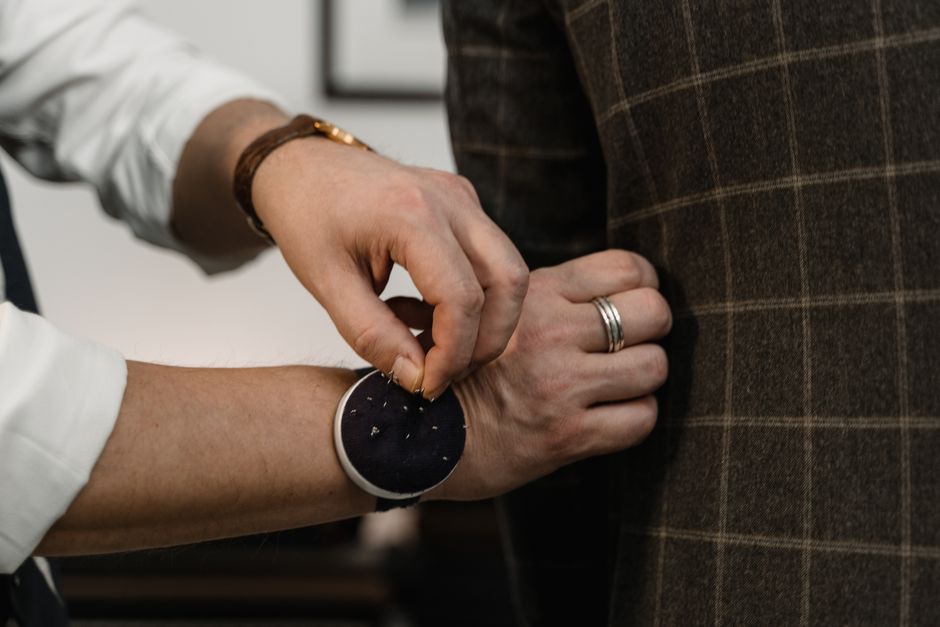
This is particularly true for professionals who need to project competence and polish. A crisp silhouette can make all the difference in how you’re perceived, whether you’re pitching a new idea or attending a formal event. The initial cost of tailoring might seem like an extra expense, but when you consider how much it elevates the appearance and extends the life of a garment, it’s a wise allocation of resources.
Essential Tailoring Basics That Make Affordable Clothes Look Better
Don’t be intimidated by the idea of a tailor. Many alterations are simple and relatively inexpensive. Here are the key adjustments to focus on:
1. Hemming Trousers and Skirts
This is arguably the most common and impactful alteration. Trousers that drag on the ground or skirts that hit at an awkward length instantly cheapen an outfit. For trousers, the ideal hem depends on the style and shoe choice. For professional wear, a slight break (a single fold in the fabric over the shoe) is often preferred. For skirts, aim for a length that flatters your leg line and is appropriate for your professional environment, typically just above or at the knee for a classic look. This small change makes a significant difference in perceived quality.
2. Adjusting Sleeve Length
Another tell-tale sign of ill-fitting clothing is sleeves that are too long or too short. For suit jackets and blazers, the sleeve should end where your wrist bone meets your hand, allowing about half an inch of shirt cuff to show. For shirts, the cuff should hit at the base of your thumb. Getting sleeves shortened or lengthened (if there’s enough fabric) creates a much cleaner, more tailored silhouette. This applies to dresses and coats too; well-fitting sleeves make a garment look far more refined.
3. Taking in the Waist and Sides
Many garments, especially dresses, blouses, and trousers, are cut straight to accommodate a wider range of body types. This often results in excess fabric around the waist or hips, creating a boxy or sloppy appearance. Taking in the waist and sides can create a more flattering, defined silhouette. This alteration is particularly effective for dresses and blouses, giving them a more bespoke feel. For trousers, a well-fitted waist means no gaping at the back, which is both more comfortable and more polished.
4. Tapering Trousers and Sleeves
Beyond length, the width of trousers and sleeves also matters. Tapering trousers below the knee can modernize a look and prevent them from looking baggy or dated. Similarly, tapering sleeves on shirts or blazers can create a sleeker line, making the garment look more custom-fitted. This is a subtle but powerful change, especially for contemporary professional styles that favor a cleaner, less voluminous aesthetic.
5. Adjusting Shoulder Fit
This is a more complex alteration, but crucial for jackets, blazers, and coats. The shoulder seam should sit precisely at the edge of your natural shoulder. If it’s too wide, the garment will look oversized and sloppy; if it’s too narrow, it will pull uncomfortably. While not all tailors will tackle shoulder adjustments due to the complexity, a good fit in the shoulders is foundational for a structured garment. If you’re buying a new jacket, prioritize shoulder fit above all else, as other adjustments are much easier.
6. Replacing Buttons
This isn’t strictly tailoring, but it’s an incredibly effective and often overlooked trick. Many affordable garments come with basic, sometimes cheap-looking, buttons. Swapping these out for higher-quality alternatives – perhaps mother-of-pearl, horn, or a more substantial metal – can instantly improve the perceived value of a coat, blazer, or shirt. It’s a small detail that makes a big impact on the overall finish.
Finding the Right Tailor: What to Look For
When you’re looking for someone to make tailoring affordable clothes, you want skill and reliability. Here’s a quick guide:
| Criteria | Good Tailor | Average Tailor |
|---|---|---|
| Consultation | Offers suggestions, explains options, measures thoroughly. | Asks what you want, measures quickly. |
| Pricing | Clear, itemized pricing. May seem higher but quality justifies. | Vague pricing, may have hidden fees. |
| Turnaround Time | Realistic timelines, communicates delays. | Vague estimates, often misses deadlines. |
| Fabric Handling | Understands different fabrics, uses appropriate techniques. | Standard approach for all fabrics. |
| Reputation | Positive reviews, word-of-mouth recommendations. | Mixed reviews or no strong reputation. |
| Fitting Experience | Pinning is precise, asks about comfort/movement. | Basic pinning, doesn’t check for movement. |

Don’t be afraid to try a new tailor with a less expensive garment first. Pay attention to how they handle the fabric, their communication, and the final result. A good tailor can be a true asset in transforming your wardrobe.
Common Mistakes to Avoid When Tailoring Affordable Clothes
One common pitfall is over-tailoring. While a custom fit is the goal, taking a garment in too much can restrict movement and make it uncomfortable. Always ensure you can move freely and comfortably in the altered piece. For instance, a suit jacket should allow you to raise your arms without the entire back pulling excessively. Your tailor should always check for range of motion during fittings.
Elevate Your Fitness Style with Comfortable Activewear from Fabletics
Another mistake is trying to save money by opting for the cheapest alteration possible, even if it compromises the garment’s integrity or overall aesthetic. Sometimes, a more complex alteration might cost a bit more, but it will yield a far superior result. For example, shortening a lined jacket sleeve from the shoulder (more expensive) looks much better than shortening it from the cuff (cheaper, but can ruin the sleeve proportion).
Ignoring the impact of washing and drying is also a frequent error. If you’re altering a cotton shirt or a pair of jeans, wash and dry them once or twice before tailoring. This accounts for any potential shrinkage, ensuring the alterations remain accurate after future laundering. Your tailor should ideally advise you on this, but it’s a good practice to remember.
Finally, not communicating clearly with your tailor can lead to unsatisfactory results. Be specific about your preferences and don’t hesitate to ask questions during fittings. Bring the shoes you plan to wear with trousers, for example, to ensure the hem is perfect. A good tailor appreciates clear instructions and will guide you to the best outcome.
FAQ: Tailoring Your Wardrobe
What is the most impactful tailoring alteration for a blazer?
For a blazer, adjusting the sleeve length is often the most impactful alteration. Sleeves that are too long make a blazer look sloppy and unprofessional. The ideal length allows about half an inch of your shirt cuff to show when your arms are relaxed. This small change instantly sharpens the silhouette and makes the blazer appear much more expensive and custom-fitted.
Can inexpensive jeans really look designer with tailoring?
Yes, absolutely. Inexpensive jeans can look significantly more expensive with strategic tailoring. Hemming them to the correct length for your chosen footwear, taking in the waist to prevent gaping, and tapering the leg opening can dramatically improve their fit and appearance. These adjustments create a cleaner, more flattering line that rivals designer denim.
How much should I expect to pay for common alterations in major cities like New York or London?
In major cities like New York or London, expect to pay around $15-$30 for a basic hem on trousers or skirts, $20-$40 for sleeve shortening on a shirt, and $30-$60 for taking in the waist or sides of a garment. Blazer sleeve adjustments can range from $40-$80, depending on lining and complexity. Prices vary by tailor and specific location.
Is it worth tailoring a fast-fashion item?
It is often worth tailoring a fast-fashion item if the garment’s fabric quality is decent and you love the style. A well-fitting fast-fashion piece can significantly outperform a poorly fitting expensive one. The small investment in tailoring can extend its lifespan, improve its appearance, and make it a more valuable addition to your wardrobe than its initial price suggests.
What should readers know about tailoring affordable clothes?
Readers should know that tailoring affordable clothes is a smart, accessible way to improve their style without significant expense. It transforms mass-produced garments into pieces that look custom-made, enhancing fit, comfort, and confidence. Small adjustments like hemming, sleeve shortening, and waist alterations make a monumental difference in perceived quality and polish, making every outfit appear more sophisticated.
Understanding and utilizing these tailoring basics that make affordable clothes look better is one of the most powerful tools in building a sophisticated, efficient, and budget-friendly wardrobe. It’s not about spending more; it’s about spending smarter. Explore more fashion guides and tips to refine your personal style on Vie En Mots.