
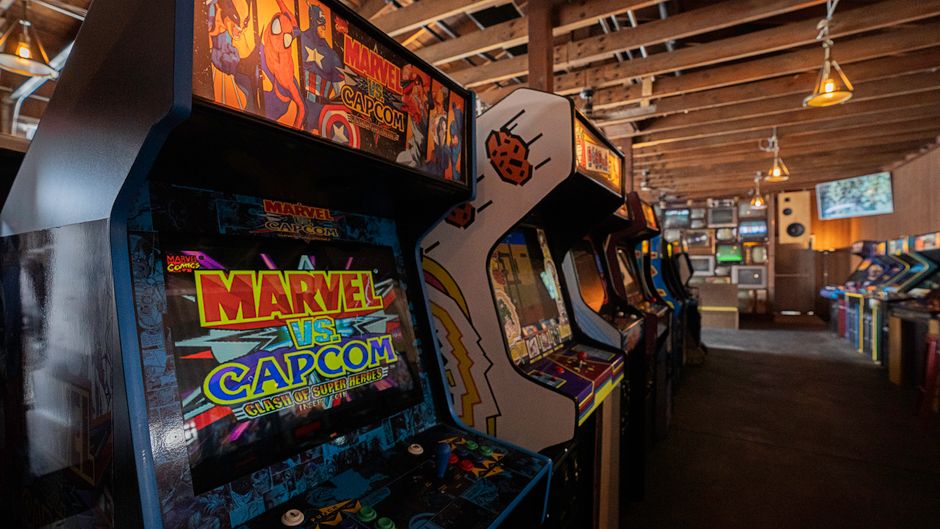
Art direction in games is the overarching visual and aesthetic vision that defines a game’s look and feel, encompassing everything from character design and environmental details to lighting and color palettes. It’s why some game worlds become iconic and stay with players long after the credits roll. A strong art direction elevates a game beyond its mechanics, fostering emotional connections and creating a cohesive, immersive experience that communicates narrative and tone without needing a single line of dialogue. It’s the silent language that makes a world truly unforgettable.
Think about a game world that’s truly stuck with you. Maybe it’s the stark, cel-shaded beauty of The Legend of Zelda: The Wind Waker, or the haunting, ethereal glow of the biomes in Hollow Knight. For some, it might be the vibrant, sun-drenched streets of Marvel’s Spider-Man, capturing the bustling energy of New York City. These aren’t just games with good graphics; they’re games with exceptional art direction in games: why some worlds stay with you. It’s the deliberate choices made by artists and designers that transcend mere technical fidelity and create something truly iconic.
It’s a powerful, often subconscious element that determines whether a game world feels lived-in, fantastical, or utterly unique. A compelling art direction can make a simple platformer feel like an epic journey or turn a quiet puzzle game into a profound experience. It’s the difference between seeing a collection of pixels and truly stepping into another reality.
So, what exactly makes a game’s visual identity so impactful? It’s more than just pretty pictures; it’s a carefully crafted vision that dictates the entire aesthetic experience. It’s the visual soul of a game, defining its atmosphere, mood, and even its narrative through color, shape, and style.
The Silent Storyteller: Defining Art Direction in Games
At its core, art direction is the unified creative vision that shapes every visual element within a game. It’s the strategic decisions behind the color scheme, the architectural style, the texture work, character silhouettes, and even the user interface design. This isn’t just about making things look ‘good’; it’s about making them look ‘right’ for that specific game world and its narrative. For instance, the oppressive, brutalist architecture and muted color palette of Limbo immediately communicate a sense of dread and vulnerability, perfectly aligning with its survival-horror themes.
Conversely, the intricate, hand-drawn aesthetic of a game like Cuphead evokes a specific era of animation, immediately setting a playful yet challenging tone. Good art direction is consistent, communicative, and often evokes an emotional response before any dialogue is spoken or any complex mechanic is introduced. It’s the bedrock upon which truly memorable worlds are built, informing everything from the grand landscapes to the smallest interactable object.
Crafting Memorable Worlds: Principles of Effective Art Direction
Creating visual worlds that resonate long-term requires a thoughtful approach. Here are some key principles that define strong art direction in games: why some worlds stay with you:
1. Cohesion and Consistency
Every element, from character models to environmental props, should feel like it belongs in the same universe. A game where character designs clash with the world’s architecture, or where lighting styles suddenly shift without narrative reason, quickly loses its immersion. Think of Red Dead Redemption 2, where every dust particle, every weathered plank of wood, and every character’s clothing feels meticulously placed within its gritty, turn-of-the-century American West.
Unlocking Your Mind: Puzzle Adventures for Players Who Prefer Thinking Over Reflexes
2. Strong Color Palette and Lighting
Color is a powerful emotional tool. Bright, saturated colors might suggest whimsy or energy (like in Splatoon), while desaturated, monochromatic tones can create a sense of bleakness or mystery (consider Inside). Lighting further enhances this, guiding the player’s eye, establishing mood, and even indicating danger or safety. The way light filters through the canopy in Ori and the Blind Forest, for example, is integral to its magical, enchanting feel.
3. Unique Stylization over Pure Realism
While photorealism is impressive, it often dates quickly as technology advances. Stylized art, however, can be timeless. Games like Ōkami, with its sumi-e ink wash painting style, or Borderlands, with its comic book-esque cel-shaded visuals, prove that a distinctive artistic identity can have incredible longevity. This is especially true for many beloved indie games, where unique styles allow smaller teams to compete with AAA visual fidelity.
4. Environmental Storytelling
The art direction can tell a story without words. Scars on ancient ruins, overgrown abandoned cities, or the remnants of a past battle can communicate history and context. The post-apocalyptic settings in games like The Last of Us use crumbling infrastructure and detailed decay to tell tales of a world changed forever, long before any dialogue is spoken.
5. Evocative Detail and Composition
Careful attention to detail, even in small elements, contributes to a world’s richness. How objects are arranged, the visual weight of different elements, and the framing of vistas all contribute to the overall aesthetic impact. A well-composed scene can draw the player’s eye to a key objective or simply invite them to pause and appreciate the view.
6. Emotional Resonance
Ultimately, the goal is to evoke feeling. Does the world feel oppressive, joyful, mysterious, or melancholic? Every visual choice should contribute to the intended emotional experience. The sheer scale and sense of isolation conveyed by the towering colossi in Shadow of the Colossus are direct results of its art direction, fostering both awe and a sense of profound solitude.
Comparing Approaches: Roblox, Xbox, and Steam
When we talk about art direction, it’s fascinating to see how different platforms and philosophies approach it. The sheer variety shows how versatile and impactful this discipline is.
| Platform/Ecosystem | Art Direction Approach | Impact on Memorable Worlds |
|---|---|---|
| Roblox | User-generated content (UGC) with a distinct blocky, low-poly aesthetic. Developers work within a standardized toolkit, leading to a recognizable, if varied, visual style across millions of experiences. | Memorable for its open-ended creativity and accessibility. While individual games vary wildly, the overarching Roblox aesthetic itself creates a shared visual language, fostering a sense of community and familiarity. Many players connect with specific creations due to their unique, often whimsical interpretations within this style. |
| Xbox (First-Party Studios) | Often leans into high fidelity, realism, and cinematic presentation for flagship titles. Many studios (e.g., Bethesda, 343 Industries) have established visual identities for their key franchises, focusing on detailed environments and character models. Xbox Game Pass fosters diversity across many genres and styles. | Memorable for pushing graphical boundaries and establishing consistent, iconic franchise looks. From the detailed sci-fi landscapes of Halo to the sprawling fantasy of The Elder Scrolls, these games aim for immersive, often grand-scale worlds that leverage powerful hardware to deliver rich visual experiences. |
| Steam (Independent Developers) | Vast diversity, from retro pixel art to intricate hand-drawn styles and experimental abstract visuals. Indie developers often prioritize unique art direction as a distinguishing factor, focusing on creative stylization over raw graphical power. | Memorable for innovation and artistic expression. Indie games on Steam are a goldmine for unique art direction, producing countless memorable worlds like the minimalist horror of Faith: The Unholy Trinity, the striking watercolors of Gris (developed by Nomada Studio in Spain), or the surreal dreamscapes of games developed by studios across North America and South America, proving that artistic vision often trumps budget in creating lasting impressions. |
Common Misconceptions and Mistakes to Avoid
While the concept of art direction seems straightforward, there are several pitfalls that can prevent a game world from truly shining.
A common mistake is mistaking high graphical fidelity for strong art direction. Just because a game has incredibly detailed textures and new shaders doesn’t mean its overall visual identity is cohesive or compelling. Many games chase realism to their detriment, ending up with generic-looking worlds that lack character or a distinct visual voice. A truly memorable game often sacrifices some degree of ‘realism’ for a stronger, more consistent artistic vision.
Games That Feel Like Travel When You Cannot Leave Home
Another pitfall is inconsistency. If a game begins with a whimsical, cartoonish style but then introduces gritty, realistic elements without a clear narrative reason, the player’s immersion is broken. The world begins to feel disjointed, like a collection of ideas rather than a unified vision. Every asset, every character, every environmental piece needs to speak the same visual language.
Over-reliance on popular trends can also lead to forgettable art. While it’s tempting to mimic what’s currently successful, chasing trends often results in derivative visuals that blend into the background. True art direction memorable worlds come from a unique perspective and a willingness to stand out, rather than fit in.
Finally, neglecting the player’s experience in favor of artistic ego can be detrimental. Art direction should serve the game and its players. If visual choices impede readability, cause confusion, or create frustration, then the art, no matter how ‘beautiful’ on its own, is failing its primary purpose within an interactive medium.
FAQ: Art Direction in Games
What is the difference between art style and art direction in games?
Art style refers to the specific aesthetic used (e.g., pixel art, cel-shaded, photorealistic). Art direction is the broader, overarching vision and strategy that dictates *why* that style was chosen, how it’s implemented consistently across all assets, and how it serves the game’s narrative and themes. The art direction ensures the art style is applied effectively and cohesively.
How does art direction impact player immersion?
Strong art direction is crucial for immersion. When all visual elements align with the game’s intended mood, setting, and narrative, players are more easily drawn into the world. Inconsistent visuals or a lack of clear artistic vision can break the spell, reminding the player they are interacting with a designed environment rather than exploring a living world.
Can indie games have better art direction than AAA games?
Absolutely. While AAA games often boast higher graphical fidelity and larger art teams, indie games frequently excel in unique and cohesive art direction due to creative freedom and a focus on distinctive artistic expression. Many highly acclaimed indie titles, like Disco Elysium (developed in Estonia) or Hades, are celebrated specifically for their innovative and impactful art direction, proving budget isn’t the sole determinant.
What makes an art direction memorable for players?
Memorability often comes from a combination of distinctiveness, consistency, and emotional resonance. A unique art style that feels cohesive and consistent throughout the game, paired with visuals that evoke strong feelings or communicate narrative effectively, is more likely to create a lasting impression. Think of the iconic art of BioShock‘s Rapture, an underwater city steeped in Art Deco dread.
How does art direction affect gameplay?
Art direction isn’t just cosmetic; it significantly impacts gameplay. Visual cues guide players, indicate interactable objects, and communicate game states. For example, in competitive games, clear art direction ensures players can quickly distinguish allies from enemies or identify important items. In puzzle games, environmental design often provides subtle hints for solutions, integrating art directly into the gameplay loop.
Ultimately, the power of art direction in games: why some worlds stay with you lies in its ability to transcend polygons and textures, imbuing digital spaces with character, emotion, and unforgettable identity. It’s what makes us recall a specific sunset over a digital plain or the eerie silence of a forgotten corridor years after we’ve put the controller down. For more smart gaming guides and insights into the craft of game development, explore our articles on Vie En Mots.