
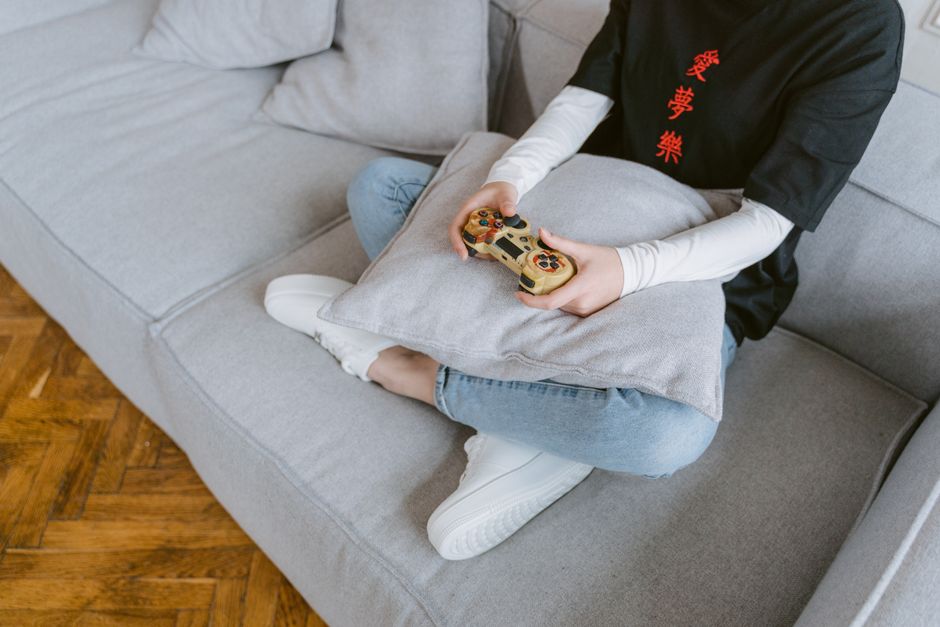
It’s late, you’ve just finished a long day of classes, perhaps a shift at work, and your brain is buzzing. The last thing you need is another demanding task. Yet, the allure of ‘just one more level’ or ‘finish this quest’ often pulls us into games that feel more like a second job than a relaxation tool. We’ve all been there, staring at a screen at 2 AM, wondering how we got sucked into another grind-heavy title.
For many students juggling studies across Europe, North America, or South America, downtime is precious. It’s not about avoiding games entirely, but about making those gaming moments genuinely restorative. The trick isn’t to play less, but to play smarter, choosing experiences that actually calm the mind rather than rev it up further.
This guide is for anyone who wants to reclaim their evenings, trading high-stakes competition and endless resource farming for genuine enjoyment. We’ll explore how to choose calm games for evenings without endless grinding, helping you find that perfect digital escape.
Understanding the Grind: What We’re Trying to Avoid
Before we dive into what to play, let’s define what we’re trying to sidestep. ‘Grinding’ in games typically refers to repetitive, often tedious tasks required to progress. This could be farming for specific items, leveling up characters through endless combat, or completing daily quests that feel more like chores than fun. Think about games like many MMORPGs, or even some battle royale titles like Fortnite, where the pressure to keep up, use skins, or compete at a high level can be immense.
This isn’t to say these games are ‘bad’; they serve a purpose for many players who enjoy the competitive aspect or the sense of accomplishment from overcoming a huge time sink. However, for an evening unwind, they often backfire. Instead of de-stressing, you might find yourself feeling more frustrated or pressured, negating the whole point of relaxing. Our goal is to find games that respect your time and energy, offering satisfaction without demanding an exorbitant investment.
How to Choose Calm Games for Evenings Without Endless Grinding: Essential Tips
Finding the right game for a peaceful evening requires a different mindset than picking a blockbuster action title. Here’s a practical approach:
1. Prioritize Narrative and Exploration Over Combat and Competition
Look for games where the primary goal is to uncover a story, explore a beautiful world, or solve environmental puzzles. These games often encourage a slower pace and reward curiosity rather than quick reflexes. Titles like What Remains of Edith Finch or Firewatch are excellent examples of rich, narrative-focused experiences that don’t demand grinding.
2. Embrace the Cozy Simulation Genre
Farming sims, life sims, and gentle city builders are staples for a reason. Games like Stardew Valley, Animal Crossing: New Horizons, or Cozy Grove offer open-ended gameplay where you set your own pace. You can cultivate a farm, decorate a home, or simply explore a charming island without any external pressure to ‘win’ or grind for better gear. Many of these are available on PlayStation and other major platforms.
How to Build a Game Library Around Mood Instead of Hype
3. Look for Puzzle Games with Flexible Difficulty
Puzzle games can be incredibly relaxing, provided they don’t induce frustration. Seek out titles with a gentle learning curve and no time limits, or those that allow you to skip particularly difficult puzzles. Dorfromantik, with its serene landscape-building puzzle mechanics, is a fantastic option. Another great example is Unpacking, a game about arranging items that’s more meditative than challenging.
4. Check Out Indie Games: A Goldmine for Calm
Indie developers often create unique experiences that prioritize art, story, and atmosphere over traditional gameplay loops. Many of the best ‘calm games’ originate from the indie scene, offering fresh perspectives and avoiding the monetization strategies that often lead to grinding. Platforms like PlayStation’s indie showcase or Steam’s ‘cozy’ tags are excellent places to start browsing.
5. Avoid Competitive Multiplayer Unless It’s Truly Casual
While playing with friends can be fun, competitive multiplayer games like Fortnite, Call of Duty, or even many online board games can easily escalate stress levels. If your goal is relaxation, steer clear unless you’re playing purely for casual interaction with no stakes. A cooperative, non-competitive game with friends might still fit the bill, but be honest about your intentions.
6. Seek Games with Clear Endings or Natural Pauses
Games that have a defined narrative arc and a clear ending allow for a sense of completion without the perpetual feeling that there’s always more to do. Even open-ended games that allow you to save and quit anytime without penalty can work. Think about single-player story games or puzzle collections you can dip in and out of.
7. Read Reviews for ‘Relaxation’ or ‘Low Stress’ Keywords
When researching new games, pay attention to how reviewers describe the gameplay loop. Look for phrases like ‘meditative,’ ‘chill,’ ‘low pressure,’ or ‘perfect for unwinding.’ These keywords are strong indicators that the game aligns with your goal of finding calm games without grinding.
Comparing Calm Gaming Options
Let’s look at some popular options and how they stack up for an evening of calm:
| Game Example | Genre | Grind Factor | Relaxation Potential | Typical Platforms |
|---|---|---|---|---|
| Stardew Valley | Farming Sim/RPG | Low (self-imposed goals) | High (gentle routine, creative freedom) | PC, PlayStation, Switch, Xbox, Mobile |
| Unpacking | Zen Puzzle/Narrative | None | Very High (satisfying organization, simple story) | PC, PlayStation, Switch, Xbox |
| Slime Rancher | Exploration/Collection | Medium (some resource gathering) | Medium-High (charming, low combat) | PC, PlayStation, Switch, Xbox |
| Dorfromantik | Strategy/Puzzle | None | Very High (serene, thoughtful tile-placing) | PC, Switch |
| Spiritfarer | Cozy Management/Adventure | Low-Medium (some resource fetch quests) | High (emotional story, beautiful art) | PC, PlayStation, Switch, Xbox |
| Journey | Art Game/Adventure | None | Very High (meditative, beautiful, short) | PC, PlayStation |

Common Mistakes to Avoid When Choosing Calm Games
Even with good intentions, it’s easy to fall back into old habits or misunderstand what makes a game truly relaxing. A common mistake is conflating ‘casual’ with ‘calm.’ While many calm games are casual, not all casual games are relaxing. A simple mobile game with endless ads or repetitive mini-games, for instance, might be casual but ultimately annoying rather than calming.
How to Keep Multiplayer Nights Fun When Skill Levels Differ
Another pitfall is assuming that a game with ‘beautiful graphics’ will automatically be relaxing. While aesthetics certainly contribute to immersion, a gorgeous open world filled with demanding quests and aggressive enemies isn’t going to help you unwind. Focus on the core mechanics and objectives, not just the visual appeal.
Finally, don’t ignore your own preferences. What one person finds calm, another might find boring or even stressful. Some people find the structure of farming sims incredibly relaxing, while others prefer pure exploration. Be honest about what truly helps you decompress. If a game feels like work after 30 minutes, it’s not the right fit for your evening wind-down, regardless of its ‘calm’ reputation.
FAQ: Finding Your Zen in Gaming
What makes a game ‘calm’ and without ‘grinding’?
A game is considered ‘calm’ when it prioritizes player agency, exploration, and narrative over high-stakes combat or resource management. It’s ‘without grinding’ if progression feels natural and satisfying without requiring repetitive, tedious tasks for advancement. The focus shifts from competition to contemplation.
Are there calm games available on PlayStation?
Absolutely. PlayStation offers a wide array of calm games, particularly within its indie game selection. Titles like Journey, Spiritfarer, Stardew Valley, and Unpacking are all excellent choices available on PlayStation, providing rich, low-stress experiences.
Can I find calm indie games easily?
Yes, indie games are often the best source for calm, grind-free experiences. Many indie developers prioritize unique concepts, artistic expression, and player well-being. Platforms like Steam and the digital storefronts of PlayStation, Switch, and Xbox often feature dedicated sections or tags for ‘cozy,’ ‘relaxing,’ or ‘narrative’ indie titles.
Why should I avoid games like Fortnite if I want to relax?
Games like Fortnite, while popular, are primarily competitive multiplayer titles. They demand quick reflexes, strategic thinking, and constant vigilance, often leading to increased stress and adrenaline rather than relaxation. The pressure to win, earn cosmetics, and keep up with a meta is the antithesis of a calm evening game.
Do calm games have good replay value?
Many calm games offer excellent replay value, especially those in the simulation or puzzle genres. Titles like Stardew Valley or Dorfromantik have open-ended gameplay that allows for countless hours of creative play. Narrative-focused games might have less direct replayability but offer a memorable, impactful experience that resonates long after completion.
Choosing calm games for evenings without endless grinding is about being intentional with your leisure time. It’s about selecting experiences that genuinely replenish your mental energy, allowing you to truly unwind after a demanding day. By focusing on narrative, creativity, and exploration, you can improve your gaming habits into a source of peace and enjoyment. For more smart gaming guides, find them on Vie En Mots.