

To keep delicate clothing pieces wearable longer, focus on gentle handling, appropriate washing methods, and mindful storage. This means reading care labels diligently, opting for handwashing or machine washing on a delicate cycle with cold water and mild detergent, and air-drying whenever possible. Protecting fabrics from harsh chemicals and excessive friction significantly reduces wear and tear, preserving their structure and appearance, whether they’re luxury items from European boutiques or everyday favorites. Establishing these simple clothing care habits will drastically extend your garments’ lifespan.
There’s a particular sting when a beloved silk top starts to lose its luster, or that perfectly structured wool sweater begins to pill after only a few washes. You invested in that piece, perhaps during a memorable trip to Europe, hunting for unique finds in Parisian boutiques, or maybe it’s a treasured souvenir from a artisan market in South America. The disappointment is real, and often, it stems from a simple oversight: not adopting the right clothing care habits.
Many of us are guilty of tossing everything into the washing machine on the same cycle, hoping for the best. But delicate fabrics like silk, cashmere, linen, and even some specialty cottons, demand a more thoughtful approach. They are susceptible to damage from harsh detergents, high heat, and aggressive agitation. The good news is, a little knowledge goes a long way in preserving these items, ensuring they remain a cherished part of your wardrobe for years.
This guide will walk you through practical strategies to maintain your delicate garments, from everyday basics to special occasion wear. We’ll explore the essential clothing care habits that truly make a difference, helping you protect your investments and ensuring your favorite pieces stay looking their best, no matter where your travels take you.
Quick Overview: Foundational Clothing Care Habits for Delicate Items
Before diving deep, here are the cornerstone practices for safeguarding your delicate apparel:
- Read Care Labels: Always check the garment tag first. It’s the manufacturer’s blueprint for longevity.
- Sort Meticulously: Separate items by color, fabric type, and level of dirtiness. Delicates should always be alone or with other very light items.
- Pre-Treat Stains Promptly: Address spills immediately with gentle stain remoremovers before they set.
- Wash Less Frequently: Many delicate items don’t need washing after every wear. Airing them out can often suffice.
- Use Cold Water & Mild Detergents: Cold water prevents shrinking and color bleeding, while mild detergents are kinder to fibers.
- Opt for Handwashing or Delicate Cycles: Manual washing is safest; if using a machine, a mesh bag and delicate setting are crucial.
- Avoid Harsh Chemicals: Skip bleach and strong fabric softeners, especially on natural fibers.
- Air Dry: Heat from dryers is a major culprit for damage to delicate fabrics.
- Store Thoughtfully: Fold knitwear to prevent stretching, and hang silks on padded hangers.
Decoding the Care Label: Your Garment’s Blueprint
Think of the care label as your garment’s personal instruction manual, penned by the experts who designed and manufactured it. Ignoring these tiny symbols is a common mistake that leads to prematurely ruined clothes. From a luxurious cashmere sweater sourced in Milan to durable denim crafted in North America, every piece has specific needs.
Understanding Universal Symbols
While the symbols can seem cryptic at first, they’re universal. A tub with a number indicates the maximum washing temperature; a hand in the tub means hand wash only. A square with a circle is for tumble drying, with dots indicating heat levels. An ‘X’ over any symbol means ‘do not perform this action’. Taking a moment to learn these five to ten core symbols will save you countless garments.
The Practicalities of “Dry Clean Only”
For items labeled “Dry Clean Only,” especially structured wool coats or intricately embellished pieces, respect the instruction. The specific solvents and processes used in professional dry cleaning are designed to clean without damaging delicate fibers or altering the garment’s shape. Trying to wash these at home often results in shrinking, misshaping, or irreversible damage. If you’re traveling, say through Europe, and need a quick refresh for a “dry clean only” item, look for reputable local dry cleaners rather than attempting a DIY solution.
Washing Wisdom: Gentle Techniques for Delicate Fabrics
The actual washing process is where most delicate items face their biggest challenge. Aggressive cycles, hot water, and harsh detergents can quickly degrade fibers, causing pilling, fading, and loss of shape. Whether it’s a sheer silk blouse or a finely knitted merino wool top, mindful washing is non-negotiable.
The Iconic Hub for Classic Skate Shoes and Streetwear Fashion With Vans
Handwashing: The Gold Standard for Ultra-Delicates
For truly delicate items—think lace lingerie, pure silk scarves, or intricate beadwork—handwashing is the safest bet. Fill a clean basin with cool or lukewarm water and add a small amount of mild, pH-neutral detergent like Woolite or The Laundress Delicate Wash. Submerge the garment, gently agitate it for a few minutes, then let it soak for no more than 30 minutes. Rinse thoroughly under cool running water until all soap is gone, avoiding twisting or wringing. This gentle approach prevents stretching and preserves the integrity of the fabric.
Machine Washing Delicates: When Speed is Key
Sometimes, handwashing isn’t practical, especially when you’re on the go. If using a machine, always select the “delicate” or “hand wash” cycle. Use cold water to prevent shrinking and color bleeding. Crucially, place items in a mesh laundry bag. This acts as a protective barrier, preventing snagging, stretching, and excessive friction with other garments or the machine drum. For items like designer jeans from a boutique in Montreal, turn them inside out before placing them in the bag to protect the finish.
Drying Delicates: The Art of Air and Gravity
The dryer is the sworn enemy of most delicate fabrics. High heat can cause irreversible shrinkage, fade colors, and damage elastic fibers. Air drying is almost always the preferred method, though the specific technique varies by fabric type.
Flat Drying for Knits and Structured Items
Heavy knits like cashmere or merino wool sweaters, or items that can easily stretch (think a beautiful linen dress bought in South America), should be dried flat. Lay them on a clean, dry towel on a flat surface, gently reshaping them to their original dimensions. Flipping them occasionally ensures even drying. This method prevents gravity from pulling the fibers down and distorting the garment’s shape.
Hanging to Dry: Best for Silks and Lighter Fabrics
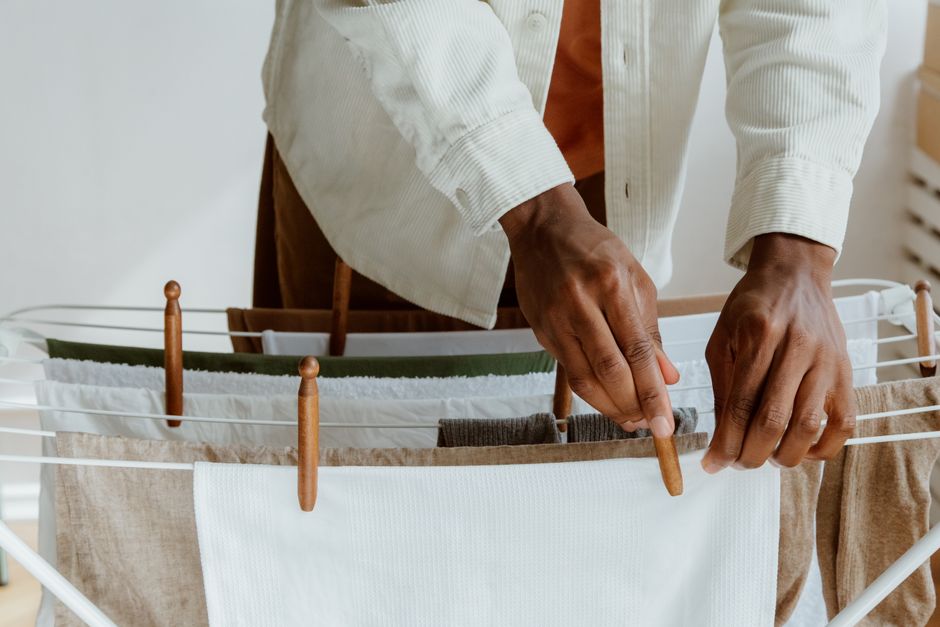
For lighter fabrics like silks, rayons, or delicate blouses, hanging them to air dry is suitable. Use padded hangers for silks to prevent shoulder bumps, and ensure they are out of direct sunlight, which can cause fading. For a garment you picked up in a bustling market in New York, a quick hang in a well-ventilated area can make all the difference.
Storage Solutions: Protecting Your Wardrobe Investments
Proper storage is just as vital as proper washing in maintaining the longevity of your delicate pieces. How you store a garment between wears directly impacts its shape, texture, and overall condition.
Folding vs. Hanging: Knowing the Difference
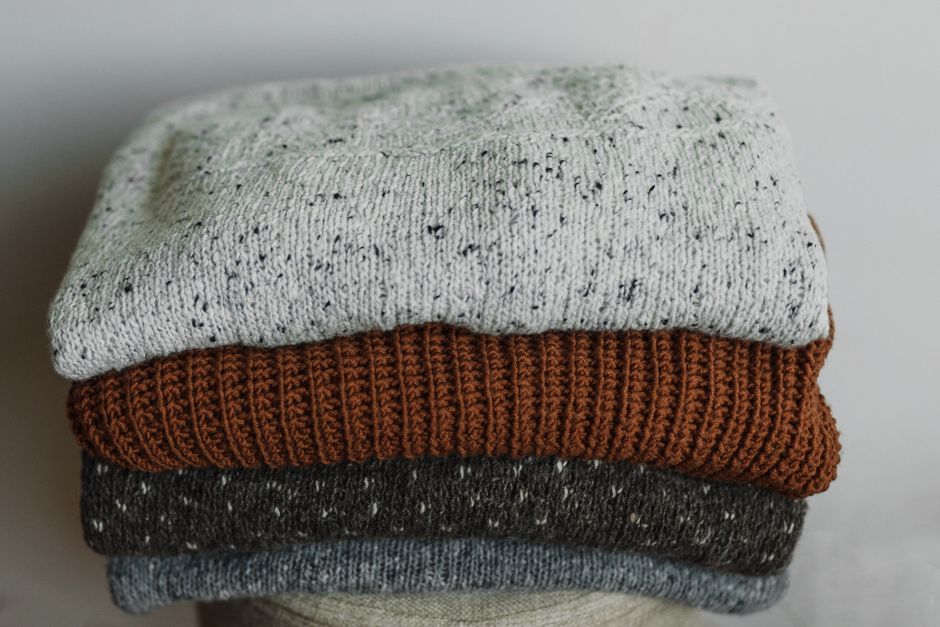
As a general rule, heavy knits (like wool, cashmere, and even some heavy cottons) should be folded. Hanging them can cause stretching and distortion, especially at the shoulders. Conversely, delicate woven fabrics like silk blouses, tailored jackets, or dresses prone to wrinkling are best hung on appropriate hangers. For silk, use padded hangers to prevent snags and shoulder dimples. For tailored pieces, a sturdy wooden hanger that supports the shoulder structure is ideal.
Pest Protection and Environmental Factors
Moths and other pests are drawn to natural fibers like wool and silk. Store these items in breathable garment bags or cedar chests, especially during off-seasons. Cedar blocks or lavender sachets can act as natural repellents. Also, avoid storing clothes in damp basements or attics, as humidity can lead to mildew and fabric degradation. Proper ventilation and consistent temperature are key to preserving your wardrobe’s integrity.
Beyond the Wash: Everyday Habits for Longevity
Caring for delicate pieces extends beyond laundry day. Daily habits can significantly impact how long your favorite items retain their pristine condition.
Vans Redefines Streetwear with Timeless Style and Comfort
Spot Cleaning and Immediate Attention
The moment a spill happens, act quickly. Blot, don’t rub, with a clean cloth. For oil-based stains, a tiny amount of cornstarch or baby powder can absorb excess oil before gently brushing it off. For water-soluble stains, a damp cloth with a tiny drop of mild soap might suffice. Prompt action often prevents stains from setting, saving your garment from a full wash cycle.
Rotation and Resting Your Clothes
Just like your favorite shoes, clothes benefit from resting between wears. Continuous wear can stress fibers, leading to stretching, pilling, and accelerated wear. Rotating your wardrobe allows garments to recover their shape and air out, reducing the need for frequent washing. This is particularly true for items like high-quality denim or fine wools.
FAQ: Common Questions on Clothing Care Delicate Pieces
What are the best detergents for delicate clothing?
For delicate items, opt for pH-neutral, mild detergents specifically formulated for handwashing or delicate cycles. Brands like Woolite, The Laundress Delicate Wash, or Ecover Delicate Laundry Liquid are excellent choices. They are designed to clean effectively without harsh chemicals that can damage fine fibers or strip natural oils.
Can I use a steamer on delicate fabrics like silk and cashmere?
Yes, steamers are generally safe and often preferred for delicate fabrics like silk, cashmere, and wool. They gently relax wrinkles without the direct heat and pressure of an iron, which can scorch or flatten delicate textures. Always hold the steamer a few inches away and test on an inconspicuous area first.
How do I prevent pilling on my wool sweaters?
To prevent pilling on wool sweaters, wash them gently (hand wash or delicate cycle in a mesh bag), avoid excessive friction with other garments or rough surfaces, and air dry them flat. For existing pills, gently remove them with a fabric shaver or a specialized sweater comb, which are much safer than trying to pick them off by hand.
Is it necessary to separate colors when washing delicate items?
Absolutely. Even with cold water, delicate items, especially new ones or those with vibrant dyes, can bleed color. Always wash dark colors, light colors, and whites separately. This prevents dye transfer and keeps your delicate garments looking crisp and vibrant.
How often should I clean my delicate outerwear like wool coats?
Delicate outerwear like wool coats doesn’t need frequent cleaning. Unless visibly stained or soiled, airing them out after wear, brushing off lint, and spot cleaning any small marks often suffice. Plan for one or two professional dry cleans per season, or when stored for extended periods, to maintain their structure and cleanliness.
Key Takeaways: Nurturing Your Prized Garments
Adopting effective clothing care habits that keep delicate pieces wearable longer isn’t just about extending the life of your clothes; it’s about respecting the craftsmanship and materials that make them special. From a high-fashion piece picked up in Milan to a cherished sweater from a boutique in Montreal, every garment deserves a thoughtful approach.
Mindful washing, gentle drying, and intelligent storage are the pillars of longevity. Taking the time to read care labels, choosing the right detergents, and opting for handwashing or delicate machine cycles will prevent premature wear and tear. Remember, heat is often the enemy of delicate fabrics, making air drying a crucial step.
Ultimately, these habits are an investment in your wardrobe, promoting sustainable fashion by reducing consumption and waste. By embracing these simple yet impactful practices, you ensure your favorite pieces remain beautiful and functional, ready for your next adventure or simply another comfortable day at home. For more insights and tips on maintaining your style, explore more fashion guides on Vie En Mots.