

When planning a trip focused on history, art, and local experiences, the first instinct is often to book a hotel right in the thick of things – steps from the Louvre or in the heart of Cartagena’s walled city. That impulse is understandable; proximity to major attractions feels convenient. But convenience often comes with a steep price tag, eating into your budget for amazing meals, unique souvenirs, or even extending your stay.
The good news is that you don’t have to sacrifice cultural immersion for affordability. With a little strategic planning and a willingness to explore slightly beyond the most obvious tourist epicenters, you can absolutely choose hotels near culture without paying center-city prices. It’s about understanding a city’s rhythm, its public transport network, and where its true character often resides.
This approach isn’t about roughing it or staying somewhere inconvenient. It’s about smart travel – leveraging a city’s infrastructure and lesser-known charming areas to maximize your cultural experience and your travel budget. It’s a strategy that works whether you’re eyeing the grand museums of Europe, the vibrant streets of South America, or the historical districts of North America.
Understanding the Cost vs. Convenience Trade-Off in Cultural Travel
Before diving into specific tactics, it’s crucial to acknowledge the fundamental trade-off: central locations, by their very nature, command higher prices. This isn’t just about hotels; it’s about everything from a morning coffee to a quick snack. What you gain in being a few minutes closer to a landmark, you often pay for dearly in every other aspect of your trip. The goal here isn’t to be hours away, but to find that sweet spot – often just one or two metro stops or a 15-minute walk from the main action – where prices drop significantly, but convenience remains high.
Often, the “center” is also the most overtly touristy. Staying a bit further out can actually provide a more authentic cultural experience. You might find yourself among locals in a charming café, discovering a neighborhood market, or stumbling upon a small, independent gallery that isn’t featured in every guidebook. This shift in perspective is key to unlocking more value and richer experiences.
Practical Strategies to Choose Hotels Near Culture Without Paying Center-City Prices
Here’s how to put this philosophy into action for your next culture-rich trip:
1. Master the Public Transportation Map
This is arguably the most critical tip. A city with an efficient and extensive public transit system (metro, tram, bus) is your best friend. For example, in Paris, while the 1st arrondissement (home to the Louvre) is pricey, areas like the 9th, 10th, or even parts of the 11th arrondissement offer excellent metro connections to major cultural sites. A hotel near a bustling station like Gare du Nord or République can put you within 15-20 minutes of most attractions at a fraction of the cost of staying in the Marais or Saint-Germain-des-Prés.
2. Target “Adjacent” or “Up-and-Coming” Neighborhoods
Look for areas immediately bordering the main cultural districts. These neighborhoods often share a similar architectural style or historical feel but haven’t yet been fully priced out by tourism. In Montreal, for instance, Old Montreal is charming but expensive. Consider staying in the Quartier Latin or the Plateau Mont-Royal. Both are vibrant, culturally rich in their own right, and a short walk or metro ride from Old Montreal, the Latin Quarter, and major museums.
3. Leverage Local Insight and Blogs
Forget the big travel sites for neighborhood advice. Search for local blogs, expat forums, or even ask a local contact about “best neighborhoods for X” or “areas locals live near Y.” These sources often highlight charming, safe, and well-connected neighborhoods that haven’t made it into mainstream travel guides as prime tourist spots, giving you a distinct advantage.
Unwind on the Rails: Best Train-Friendly Trips for Travelers Who Avoid Airport Stress
4. Check Proximity to Specific Cultural Venues
If your trip has a specific cultural focus – say, a particular museum, theater, or concert hall – search for hotels within a comfortable walking distance (15-20 minutes) or one or two transit stops from that specific venue, rather than aiming for the absolute city center. For example, if you’re keen on seeing a show at the Théâtre du Châtelet in Paris, looking at hotels around Châtelet-Les Halles or even further east along the Métro Line 1 can save you money.
5. Consider Longer Stays for Better Value
Sometimes, staying a bit further out allows you to afford a longer trip, which in itself offers a deeper cultural dive. Many hotels offer discounts for stays of a week or more. The money saved on a daily rate, coupled with the lower per-night cost of an outer-ring hotel, can significantly extend your cultural exploration.
6. Read Reviews with a Critical Eye on Location
When reading hotel reviews, pay close attention to comments about public transport, walkability, and how guests felt about the neighborhood. “Convenient” means different things to different people. Look for specifics: “only two metro stops from the historical center,” or “a 10-minute walk to the bus stop with direct routes to X.” Avoid reviews that simply say “far from everything” without providing context.
Comparing Accommodation Options by Location
Let’s look at how this strategy plays out in a few distinct cities:
| City | Center-City (High Price, High Tourist) | Smart Budget Zone (Lower Price, High Culture/Convenience) | Cultural Sites Accessible |
|---|---|---|---|
| Paris, France | 1st, 4th, 6th Arrondissements (Louvre, Marais, St-Germain) | 9th, 10th, parts of 11th Arrondissements (Opéra, Canal St-Martin, République) | Louvre, Eiffel Tower, Notre Dame, Opéra Garnier (via Métro Line 9/7/3) |
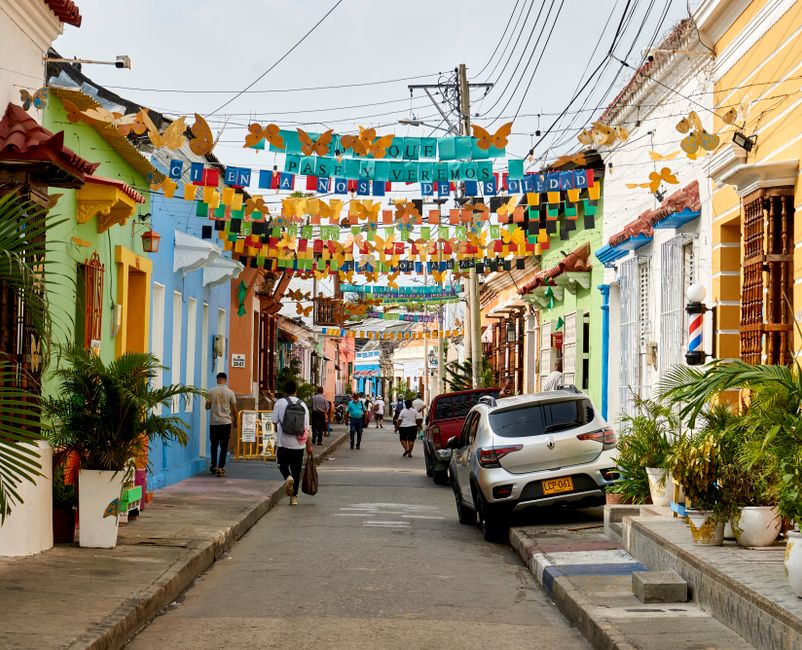
| Cartagena, Colombia | Walled City | Getsemaní, Manga | Walled City historical sites, Castillo San Felipe, local markets, street art (via walk/short taxi) |
| Montreal, Canada | Old Montreal, Downtown (near Bell Centre) | Plateau Mont-Royal, Latin Quarter, Village | Notre-Dame Basilica, Old Port, Museum of Fine Arts, McGill University (via Métro Green/Orange Line) |
As you can see, the alternative neighborhoods aren’t obscure; they are vibrant, interesting areas that often have their own cultural draw and offer excellent connectivity.

Common Mistakes to Avoid When Choosing Hotels for Cultural Trips
While the strategy of staying outside the center is sound, there are pitfalls to avoid:
Ignoring Transportation Costs and Time
A hotel might be cheap, but if it takes an hour and multiple transfers to reach your desired cultural sites, you’re losing valuable exploration time and potentially incurring higher daily transit costs. Always factor in the total cost and time investment. A slightly more expensive hotel that’s a 15-minute metro ride might be better value than a very cheap one that’s a 45-minute bus ride.
Prioritizing Price Over Safety or Comfort
Never compromise on safety. Do thorough research on neighborhoods, check recent reviews, and use street view tools to get a feel for the area, especially if you’re traveling solo or returning late at night. “Up-and-coming” is great, but ensure it’s established enough to feel safe and have basic amenities like cafes and pharmacies.
Embrace the Drizzle: Rainy Weekend Travel Plans That Still Feel Special
Underestimating Walking Distances
Mapping tools can sometimes be misleading. A “15-minute walk” might be uphill or through less-than-charming areas. Always cross-reference with multiple sources and consider your own mobility. If a hotel is just outside a cultural zone, ensure that walk isn’t a significant barrier after a long day of sightseeing.
Booking Without Checking Events/Festivals
Even if you’re avoiding the “center,” check local event calendars. A major festival or sporting event in an adjacent neighborhood could still drive up prices or make local transport unexpectedly crowded. While this is less about the hotel’s location relative to culture and more about general timing, it impacts budget.
Frequently Asked Questions About Choosing Hotels Near Culture
What does “culture-focused” travel mean for hotel choice?
Culture-focused travel implies a priority on experiencing local history, art, traditions, and daily life. For hotel choice, this means looking beyond just famous landmarks to include proximity to museums, galleries, theaters, historical districts, local markets, and neighborhoods with distinct cultural identities, balancing accessibility with an authentic atmosphere.
How can I find out about local public transport before booking?
Most major cities have official public transport websites (e.g., RATP for Paris, STM for Montreal, TransMilenio for Bogotá, though Cartagena relies more on buses/taxis). You can also use Google Maps or Citymapper to simulate routes from potential hotel locations to key cultural sites at different times of day to gauge travel time and complexity.
Is it always cheaper to stay outside the city center?
Generally, yes. Property values and demand are highest in the most central, tourist-heavy districts. Moving even a few blocks or a couple of metro stops away can lead to significant savings. However, always compare specific hotel prices, as a new luxury opening in a less central area might still be expensive, and a budget option in the center could exist.
What amenities should I prioritize if I’m staying further out?
Prioritize amenities that support your cultural exploration and offset the distance: good Wi-Fi for planning, a comfortable bed for recovery, and perhaps a small fridge for snacks. Proximity to a local supermarket or a laundry service can also be a plus. Look for hotels with good security and a helpful front desk for local advice.
How do I balance cultural immersion with safety in new neighborhoods?
Research is key. Read recent reviews for mentions of safety, walkability at night, and overall neighborhood feel. Look up crime statistics if available. In practice, many residential or slightly-off-center areas are perfectly safe and offer a more authentic experience than the sterile tourist core. Trust your gut and use common sense.
Choosing hotels near culture without paying center-city prices is a rewarding strategy that enhances your travel experience and stretches your budget. By focusing on smart transportation, adjacent neighborhoods, and local insights, you can use a deeper, more authentic connection with your destination. It’s about being a thoughtful traveler, not just a tourist.
Plan your next thoughtful trip with Vie En Mots.