
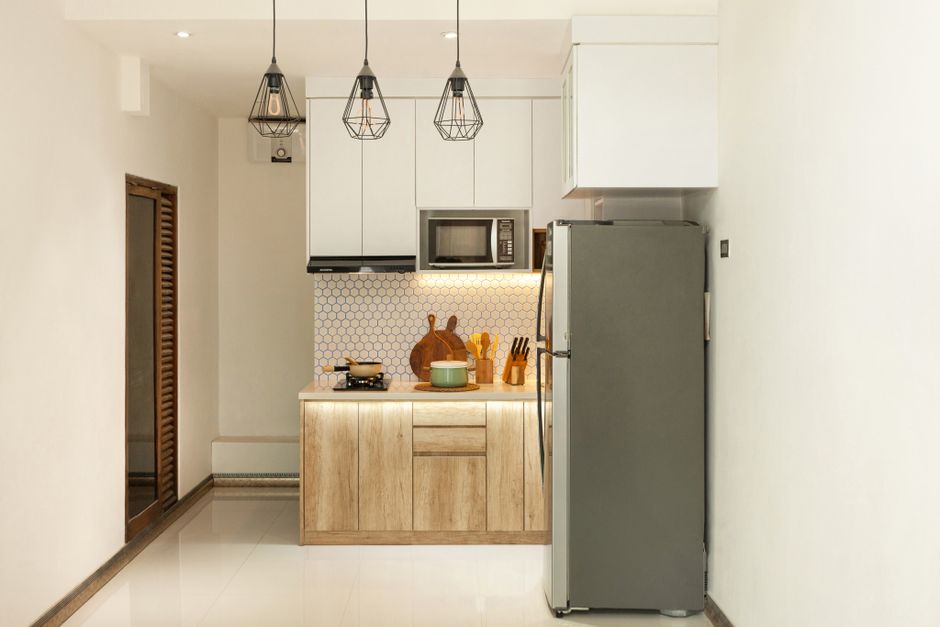
Living in a small apartment or a compact house often means grappling with a tiny kitchen and a handful of basic tools. Maybe you’ve got one working burner, a toaster oven, and a single dull knife that’s seen better days. This common challenge can make healthy cooking feel like an uphill battle, pushing many towards takeout or less nutritious options. The dream of whipping up a gourmet meal can quickly deflate when you realize you barely have counter space for a cutting board, let alone room for multiple pots and pans.
It’s a universal experience, whether you’re in a studio in Paris, a cozy flat in London, or a compact apartment in Buenos Aires. The good news is that these limitations don’t have to dictate your diet. With a bit of ingenuity and a shift in perspective, you can absolutely learn how to eat well in a small kitchen with limited tools, turning your culinary constraints into creative opportunities for healthier, more satisfying meals.
Getting Started: Your Small Kitchen Survival Guide
- Embrace Multi-Functional Tools: Every item should earn its space.
- Simplify Your Ingredients: Focus on whole, versatile foods.
- Master One-Pan/Pot Meals: Minimize cleanup and cooking steps.
- Strategic Storage: Maximize vertical and hidden spaces.
- Prep Ahead: A little Sunday prep goes a long way.
- Seasonal Shopping: Fresher, cheaper, and often more flavorful.
- Ingredient Repurposing: Use components across multiple meals.
Smart Tool Choices for a Compact Space
When every inch of counter and drawer space is precious, you can’t afford single-purpose gadgets. The key to success is investing in quality, multi-functional tools that can handle a variety of tasks. Think like a minimalist chef: what are the absolute essentials?
The Power of a Good Knife and Cutting Board
Forget the 10-piece knife block. A single, sharp 8-inch chef’s knife is your best friend. It can chop, slice, dice, and even smash garlic. Pair this with a sturdy cutting board (bamboo or a good quality plastic one from brands like OXO Good Grips is great) that can double as extra counter space or a serving platter. Keeping your knife sharp with a simple honing steel will make a world of difference.
One Pot Wonders: Dutch Ovens and Cast Iron Skillets
A good quality Dutch oven (like a Le Creuset or Staub, if your budget allows, or a more affordable Lodge) can braise, stew, boil pasta, make soup, and even bake bread. It’s an all-in-one powerhouse. Similarly, a cast iron skillet is incredibly versatile: sear meats, sauté vegetables, bake cornbread, or even fry an egg. These pieces of equipment get better with age and are virtually indestructible, making them perfect for limited tool situations. I often make a hearty lentil stew or a simple chicken and vegetable roast in my Dutch oven.
Essential Gadgets: Scale, Microplane, and Immersion Blender
You don’t need a full-blown food processor. A microplane zester can tackle garlic, ginger, citrus, and hard cheeses. An immersion blender is fantastic for soups, smoothies, and sauces without needing to transfer hot liquids to a bulky blender. And a small digital kitchen scale is invaluable for precise baking or portion control, taking up almost no space.
Maximizing Limited Space with Smart Storage and Layout
Even the tiniest kitchen has untapped potential. The trick is to think vertically and creatively about every nook and cranny. This isn’t just about tidiness; it’s about making your kitchen efficient and enjoyable.
Vertical Solutions and Wall Storage
If you can’t expand outwards, go upwards. Command hooks can hold oven mitts or small utensils. Magnetic knife strips keep knives safely stored and free up drawer space. Consider wall-mounted shelving or pegboards for pots and pans, which are popular in many European kitchens where space is a premium. Even a small wire shelving unit can double your cabinet capacity.
Smart Cabinet and Drawer Organization
Stacking is your friend. Collapsible bowls and measuring cups are brilliant. Pot and pan organizers can turn a chaotic cabinet into an orderly one. Use drawer dividers for utensils. For pantry items, stackable clear containers (like those from IKEA or Sistema) help you see what you have and prevent food waste. I keep my spices in a small, tiered organizer, making them easy to find.
How to Build a Healthier Bread, Cheese, and Salad Lunch: A Balanced Approach
Meal Planning and Grocery Shopping for Efficiency
When you have limited space and tools, spontaneous cooking can quickly become overwhelming. This is where strategic meal planning and smart grocery shopping become absolutely crucial for how to eat well in a small kitchen with limited tools.
Embrace the Mediterranean Diet Philosophy
The Mediterranean diet, celebrated for its health benefits, is actually perfect for small kitchens. It emphasizes fresh vegetables, fruits, whole grains, legumes, nuts, and healthy fats like olive oil, with moderate amounts of fish and poultry. These ingredients are generally easy to store and require minimal complex preparation. Think simple salads, roasted vegetables, and pasta dishes with fresh sauces. For instance, a hearty minestrone soup, packed with seasonal vegetables and beans, can be made in one pot and provide several nutritious meals.
Seasonal Shopping: Fresh, Affordable, and Flavorful
Buying seasonal produce, especially from local markets, is a practical advantage. It’s often cheaper, tastes better, and supports local farmers. For example, in North America, summer brings berries and corn, while autumn offers squash and apples. In South America, say, near Buenos Aires, you’ll find amazing tomatoes and peaches in the summer, and root vegetables like potatoes and sweet potatoes in the cooler months. This approach encourages variety and minimizes the need for exotic ingredients that might sit unused.
The Power of a Pantry Staple List
Maintain a core list of non-perishable pantry staples: canned beans (chickpeas, black beans), lentils, rice, pasta, canned tomatoes, olive oil, vinegar, dried herbs and spices. These form the backbone of countless meals and mean you don’t need to buy everything from scratch every week. Add versatile fresh items like onions, garlic, potatoes, and a few hardy greens like kale or spinach to your weekly shop.
Simple Cooking Techniques for Delicious Results
You don’t need fancy techniques or multiple burners to create fantastic meals. Focus on methods that are efficient, produce great flavor, and keep cleanup minimal.
One-Pan Roasting and Sheet Pan Meals
This is a lifesaver. Toss chopped vegetables (broccoli, bell peppers, carrots, potatoes) with a protein (chicken pieces, sausages, firm tofu) in olive oil and seasonings, then roast on a single sheet pan. It’s hands-off cooking and creates minimal dishes. You can find countless variations online, making it easy to adapt to whatever seasonal produce you have.
Sautéing and Stir-Frying
A good skillet is all you need for quick sautés. Think quick scrambled eggs with spinach, stir-fried vegetables with pre-cooked rice and soy sauce, or pan-seared fish. These methods cook quickly and are great for using up small amounts of leftover vegetables.
Boiling and Steaming
Simple but effective. Boil pasta, grains like quinoa, or hard-boiled eggs for quick protein additions. Steaming vegetables (you can even use a small metal steamer basket in your single pot) preserves nutrients and creates tender, flavorful sides. These basic techniques are the foundation of healthy eating and require very little specialized equipment.
Recipe Ideas: How to Eat Well in a Small Kitchen With Limited Tools
Let’s put it all together with some practical meal ideas that don’t demand a large kitchen or an arsenal of tools. These recipes are designed for maximum flavor and nutrition with minimal fuss.
How to Bring Back the Long Lunch Without Losing the Workday
Breakfast: Overnight Oats or Simple Scrambled Eggs
Overnight oats require no cooking at all—just a jar, oats, milk (dairy or non-dairy), chia seeds, and whatever fruit or nuts you like. For something warm, scrambled eggs with a handful of spinach and a sprinkle of cheese in a small non-stick pan is quick, nutritious, and only uses one pan.
Lunch: Lentil Soup or Loaded Toast
A big batch of lentil soup (using your Dutch oven) can last for several days. It’s packed with protein and fiber. Alternatively, whole-grain toast topped with avocado, a fried egg, or canned tuna and chopped veggies makes a quick, satisfying lunch. In many parts of Europe, a simple open-faced sandwich is a common, healthy lunch.
Dinner: Sheet Pan Chicken and Veggies or Pasta with Pesto
For dinner, the sheet pan meal (chicken thighs, broccoli, sweet potatoes, olive oil, and herbs roasted together) is a winner. Or, boil some whole-wheat pasta and toss it with store-bought or homemade pesto, cherry tomatoes, and some canned cannellini beans for a fast, flavorful, and complete meal. This is a classic simple meal across North America and Europe, easily adapted to local ingredients.
FAQ: Eating Well in Small Kitchens
What are the absolute essential cooking tools for a small kitchen?
For a small kitchen, focus on multi-functional essentials: a sharp chef’s knife, a sturdy cutting board, a versatile cast iron skillet or Dutch oven, a small saucepan, and an immersion blender. These few items cover most cooking needs, from chopping and sautéing to boiling and blending, minimizing clutter and maximizing utility in limited space.
How can I store fresh produce efficiently in a tiny fridge?
Maximize tiny fridge space by using clear, stackable containers. Remove bulky packaging. Store hearty vegetables like carrots and celery in water, and delicate greens in damp paper towels to prolong their freshness. Prioritize seasonal produce, which often takes up less space and needs less specialized storage, reducing waste.
What kind of meals are best suited for minimal cooking equipment?
One-pan/one-pot meals, such as sheet pan dinners (roasted vegetables and protein), hearty soups or stews made in a Dutch oven, and simple pasta dishes, are ideal. Stir-fries, scrambled eggs, and grain bowls also work wonderfully. These minimize the number of dishes and cooking steps, making healthy eating achievable with limited tools.
Is it possible to follow a healthy diet like the Mediterranean diet in a small kitchen?
Absolutely. The Mediterranean diet, with its emphasis on fresh vegetables, fruits, whole grains, legumes, and lean proteins, is perfectly suited for small kitchens. Many dishes, like lentil salads, roasted vegetables, and simple fish preparations, require minimal cooking or specialized equipment, making healthy eating accessible even in compact spaces.
How do I manage food waste when buying groceries for a small kitchen?
To reduce food waste, plan meals carefully before shopping, buy only what you need, and prioritize versatile ingredients that can be used in multiple dishes. Embrace seasonal produce to ensure freshness and longer shelf life. Utilize ingredients fully by turning vegetable scraps into broth or using wilting greens in a quick sauté.
Key Takeaways: Mastering Your Small Kitchen
Learning how to eat well in a small kitchen with limited tools is less about grand culinary gestures and more about smart, consistent habits. It’s about recognizing that simplicity is often the path to both deliciousness and health. By investing wisely in a few multi-functional tools, thinking strategically about storage, and embracing efficient cooking methods, you can improve your small space into a surprisingly effective kitchen.
Remember, the goal isn’t to replicate a professional kitchen, but to create a personal system that works for you. Whether you’re making a vibrant salad with seasonal produce from a market in Buenos Aires or roasting a simple chicken and vegetable dinner in your North American apartment, smart choices and a little planning go a very long way.
Don’t let perceived limitations hold you back from nourishing yourself with wholesome, home-cooked meals. Your small kitchen can be a hub of healthy eating with the right approach. Explore more food and health guides on Vie En Mots to continue your journey toward a healthier lifestyle.