
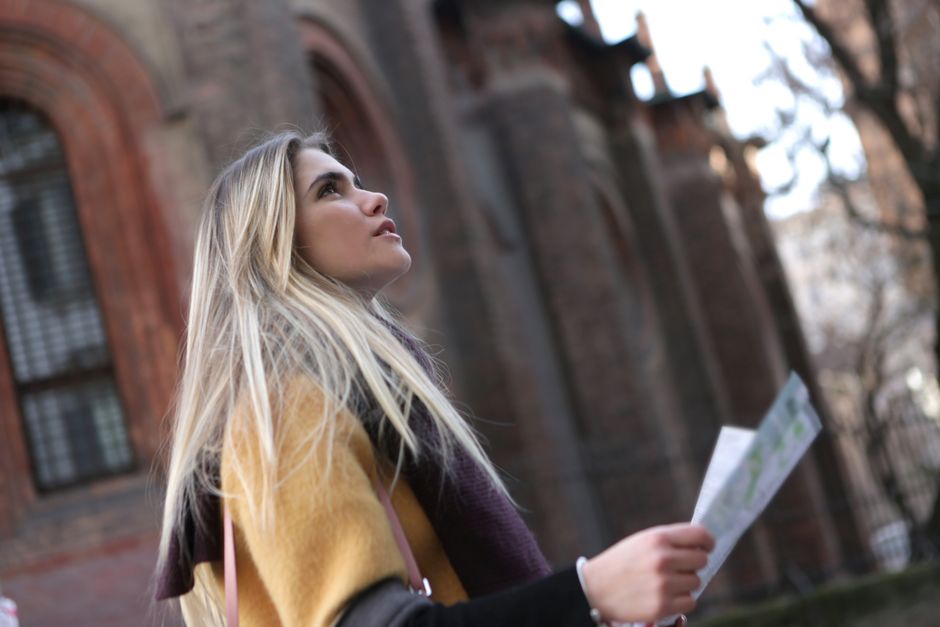
So, the idea of a solo trip has been bubbling in your mind. Maybe you’ve seen friends’ photos from their grand adventures, or perhaps a particular destination has been calling your name, and waiting for someone else just isn’t cutting it anymore. It’s a fantastic impulse, but the jump from dream to reality, especially for a first solo trip, can feel like a chasm. The good news? You absolutely can bridge that gap by learning how to plan a first solo trip around comfort and curiosity.
This isn’t about throwing caution to the wind; it’s about smart, intentional planning that minimizes anxiety and maximizes the joy of discovery. We’re going to break down the practical steps, drawing on real-world examples, so you can confidently book that ticket and set off on an adventure that’s uniquely yours. From picking the right place to navigating unexpected moments, consider this your essential roadmap.
Choosing Your Destination: Balancing Familiarity with Novelty
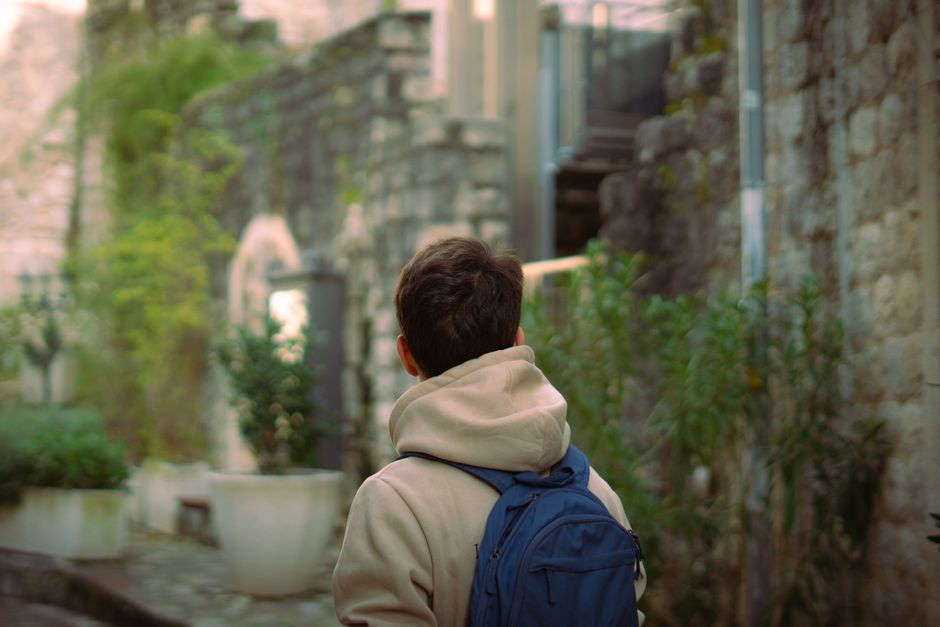
The very first step in how to plan a first solo trip around comfort and curiosity is selecting where you’re going. This isn’t just about throwing a dart at a map. For a solo debut, you want a place that offers enough familiarity to ease potential anxieties, but also enough novelty to spark that sense of adventure. Think about a destination where you feel relatively safe and where communication won’t be a constant struggle.
North America: Gentle Introductions
For many first-time solo travelers, starting closer to home can be incredibly comforting. Places like Quebec City in Canada offer a fantastic blend. It feels distinctly European with its charming cobblestone streets and French architecture, yet it’s incredibly safe and easy to navigate. English is widely spoken in tourist areas, and the public transport is efficient. You can spend your days exploring historic sites like the Plains of Abraham, indulging in poutine, or simply people-watching from a cozy café without feeling overwhelmed.
Europe: Classic Solo Adventures
Europe often features prominently in solo travel fantasies, and for good reason. Cities like Amsterdam, Rome, or Lisbon are well-trodden paths for independent travelers. They have excellent infrastructure, reliable public transportation, and a strong hostel culture, making it easy to meet other solo adventurers if you choose. While a bit further afield, the familiarity of many European cities, particularly Western Europe, provides a great foundation for building confidence.
South America: For the Adventurous Spirit
If your curiosity is pulling you towards a more vibrant cultural immersion, destinations in South America can be incredibly rewarding. Consider Buenos Aires, Argentina. It’s a bustling metropolis with an incredible energy, renowned for its tango, steak, and vibrant nightlife. While it requires a bit more street smarts than Quebec City, its solid tourism industry means there are plenty of guided tours, reputable hostels, and English-speaking resources. It offers a deeper dive into a different culture, challenging you just enough to grow without feeling entirely lost.
Another excellent South American option, especially for those seeking warmth and history, is Cartagena, Colombia. This walled city is incredibly picturesque and generally considered safe for tourists. Its colorful colonial architecture, Caribbean vibe, and delicious food make it an enchanting place to explore independently. You can spend days wandering the Old City, visiting nearby islands, or simply soaking in the atmosphere.
Embrace the Drizzle: Rainy Weekend Travel Plans That Still Feel Special
Safety First: Practical Steps for Peace of Mind
Comfort on a solo trip isn’t just about plush pillows; it’s fundamentally about feeling secure. Knowing how to plan a first solo trip around comfort and curiosity means prioritizing safety without letting fear dictate your experience. This involves a mix of preparation and on-the-ground awareness.
Before You Go: Pre-Trip Safety Measures
- Share Your Itinerary: Give a trusted friend or family member a copy of your flight details, accommodation bookings, and a general outline of your plans. Check in with them periodically.
- Insurance is Non-Negotiable: Travel insurance is your safety net. Make sure it covers medical emergencies, trip cancellations, and lost luggage. Don’t skimp here.
- Digital Copies: Keep digital copies of your passport, visa, and insurance documents in a cloud service (like Google Drive or Dropbox) that you can access from anywhere.
- Local SIM Card: Upon arrival, getting a local SIM card ensures you have data for maps, ride-sharing apps, and emergencies without relying solely on Wi-Fi.
- Research Scams & Local Customs: A quick search for common tourist scams in your destination can save you a lot of hassle. Understand local dress codes or social norms to show respect and blend in.
On the Ground: Situational Awareness
Trust your gut. If a situation or a person feels off, it probably is. Don’t be afraid to walk away, change your plans, or say no. Avoid walking alone at night in poorly lit areas, and always use reputable transportation services, especially after dark. Keep an eye on your belongings in crowded places, and consider using an anti-theft bag if you’re prone to worrying about pickpockets.
Crafting Your Itinerary: Structure with Spontaneity
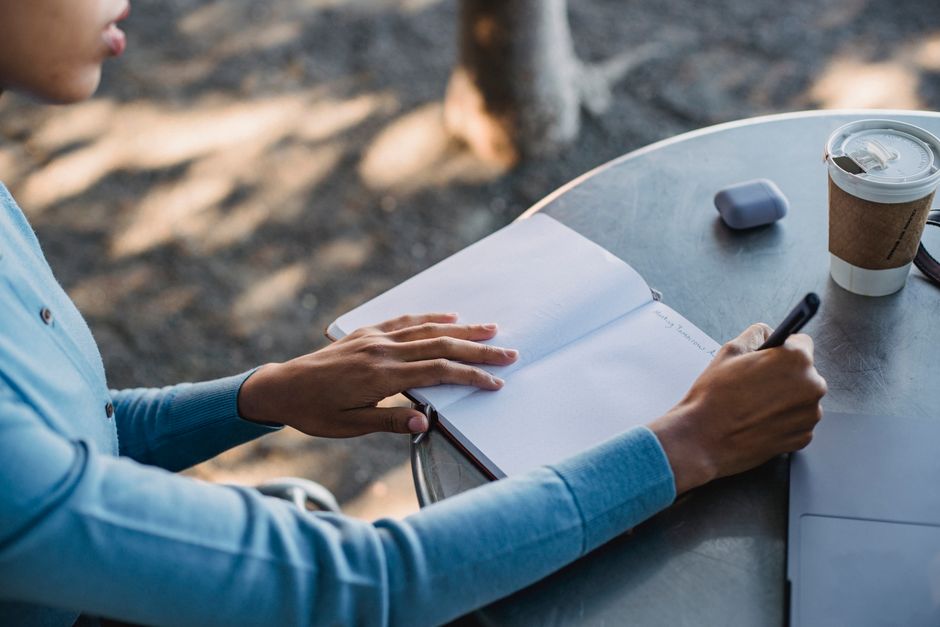
A common mistake first-time solo travelers make is either over-planning every minute or having no plan at all. The sweet spot for how to plan a first solo trip around comfort and curiosity lies in creating a flexible framework. You want enough structure to feel secure, but enough white space to allow for serendipitous discoveries.
Accommodation Choices for Solo Travelers
For comfort and community, consider these options:
- Hostels: Many modern hostels offer private rooms, combining the social aspect with personal space. They’re fantastic for meeting people on tours or in common areas. Look for highly-rated hostels with good security features.
- Boutique Hotels: Often smaller, more personalized, and with staff who can offer local insights, boutique hotels can feel less anonymous than large chains.
- Airbnb/VRBO: While great for authenticity, ensure the host has excellent reviews, especially regarding safety and communication. Verify the neighborhood’s reputation beforehand.
Balancing Activities and Downtime
Fill about 50-60% of your days with planned activities. This might include a walking tour, a museum visit, a cooking class, or a day trip. The rest of the time is for wandering, people-watching, getting lost (in a good way!), and simply soaking in the atmosphere. This balance prevents burnout and allows you to follow your curiosity when something unexpected catches your eye.
Budgeting for Your Solo Adventure: Realistic Expectations
Money matters, especially when you’re funding the entire trip yourself. A clear budget contributes significantly to your comfort level. Think about flights, accommodation, food, transportation, activities, and a buffer for unexpected expenses.
- Flights: Use incognito mode when searching for flights and consider flexible dates to find better deals.
- Accommodation: As mentioned, hostels can save a lot, but even mid-range hotels offer good value in many places.
- Food: Balance eating out with grocery store snacks and self-catering where possible. Explore local markets for cheap, delicious eats.
- Transportation: Public transport passes are often more economical than daily tickets or constant ride-sharing.
- Activities: Prioritize a few key experiences and balance them with free activities like parks, free walking tours, and window shopping.
Always build in a contingency fund – at least 10-15% of your total budget – for emergencies or unexpected delights.
A Practical Guide to Planning One-Base Regional Trips
Embracing the Experience: Cultivating Curiosity and Resilience
The essence of how to plan a first solo trip around comfort and curiosity isn’t just logistics; it’s a mindset. Be open to new experiences, but also be kind to yourself. There will be moments of pure bliss, and moments of slight discomfort or even loneliness. Both are part of the journey.
- Journal: Jot down your thoughts, observations, and feelings. It’s a wonderful way to process your experiences and reflect on your growth.
- Talk to Locals: A simple ‘hello’ or asking for directions can open up unexpected conversations and give you deeper insights into the culture.
- Be Present: Try to put your phone down and really observe your surroundings. Savor your meals, listen to the street sounds, and watch the world go by.
- Problem-Solving: Things will go wrong. A train might be delayed, you might get a little lost. These are opportunities to practice resilience and discover your own resourcefulness.
FAQ: Your First Solo Trip Questions Answered
What are the safest cities for a first solo female trip?
Many cities in Western Europe are excellent choices, such as Reykjavik, Amsterdam, and Copenhagen, known for low crime rates and good infrastructure. In North America, destinations like Vancouver, Canada, or smaller charming cities in the US, like Asheville, North Carolina, also offer a high sense of security and ease of navigation for solo female travelers.
How do I deal with loneliness on a solo trip?
Loneliness can happen, even to seasoned solo travelers. Combat it by staying in social accommodations like hostels (even private rooms), joining free walking tours, taking a cooking class, or using apps like Meetup to find local activities. Remember, it’s okay to have quiet moments; balance them with intentional social interactions.
Should I book everything in advance for my first solo trip?
For your first solo trip, it’s wise to book your initial few nights’ accommodation and major transportation (flights, long-distance trains) in advance to minimize stress upon arrival. Beyond that, a flexible approach works best. Booking some key tours or activities you’re passionate about can be good, but leave room for spontaneous decisions.
What should I pack differently for a solo trip?
Pack light and efficiently. A single carry-on can be a practical advantage as you’ll be solely responsible for your luggage. Include a portable power bank, a universal adapter, a basic first-aid kit, and a small lock for hostel lockers. Consider an anti-theft bag and practical, comfortable shoes for extensive walking.
How much money do I need for a first solo trip?
This varies wildly by destination and travel style. As a rough guide, budget for accommodation (hostel bed to mid-range hotel), three meals a day, local transportation, and one to two activities daily. Always add an extra 10-15% buffer for emergencies or unexpected splurges. Track your spending on a daily basis to stay on track.
How to stay connected with family and friends while traveling solo?
Regular check-ins are important for both your peace of mind and theirs. A quick text or video call every few days can make a huge difference. Consider setting up a shared Google Photos album for easy updates. A local SIM card or an international eSIM plan ensures you always have connectivity for communication.
Ultimately, a first solo trip is an incredible journey of self-discovery, challenging you in the best ways while expanding your understanding of the world. By focusing on how to plan a first solo trip around comfort and curiosity, you’re setting yourself up for an enriching, empowering, and truly unforgettable experience. Don’t let the ‘what ifs’ hold you back; equip yourself with knowledge and go make those memories. Plan your next thoughtful trip with Vie En Mots.