

Literary city breaks for readers who travel slowly are thoughtfully curated trips that prioritize deep engagement with a city’s literary heritage, rather than just ticking off tourist sites. This means spending more time in independent bookshops, visiting author homes and museums, lingering in cafés frequented by writers, and exploring neighborhoods that inspired classic novels. The goal is to experience the atmosphere and intellectual pulse of a place at a relaxed pace, allowing for genuine connection with its stories and culture, fostering a more meaningful and memorable travel experience.
You’ve seen the social media reels: whirlwind tours of iconic landmarks, a new city every day, a checklist of ‘must-sees’ that leaves you more exhausted than enlightened. It’s a common dilemma for passionate readers and thoughtful travelers alike. How do you reconcile the desire to explore new places with the urge to truly feel a destination, to connect with its soul, rather than just its surfaces? The standard tourist itinerary often leaves little room for the quiet contemplation and deep dives that make travel truly enriching, especially if your idea of a perfect afternoon involves a good book and a warm drink.
For readers who travel slowly, the answer lies in a different kind of journey: the literary city break. This isn’t about speed; it’s about depth. It’s about letting a city’s stories unfold around you, tracing the footsteps of beloved authors, and discovering the independent bookshops that are its beating heart. Instead of cramming five museums into one day, you might spend an entire afternoon browsing shelves, then settle into a café to read your new treasure, letting the city’s ambiance seep into your bones. It’s a deliberate choice to engage, to absorb, and to let the narrative of a place resonate with your own.
It’s about understanding that travel isn’t just about seeing things, but about experiencing them, about forging a connection that lasts long after you’ve returned home. This guide will show you how to transform a standard trip into an unforgettable literary adventure.

The Essence of a Literary City Break
- Prioritize Depth Over Breadth: Choose one or two cities and explore them thoroughly.
- Embrace Independent Bookshops: These are your primary navigation points, not just shopping stops.
- Seek Author Haunts: Visit cafés, parks, and homes linked to literary figures.
- Engage with Local Culture: Attend readings, literary festivals, or even just observe daily life from a café.
- Walk, Wander, and Reflect: Allow unplanned exploration and time for personal reflection.
- Carry a Journal: Document your thoughts, observations, and new discoveries.
- Disconnect to Connect: Reduce screen time to fully immerse in your surroundings and reading.
- Learn Basic Phrases: A few local greetings can open doors to authentic interactions.
Crafting Your Narrative: Europe’s Literary Capitals
Europe, with its ancient cities and storied past, is a treasure trove for literary travelers. The continent practically breathes history and literature, offering endless possibilities for readers who travel slowly. It’s a place where every cobbled street seems to whisper tales of writers past.
Paris: The City of Light and Letters
For many, Paris is the quintessential literary pilgrimage. This city has nourished the minds of countless authors, from Ernest Hemingway and F. Scott Fitzgerald to Simone de Beauvoir and Albert Camus. Your slow literary journey might begin on the Left Bank, specifically the Latin Quarter. This historic student district is home to Shakespeare and Company, arguably the most famous independent bookshop in the world. Spend an hour (or three) browsing its labyrinthine shelves, then cross the street to marvel at Notre Dame before finding a quiet spot along the Seine to read your new purchase.
A leisurely morning could involve a coffee at Les Deux Magots or Café de Flore, not just for the excellent espresso, but for the ghosts of literary giants who once debated within their walls. Later, wander through the Luxembourg Gardens, imagining Victor Hugo strolling its paths, or visit the Maison de Balzac for a glimpse into the life of one of France’s greatest novelists. Don’t rush; allow yourself to simply be in these spaces. The beauty of a slow travel approach here is that you’re not just seeing Paris; you’re feeling its literary pulse, one page, one café at a time. Consider a long afternoon exploring the Père Lachaise Cemetery, where you can pay respects to Oscar Wilde, Marcel Proust, and Gertrude Stein – a surprisingly poignant and reflective experience.
Dublin: A Joycean Journey
Another must-visit for readers who travel slowly is Dublin. This is James Joyce’s city, from its grimy streets to its eloquent inhabitants. Begin at the Dublin Writers Museum, then look at the world of Leopold Bloom by tracing his Bloomsday journey. While you might not replicate the entire odyssey, picking a few key spots – like Davy Byrnes pub for a gorgonzola sandwich and a glass of burgundy, or a stroll along Stephen’s Green – offers a tangible connection to Ulysses.
Beyond Joyce, Dublin boasts a rich heritage that includes W.B. Yeats, Samuel Beckett, and Seamus Heaney. Visit Trinity College to see the Book of Kells, an incredible illuminated manuscript, and take in the awe-inspiring Long Room library. The city is full of cozy pubs where literature and conversation flow as freely as Guinness. The Brazen Head, Dublin’s oldest pub, is said to have hosted literary figures for centuries. These are the places where stories are told, discussed, and perhaps even conceived. Allow time for spontaneous conversations with locals – a true Irish literary experience is as much about the spoken word as the written.
A Practical Guide to Planning One-Base Regional Trips
Crossing Continents: North American Literary Havens
North America offers a vibrant, diverse literary landscape, from bustling metropolises to charming small towns, each with its own narrative waiting to be explored by the thoughtful traveler.
Montreal: A Bilingual Bookworm’s Paradise
Nestled in Quebec, Montreal presents a unique literary experience with its rich blend of French and English cultures. This bilingual city has fostered writers like Mordecai Richler, Leonard Cohen, and Michel Tremblay. For readers who travel slowly, Montreal offers a delightful mix of European charm and North American dynamism.
Start your exploration in the Plateau Mont-Royal, Richler’s stomping ground, with its distinctive spiral staircases and tree-lined streets. Browse the shelves of independent bookshops like The Word Bookstore or Librairie Drawn & Quarterly, both cultural institutions. You’ll find a fascinating selection of both French and English titles, reflecting the city’s dual identity. Later, grab a Montréal-style bagel and a coffee and find a bench in Parc La Fontaine, watching life unfold while perhaps rereading a passage from Cohen’s poetry. The Quartier des Spectacles often hosts literary events, so keep an eye out for readings or festivals. The slower pace allows you to appreciate the subtle differences in language, architecture, and daily rhythms that make Montreal so captivating. The city’s many cafés, from bustling to quiet, provide perfect havens for reading and reflection.
New York City: Where Every Street is a Story
While NYC might seem antithetical to slow travel, it actually offers incredible depth for literary city breaks. From the Beat Generation in Greenwich Village to the Harlem Renaissance, the city has shaped countless literary movements. Begin your slow exploration by focusing on specific neighborhoods. Greenwich Village is a must, with the historic Jefferson Market Library and the legendary Strand Bookstore (yes, it’s big, but it’s independent, and you can get lost for hours). Imagine Jack Kerouac and Allen Ginsberg debating at the San Remo Cafe (now gone, but its spirit lingers). Take a walk through Washington Square Park, a frequent setting in Henry James’s work, and observe the eclectic mix of artists, students, and locals.
Uptown, explore Harlem, the heart of a transformative literary and artistic movement. Visit the Langston Hughes House or simply wander the streets, feeling the resonance of Zora Neale Hurston and Claude McKay. A slow traveler here might choose one borough or even one neighborhood for several days, truly sinking into its literary past and present, rather than just zooming from Manhattan to Brooklyn. Discover the smaller, lesser-known bookshops like McNally Jackson or Printed Matter, Inc., which offer unique selections and often host readings. The trade-off is that you won’t see ‘everything,’ but what you do see, you’ll experience deeply.
The Rhythms of Storytelling: South American Literary Journeys
South America, with its vibrant cultures, rich histories, and magical realism, provides a compelling backdrop for literary exploration. The continent’s narrative power is immense, drawing on indigenous traditions, colonial pasts, and modern voices.
Cartagena: Gabo’s Magical Realism by the Caribbean Sea
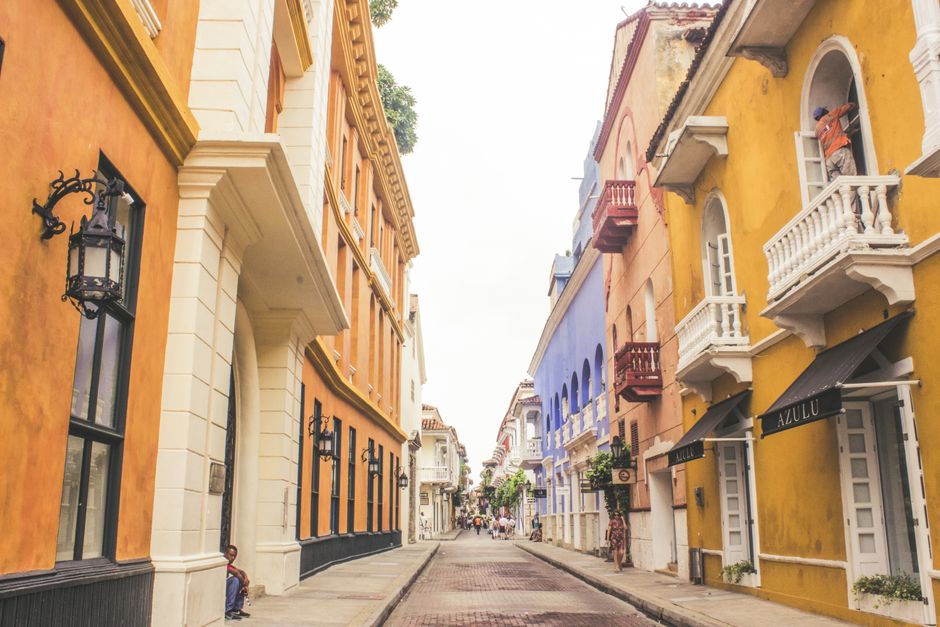
For readers who travel slowly, Cartagena, Colombia, offers an immersive dive into the world of Gabriel García Márquez. Known affectionately as ‘Gabo,’ his spirit saturates this colorful, walled city, which served as a muse for many of his novels, most notably Love in the Time of Cholera. The historic center, a UNESCO World Heritage site, is a labyrinth of brightly painted colonial buildings, bougainvillea-draped balconies, and charming plazas.
The Slow Traveler’s Guide to Marseille, Montreal, and Montevideo: Unhurried Urban Exploration
Forget the rush. Spend your mornings wandering the sun-drenched streets, allowing yourself to get wonderfully lost. You’ll stumble upon places that feel straight out of a Gabo novel: the Plaza de Bolívar, where his characters might have debated, or the elegant Portal de los Dulces, a covered arcade selling traditional sweets. Visit the Casa Museo Rafael Núñez, the former home of a Colombian president and poet, and just imagine the conversations that once took place there. While there isn’t a direct ‘Gabo museum’ in Cartagena, the city itself is his museum. Find a quiet café in Getsemaní, the vibrant bohemian neighborhood, and reread sections of One Hundred Years of Solitude, letting the Caribbean humidity and the sounds of cumbia wash over you. The slow pace allows you to absorb the sensory details – the smells of street food, the vibrant colors, the music – that fueled Gabo’s extraordinary imagination. Engage with local storytellers or street performers; the oral tradition is still very much alive here.
FAQs on Literary City Breaks
What makes a city a ‘literary city’ for slow travel?
A literary city for slow travel is characterized by a strong connection to authors, influential bookshops, active literary events, and an atmosphere conducive to reading and reflection. It’s less about a grand literary landmark and more about the pervasive sense of storytelling woven into the urban fabric.
How can I find independent bookshops in a new city?
Start with a quick online search for ‘independent bookshops [city name]’ or ‘literary walks [city name]’. Websites like Literary Hub often feature guides, and local tourism boards or city guides frequently highlight unique local businesses. Don’t hesitate to ask locals for recommendations once you arrive; they often know the hidden gems.
What’s the best way to plan a literary city break without over-scheduling?
Choose 2-3 key literary interests (e.g., a specific author, a genre, or a cluster of bookshops) and build your itinerary loosely around those. Allocate significant chunks of free time for wandering, reading, and spontaneous discoveries. Think of your itinerary as a suggestion, not a strict schedule, allowing for flexibility and serendipity.
Are literary festivals good for slow travel?
Yes, absolutely. Literary festivals, if approached mindfully, can be excellent for slow travel. Instead of trying to attend every event, pick a few key panels or readings that genuinely interest you. Use the festival as a base to explore the city’s literary scene at your own pace, complementing the scheduled events with independent bookshop visits and reflective walks.
How can I make my literary city break budget-friendly?
Focus on free activities like walking tours of literary neighborhoods, browsing public libraries, visiting authors’ graves in cemeteries, and exploring free museums on specific days. Pack snacks and make use of local markets. Many independent bookshops host free author events. Consider hostels or guesthouses with communal areas for reading.
Key Takeaways for Your Next Thoughtful Journey
Embracing literary city breaks means shifting your perspective on travel. It’s about prioritizing deep engagement over superficial sightseeing, allowing a city’s stories to unfold at a pace that truly resonates with you. Whether you’re losing yourself in the Parisian cafés that inspired literary giants, tracing the footsteps of Joyce in Dublin, soaking in Montreal’s bilingual literary pulse, discovering NYC’s narrative richness, or feeling the magic of Gabo’s Cartagena, the goal remains the same: to foster a more meaningful connection with the world through its words.
This approach isn’t just for dedicated bibliophiles; it’s for anyone seeking a richer, more reflective travel experience. By focusing on independent bookshops, author haunts, and local literary culture, you use a layer of authenticity that conventional tourism often misses. You’re not just a visitor; you become a participant in the ongoing story of the city.
Ultimately, a literary city break is about finding your own rhythm, allowing yourself the luxury of time, and letting the power of storytelling guide your journey. It’s an invitation to slow down, read more, and truly absorb the intellectual and emotional landscape of a place. The rewards are not just memories, but a deeper understanding of both the world and yourself.
Ready to plan your next thoughtful trip and immerse yourself in the world of words? Plan your next thoughtful trip with Vie En Mots and discover destinations that truly speak to the soul.