

Using neighborhood cafes as travel anchors means deliberately choosing a local cafe as a recurring base during your city exploration, allowing you to settle into the rhythm of a specific area rather than just rushing between major sights. This strategy promotes slow travel, offering a practical way to observe daily life, connect with locals, and discover hidden gems often missed by traditional tourism. It’s about finding a sense of belonging and community in an unfamiliar place, transforming your trip from a checklist of attractions into an immersive cultural experience.
Imagine arriving in a new city, dropping your bags, and instead of immediately heading for the most famous landmark, you find a small, bustling cafe a few blocks from your lodging. You order a coffee, maybe a pastry, and simply sit. You watch people walk by, listen to snippets of conversation in a language you might not fully understand, and feel the pulse of the neighborhood. This isn’t just a coffee break; it’s the beginning of a different kind of travel, one where the cafe becomes your quiet, daily observatory.
This approach isn’t about ignoring the big attractions entirely, but about re-prioritizing your experience. It’s about grounding yourself in the everyday, finding that subtle rhythm that truly defines a place. By centering your exploration around a chosen local spot, you shift from being a fleeting visitor to someone who briefly, if gently, inhabits a community. This is the essence of using neighborhood cafes as travel anchors: a better way to explore cities.
It fosters a deeper connection, revealing layers of culture and daily life that often remain invisible to those who only scratch the surface. It’s practical, accessible, and profoundly rewarding, offering a blueprint for more mindful and memorable journeys.
Why Neighborhood Cafes improve your City Exploration
For many travelers, the allure of a new city lies in its iconic sights, the museums, monuments, and well-trodden paths. While these certainly hold value, focusing solely on them can often create a disjointed experience, moving from one curated attraction to the next without much opportunity to absorb the intervening spaces. This is where the concept of neighborhood cafes as travel anchors truly shines. A cafe, particularly a local, independent one, serves as more than just a place for caffeine; it’s a vital community hub.
Think about it: cafes are often places where people start their day, meet friends, work, read, or simply pause. They reflect the local pace and preferences. By intentionally making a cafe your daily touchstone, even for just an hour, you gain a unique vantage point. You’re not just passing through; you’re observing, listening, and becoming a temporary part of the local fabric. This allows for a more organic discovery process, where serendipitous encounters and authentic observations replace rigid itineraries. It encourages a slower pace, fostering an appreciation for the subtle nuances of local life that are often missed in the rush to see everything on a list.
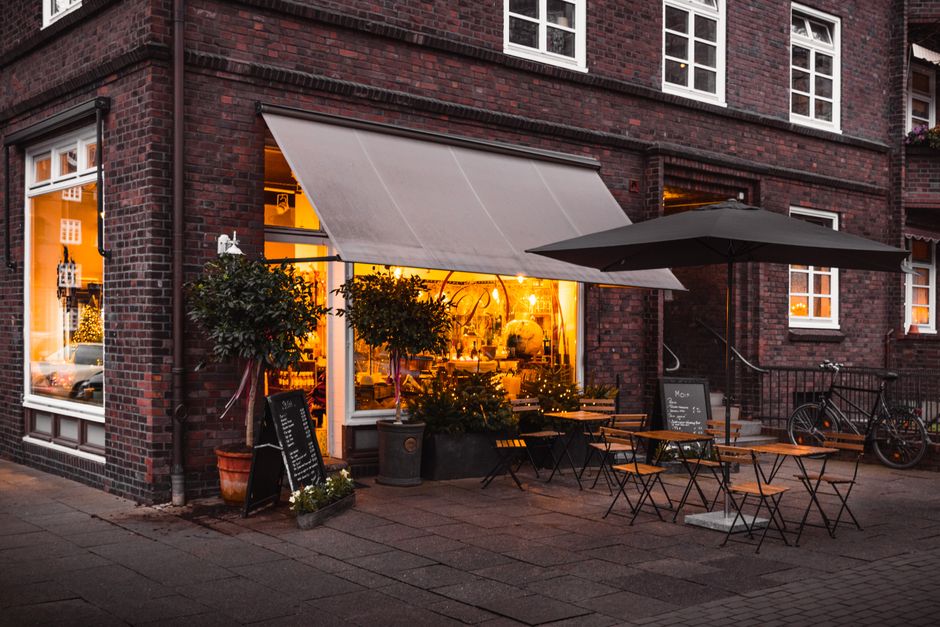
Practical Steps for Neighborhood Cafe Travel Planning
Adopting neighborhood cafe travel planning isn’t complicated, but it does require a slight shift in mindset from traditional tourism. Here are some actionable tips to integrate this rewarding approach into your next trip:
1. Research Localities, Not Just Landmarks
Before you even book your flight, look beyond the main tourist zones. Use Google Maps, local blogs, and Instagram to identify interesting neighborhoods outside the immediate city center. Search for terms like ‘best cafes in [neighborhood name]’ or ‘local spots [city name]’. Prioritize areas known for their independent shops, quiet streets, or distinct community feel. For example, in Marseille, France, consider Le Panier for its historic charm and hidden courban cafes, rather than just the Vieux-Port.
2. Choose Your Anchor Cafe Wisely
Upon arrival, or during your initial exploration, identify 1-3 cafes within walking distance of your accommodation that seem to embody the local spirit. Look for places where locals gather, not just tourists. Observe the atmosphere: is it cozy, bustling, quiet? Does it offer outdoor seating for people-watching? Test a few options before committing to your ‘anchor.’ A great example in Brussels could be opting for a cafe in Saint-Gilles or Ixelles, rather than solely sticking to the Grand Place vicinity.
Common Culture-Trip Mistakes That Make Cities Feel Exhausting
3. Establish a Daily Ritual
Make visiting your chosen cafe a part of your daily routine. It could be your morning coffee, an afternoon pick-me-up, or a place to reflect and plan your next move. Consistency is key. The staff will start to recognize you, and you’ll begin to notice the regulars. This daily presence is what truly cements the cafe as your travel anchor.
4. Engage (Respectfully) with Locals and Staff
Once you’re comfortable, try to strike up a conversation. A simple ‘Bonjour’ or ‘Hola’ goes a long way. Ask the barista for recommendations on local attractions, eateries, or events. They are an invaluable source of insider information. Even if language is a barrier, a friendly smile and a few polite words can open doors to surprising interactions.
5. Observe and Reflect
Your cafe isn’t just a pit stop; it’s a classroom. Take time to simply observe the daily life unfolding around you. Notice the architecture, the interactions between people, the street art, the pace of life. Bring a journal to jot down observations, sketch, or write postcards. This reflective practice is central to the ‘slow travel’ philosophy inherent in this approach.
6. Let the Cafe Be a Starting Point for Exploration
Once you’ve settled in, use your cafe as a launching pad. Instead of heading straight to a predetermined tourist site, take a meandering walk in the immediate vicinity. Explore the side streets, pop into local shops, discover hidden parks. You’ll often stumble upon charming boutiques, local markets, or historical markers you wouldn’t find in a guidebook.
7. Embrace the Unexpected
The beauty of this approach is its flexibility. A local might suggest a festival happening that evening, or you might overhear a conversation about a fascinating gallery. Be open to altering your plans based on these organic discoveries. In Quebec City, for instance, a cafe in Saint-Roch might lead you to discover unique independent boutiques and innovative eateries off the main tourist circuit of Old Quebec.
Comparing Travel Styles: Cafe Anchoring vs. Traditional Tourism
Understanding the difference between traditional tourism and the cafe-anchored approach can help you decide if this style of travel suits you. While both have their merits, they offer fundamentally different experiences.
| Feature | Traditional Tourism | Neighborhood Cafe Anchoring |
|---|---|---|
| Primary Goal | See all major landmarks; check off list. | Experience local life; immerse in culture. |
| Pace | Fast-paced, often rushed; packed itinerary. | Slow, deliberate; flexible and spontaneous. |
| Interaction Level | Limited, primarily with other tourists or service staff. | Higher, with locals, small business owners, community. |
| Discovery Method | Guidebook-driven; pre-planned routes. | Organic, serendipitous; word-of-mouth, local observation. |
| Sense of Place | Often superficial; hopping between isolated attractions. | Deep, nuanced; rooted in a specific community. |
| Typical Cost | Can be higher due to tourist pricing. | Potentially lower, leveraging local establishments. |

Common Mistakes to Avoid in Neighborhood Cafe Travel Planning
While the concept of neighborhood cafes as travel anchors is relatively straightforward, a few pitfalls can diminish the experience. Being mindful of these can ensure a smoother, more authentic journey.
A common mistake is treating your anchor cafe as just another item on a checklist. The whole point is to foster a sense of belonging and observation, not to simply grab a coffee and rush off. If you’re constantly looking at your watch or immediately pulling out your phone to plan the next tourist spot, you’re missing the essence of the approach. Allow yourself the luxury of time and presence.
The Slow Traveler’s Guide to Marseille, Montreal, and Montevideo: Unhurried Urban Exploration
Another pitfall is choosing a cafe that’s already a tourist magnet. While popular spots have their charm, they rarely offer the genuine local insight you’re seeking. Look for places slightly off the main thoroughfares, where the patrons seem to be residents rather than fellow visitors. Use online reviews selectively, focusing on those that mention ‘local vibe’ or ‘neighborhood gem’ over ‘best latte in the city for tourists.’
Furthermore, don’t be afraid to try multiple cafes before settling on your ‘anchor.’ Your first choice might not always feel right. You might find one cafe too noisy for reading, or another too quiet for people-watching. The beauty of this approach is its flexibility; you’re not locked into a single decision. Experiment and find the spot that truly resonates with your desired experience. It’s about finding your pace in a new place.
Lastly, avoid expecting deep, philosophical conversations with every local you encounter. While genuine connections can happen, the primary benefit often comes from quiet observation and polite, brief interactions. Don’t force conversations; let them happen naturally. A simple nod, a shared smile, or a quick exchange about the weather can be just as meaningful in building that sense of connection.
FAQ: Neighborhood Cafe Travel Planning
What exactly is a travel anchor in the context of cafes?
A travel anchor, when referring to cafes, is a specific local cafe you choose to frequent regularly during your trip. It serves as a consistent, comfortable base for observing local life, planning your day, and experiencing the rhythm of a neighborhood beyond typical tourist attractions.
How does choosing a neighborhood cafe enhance local immersion?
By regularly visiting a local cafe, you become a familiar face in a specific community. This allows for subtle observations of daily routines, cultural nuances, and potential interactions with residents and staff, leading to a deeper, more authentic understanding of the city’s character.
Can this approach work for short trips, or is it only for long-term travelers?
While longer trips naturally offer more opportunities for deep immersion, the neighborhood cafe approach can absolutely enhance even short trips. Dedicate just 30-60 minutes each morning or afternoon to your chosen cafe to gain a valuable grounding experience that differentiates your visit.
What should I look for when selecting a cafe to be my travel anchor?
Seek out independent, locally-owned cafes that appear to have a strong local clientele. Prioritize comfort, a friendly atmosphere, good coffee (or tea!), and ideally, a location that encourages people-watching or quiet reflection. Proximity to your accommodation is also a practical consideration.
Are there specific regions where this strategy is particularly effective?
This strategy is highly effective globally, particularly in culturally rich regions like Europe, South America, and parts of North America where cafe culture is strong. Cities like Paris, Buenos Aires, or New Orleans, with their distinct neighborhood identities, are ideal for this immersive style of travel.
How do I balance seeing major sights with this slower cafe-focused travel?
It’s not about choosing one over the other. Integrate your cafe time as a foundational element of your day. For instance, spend your mornings at your anchor cafe, then head out to major attractions, returning to the neighborhood for dinner or an evening stroll. This creates a balanced, richer experience.
Adopting neighborhood cafes as travel anchors fundamentally shifts how you experience a new city, moving from passive observation to active engagement. It’s about finding that sweet spot where you feel both like a visitor and a temporary local, creating memories that are truly unique and deeply personal. Plan your next thoughtful trip with Vie En Mots.