
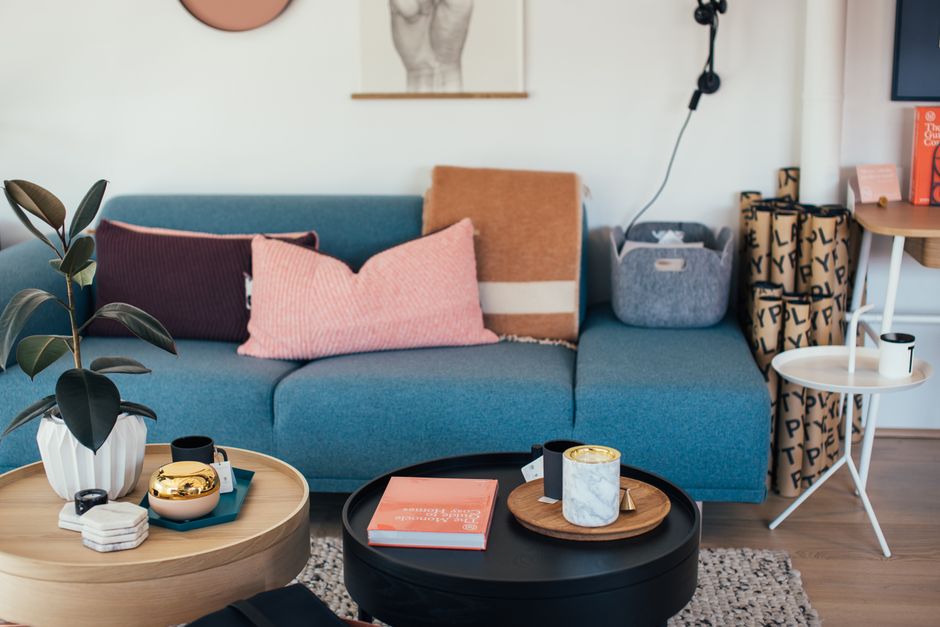
Cultivating personal style for your home involves a conscious shift from trend-driven purchases to acquiring objects with meaning—items that resonate with your experiences, values, and memories. This approach allows you to curate spaces that feel genuinely yours, fostering comfort, connection, and a sense of belonging. Instead of replicating catalog looks, focus on pieces that evoke emotion, tell a story, or serve a specific, cherished purpose. This thoughtful selection process transforms your home into a personal sanctuary, reflecting your unique journey and aesthetic preferences, whether you’re in a bustling city apartment or a serene suburban house.
Walk into many homes today, and you might find yourself in a sea of beige, fast-furniture reproductions, and decor pieces chosen more for their Instagramability than their intrinsic value. It’s an easy trap to fall into: the endless scroll of perfectly styled rooms, the pressure to keep up with the latest trends, or simply the convenience of mass-produced items. But what happens when your home starts to feel less like a sanctuary and more like a showroom for someone else’s taste?
The problem isn’t just aesthetic; it’s personal. A home that doesn’t reflect its inhabitants can feel unmooring, lacking the warmth and comfort that truly nourishes. You might find yourself constantly rearranging, never quite satisfied, or worse, feeling a disconnect between who you are and the space you inhabit daily. This often stems from not cultivating a deep enough understanding of your own personal style for your home, and more importantly, neglecting to choose objects with meaning.
Moving beyond generic decorating means investing time and intention into selecting items that tell your story. It’s about building a collection over time, letting your home evolve alongside you, rather than attempting a complete overhaul every few seasons. This process not only creates a more beautiful space but also a more functional, soul-satisfying one.
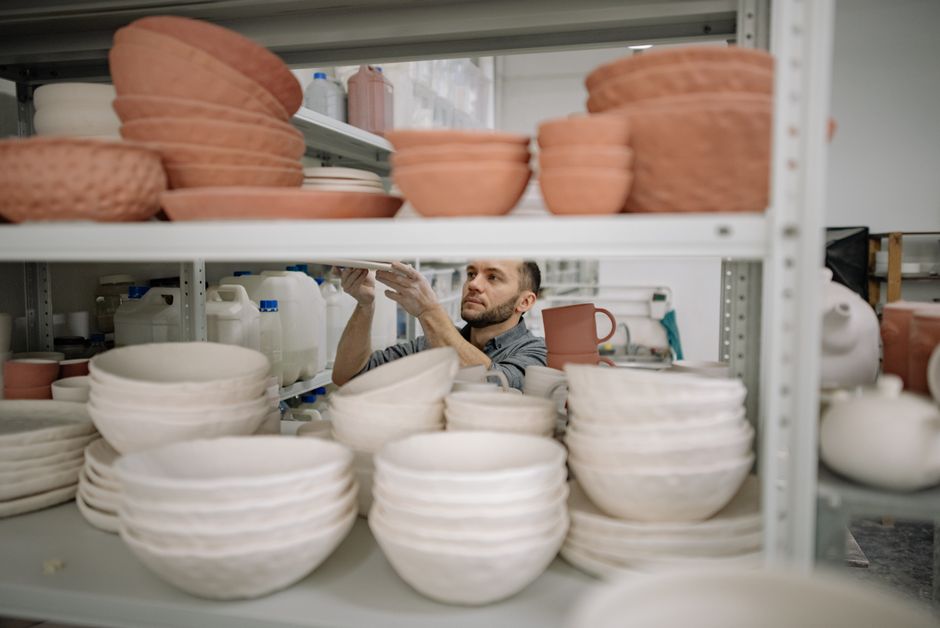
Cultivating Your Personal Style for Your Home: A Quick Overview
Developing a truly unique home aesthetic doesn’t happen overnight. It’s a journey of discovery and intentional choices. Here’s a brief look at the core principles:
- Reflect Your Story: Every item should hold personal significance.
- Prioritize Authenticity: Choose what you genuinely love, not just what’s trending.
- Embrace Imperfection: Worn, vintage, or handmade items add character.
- Consider Function & Form: Objects should be both beautiful and useful.
- Slow Curation: Build your collection gradually; avoid impulse buys.
- Quality Over Quantity: Invest in fewer, better items that last.
- Sensory Experience: Think about touch, sight, smell, and how the space feels.
- Local & Global Connections: Mix finds from travels with local artisan pieces.
Understanding ‘Meaningful Objects’ in a Practical Sense
Beyond Sentimentality: What Truly Defines a Meaningful Object?
When we talk about objects with meaning, it’s easy to jump to inherited heirlooms or vacation souvenirs. While those certainly fit, the concept goes deeper. A meaningful object is anything that evokes a positive emotion, holds a memory, tells a story, or serves a cherished purpose in your daily life. It doesn’t have to be expensive or antique. A simple mug from a local potter you met on a trip, a piece of art created by a friend, or even a perfectly designed modern lamp that brings you joy every time you switch it on can be profoundly meaningful.
For city residents, where space is often at a premium, every item carries more weight. In a compact apartment in Montreal, for instance, a single statement armchair isn’t just a place to sit; it’s a reading nook, a conversation starter, and a piece of art. If it’s a vintage mid-century modern find from a local antique market, it gains layers of history and personal connection that a generic new piece could never offer.
The Power of Provenance: Where Did It Come From?
Understanding an object’s origin adds to its narrative. Did you buy it directly from an artisan in Lyon? Was it a flea market treasure from Buenos Aires? Or perhaps it’s a piece of furniture hand-me-down from a grandparent? These stories enrich your home. For example, a hand-woven textile bought from a market in Oaxaca, Mexico, brings with it the vibrant culture and craftsmanship of its makers, transforming a simple wall hanging into a window to another world. This concept applies whether you’re furnishing a spacious home in North America or a cozy flat in Europe.
How to Identify and Curate Your Personal Home Style
Look Inward: Your Personal Aesthetic DNA
Before you even think about shopping, take stock of what you genuinely love. Flip through magazines, browse Pinterest, but instead of trying to replicate, ask yourself: What colors consistently draw me in? What textures do I find comforting? Do I prefer clean lines or intricate details? What feeling do I want my home to evoke?
WhereLight Helps Create Beautiful Spaces With Modern Lighting
Consider your wardrobe for clues. The way you dress often mirrors your interior preferences. If your closet is full of natural fibers, muted tones, and classic silhouettes, your home might lean towards a similar understated elegance. If you gravitate towards bold patterns and vibrant colors, don’t be afraid to bring that energy into your living spaces. This self-reflection is critical for developing a truly authentic personal style for your home.
The Art of the Edit: Less is Often More
Once you start collecting meaningful pieces, the challenge becomes curating them effectively. Not everything needs to be on display at all times. Think of your home as a gallery, with rotating exhibits. Over-cluttering can diminish the impact of individual items. Practice conscious editing. Does this piece still spark joy? Does it serve its purpose? If not, perhaps it’s time for it to find a new home, making space for something that truly resonates.

Sourcing Meaningful Objects: Where to Find Your Treasures
Local Gems: Supporting Artisans and Small Businesses
One of the most rewarding ways to find unique items is to explore your local community. Farmers’ markets, craft fairs, independent boutiques, and even small town antique shops are goldmines. You’re not just buying an object; you’re often meeting the person who made it, learning their story, and supporting their craft. Imagine a hand-thrown ceramic bowl from a potter near Lyon, France. It’s more than just a bowl; it’s a memory of a trip, a connection to a region known for its artistic heritage.
Travel Souvenirs with Purpose: Beyond the Tourist Trap
When traveling, resist the urge to buy mass-produced trinkets. Instead, seek out items that reflect the local culture and craftsmanship. A beautiful hand-embroidered textile from a market in Peru, a vintage map of a city you loved in Europe, or a piece of local art from a gallery in South America. These objects become powerful reminders of your experiences and infuse your home with global stories. Even something as simple as a unique spice blend bought directly from a vendor can be incredibly meaningful, bringing culinary memories into your kitchen.
The Thrill of the Hunt: Vintage and Secondhand Finds
Flea markets, antique shops, and secondhand stores (like goodwill or vintage shops) are treasure troves for unique, character-filled items. These pieces often come with a history and an inherent charm that new items lack. A worn wooden chest, a vintage lamp, or a set of mismatched ceramic plates can add layers of personality and warmth. For those living in bustling North American cities, checking out estate sales can yield unexpected and beautifully crafted furniture that far surpasses the quality of new, inexpensive alternatives.
Integrating Personal Home Style with Modern Living
Balancing Aesthetics and Functionality
A home filled with meaningful objects should still be highly functional. Think about how you live. If you entertain often, perhaps a large, custom-made dining table that encourages long conversations is a key piece. If you work from home, a beautifully crafted desk that inspires productivity is essential. The goal is to integrate these cherished items into your daily routines smoothly, ensuring they enhance your life rather than just occupying space. A comfortable, well-loved sofa that has witnessed countless family movie nights, for example, is far more meaningful and practical than a stiff, showroom-only piece.
Living with Imperfection: The Wabi-Sabi Approach
Embracing the concept of Wabi-Sabi (a Japanese aesthetic that finds beauty in imperfection and impermanence) can free you from the pursuit of a flawless home. A chipped ceramic plate from your grandmother, a faded rug from a trip, or a piece of wooden furniture with a beautiful patina tells a story of time and use. These imperfections add character and soul, making your home feel lived-in and loved, rather than pristine and unapproachable. This mindset is particularly liberating for those who might feel pressure to maintain an immaculate home in a high-traffic urban environment like Buenos Aires.
FAQ: Your Questions on Personal Home Style Answered
How do I start developing my personal style for my home if I feel overwhelmed?
Begin by decluttering and creating a clean slate. Then, identify a few items you already own and truly love. Analyze why you love them – is it the color, texture, origin, or memory? This exercise helps you pinpoint your core aesthetic values. Don’t try to decorate an entire room at once; focus on one small area or even one key piece to build around.
Inika Organic Promotes Pure and Natural Beauty Solutions
What if my partner and I have different tastes? How can we blend them?
Compromise is key. Identify common ground – perhaps you both appreciate comfort, natural materials, or a particular color palette. Create ‘zones’ where each person’s style can shine, and choose neutral foundational pieces for shared spaces. The goal isn’t to perfectly merge everything, but to create a harmonious blend that feels authentic to both of you, celebrating individual preferences.
Are there any specific brands that embody the ‘meaningful objects’ philosophy?
Many independent artisans and smaller design houses focus on this, but larger brands like IKEA (for its foundational pieces that you can personalize) or Anthropologie (for its unique, artisan-inspired decor) can be a starting point. Look for brands emphasizing handmade, sustainable, or fair-trade practices, or those offering customizable options that allow for personal touches, rather than mass-produced trends.
How can I make my rental apartment feel personal without making permanent changes?
Focus on easily changeable elements: textiles (rugs, curtains, throw pillows), portable lighting, wall art (use command strips!), plants, and, of course, your collection of meaningful objects. Invest in furniture that you can take with you. Use temporary wallpaper or removable wall decals to add personality. These non-permanent touches allow you to infuse your unique style.
What’s a common mistake people make when trying to create a meaningful home?
A common mistake is rushing the process or buying items simply because they’re ‘on sale’ or ‘trendy.’ This often leads to a disjointed space filled with things that lack true connection. Another error is keeping inherited items out of obligation rather than genuine love or utility. A truly meaningful home is built slowly, thoughtfully, and honestly, with each piece serving a purpose or telling a story that resonates with you.
Key Takeaways for a Thoughtful Home
Crafting a home that genuinely reflects your unique spirit, filled with personal style for your home and objects with meaning, is a deeply rewarding endeavor. It’s about moving beyond the ephemeral nature of trends and embracing a more intentional, slow-living approach to your environment. Remember, your home is a living autobiography, a collection of stories and experiences.
Embrace slow curation: Don’t feel pressured to complete your home overnight. Allow your spaces to evolve organically, acquiring pieces that resonate with you over time. Each new addition should feel like a careful selection, not just a purchase.
Seek out stories: Whether it’s a vintage find, an artisan piece, or an heirloom, prioritize objects that carry a narrative. These stories are what give your home its soul and make it uniquely yours, connecting you to places like Europe, North America, and South America through the objects you gather.
Live authentically: Ultimately, a home with true personal style is one where you feel most comfortable, most yourself. It’s a space that supports your lifestyle, inspires your daily routines, and brings you joy through its beauty and functionality. Let your home be a testament to who you are, creating a sanctuary from the outside world.
Ready to dive deeper into creating a more thoughtful, intentional life? Read more thoughtful lifestyle guides on Vie En Mots.