
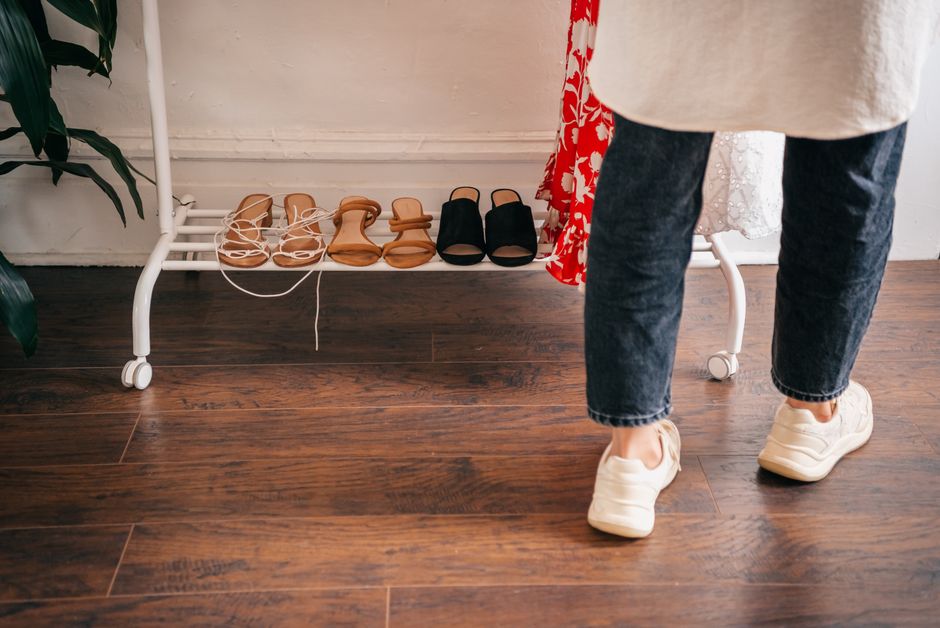
We’ve all been there: a closet crammed with shoes, yet nothing feels quite right. A pair bought on a whim, another for a single event, and those trusty, worn-out favorites that are long past their prime but too comfortable to let go. It’s a common cycle, especially when the allure of a new, inexpensive pair is just a click away or a short walk to the nearest mall. This pattern often leads to a wardrobe full of compromise — shoes that don’t fit well, don’t last, or simply don’t align with our actual needs or personal style.
This isn’t just about clutter; it’s about wasted money and missed opportunities for genuine comfort and confidence. Instead of constantly chasing sales and trendy but flimsy options, there’s a more sustainable, satisfying path: learning how to buy fewer but better shoes. It’s an approach that prioritizes longevity, quality, and genuine utility over quantity and fleeting trends, ultimately leading to a more curated and effective shoe collection.
Buying fewer but better shoes is about shifting from fast fashion consumption to a mindful investment strategy for your footwear. This approach prioritizes durability, comfort, versatility, and timeless style over fleeting trends, ultimately saving money and reducing environmental impact. Instead of accumulating cheap, quickly worn-out pairs, you select high-quality shoes designed to last, often from brands known for their craftsmanship and repairability. This means building a core collection that meets your needs for various occasions, ensuring you always have appropriate, comfortable, and stylish options without excessive clutter or waste.
The Core Principles of a Smart Shoe Wardrobe
Building a shoe collection that serves you well means adopting a few key mindsets. This isn’t about deprivation, but rather about strategic selection.
- Prioritize Quality Over Quantity: A smaller collection of well-made shoes will outlast and outperform a larger collection of cheap ones.
- Understand Your Needs: Assess your lifestyle, climate, and typical activities to identify essential shoe categories.
- Focus on Versatility: Choose shoes that can be dressed up or down, fitting multiple outfits and occasions.
- Invest in Comfort: Uncomfortable shoes are unworn shoes. Prioritize proper fit and supportive design.
- Consider Repairability: Quality shoes often feature replaceable soles and construction that allows for professional repairs, extending their life significantly.
- Embrace Timelessness: Opt for classic styles that won’t look dated next season, ensuring long-term wearability.
- Budget Wisely: Allocate a larger budget for fewer, high-quality purchases rather than frequent, smaller ones.
Defining Your Footwear Needs: The Lifestyle Audit
Before you even think about specific brands or styles, the most crucial step is to understand what your feet actually do all day, week, and year. This isn’t just about what you like, but what you genuinely need. A student cycling through Brussels will have different shoe requirements than a business professional in Buenos Aires, or someone working remotely in North America.
Assess Your Daily Routine and Environment
Think about your typical week. Do you walk extensively? Drive? Stand for long periods? What’s the weather like where you live? Someone in a rainy climate needs waterproof options, while someone in a consistently warm region might prioritize breathable materials. A practical audit might look something like this:
- Work: Formal, smart casual, or highly practical/safety-oriented?
- Leisure: Running, hiking, gym, social gatherings, casual errands?
- Travel: Do you need compact, versatile options for frequent trips?
- Climate: Rain, snow, intense heat, humidity, mild?
For instance, if you live in a city like Paris and spend a lot of time walking or using public transport, a comfortable, stylish, and weather-resistant boot or a high-quality leather loafer might be a daily essential. Conversely, if your lifestyle is more beach-centric, high-quality sandals or espadrilles would take precedence over heavy boots. This assessment helps you identify your core categories.
Decoding Quality: What to Look for in Better Shoes
Once you know what you need, the next step is to understand what ‘better’ actually means. This goes beyond brand names; it’s about construction, materials, and attention to detail. This is where your investment truly pays off.
Materials Matter: Leather, Suede, and Synthetics
High-quality shoes typically use premium materials. For leather, look for full-grain or top-grain leather, which is durable and develops a beautiful patina over time. Brands like Allen Edmonds or Crockett & Jones (in Europe) are renowned for their leather quality. Suede, when well-treated, offers softness and style, but requires more care. Modern high-tech synthetics can be excellent for athletic or specialized performance footwear, but for everyday wear, natural materials often offer better breathability and longevity.
Construction Techniques: Goodyear Welt, Blake Stitch, Cemented
This is arguably the most critical aspect of durability and repairability. A Goodyear welt is the gold standard for many dress and casual boots, allowing for multiple resoles. Many quality European brands, from Spain to the UK, favor this method. Blake stitching is lighter and more flexible, common in Italian dress shoes like those from Santoni. A cemented construction is often found in more affordable or fashion-forward shoes; while fine for some uses, it’s generally not repairable in the same way. Understanding these differences helps you gauge potential lifespan and cost of ownership.
The Iconic Hub for Classic Skate Shoes and Streetwear Fashion With Vans
The Finer Details: Soles, Linings, and Hardware
Examine the sole: leather soles offer elegance and breathability but can be slippery; rubber soles provide better grip and weather resistance. Look for full leather linings inside the shoe, which indicate quality and improve comfort and breathability. Cheap synthetic linings can lead to odor and discomfort. Hardware, like buckles and zippers, should feel sturdy and operate smoothly, not flimsy.
Building Your Core Collection: The Essentials
For most people, a well-rounded shoe wardrobe can be built around 4-6 versatile pairs. The exact categories will depend on your lifestyle audit, but these are common foundational elements that allow you to buy fewer but better shoes without feeling limited.
1. The Versatile Dress/Smart Casual Shoe
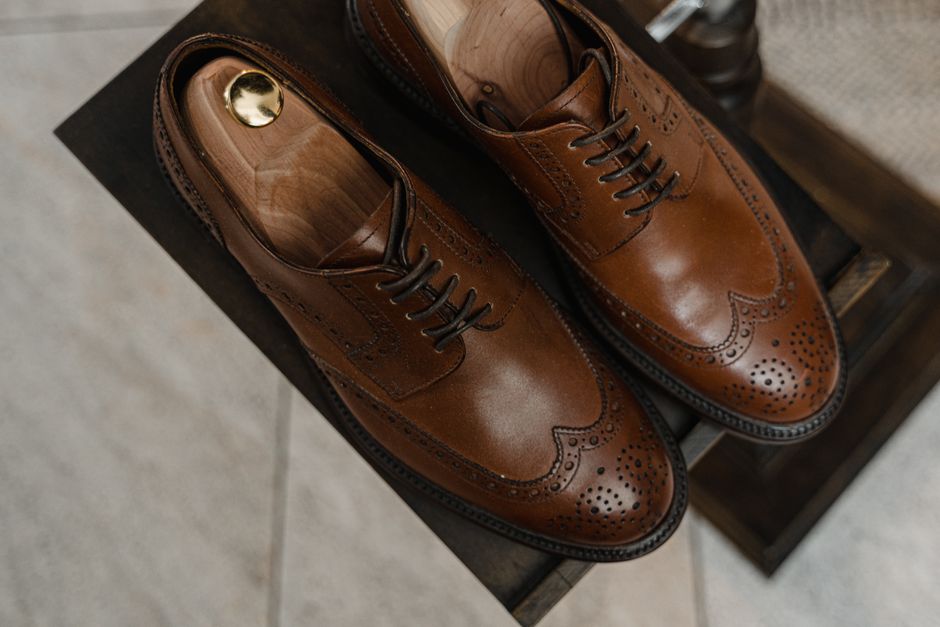
This could be a classic leather loafer, an elegant Oxford, or a versatile Derby shoe. Choose a neutral color like black, dark brown, or burgundy that pairs with trousers, skirts, and even smart jeans. A high-quality pair, maintained well, will serve you for years. Think of brands like ECCO for reliable comfort or Loake for traditional craftsmanship.
2. The Go-To Everyday Comfort Shoe
This category is for your daily grind, whether it’s walking the cobbled streets of Barcelona, commuting in New York, or running errands. It might be a stylish leather sneaker (e.g., Common Projects, Veja), a comfortable ballet flat, or a durable walking shoe. The key here is exceptional comfort and support.
3. Weather-Appropriate Footwear (Boots or Sandals)
Depending on your climate, this is crucial. If you face cold winters, a well-made leather boot (ankle, Chelsea, or knee-high) is indispensable. Look for waterproofed options or good grip. If you’re in a warm climate, invest in high-quality sandals or espadrilles that offer support and durability, not flimsy flip-flops. Dr. Martens offers sturdy boots, while Birkenstock excels in comfortable sandals.
4. Athletic/Specialized Shoe (If Needed)
If you have a specific sport or hobby, a dedicated shoe is a must. Running shoes, hiking boots, or specialized trainers fall into this category. Don’t compromise on these; cheap athletic shoes can lead to injury. Brands like Nike, Adidas, Brooks, or Salomon offer purpose-built options.
5. The ‘Statement’ or ‘Special Occasion’ Shoe
This is where you might indulge in something a little more unique or formal, but still with an eye for quality. Perhaps a patent leather pump, a colorful heel, or a distinctive dress boot. Since these are worn less frequently, they can last decades if well-chosen and cared for.
Care and Maintenance: Extending the Life of Your Investment
Buying better shoes is only half the battle; caring for them is the other. Proper maintenance can double or even triple the lifespan of your footwear, making your investment truly worthwhile.
Basic Cleaning and Conditioning
Regularly wipe down leather shoes with a damp cloth to remove dirt. Use a quality leather conditioner every few months to keep the leather supple and prevent cracking. For suede, a suede brush and protector spray are essential. Always air dry wet shoes naturally, away from direct heat.
The Importance of Shoe Trees
Cedar shoe trees absorb moisture, prevent odor, and, critically, help maintain the shoe’s original shape, preventing creases and warping. They are a small investment that makes a huge difference, especially for leather dress shoes. This is a non-negotiable for quality footwear.
Vans Redefines Streetwear with Timeless Style and Comfort
Resoling and Professional Repairs
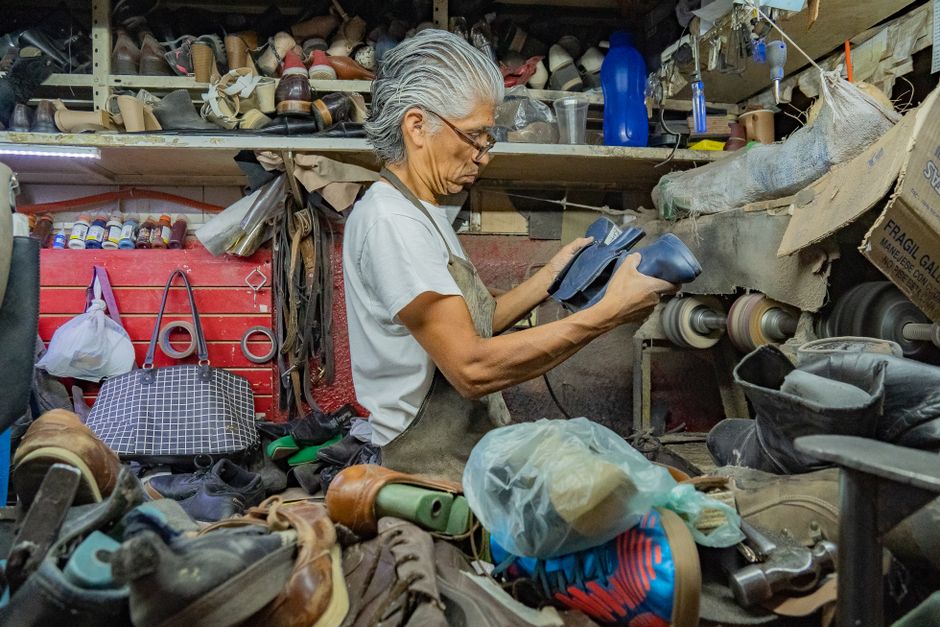
One of the biggest advantages of well-constructed shoes is their repairability. A quality cobbler can resole Goodyear-welted shoes multiple times. They can also replace heels, repair stitching, and refresh the finish. Think of a reputable shoemaker in your city – whether it’s a small shop in Santiago or a multi-generational business in Florence – as a partner in maintaining your valuable footwear. Don’t wait until the shoes are completely ruined; address wear and tear early.
FAQ: Your Questions About a Practical Shoe Wardrobe Answered
What’s the ideal number of shoes to own?
There’s no magic number, but most people can comfortably cover all their needs with 4-6 high-quality, versatile pairs. This typically includes a smart-casual option, an everyday comfort shoe, weather-specific footwear, and possibly an athletic shoe, with room for one or two specialized pairs.
How do I identify high-quality leather shoes?
Look for full-grain or top-grain leather, which feels substantial and smooth. Check the lining; it should be leather, not synthetic. Examine the stitching for evenness and density. If possible, feel the weight – quality shoes often have a satisfying heft. The smell of genuine, good quality leather is also distinct.
Are expensive shoes always better quality?
Not always, but there’s a strong correlation. A higher price often reflects better materials, superior craftsmanship (like Goodyear welting), and ethical labor. However, brand name alone isn’t a guarantee; research reviews and construction details. Some brands charge a premium for fashion trends rather than lasting quality.
How often should I clean and condition my leather shoes?
For daily wear, a quick wipe-down after each use is beneficial. Conditioning depends on how often you wear them and the climate; every 1-3 months is a good guideline for shoes worn regularly. Watch for the leather starting to look dry or dull as a sign it needs attention.
Can I really wear fewer shoes and still be stylish?
Absolutely. A smaller, curated collection of high-quality, classic styles often looks more stylish and polished than a large collection of trendy, low-quality items. Versatile, well-maintained shoes complement a wider range of outfits, giving you a cohesive and sophisticated look.
What brands are known for durability and repairability?
Many brands focus on longevity. In North America, Alden and Allen Edmonds are stalwarts. In Europe, Loake, Church’s, Crockett & Jones, and Meermin are well-regarded. For boots, Red Wing and Viberg are excellent. These brands often use Goodyear welt construction, ensuring they can be resoled for years.
Key Takeaways for a Smarter Shoe Wardrobe
Embracing the philosophy of buying fewer but better shoes is a transformative step for your wardrobe, your wallet, and even the environment. It’s about shifting from reactive, trend-driven purchases to a thoughtful, investment-based approach.
Start with a lifestyle audit to understand your true needs, then focus on identifying quality through materials, construction, and finishing details. Build a versatile core collection that covers your essential activities, remembering that comfort and proper fit are paramount.
Finally, commit to regular care and maintenance. A little effort in cleaning, conditioning, and utilizing professional repair services will significantly extend the life of your high-quality footwear, ensuring that your investment pays dividends for years to come. This approach not only saves you money in the long run but also reduces clutter and contributes to a more sustainable consumption pattern.
Ready to refine your footwear collection and make more informed choices? Explore more fashion guides on Vie En Mots for insights into building a wardrobe that truly works for you.