
Bringing back the long lunch without losing the workday involves intentional scheduling, setting clear boundaries, and shifting cultural perceptions around productivity. By optimizing morning focus, using calendar blocks, and leveraging technology for asynchronous communication, individuals and teams can integrate a more substantial midday break. This approach often leads to improved well-being, enhanced creativity, and better concentration in the afternoon, ultimately boosting overall efficiency rather than diminishing it. It’s about recognizing lunch as a vital restorative period, not merely a pause in output.
For many of us, the idea of a leisurely lunch feels like a relic from a different era. The hum of the office kitchen or the quiet click of a mouse often replaces the clinking of cutlery and convivial conversation. We’ve been conditioned to believe that ‘fast’ equals ‘productive,’ and that taking a significant break somehow signals a lack of commitment or a dip in efficiency. But what if that thinking is actually counterproductive?
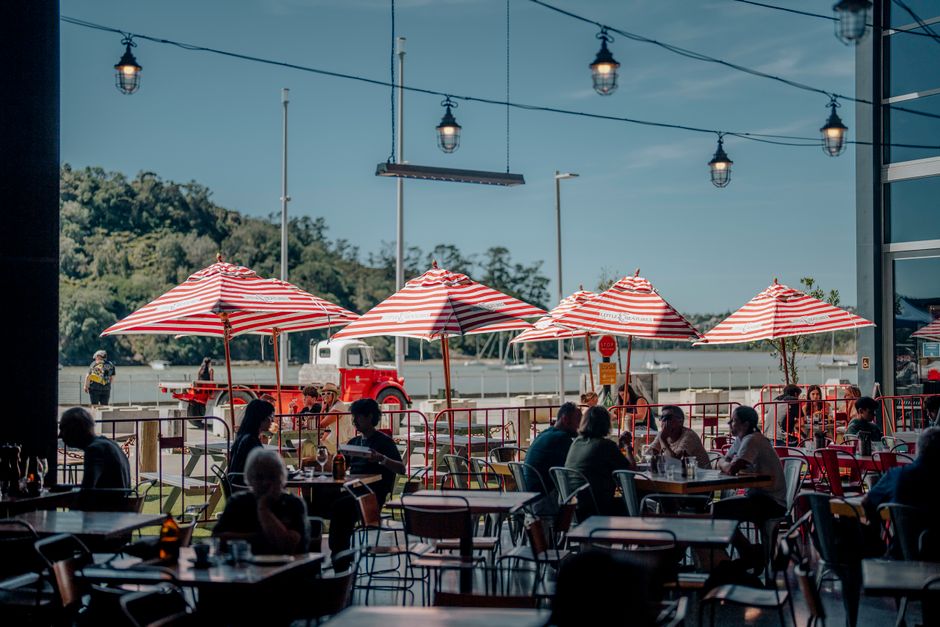
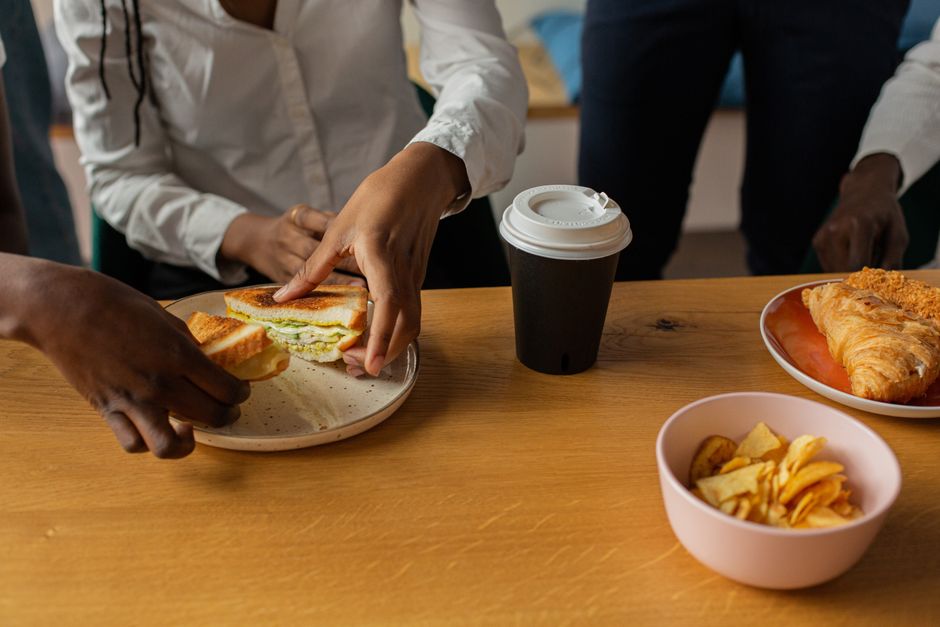
Consider the stark contrast between a hurried sandwich eaten hunched over a keyboard and the vibrant midday meal observed in many parts of Europe or South America. In places like France, Italy, or even Buenos Aires, Argentina, lunch isn’t just fuel; it’s a social ritual, a mental reset, a moment to connect and recharge. There’s a distinct understanding that stepping away fully can make the return more impactful.
This isn’t about advocating for a four-hour siesta every day, which is impractical for most modern work environments. Instead, it’s about exploring actionable ways to reclaim a more meaningful midday break – how to bring back the long lunch without losing the workday – by rethinking our approach to time, energy, and well-being.
The Global Divide: Lunch Habits and Work Culture
The concept of lunch varies dramatically across continents, reflecting deeper cultural attitudes towards work-life integration. In many North American corporate settings, a 30-minute lunch, often taken at the desk, is the norm. It’s seen as a necessary interruption rather than an integral part of the daily rhythm. This approach often prioritizes continuous output, sometimes at the expense of employee well-being and sustained focus.
Conversely, in numerous European countries, a 60-90 minute lunch is not only common but expected. Take Spain or Italy, for example, where lunch often involves a multi-course meal, enjoyed with colleagues or family, and includes a genuine pause from work-related thoughts. This isn’t just about food; it’s about social connection, digestion, and mental decompression. The afternoon work often feels more focused and energetic as a result.
Similarly, in parts of South America, particularly in cities like Buenos Aires, the midday meal can be a substantial affair. Restaurants fill up, and employees might head home or to a local eatery for a leisurely experience. This tradition, while perhaps not as widespread as it once was due to globalization, still influences the cultural expectation that lunch is a proper break. These differing approaches highlight a fundamental question: are we truly more productive when we minimize breaks, or when we optimize them?
The World Health Organization (WHO) has long advocated for healthy eating patterns and work-life balance, subtly underscoring the importance of adequate breaks. While they don’t explicitly mandate a ‘long lunch,’ their guidelines on workplace well-being emphasize the need for employees to have time for nutritious meals and mental recovery, both of which are facilitated by a more substantial lunch period.
Practical Strategies: How to Bring Back the Long Lunch Without Losing the Workday
Reclaiming a longer, more restorative lunch doesn’t require a complete overhaul of your company’s policies. It starts with individual intention and strategic planning. Here’s how you can begin:
Unlocking Flavor and Health: Market Basket Meals Inspired by France and the Americas
1. Master the Morning Block
Front-load your most demanding tasks. Identify your peak productivity hours – for many, it’s the morning. Tackle complex reports, crucial client calls, or creative deep work before lunch. By achieving significant progress early, you create mental space and justifiable ‘permission’ for a longer break. This isn’t about working more; it’s about working smarter.
2. Schedule It Like a Meeting
The easiest way to protect your lunch is to block it off in your calendar. Treat it with the same reverence you would a client presentation. Name the block something like ‘Deep Work Prep & Lunch’ or ‘Client Strategy & Recharge.’ This signals to colleagues and yourself that this time is unavailable for impromptu meetings or quick questions. Make it a recurring appointment.
3. Communicate Your Intentions
Transparency is key, especially in team environments. Let your colleagues know you’re stepping away for a proper lunch. A simple Slack message like, “Stepping away for lunch from 12:30-1:30 PM, back online after that!” can prevent interruptions and set expectations. This is particularly important for remote or hybrid teams.
4. Prepare Ahead (Meal Prep & Planning)
The ‘long lunch’ isn’t about spending an hour cooking from scratch every day. It’s about having the option to step away. Meal prepping on a Sunday can save significant time. Think about hearty, satisfying meals that pack well: a quinoa salad with roasted vegetables, a lentil soup, or last night’s dinner leftovers. If you plan to eat out, choose your spot in advance to avoid decision fatigue.
5. Disconnect Completely
This is arguably the most crucial step. Put your phone away, close your laptop, and step away from your workspace. Go for a walk, read a non-work-related book, listen to a podcast, or genuinely engage in conversation. The goal is to give your brain a true break from work stimuli. This full disconnection is what allows for mental regeneration.
6. Embrace the Mediterranean Mindset
The Mediterranean diet isn’t just about food; it’s a lifestyle. It emphasizes fresh, wholesome ingredients, slow eating, and social connection around meals. While you might not be able to replicate a full Mediterranean siesta, you can adopt its principles: prioritize fresh vegetables, lean proteins, healthy fats (like olive oil), and whole grains. Enjoy your food mindfully, savoring each bite. This approach naturally encourages a longer, more satisfying break.
7. Leverage Asynchronous Communication
In many modern workplaces, immediate responses are often perceived as essential. However, many tasks can wait an hour. Encourage your team to utilize asynchronous communication tools (like email or project management platforms) for non-urgent matters. This allows individuals to manage their time more effectively, including taking proper breaks, without fear of missing critical, time-sensitive information.
Comparing Lunch Cultures: A Snapshot
Understanding how different regions approach lunch highlights the flexibility possible in work structures. While cultural norms are strong, individual and organizational shifts can occur.
| Region | Typical Lunch Duration | Common Activities | Impact on Workday |
|---|---|---|---|
| North America | 30-60 minutes | Desk eating, quick errands, working through lunch | Perceived high productivity, potential burnout/fatigue |
| Europe (e.g., France, Italy) | 60-90 minutes (sometimes longer) | Restaurant meals, home-cooked food, socializing | Enhanced focus post-lunch, strong work-life integration |
| South America (e.g., Buenos Aires) | 60-120 minutes | Substantial meals with family/friends, siesta culture | Deep cultural tradition, promotes social cohesion |

Common Mistakes to Avoid When Reclaiming Your Lunch
As you try to reintegrate a longer lunch, it’s easy to fall into old traps or create new, unproductive habits. Being aware of these pitfalls can help you maintain consistency.
How to Build a Healthier Bread, Cheese, and Salad Lunch: A Balanced Approach
A common mistake is treating the ‘long lunch’ as simply an extended period of desk-side browsing or email checking. The entire point of a longer break is mental disengagement. If you’re still tethered to your work, your brain isn’t getting the restorative pause it needs. Put the devices away, even for just 45 minutes of that hour. A truly disconnected lunch is far more beneficial than a longer, partially engaged one.
Another pitfall is not communicating your intentions clearly to your team or manager. Without clear boundaries, you might find your ‘scheduled’ lunch slot constantly interrupted by colleagues needing quick answers or expecting immediate responses. Proactively setting expectations helps reinforce your new habit and educates those around you on your availability.
For most readers, trying to go from a 30-minute desk lunch to a 90-minute restaurant outing overnight is unrealistic and unsustainable. Start small. Aim for 45 minutes of true disconnection, then slowly build up to 60 or 75 minutes. Gradual changes are more likely to stick than drastic, immediate overhauls that might face internal or external resistance.
Finally, neglecting meal preparation or planning can derail your efforts. If you spend half your lunch break figuring out what to eat or waiting in line, you lose precious time for actual relaxation. Having a plan, whether it’s a pre-packed meal or a chosen restaurant, ensures your extended break is spent recharging, not scrambling.
Frequently Asked Questions About Long Lunches and Productivity
What are the benefits of taking a longer lunch break?
A longer lunch break offers numerous benefits, including improved digestion, reduced stress, enhanced mental clarity, and increased afternoon productivity. It provides a crucial opportunity for physical movement, social interaction, and disconnecting from work, which collectively contribute to better overall well-being and sustained focus throughout the workday.
How can I convince my employer or team to support longer lunch breaks?
Present data on the benefits of breaks, such as improved employee engagement, reduced burnout, and increased quality of work. Propose a trial period and demonstrate how you’ll manage your workload effectively. Frame it as a strategy for enhanced productivity and well-being, rather than a demand for less work, highlighting how it helps bring back the long lunch without losing the workday.
Does a longer lunch truly make me more productive, or just extend my workday?
A longer lunch, when used for genuine disconnection and rejuvenation, can significantly boost afternoon productivity. It helps prevent decision fatigue, recharges cognitive resources, and fosters creativity. While it may shift your hours slightly, the increased efficiency and reduced errors post-lunch often mean the same amount of high-quality work is completed, sometimes even more effectively.
What kind of activities are best for a restorative long lunch?
Ideal activities include taking a walk outdoors, reading a non-work-related book, meditating, engaging in light exercise, or socializing with colleagues or friends. The key is to choose something that fully disconnects you from work-related thoughts and allows your mind and body to genuinely rest and reset, following principles often associated with the Mediterranean diet’s lifestyle aspects.
Is a ‘long lunch’ feasible for remote workers?
Absolutely. Remote workers often have more flexibility to manage their schedules. The strategies apply equally: block time in your calendar, communicate your availability, and physically step away from your home office setup. This might mean going for a walk around your neighborhood, cooking a proper meal, or even having lunch with family or friends if your schedule allows.
Reclaiming the long lunch isn’t about laziness; it’s about intelligence. It’s a strategic investment in your energy, focus, and overall health. By intentionally integrating a more substantial break, you can foster a more sustainable, enjoyable, and ultimately more productive workday for yourself and your team. Ready to make a positive shift in your daily routine? Explore more food and health guides on Vie En Mots.