
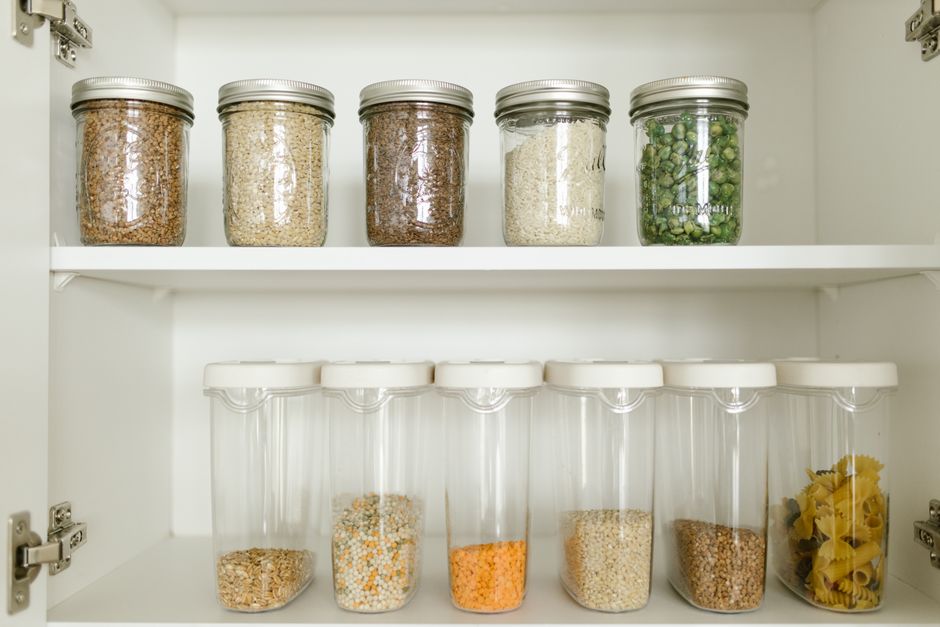
To build a pantry for quick Mediterranean-inspired meals, focus on foundational staples such as extra virgin olive oil, a variety of whole grains (like couscous, pasta, and brown rice), canned legumes (chickpeas, lentils, cannellini beans), canned tomatoes in various forms, good quality vinegars, dried herbs, and non-perishable protein sources like canned tuna or sardines. These ingredients form the backbone of countless healthy, flavorful dishes that come together quickly, reducing the need for constant grocery runs and making nutritious eating a daily reality. Think simple, fresh, and wholesome.
We’ve all been there: it’s 6 PM, you’re tired, hungry, and the thought of figuring out what to cook is just too much. The grocery store seems like a marathon, and ordering takeout feels like the only viable option. This cycle isn’t just tough on your wallet; it often leads to less-than-ideal food choices. For many, the dream is to whip up something healthy and delicious without a major fuss, perhaps even something inspired by the vibrant, wholesome flavors of the Mediterranean diet that we hear so much about.
The good news is that achieving this doesn’t require a personal chef or endless hours in the kitchen. It starts with a smart, strategic approach to your pantry. By stocking the right non-perishable essentials, you set yourself up for success, transforming weeknight meal prep from a chore into an enjoyable routine. This isn’t about hoarding; it’s about curating a collection of reliable ingredients that empower you to create quick, nourishing Mediterranean-inspired meals with minimal effort.
Building a pantry for quick Mediterranean-inspired meals means having the foundational elements ready to combine with a few fresh ingredients. This approach not only saves time but also significantly reduces food waste and stress, allowing you to enjoy the benefits of a diet rich in whole foods, healthy fats, and lean proteins, regardless of how busy your schedule gets.
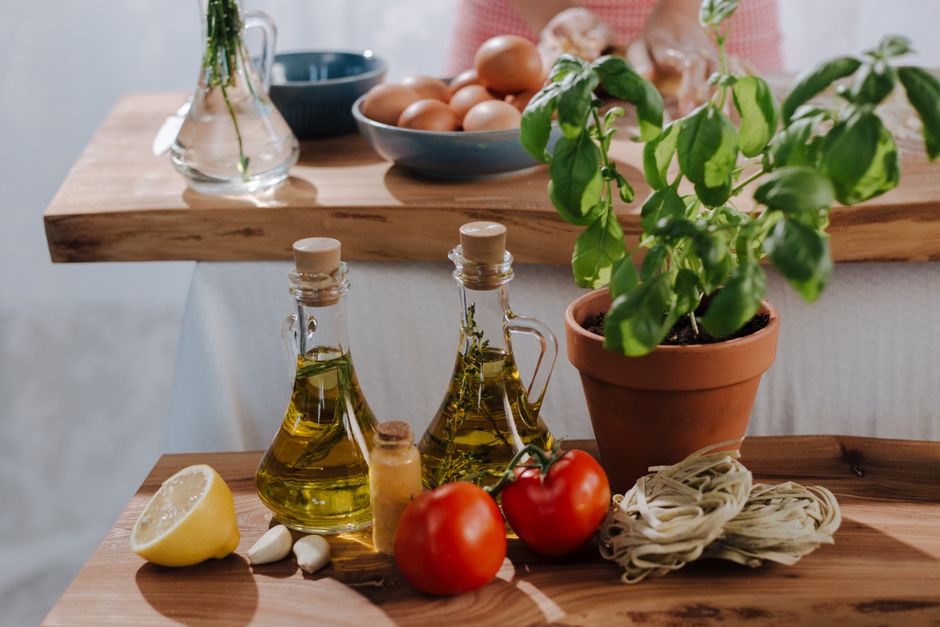
The Mediterranean Pantry: A Snapshot of Efficiency
Before diving into the specifics, let’s outline the core philosophy of a Mediterranean-inspired pantry. It’s about simplicity, quality, and versatility. Think of it as your culinary toolbox, ready to construct a delicious meal at a moment’s notice. Here’s what you should aim for:
- Quality Olive Oil: The cornerstone of Mediterranean cooking. Invest in a good extra virgin olive oil.
- Whole Grains: Pasta, rice (brown, basmati), couscous, quinoa for complex carbohydrates.
- Legumes & Pulses: Canned chickpeas, lentils, cannellini beans – quick protein and fiber.
- Canned Tomatoes: Diced, crushed, paste – essential for sauces and stews.
- Vinegars & Citrus: Red wine vinegar, balsamic, fresh lemons for brightness and acidity.
- Dried Herbs & Spices: Oregano, basil, thyme, rosemary, cumin, paprika for flavor depth.
- Canned Fish: Tuna, sardines, anchovies for quick protein boosts and umami.
- Olives & Capers: For briny, salty notes that define Mediterranean flavors.
The Cornerstone: Olive Oil and Healthy Fats
When you talk about Mediterranean cooking, the first thing that often comes to mind is olive oil. And for good reason. It’s not just a cooking fat; it’s a flavor enhancer and a key component of the diet’s health benefits. For building a pantry for quick Mediterranean-inspired meals, you need at least two types.
Extra Virgin Olive Oil (EVOO)
This is your workhorse. A high-quality extra virgin olive oil, preferably from a trusted region like Spain, Italy, or Greece, is essential for drizzling over finished dishes, making salad dressings, and even for light sautéing. Look for bottles that specify ‘cold-pressed’ and have a harvest date. Brands like Filippo Berio or Colavita are widely available across North America and Europe and offer reliable quality for everyday use. In South America, especially countries like Chile and Argentina, local producers are making excellent EVOOs that rival their European counterparts.
Regular Olive Oil or Grapeseed Oil
For higher-heat cooking, like pan-frying vegetables or searing fish, a less expensive, more refined olive oil or even grapeseed oil is a better choice. EVOO’s delicate flavors can burn at very high temperatures. Having a separate, more neutral oil on hand prevents you from ‘wasting’ your good EVOO on tasks where its nuanced flavor won’t shine through. This distinction is crucial for both taste and budget.
Grains and Legumes: The Heart of the Meal
No Mediterranean pantry is complete without a solid selection of grains and legumes. These are your foundational carbohydrates and protein sources, incredibly versatile and cost-effective.
Unlocking Flavor and Health: Market Basket Meals Inspired by France and the Americas
Whole Grains for Every Occasion
Think beyond plain white rice. Stock up on whole grains like brown rice, quinoa, and whole wheat pasta. Couscous, especially the quick-cooking variety, is a lifesaver for fast weeknight meals; it cooks in about 5 minutes. Brands like Barilla (pasta) or Minute Rice (brown rice) are staples in many homes, from Montreal to Medellín. These grains can form the base of grain bowls, side dishes, or be incorporated into salads. Remember, the NHS often highlights the benefits of whole grains for digestive health and sustained energy.
Canned Legumes: Speedy Protein Powerhouses
Canned chickpeas, lentils, cannellini beans, and kidney beans are non-negotiables. They’re pre-cooked, so you just rinse and add them to salads, stews, or even mash them for spreads like hummus. A quick chickpea salad sandwich, for example, is ready in minutes when you have these on hand. They’re an excellent, affordable source of plant-based protein and fiber, making them a cornerstone of quick Mediterranean meals.
The Flavor Builders: Canned Goods, Herbs, and Spices
These are the ingredients that bring your dishes to life, often making the difference between bland and brilliant.
The Mighty Tomato
Canned diced tomatoes, crushed tomatoes, tomato paste, and sun-dried tomatoes (either oil-packed or dry) are indispensable. They’re the base for countless sauces, stews, and braises. A simple pasta sauce can come together in under 20 minutes with a can of crushed tomatoes, some garlic, and dried herbs. Remember, quality matters here; brands like San Marzano (imported or San Marzano-style) offer superior flavor for a modest price increase.
Herbs, Spices, and Aromatics
Dried oregano, basil, thyme, rosemary, bay leaves, red pepper flakes, cumin, and smoked paprika are essential for layering flavor. Don’t forget garlic powder and onion powder for when fresh isn’t an option. For fresh aromatics, keeping onions, garlic, and lemons on hand means you’re always ready to start a dish properly.
Vinegars and Olives
Red wine vinegar and balsamic vinegar are crucial for dressings, deglazing pans, and adding a bright tang. A jar of Kalamata olives and capers (brined or salt-packed) adds instant salinity and complexity to salads, pasta dishes, or fish preparations. These are small additions that make a huge impact on the overall Mediterranean profile.
Proteins Beyond the Can: Smart Choices for Freshness and Storage
While canned fish covers some bases, smart protein choices that can be stored or quickly accessed are key to a truly efficient Mediterranean pantry.
Frozen Fish and Seafood
Keeping individually quick-frozen (IQF) salmon fillets, shrimp, or cod portions in your freezer is a practical advantage. They thaw relatively quickly and can be pan-seared, baked, or grilled with minimal fuss. This allows you to add high-quality protein to your Mediterranean-inspired meals without needing a fresh fish market visit every time. Many supermarkets in North America and Europe offer a good selection, often labeled with sustainable sourcing information.
Canned Fish: Beyond Tuna
While canned tuna is a classic, explore options like sardines, mackerel, and anchovies. Sardines packed in olive oil are fantastic on toast, in salads, or even as a quick pasta sauce. Anchovies, used sparingly, add a profound umami depth to sauces and dressings that’s unmatched. Don’t be shy; a little goes a long way. These are protein powerhouses that last for ages and are ready to eat straight from the can.

How to Build a Healthier Bread, Cheese, and Salad Lunch: A Balanced Approach
Fresh & Seasonal: The Complementary Pieces
Even with a well-stocked pantry, Mediterranean cooking thrives on fresh produce. These are the items you’ll pick up weekly to complement your staples.
Seasonal Produce for Vibrant Meals
While not strictly ‘pantry’ items, a true Mediterranean approach values seasonal produce. In spring, think asparagus and fresh peas. Summer brings a bounty of tomatoes, zucchini, and bell peppers. Fall offers squashes and root vegetables, and winter features hardy greens and citrus. Shopping seasonally not only tastes better but is often more economical. For instance, in Montreal, farmer’s markets like Jean-Talon market offer an incredible array of local, seasonal produce that can inspire many quick Mediterranean meals.
Dairy and Eggs
Feta cheese, Greek yogurt, and eggs are versatile additions. Feta can be crumbled over salads or pasta. Greek yogurt makes a fantastic base for sauces, dips, or even a quick breakfast with fruit and honey. Eggs are, of course, a quick protein for any meal of the day, from frittatas to simple scrambled eggs with herbs.
FAQ: Building Your Mediterranean Pantry
What are the absolute must-have items for a Mediterranean pantry?
The absolute must-haves include high-quality extra virgin olive oil, canned chickpeas and lentils, canned diced tomatoes, whole wheat pasta, brown rice, dried oregano, red wine vinegar, and fresh lemons. These items provide the foundation for countless healthy and quick Mediterranean-inspired dishes.
How can I make my Mediterranean pantry budget-friendly?
To make your pantry budget-friendly, buy in bulk when items are on sale, choose store brands for staples like canned goods and grains, and focus on versatile ingredients like legumes. Prioritize quality for olive oil, but for other items, good value is often sufficient. Cooking from scratch with these staples is inherently more economical than takeout.
What is the role of fresh produce in a Mediterranean pantry strategy?
Fresh produce is the vibrant complement to your pantry staples. While the pantry holds the long-lasting foundations, fresh fruits and vegetables are crucial for flavor, nutrients, and texture. The strategy is to combine your shelf-stable items with a few key fresh ingredients, ideally seasonal, to complete your quick Mediterranean-inspired meals.
Can I adapt this pantry list for different dietary needs, like vegetarian or gluten-free?
Absolutely. The Mediterranean pantry is highly adaptable. For vegetarian, lean heavily on legumes, nuts, seeds, and eggs. For gluten-free, swap out traditional pasta for gluten-free versions (rice, corn, lentil) and ensure your grains like quinoa and rice are certified GF. The core principles remain the same.
How often should I restock my Mediterranean pantry essentials?
Most pantry essentials have a long shelf life, so you won’t need to restock constantly. Plan to replenish items like olive oil, grains, and canned goods every few months, or as they run low. Dried herbs might need replacing annually to maintain potency. Your fresh produce, however, will be a weekly or bi-weekly purchase.
Key Takeaways for Your Mediterranean Pantry
Building a pantry for quick Mediterranean-inspired meals is about intentionality and smart choices. It significantly reduces mealtime stress by ensuring you always have the core ingredients on hand to create something delicious and healthy. Focus on quality staples like extra virgin olive oil, versatile legumes, and whole grains.
Remember that the Mediterranean diet isn’t just about ingredients; it’s about a lifestyle that values simplicity, fresh flavors, and balance. Your pantry empowers you to embrace this ethos, making nutritious cooking an accessible part of your daily routine, whether you’re in Europe, North America, or South America. Think of it as your secret weapon against the dreaded ‘what’s for dinner?’ question.
By stocking up strategically, you’re investing in your health and your peace of mind, making it easier to enjoy the vibrant, life-affirming flavors of the Mediterranean at any moment. To explore more about wholesome eating and practical tips, explore food and health guides on Vie En Mots.