
There’s a unique charm to a small specialty grocer – the aroma of freshly baked bread, the vibrant display of seasonal produce, the carefully curated selection of cheeses. These aren’t just places to buy food; they’re culinary destinations. From the mercados of South America to the farmer’s markets of North America and the bustling street vendors across Europe, these shops offer quality, character, and often, a story behind every product. However, the perceived higher price tag can be a deterrent, making many wonder: How to shop small specialty grocers without overspending?
It’s a valid question. The handcrafted pasta, the organic vegetables, the rare spices – they all promise an elevated eating experience, but can quickly add up. The good news is that with a bit of strategy and a change in mindset, you absolutely can enjoy the unique offerings of specialty grocers without emptying your wallet. It’s less about avoiding them entirely and more about intelligent navigation and mindful purchasing. Think of it as a treasure hunt for quality, where your budget is your map.
Understand Your Specialty Grocer: Not All Shops Are Equal
Before you even step foot inside, it’s helpful to recognize the different types of specialty grocers you might encounter. A high-end cheese shop in downtown Montreal will operate differently from a neighborhood fruit stand in Barcelona or a butcher selling heritage pork in rural England. Each has its own pricing structure, product focus, and unique benefits.
The Cheese Shop Conundrum: Quality Over Quantity
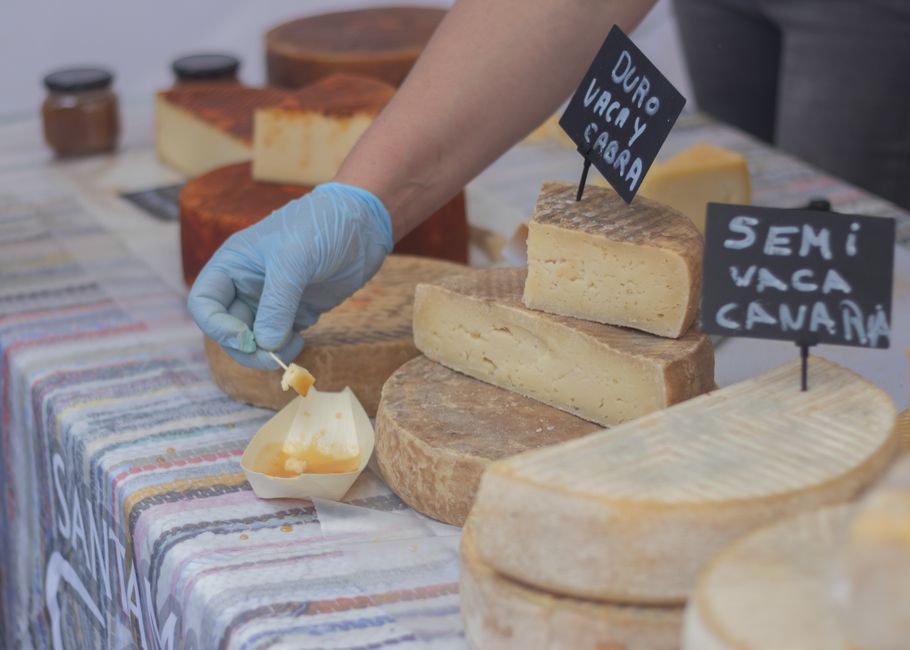
A prime example is the artisanal cheese shop. Imagine walking into a delightful shop in Montreal, perhaps a place like Fromagerie Atwater, with wheels of Gouda, chevre, and blues calling your name. It’s easy to feel overwhelmed and want to buy a large wedge of everything. Here’s the secret: you don’t need a pound of Stilton. A small, carefully selected sliver is often enough to improve a meal or create a sophisticated cheese board. Most specialty cheese shops are happy to cut you very small portions, even just 50 grams (less than 2 ounces). This allows you to sample more varieties without committing to large, expensive chunks that might go bad before you finish them.
Produce Markets: Embracing the Seasonal and Local
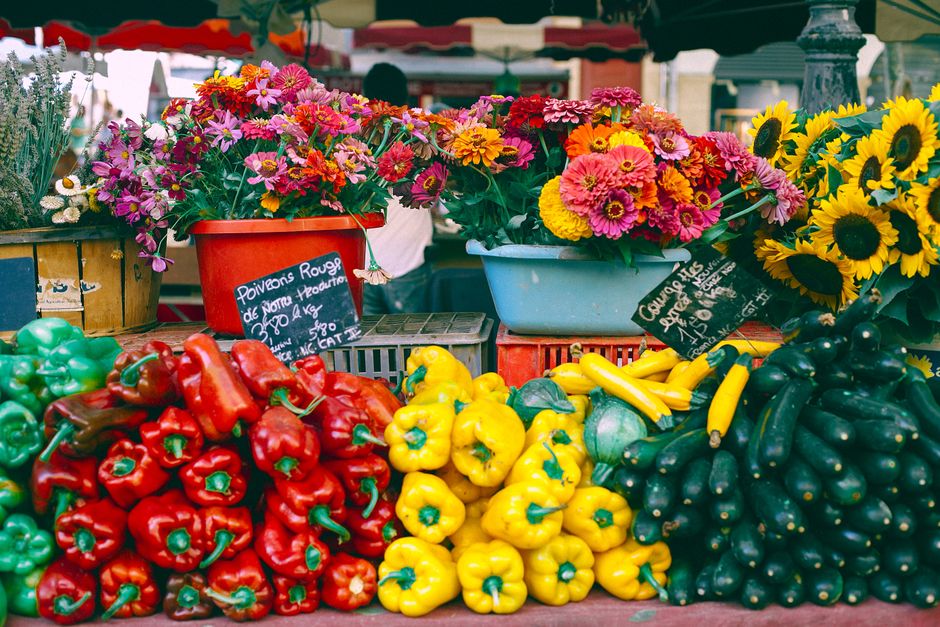
When it comes to produce markets, whether it’s a bustling outdoor market in France or a local farmers market in California, seasonality is your best friend. Produce that’s in season, grown locally, and sold directly by the farmer is almost always more affordable and, crucially, tastes better. Think ripe, juicy tomatoes in summer or hearty root vegetables in winter. For example, trying to buy asparagus in December in North America will likely be an expensive endeavor, as it’s been shipped from afar. In contrast, during its peak season (spring), you’ll find it abundant and much more reasonably priced.
Strategic Shopping: Tips for Managing Your Specialty Grocer Shopping Budget
Managing your specialty grocer shopping budget requires a blend of planning, curiosity, and restraint. It’s about being an intentional shopper rather than an impulsive one.
1. Go In With a Plan, But Be Open to Discovery
Just like any grocery trip, having a list helps. Decide which specific specialty items you genuinely need or want to try. Perhaps you’re making a specific Italian dish and need a particular type of imported pasta or a good quality Parmigiano-Reggiano. However, remain flexible. Sometimes a vendor might have a fantastic deal on a seasonal item, or you might discover a new favorite via a sample. The key is to distinguish between planned purchases and delightful, but budget-conscious, discoveries.
How to Build a Healthier Bread, Cheese, and Salad Lunch: A Balanced Approach
2. Prioritize & Purchase in Small Quantities
This is arguably the most critical tip for how to shop small specialty grocers without overspending. Instead of buying a large bag of gourmet coffee beans, buy a small amount to try. Instead of a whole artisan loaf, ask if they sell half loaves. Specialty shops are often more accommodating to small quantities than large supermarkets. This approach reduces waste, allows you to experiment, and keeps your immediate spending lower. It’s particularly useful for expensive items like specialty meats, olive oils, or gourmet chocolates.
3. Engage with Vendors and Ask Questions
The beauty of specialty grocers lies in the expertise of their vendors. Don’t be shy! Ask for recommendations, inquire about the origin of products, and certainly ask for samples. Many cheese shops, charcuteries, and even olive oil vendors are happy to let you taste before you buy. This not only ensures you like what you’re getting but also helps you make informed choices, potentially steering you towards a more affordable but equally delicious option. A local vendor in a market in Bogotá, for instance, might point you to an incredible lesser-known fruit that’s both delicious and budget-friendly.
4. Focus on ‘Accent’ Ingredients, Not Staples
Specialty grocers are fantastic for those ingredients that truly make a dish sing, but they might not be the most economical place for your everyday staples like milk, bread, or bulk rice. Consider buying your core groceries at a conventional supermarket or discount store, and then visiting the specialty grocer for those few, high-impact items. Think of it as sourcing the ‘flavor enhancers’ for your meals. This hybrid approach allows you to enjoy the best of both worlds without the sticker shock.
Regional Nuances: Shopping Specialty Grocers Around the World
While the core principles remain, applying them often requires a slight adaptation based on your location.
Europe: Market Culture and Local Delights
In Europe, particularly in countries like France, Italy, and Spain, market culture is deeply ingrained. Visiting local outdoor markets or covered halles (like Les Halles Bocuse in Lyon) is often an economic way to source fresh produce, artisanal bread, and local cheeses. Vendors frequently offer better prices towards the end of market day to clear their stock. Look for signs announcing ‘produits locaux‘ (local products) or ‘de saison‘ (seasonal) to find the best value. In the UK, while specialty shops can be pricey, local farm shops often provide excellent value for fresh meat and vegetables directly from the farm.
North America: Farmers Markets and Ethnic Grocers
North America boasts a thriving farmers’ market scene, which is excellent for finding seasonal produce and artisanal goods directly from producers. These markets often offer competitive prices, especially if you arrive later in the day when some vendors might be looking to sell off remaining stock. Additionally, many cities in North America, such as Montreal, Toronto, or Los Angeles, have vibrant ethnic grocers (e.g., Italian, Asian, Latin American markets). These often specialize in specific ingredients at much lower prices than conventional supermarkets, such as a wide variety of dried chiles or unique cuts of meat.
How to Build a Pantry for Quick Mediterranean-Inspired Meals
South America: Vibrant Mercados and Street Food
South America’s mercados are a sensory explosion and an incredible place to shop on a budget. From the Mercado Central in Santiago, Chile, to smaller neighborhood markets in Buenos Aires, Argentina, you’ll find an abundance of fresh fruits, vegetables, and local delicacies. Haggling is sometimes acceptable, especially in smaller, less tourist-centric markets, but always be respectful. Focus on trying local produce and street food specialties for authentic and affordable experiences. The key here is to embrace the local offerings, as imported goods will inevitably be more expensive.
The Health Aspect: Quality Over Quantity for Well-being
Beyond the financial savings, a thoughtful approach to specialty grocers also supports healthier eating. When you invest in high-quality, often locally sourced ingredients, you’re naturally consuming better food. For example, buying a small, perfectly ripe heirloom tomato from a local farm often means more flavor and nutrients than a large, hothouse-grown variety from a conventional store. Similarly, choosing a smaller portion of artisanal cheese made from grass-fed cows might offer different nutritional benefits than a large block of highly processed cheese. The NHS (National Health Service) in the UK, for example, consistently emphasizes the importance of a balanced diet rich in fruits, vegetables, and whole foods. By focusing on seasonal produce and high-quality, minimally processed items from specialty grocers, you align your diet with these health recommendations.
FAQ: How to Shop Small Specialty Grocers Without Overspending
How can I find affordable specialty items in Montreal?
In Montreal, explore Jean-Talon Market or Atwater Market for seasonal produce and local cheeses. Many vendors offer samples, and focusing on in-season items will yield better prices. Ethnic grocers in neighborhoods like Little Italy or Chinatown also offer specialty ingredients at competitive rates compared to larger supermarkets.
Is seasonal produce really cheaper at specialty grocers?
Yes, seasonal produce is almost always cheaper at specialty grocers and farmers’ markets because it’s abundant, local, and requires less transportation and storage. Buying what’s in season reduces costs for the seller, who can then pass those savings on to you. It’s also fresher and tastier!
What’s a good strategy for buying artisanal cheese on a budget?
When buying artisanal cheese on a budget, ask for small cuts. Most specialty cheese shops are happy to sell you just 50-100 grams (1.7-3.5 ounces) of even the most expensive cheeses. This allows you to sample several types or simply enjoy a high-quality cheese without overspending or generating waste.
Are specialty butcher shops ever budget-friendly?
Specialty butcher shops can be budget-friendly if you choose less common cuts of meat, which are often flavorful and versatile for slow cooking. Also, buying direct from a butcher, especially at a farmers’ market, can sometimes cut out wholesaler markups. Inquire about sales or less popular but equally delicious cuts like flank steak or pork shoulder.
How can I avoid impulse buys at a specialty food store?
To avoid impulse buys, stick to your shopping list for essential items. Give yourself a small, pre-set budget for one or two ‘treat’ items. Engage with vendors to learn about products rather than just grabbing items off the shelf, which can help you make more deliberate choices and appreciate the item more.
Conclusion: Savoring Quality, Smartly
Shopping at small specialty grocers doesn’t have to be an exclusive, high-cost affair. By adopting a strategic approach – planning your purchases, prioritizing small quantities, embracing seasonality, and engaging with knowledgeable vendors – you can enjoy the unparalleled quality and unique flavors these shops offer without stretching your budget. It’s about making conscious choices that enhance your culinary life and support local businesses, proving that delicious, high-quality food is accessible to savvy shoppers everywhere. Continue exploring smart food choices and health guidance by visiting our food and health guides on Vie En Mots.