

Many common culture-trip mistakes make cities feel exhausting, primarily over-scheduling activities, underestimating travel time between sites, and failing to integrate local rhythms and spontaneous breaks. Travelers often try to cram too many museums, historical sites, and culinary experiences into a single day, leading to what’s often called “museum fatigue.” This relentless pace, coupled with the mental load of navigating a new environment and language, quickly depletes energy, turning what should be an enriching cultural immersion into a relentless chore. Integrating downtime, observing local habits, and prioritizing quality over quantity are key to a more enjoyable trip.
Ever felt utterly spent after a ‘relaxing’ city break? You’re not alone. It’s a common experience, often stemming from preventable culture-trip mistakes. Over-scheduling, failing to adapt to local paces, and neglecting self-care are major culprits that can turn a vibrant journey into an exhausting ordeal, especially for remote workers seeking meaningful experiences abroad. The allure of a new city, packed with history, art, and vibrant life, can easily lead us down a path of relentless sightseeing, where every moment is accounted for and every landmark must be seen.
This pursuit of ‘maximum experience’ often backfires, leading to the dreaded “museum fatigue” and a general sense of being run down rather than rejuvenated. Understanding these pitfalls, however, is the first step toward crafting a truly rewarding and sustainable travel experience. It’s about shifting from a checklist mentality to a more organic, observant approach.
The Illusion of the ‘Must-See’ List
One of the biggest culture-trip mistakes is creating an overly ambitious itinerary based on internet lists or guidebooks. While helpful for initial research, these lists often fail to account for the human element: your energy levels, interest span, and the unpredictable nature of travel. You might arrive in Paris with a Google Doc detailing every single arrondissement and landmark, only to find yourself dragging by day two.
Over-Scheduling and Museum Fatigue
Consider a typical trip to Europe. Many visitors aim to see the Louvre, Musée d’Orsay, and the Eiffel Tower all in one day in Paris. Each of these requires significant walking, standing, and mental engagement. By the third museum, your eyes might be glazing over, and the rich history and art blur into a confusing montage. This ‘museum fatigue’ isn’t just about physical tiredness; it’s mental exhaustion from constant sensory input and information processing. Instead of savoring the Mona Lisa, you’re just ticking it off a list.
In practice, it’s far better to pick one major museum for the day, maybe two if they are smaller and close together, and then balance it with a less demanding activity like a stroll through a park, a coffee break, or people-watching from a cafe. For instance, after a morning at the Picasso Museum in Barcelona, a leisurely walk through the Gothic Quarter and a long tapas lunch can be far more enriching than rushing to Sagrada Familia immediately afterward.
The Tyranny of FOMO (Fear of Missing Out)
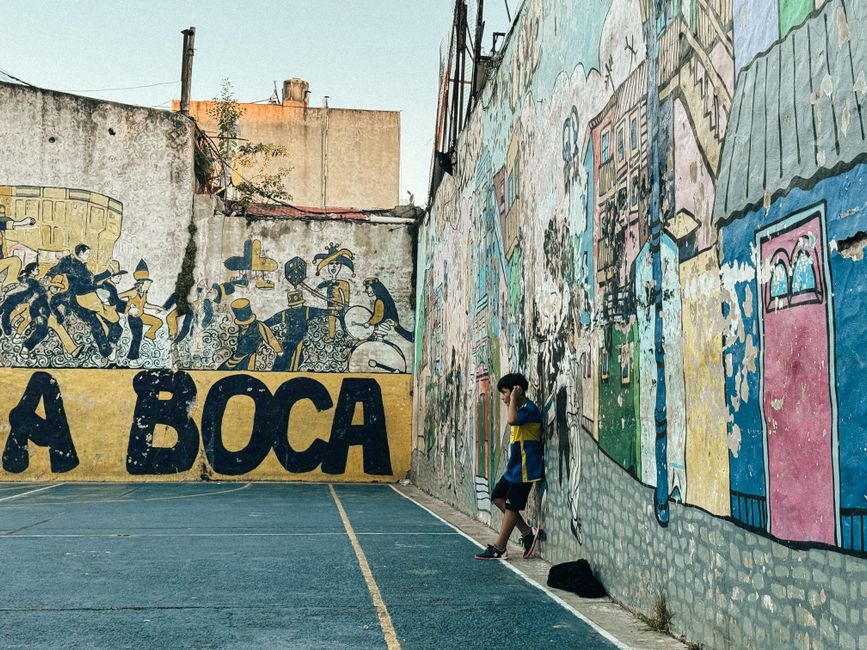
Remote workers often have the flexibility of longer stays, which theoretically allows for a slower pace. However, the fear of missing out on a specific experience can still drive over-scheduling. This is particularly true in cities with rich cultural offerings like Buenos Aires. You might feel compelled to attend a tango show every night, visit every antique market in San Telmo, and explore every neighborhood from Palermo to La Boca, fearing you won’t get another chance. This mindset can quickly make a vibrant city feel overwhelming rather than exciting.
Ignoring Local Rhythms and Paces
Another critical error is imposing your home country’s schedule onto a foreign city. Different cultures have vastly different daily rhythms, especially regarding meals, siestas, and business hours. Failing to recognize and adapt to these can lead to frustration and missed opportunities.
The Midday Slump and Siesta Culture
In many parts of South America and Southern Europe, a midday break or siesta is still a significant part of daily life. In Cartagena, Colombia, for example, many smaller shops and even some restaurants close their doors for a few hours in the early afternoon, escaping the intense equatorial heat. Trying to run errands or sightsee aggressively during these hours will often lead to closed doors and empty streets. Instead of fighting it, embrace it! This is the perfect time for a long, relaxed lunch, a dip in the pool, or even a proper nap, allowing you to re-emerge refreshed for the evening’s activities.
Travel by Ferry | Corsica Ferries Routes & Offers
Dining Times and Social Hours
In North America, dinner often begins between 6 PM and 7 PM. In places like Madrid or Buenos Aires, however, 8 PM is considered early, and many restaurants won’t be bustling until 9 PM or even later. Showing up at 6:30 PM expecting a vibrant dining experience might mean you’re the only patrons. Adjusting your meal times not only aligns you with local culture but also allows for a different pacing of your day, perhaps enabling a later start or a longer afternoon activity.
Neglecting Self-Care on the Go
Travel, particularly intense city exploration, is physically and mentally demanding. Yet, many travelers push their limits, forgetting basic self-care, which is a significant culture-trip mistake.
Underestimating Walking Distances and Public Transport
Cities like London, New York, or Paris are vast. While their public transport systems are generally excellent, you’ll still do a lot of walking. A ‘short walk’ on Google Maps can easily turn into 30 minutes of pavement pounding, especially if you get turned around or stop for photos. Wearing uncomfortable shoes, carrying a heavy backpack, or not staying hydrated are surefire ways to deplete your energy reserves. Prioritize comfortable footwear above all else. Think about a lightweight daypack and always carry a reusable water bottle.
The Importance of Downtime and Spontaneity
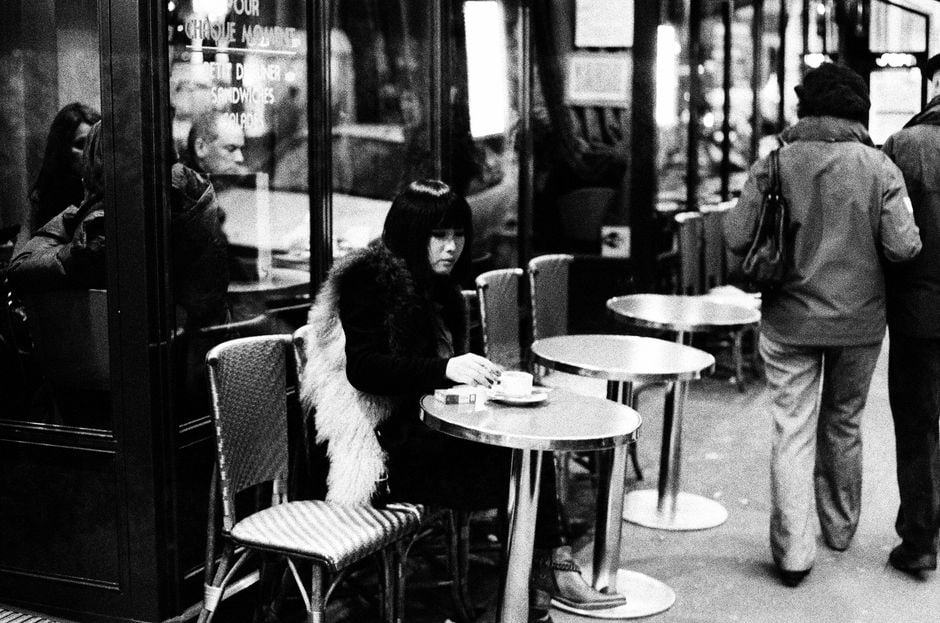
It’s tempting to fill every moment, but sometimes the most memorable experiences come from unexpected detours or simply observing. Build unscheduled blocks into your itinerary. Instead of planning another museum, maybe spend an afternoon simply sitting in a park in Berlin, watching life unfold. Or, let a local recommendation guide you to a neighborhood café you hadn’t planned on visiting. This allows for mental decompression and often leads to more authentic encounters.
Logistical Lapses and Common Culture-Trip Mistakes
Beyond the philosophical approach to travel, practical errors can also contribute significantly to exhaustion. These are often easy to fix with a bit of foresight.
Underestimating Travel Time Between Attractions
Just because two attractions look close on a map doesn’t mean you can hop between them in minutes. Factor in walking to and from metro stations or bus stops, waiting for public transport, potential transfers, and navigating the sites themselves. In a busy city like Rome, getting from the Colosseum to the Vatican can take an hour or more, even with efficient planning. Always pad your estimated travel times by at least 25-50%.
Not Booking in Advance for Popular Sites
Waiting in long lines, especially in hot or cold weather, is a massive energy drain. This is particularly true for major attractions in cities like Paris (Louvre, Eiffel Tower) or Florence (Uffizi Gallery, Accademia). Many places now require or strongly recommend timed entry tickets booked online in advance. A few minutes of planning can save you hours of physical and mental exhaustion, allowing you to maximize your actual visit.
Budgeting for Comfort Over Frugality (When It Matters)
While budget travel has its charms, sometimes spending a little extra can drastically reduce exhaustion. This could mean taking a taxi or ride-share after a long day instead of squeezing onto a crowded bus, opting for a slightly more central accommodation to minimize commute times, or even treating yourself to a nicer meal to recharge. For remote workers, especially, a comfortable workspace and reliable internet are crucial, and sometimes the cheapest option might compromise your productivity and well-being.
Affordable Ferries to Corsica & Sardinia – Book Online | Corsica Ferries
Leveraging Your Remote Work Flexibility
As remote workers, we have a unique advantage: time. This flexibility can be your greatest asset in avoiding common culture-trip mistakes that lead to exhaustion. Instead of seeing your travels as a ‘vacation’ where every moment must be packed, view it as an extension of your life, albeit in a new setting.
Integrating Work and Exploration
Think about a typical workday. You’re not productive for 10 straight hours. You take breaks, grab coffee, and have lunch. Apply this to your travel. Work for a few hours in the morning from a local cafe, then explore for a few hours, then perhaps do a bit more work or relax. This rhythm prevents the burnout that comes from constant ‘vacation mode’ and the pressure to sightsee relentlessly. In a city like Lisbon, you could work from a co-working space near the waterfront, then explore the Alfama district in the afternoon, finishing with a sunset view over the Tagus.
Longer Stays, Deeper Dives
The beauty of remote work is the ability to spend weeks or even months in a single location. This is the ultimate antidote to culture-trip exhaustion. Instead of skimming the surface, you can delve deeper. You can revisit a favorite museum, discover hidden gems, make local friends, and truly absorb the local culture without the pressure of a ticking clock. Imagine spending a month in Mexico City, truly exploring its diverse neighborhoods, art scene, and culinary delights, rather than a rushed 3-day sprint.
FAQ: Navigating Culture-Trip Mistakes
What is ‘museum fatigue’ and how can I avoid it in cities like Paris?
Museum fatigue is the physical and mental exhaustion experienced from prolonged exposure to museums and other cultural sites. To avoid it in Paris, prioritize one major museum per day (e.g., the Louvre or Musée d’Orsay). Break up your visit with coffee, lunch, or a stroll in a nearby park. Focus on specific exhibits rather than trying to see everything, and allow for ample downtime afterward.
How can I avoid over-scheduling when planning a trip to Buenos Aires?
To avoid over-scheduling in Buenos Aires, resist the urge to book every tour and show. Pick one or two major activities per day, like a morning at Recoleta Cemetery and an afternoon exploring Palermo’s street art. Leave afternoons open for spontaneous discoveries, relaxed meals, or simply people-watching from a cafe in San Telmo. Embrace the city’s late-night rhythm by planning dinners later, freeing up your days.
What are the biggest culture-trip mistakes travelers make in Cartagena?
In Cartagena, a common mistake is underestimating the heat and humidity, leading to over-scheduling during the hottest parts of the day. Many travelers also ignore the local siesta culture, finding shops closed. Avoid planning intense activities between 1 PM and 4 PM. Instead, relax by a pool, enjoy a long lunch, or explore the walled city’s shaded alleys during cooler morning or evening hours.
Why do I feel so exhausted after city breaks in Europe and North America?
Exhaustion after city breaks often stems from trying to cram too much into limited time, whether in Europe or North America. This includes relentless sightseeing, underestimating walking distances, and not allowing for mental breaks. Additionally, the constant sensory stimulation, navigating public transport, and adapting to new environments contribute to mental fatigue. Prioritize quality over quantity, build in downtime, and focus on one or two key experiences each day.
How can remote workers best leverage their flexibility to avoid travel exhaustion?
Remote workers can leverage flexibility by planning longer stays in one city, allowing for a slower pace. Integrate work periods with exploration, treating travel more like ‘living’ in a new place rather than an intense vacation. This means working a few hours, then exploring, then perhaps working again or relaxing. This balance prevents burnout and fosters deeper cultural immersion without the pressure of a packed itinerary.
The Path to Thoughtful Travel
Avoiding common culture-trip mistakes doesn’t mean sacrificing experience; it means enhancing it. By embracing a slower pace, observing local rhythms, prioritizing self-care, and leveraging your unique remote work flexibility, you can transform potentially exhausting city breaks into truly enriching and memorable adventures. It’s about letting go of the pressure to ‘do it all’ and instead allowing yourself to simply ‘be’ in a new place. The goal is to return home invigorated, not depleted, with a deeper appreciation for the places you’ve visited.
Ready to plan your next thoughtful trip with Vie En Mots? Discover resources and inspiration for mindful travel on our site.