
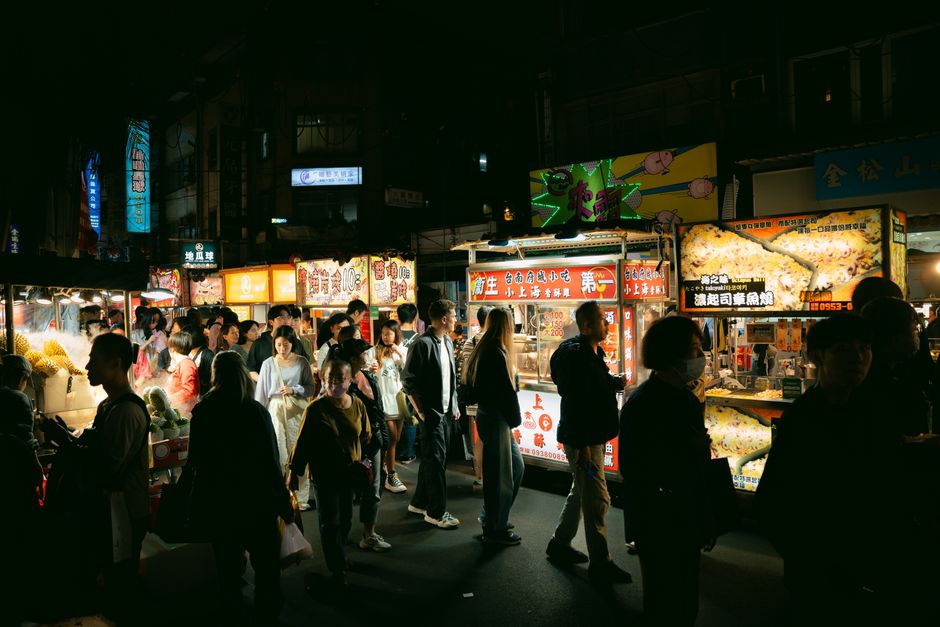
To travel for food without needing a reservation for every meal, focus on local markets, street food vendors, and small, family-run eateries known for walk-in availability. Embrace spontaneity by exploring neighborhoods on foot, checking local food blogs for recommendations, and being open to eating at non-peak hours. This approach allows for authentic culinary discoveries, direct interaction with local culture, and a more flexible itinerary, moving beyond the traditional restaurant-only dining experience. It’s about immersion, not just consumption.
There’s a common misconception that to truly experience a destination’s food scene, you need to meticulously plan, book months in advance, and stick to a rigid schedule of reservations. For certain high-end establishments, yes, that’s absolutely true. But what if your goal isn’t Michelin stars and white tablecloths every night? What if you want to eat like the locals, stumble upon unexpected delights, and let your palate lead the way without the tyranny of a 7:30 PM booking?
The good news is that it’s entirely possible, and often more rewarding, to travel for food without turning every meal into a reservation. This approach emphasizes discovery, flexibility, and a deep dive into the everyday culinary landscape that often gets overlooked by those chasing guidebook recommendations. It’s about the joy of the unplanned bite, the serendipitous find, and the connection made over a simple, delicious dish.
Think of it as a culinary adventure where your compass is curiosity and your map is the aroma wafting from a bustling market. It requires a slight shift in mindset from consumer to explorer, and a willingness to step outside the curated dining experience. Let’s explore how you can master this art.
Embracing Spontaneity: The Heart of Culinary Discovery
The beauty of a food-focused trip that isn’t beholden to reservations lies in its inherent spontaneity. This isn’t about aimless wandering, but rather about being open and equipped to seize culinary opportunities as they arise. It means understanding the rhythm of a city, knowing where to look, and having the confidence to try something new, even if it’s just a small snack from a cart.
Consider a morning in Marseille, France. Instead of having a pre-booked brunch, you could head straight to the Vieux-Port and watch the fishermen unload their catch. From there, a quick walk leads you to La Canebière or the vibrant Noailles market. Here, you’ll find stalls piled high with olives, spices, and local cheeses. You can grab a freshly baked panisse (chickpea fritter) or a sweet pastry from a tiny bakery. This isn’t just a meal; it’s an immersion into the city’s pulse, a sensory experience that no single restaurant reservation could replicate.
MyNextBike Makes Everyday Cycling Easy and Convenient
Strategies for Culinary Exploration Without Bookings
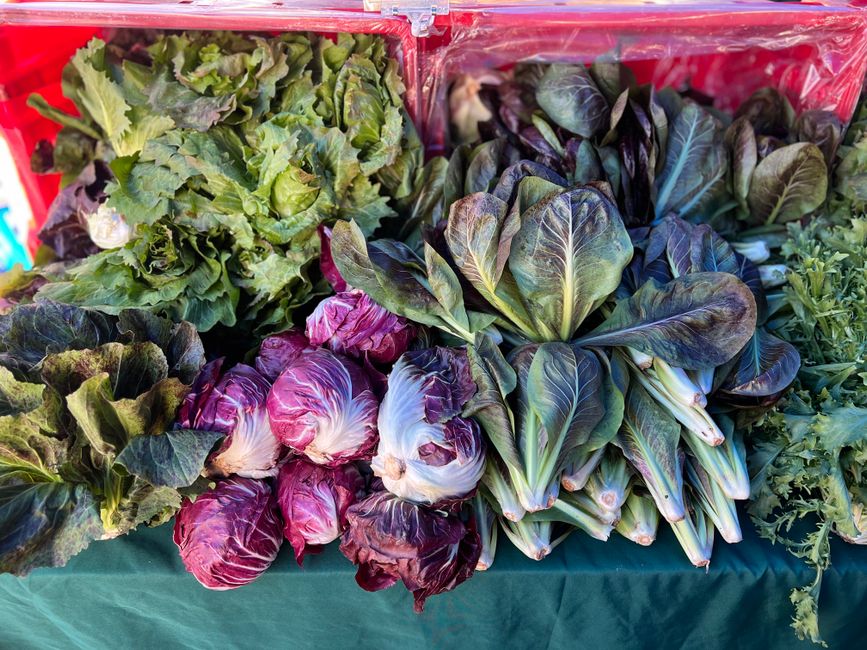
- Hit the Markets, Early and Often: This is arguably the most crucial tip. Markets are the beating heart of local food culture. Whether it’s the Marché des Capucins in Bordeaux, France, the Mercado de San Telmo in Buenos Aires, Argentina, or the Jean-Talon Market in Montreal, Quebec, Canada, markets offer an unparalleled opportunity to taste, observe, and learn. You can often find prepared foods, fresh produce for an impromptu picnic, and direct interaction with vendors. In Europe, many markets have small bars or eateries tucked within them, serving dishes made with ingredients from the surrounding stalls.
- Befriend Street Food: From tacos in Mexico City to kebabs in Berlin, and arepas in Bogotá, street food is a global phenomenon that rarely requires reservations. It’s often some of the most authentic, flavorful, and affordable food you’ll find. Look for long lines of locals – that’s usually a good sign. Don’t be shy; point, smile, and enjoy the show. In Quebec City, look for poutine trucks or small stands offering local pastries like tarte au sucre.
- Embrace the “Bar” Experience: In many European and South American cultures, particularly Spain, Italy, and Argentina, bars aren’t just for drinks. They often serve excellent small plates (tapas, cicchetti, picadas) that can easily become a full meal. These places are typically walk-in friendly, especially if you’re willing to stand at the bar. It’s a fantastic way to sample many different dishes without committing to one large restaurant meal.
- Consult Local Food Blogs & Social Media: Before you arrive, do a quick search for “best casual eats [city name]” or “local street food [city name]” on Google or Instagram. Look for blogs written by residents, not just travel guides. These often highlight hidden gems, pop-ups, and places that don’t rely on reservations.
- Go for Lunch, Not Dinner: Many popular restaurants that are impossible to get into for dinner are surprisingly accessible for lunch, especially if you arrive right when they open. The menu might be slightly different or offer a more affordable fixed-price option, but you still get a taste of their cooking. This is a great tactic for slightly more upscale places you want to try without the reservation hassle.
- Eat Off-Peak: Ditch the conventional 7 PM or 8 PM dinner slot. Arrive at 5:30 PM or 9:30 PM instead. You’ll often find tables available at restaurants that would be packed an hour earlier or later. This is particularly effective in places like Spain or Argentina where dinner hours extend much later than in North America.
- Ask Locals: This might sound obvious, but it’s often overlooked. Strike up a conversation with your barista, shopkeeper, or hotel front desk staff. Ask them where *they* like to eat for a casual, delicious meal. You’ll often get recommendations for places not found in guidebooks, places that thrive on repeat local business, not tourist traffic.
- Picnics & Local Delis: Sometimes the best meal is one you assemble yourself. Visit a local supermarket or a specialty deli (like a salumeria in Italy or a boucherie in France) and pick up cheese, cured meats, fresh bread, olives, and a bottle of local wine. Find a scenic park or public square and enjoy an authentic, no-reservation-needed feast.
Spontaneity vs. Planning: When to Reserve (and When Not To)
While the focus here is on how to travel for food without turning every meal into a reservation
, it’s important to understand that there are times when a reservation is simply unavoidable or highly recommended. It’s about balance, not extremism.
| Situation | Recommendation | Why |
|---|---|---|
| High-demand, Michelin-starred, or trending restaurants | Reserve well in advance | These places often have limited seating and immense popularity. Missing out might be a regret. |
| Dining with a large group (6+ people) | Reserve | Even casual places struggle with large, unplanned walk-ins. A reservation ensures everyone can sit together. |
| Special occasions (e.g., birthday dinner) | Reserve | You want certainty and a specific experience for memorable events. |
| Very small, popular local eateries | Consider reserving (or go off-peak) | Some places with cult followings are tiny. A quick call can save a long wait. |
| Market stalls, street food, small cafes | No reservation needed | These are designed for walk-ins and quick service. Embrace the spontaneity. |
| Casual lunch spots, bars serving food | No reservation needed (mostly) | Generally flexible, especially if you’re dining alone or as a pair and are willing to wait briefly or sit at the bar. |
Common Pitfalls When Eating Spontaneously
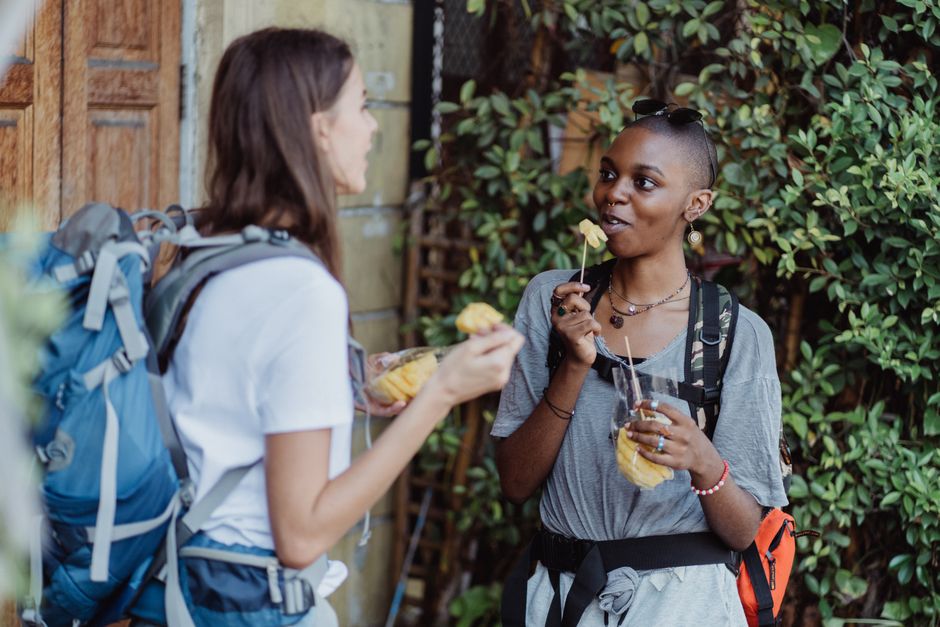
While liberating, spontaneous food travel isn’t without its potential missteps. Knowing what to avoid can make your experience much smoother.
A common mistake is assuming every place outside a tourist trap is great. Local doesn’t always equal good. Do a quick online check – even a glance at Google Maps reviews can save you from a disappointing meal. Look for places with a consistent stream of positive, recent reviews, especially from locals.
Another pitfall is waiting until you’re ravenously hungry to start looking for food. This can lead to making desperate choices. Keep an eye out for interesting spots throughout the day, even if you’re just passing by. Note down a few options in different areas so you have a mental list when hunger strikes.
Don’t be afraid to try places where you don’t understand the menu completely. Many local eateries won’t have English menus, especially off the main tourist drag. Use a translation app, or better yet, point to what someone else is eating if it looks appealing. Sometimes the best culinary surprises come from these moments of gentle confusion.
Finally, avoid sticking exclusively to major tourist areas for your meals. While they might have some good options, the density of tourist-focused restaurants can dilute the authenticity. Venture a few blocks away from the main attractions, and you’ll often find better quality and more local prices.
MyNextBike Brings Smart and Affordable Cycling Solutions for Everyone
FAQ: Unlocking Culinary Adventures
What’s the best way to find authentic street food in a new city?
Look for clusters of street food vendors, particularly near markets, public squares, or transit hubs. Observe where locals are lining up – a long queue, especially with a quick turnover, usually signifies fresh, delicious, and popular food. Don’t hesitate to ask your accommodation host or local shopkeepers for their favorite spots.
How can I ensure food safety when eating from street vendors?
Prioritize vendors with a high turnover of customers, indicating fresh ingredients and consistent cooking. Look for clean stalls, food cooked to order and kept at appropriate temperatures. Choose vendors who handle money and food separately, or wear gloves. Trust your instincts; if something looks or smells off, it’s best to move on.
Is it rude to ask for recommendations from locals in a restaurant?
Not at all! In most cultures, asking for a recommendation from a server or even a friendly diner nearby is seen as a sign of genuine interest in local cuisine and a compliment to their knowledge. It can often lead to discovering hidden gems on the menu or daily specials you might have otherwise missed.
What should I do if a menu is only in the local language?
First, try using a translation app like Google Translate with its camera function. Failing that, look for pictures, or simply point to a dish someone else is enjoying. You can also try to identify common ingredients you recognize or simply ask the server for their recommendation, perhaps indicating your preferences (e.g., “meat,” “vegetarian,” “spicy”).
Can I really eat well on a budget without reservations?
Absolutely. Focusing on markets, street food, and small, family-run eateries is often the most budget-friendly way to eat well while traveling. Picnics assembled from market finds are also incredibly economical. This approach often provides more authentic flavors at a fraction of the cost of sit-down restaurants.
How do I find local markets in cities like Quebec City, Marseille, or Buenos Aires?
For Quebec City, research Marché du Vieux-Port. In Marseille, head to the Noailles Market (Marché des Capucins) or the market at Place Jean Jaurès. For Buenos Aires, the San Telmo Market is famous, but also look for smaller neighborhood markets like the one in Palermo Hollywood or farmers’ markets on specific days. Google Maps is your best friend here, searching for “market” or “mercado” in the local language.
Ultimately, the goal is to experience a destination through its flavors, creating lasting memories that aren’t just about what you ate, but how you discovered it. By shedding the reliance on reservations, you open yourself up to a richer, more authentic, and often more delicious travel experience. Plan your next thoughtful trip and embrace the delicious unknown with Vie En Mots.