

As solo travelers, we often seek experiences that go beyond the usual tourist checklist. There’s a particular joy in wandering through a city, letting its structures tell stories of centuries past, connecting with the human ingenuity that shaped skylines and hidden courtyards. For those who find beauty in the curve of a Roman arch, the intricate details of a Gothic façade, or the bold lines of modernism, the right destination can transform a simple trip into an profound architectural pilgrimage.
However, choosing where to go can be overwhelming. Many cities boast historical buildings, but which ones truly deliver an immersive architectural experience? Which destinations offer the perfect blend of iconic landmarks, accessible exploration, and a supportive atmosphere for solo adventurers? Our focus here is on guiding you to the best city trips for architecture lovers, specifically tailored for the solo explorer across three distinct continents.
It’s about more than just seeing buildings; it’s about understanding their context, feeling their presence, and appreciating the craftsmanship that went into them. This guide aims to help you pinpoint cities where architecture isn’t just a backdrop, but the very essence of the experience, allowing you to discover the stories etched in stone and steel.
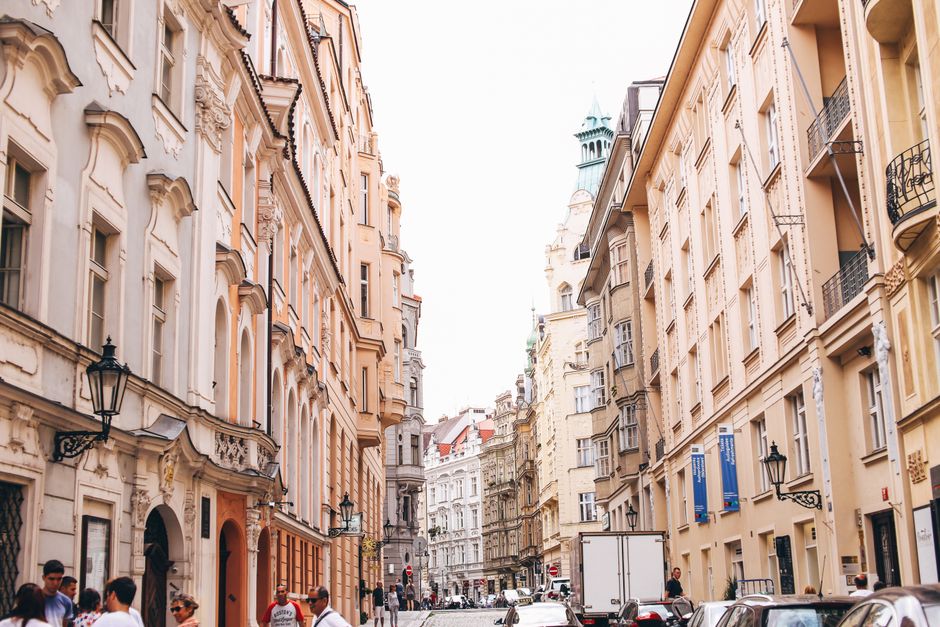
Understanding Architectural Travel: Beyond the Postcard
Architectural travel isn’t just about snapping photos of famous landmarks. It’s about a deeper engagement with a city’s history, culture, and evolution through its built environment. Here’s what makes a destination stand out for architecture lovers:
- Diverse Styles: Cities showcasing a range of periods and movements, from ancient ruins to contemporary designs.
- Historical Context: Opportunities to learn about the socio-political factors that influenced specific architectural trends.
- Walkability: Destinations where you can easily explore different neighborhoods on foot, discovering hidden gems.
- Accessibility: Public transport that connects key architectural sites, minimizing travel time.
- Local Flavor: Buildings that reflect the unique cultural identity and materials of a region.
- Restoration & Preservation: Cities that actively maintain and highlight their architectural heritage.
- Engagement Opportunities: Guided tours, museum exhibits, or open-house events focused on architecture.
Europe’s Grand Designs: Paris, Lisbon, and Beyond
Europe is, perhaps, the quintessential continent for architectural exploration. Its cities are living museums, each street revealing layers of history. For solo travelers, the ease of public transport, established tourist infrastructure, and sheer density of historical buildings make it an ideal starting point for the best city trips for architecture lovers.
Paris, France: A Symphony in Stone
When you think of Europe’s architectural capitals, Paris invariably comes to mind. It’s a city designed for grand statements and intimate moments, offering an unparalleled feast for the eyes. From the soaring Gothic arches of Notre Dame Cathedral (currently undergoing restoration, but still a powerful sight) to the classical grandeur of the Louvre and the audacious ironwork of the Eiffel Tower, Paris showcases a magnificent evolution of styles.
- Haussmannian Boulevards: Baron Haussmann’s 19th-century redesign gave Paris its iconic wide avenues, uniform limestone buildings, and hidden courtyards. Spend a day simply walking, absorbing the elegant facades and wrought-iron balconies. The Marais district offers a wonderful contrast, with its older, pre-Haussmann medieval streets and charming hôtels particuliers.
- Art Nouveau Gems: Look for the whimsical, organic forms of Hector Guimard’s Métro entrances or the intricate details on buildings in the 16th arrondissement. A walk through the Belleville or Ménilmontant neighborhoods also reveals more modest but equally charming Art Nouveau flourishes.
- Modernist Touches: While steeped in history, Paris also embraces modernity. The Centre Pompidou, with its ‘inside-out’ design, remains a bold statement, and La Défense offers a fascinating glimpse into contemporary French architecture with its gleaming skyscrapers and the Grande Arche.
For a solo traveler, Paris is remarkably safe and easy to navigate via its extensive Métro system. Consider staying in a central arrondissement (like the 4th, 6th, or 10th) to be within walking distance of many key sites, or utilize the Velib’ bike-sharing program for a different perspective.
Lisbon, Portugal: Tiles, Tramways, and Timelessness
Lisbon presents a captivating blend of old-world charm and vibrant contemporary energy, all set against a dramatic backdrop of seven hills overlooking the Tagus River. Its unique urban landscape, shaped by centuries of maritime trade and natural disasters, makes it a truly special destination for the best city trips for architecture lovers.
- Manueline Marvels: This distinctive Portuguese late-Gothic style, characterized by maritime motifs and elaborate ornamentation, is best exemplified by the Jerónimos Monastery and the Belém Tower. Both UNESCO World Heritage Sites are easily accessible and offer stunning photo opportunities.
- Pombaline Reconstruction: After the devastating 1755 earthquake, much of Lisbon’s Baixa district was rebuilt under the Marquis of Pombal, employing an early form of prefabrication and anti-seismic construction. The grid-like streets and neoclassical buildings are a testament to rational urban planning.
- Azulejos: No discussion of Lisbon architecture is complete without its iconic ceramic tiles. Azulejos adorn everything from churches and palaces to humble residences and even modern metro stations. Visit the National Azulejo Museum to understand their history, then simply wander through Alfama or Graça to see them in daily use.
Lisbon is an incredibly walkable city, though its hills mean comfortable shoes are a must. The historic tram 28 offers a scenic (though often crowded) architectural tour, weaving through narrow streets and past significant buildings. Solo travelers will find a welcoming atmosphere and delicious food at every turn.
How to Build a Culture-First Itinerary Without Museum Fatigue
North America’s Eclectic Mix: Montreal and Chicago
North America offers a younger, yet incredibly dynamic, architectural story. From colonial echoes to soaring skyscrapers, the continent’s cities showcase rapid development and innovative design, making for diverse and compelling architecture city trips.
Montreal, Canada: Old World Charm Meets Modern Edge
Montreal stands out as a unique blend of European sensibility and North American dynamism. As one of the oldest cities in Canada, its architecture reflects a fascinating fusion of French colonial heritage, British influence, and bold modernism. This makes it an excellent choice for the best city trips for architecture lovers, offering a distinctly different flavor than its European counterparts.
- Old Montreal: Start your exploration here. The cobblestone streets, charming squares, and magnificent Notre-Dame Basilica transport you to a bygone era. Look for the ornate grey stone buildings, many dating back to the 17th and 18th centuries, often housing contemporary art galleries and boutiques. The Bonsecours Market is a particularly impressive example of neoclassical public architecture.
- Underground City (RESO): A practical architectural marvel, Montreal’s RESO is a network of tunnels connecting metro stations, shopping malls, and attractions. While not beautiful in the traditional sense, it’s a testament to clever urban planning for extreme weather, and fascinating to navigate.
- Brutalism and Modernism: Post-WWII, Montreal embraced bold modernist and brutalist architecture. Iconic examples include Habitat 67, a groundbreaking modular housing complex designed by Moshe Safdie for Expo 67, and the distinctive inverted pyramid of the Palais des Congrès de Montréal. The McGill University campus also features an interesting mix of historical and modernist buildings.
Montreal is very accessible for solo travelers, with a clean and efficient metro system. French is the official language, but English is widely spoken, especially in tourist areas. The city’s vibrant arts scene often intertwines with its architectural venues, providing additional layers of cultural engagement.

Chicago, USA: The Birthplace of the Skyscraper
Chicago is often called the ‘cradle of modern architecture,’ and for good reason. After the Great Fire of 1871, the city rebuilt itself with an ambition and innovation that reshaped urban design globally. It’s an essential destination for anyone interested in the evolution of the skyscraper and functionalist design.
- Chicago School: Pioneers like Louis Sullivan and Daniel Burnham laid the groundwork for modern commercial architecture. Their philosophy of ‘form follows function’ is evident in buildings like the Rookery Building (with its stunning light court by Frank Lloyd Wright) and the Carson, Pirie, Scott and Company Building.
- Frank Lloyd Wright: While his iconic homes are in the suburbs (e.g., Oak Park), Chicago itself holds important Wright works. A walking tour focusing on his early commercial projects and influences is invaluable.
- Modern & Postmodern Icons: From Mies van der Rohe’s minimalist high-rises (like the Federal Center) to the bold structures of the Willis Tower (formerly Sears Tower) and the sleek glass of Millennium Park’s Pritzker Pavilion, Chicago offers a comprehensive architectural timeline. Take an architecture boat tour on the Chicago River for an unparalleled perspective.
Chicago is a grid-planned city, making it easy to navigate for solo travelers. Its excellent public transit (the ‘L’ train) covers most areas of interest. The city also offers numerous architectural walking tours led by knowledgeable guides, which are perfect for a solo deep dive.
South America’s Rhythms: Buenos Aires and Cartagena
South America offers a captivating blend of colonial splendor, European influences, and vibrant contemporary expressions. Its architectural heritage often tells tales of conquest, independence, and cultural fusion, making for truly distinctive architecture city trips.
Buenos Aires, Argentina: Paris of South America
Buenos Aires, with its wide boulevards, grand Belle Époque buildings, and vibrant street life, often earns comparisons to European capitals. This makes it a fascinating choice for the best city trips for architecture lovers seeking a Latin American flavor with a familiar aesthetic.
- French and Italian Influences: Throughout the late 19th and early 20th centuries, Argentina’s prosperity led to a building boom heavily influenced by European styles. Grand avenues like Avenida de Mayo are lined with magnificent Beaux-Arts and Art Nouveau structures. The Palacio Barolo, inspired by Dante’s Divine Comedy, is a must-see for its unique symbolism.
- Colonial Echoes: While many earlier colonial buildings were replaced, you can still find remnants in neighborhoods like San Telmo, with its charming plazas and Jesuit churches.
- Modernist & Brutalist: Buenos Aires also showcases a range of 20th-century architecture, from elegant Art Deco apartment blocks to more imposing brutalist government buildings. Walk through Recoleta and Palermo to see the evolution of residential styles. The Centro Cultural Kirchner (CCK), housed in the magnificent former central post office, combines historical grandeur with modern artistic interventions.
Buenos Aires is a large, sprawling city, but its subte (metro) system is efficient, and taxis/ride-shares are affordable. Solo travelers will appreciate the city’s lively atmosphere, late-night dining culture, and numerous cultural offerings that complement its architectural appeal.
Markets, Bakeries, and Bookshops: Planning a Low-Stress City Day
Cartagena, Colombia: A Walled City of Color and History
Stepping into Cartagena de Indias is like stepping back in time. Its meticulously preserved Old Walled City, a UNESCO World Heritage site, is a kaleidoscope of colonial architecture, vibrant colors, and charming plazas. For a truly immersive historical architectural experience, especially in a tropical setting, Cartagena is unparalleled.
- Colonial Masterpiece: The primary draw is the Old City itself. Wander through its narrow, cobblestone streets, admiring the pastel-colored houses with their ornate wooden balconies, heavy colonial doors, and lush courtyards. Every corner reveals a photogenic detail.
- Fortifications: The massive stone walls (las murallas) that encircle the Old City are an architectural marvel in themselves, built over centuries to protect against pirates. Walking along the top of the walls at sunset is an unforgettable experience. The formidable San Felipe de Barajas Castle, just outside the walls, is another impressive feat of military engineering.
- Churches and Plazas: The city’s squares, such as Plaza Bolívar and Plaza Santo Domingo, are anchored by magnificent churches and elegant colonial buildings. The Cathedral of St. Catherine of Alexandria is a prominent landmark with its distinct dome and bell tower.
Cartagena’s Old City is entirely walkable, and its compact size makes it perfect for solo exploration. While Spanish is the primary language, many locals in tourist areas speak English. Be prepared for the tropical heat and humidity, and embrace the city’s vibrant street life.
FAQ: Planning Your Architectural Adventure
What makes a city ideal for architecture city trips for solo travelers?
Ideal cities for solo architectural exploration combine a rich diversity of building styles, good public transport, safe and walkable neighborhoods, and ample opportunities for guided tours or self-guided discovery. This ensures a fulfilling and independent experience without feeling overwhelmed or isolated.
Are these cities safe for solo female travelers interested in historical buildings?
Yes, Paris, Lisbon, Montreal, Chicago, Buenos Aires, and Cartagena are generally safe for solo female travelers. As always, exercise standard precautions: be aware of your surroundings, avoid walking alone late at night in unlit areas, and secure your belongings. Research specific neighborhood safety if venturing off the main tourist paths.
How can I find architectural walking tours in these cities?
Most major cities offer a variety of architectural walking tours. You can typically find them through local tourism boards, reputable tour companies like Walks of Italy/Europe, or specialist architecture organizations (e.g., Chicago Architecture Center). Many free walking tours also highlight architectural aspects, working on a tip-basis.
What’s the best way to prepare for an architecture-focused trip?
Before you go, do a little research on the architectural history of your chosen city. Identify key buildings or districts you want to see. Comfortable walking shoes are non-negotiable, and a good camera (or phone) is essential. Consider downloading offline maps or an architectural guide app for on-the-go information.
Which of these cities is most budget-friendly for architecture lovers?
Lisbon and cities in South America like Buenos Aires and Cartagena tend to be more budget-friendly than Paris or Chicago, especially concerning accommodation and dining. However, all offer free architectural exploration through simply walking the streets and admiring exteriors. Look for free museum days or public parks to save on entry fees.
Key Takeaways for Your Next Architectural Journey
Embarking on architecture city trips is one of the most rewarding ways to experience a destination, especially as a solo traveler. It offers a unique lens through which to understand culture, history, and human ingenuity. Whether you’re drawn to the classical grandeur of Paris, the tiled charm of Lisbon, the colonial beauty of Cartagena, or the modernist marvels of Chicago and Montreal, each city promises a deeply enriching experience.
Remember that the true beauty lies not just in the iconic structures, but also in the everyday buildings, the streetscapes, and the way light interacts with stone and glass. Allow yourself to wander, to get lost a little, and to truly observe the details. These are the moments that transform a trip into an unforgettable journey.
Ultimately, the best city trips for architecture lovers are those that resonate with your personal interests and leave you with a lasting impression of design and history. Take these insights and plan your next thoughtful trip with Vie En Mots, ready to uncover the built stories of the world.