
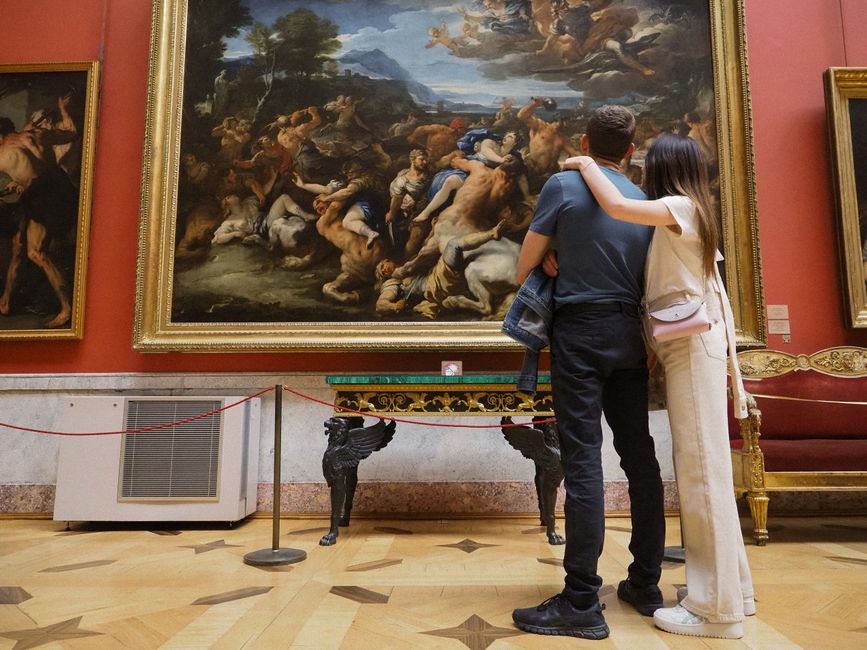
Building a culture-first itinerary without museum fatigue involves prioritizing authentic local experiences over a rigid schedule of popular attractions. The key is to integrate activities that offer genuine cultural immersion, such as exploring local markets, attending community events, trying regional cuisine through cooking classes, or simply observing daily life from a neighborhood cafe. Focus on quality over quantity, allowing ample time for spontaneous discovery and interaction, rather than rushing between exhibitions. This approach ensures a deeper connection with the destination and prevents the burnout that often accompanies overly ambitious museum tours.
We’ve all been there: staring at a priceless antiquity through a fog of exhaustion, wondering if we truly appreciate its significance or if we’re just ticking another box. Travel often promises immersion, a deep dive into another culture, but too frequently, it devolves into a frantic sprint from one iconic landmark to the next, fueled by lukewarm coffee and the nagging fear of missing out. You stand in line, shuffle through crowded halls, and by the end of the day, the sheer volume of information has blurred into a single, overwhelming impression. This isn’t just about museums; it’s about any itinerary that prioritizes a checklist over genuine connection. It’s the dreaded ‘tourist fatigue’ that leaves you feeling more depleted than enriched.
The good news is that there’s a more fulfilling way to explore. It’s about designing a journey that puts culture at the forefront, not as an academic exercise, but as a lived experience. It means stepping away from the predictable and leaning into the authentic, allowing for serendipity and genuine engagement. It’s about learning how to build a culture-first itinerary without museum fatigue, ensuring every moment feels meaningful and memorable.
Your Toolkit for Authentic Exploration
Moving beyond the standard guidebook approach requires a shift in mindset and a few practical strategies. Here’s a quick overview of how to build a culture-first itinerary without museum fatigue:
- Define Your Cultural Interests: What truly excites you? Food, music, history, art, nature, local crafts? Tailor your trip around these passions.
- Embrace Slow Travel: Spend more time in fewer places. This allows for deeper exploration and reduces the rush.
- Prioritize Experiences Over Sights: Focus on doing things, not just seeing things. Think workshops, markets, local events.
- Integrate Local Life: Seek out neighborhoods where locals live, eat, and socialize.
- Allocate Downtime: Unscheduled time is crucial for serendipitous discoveries and avoiding burnout.
- Use Local Guides & Resources: Tap into local expertise for hidden gems and authentic insights.
- Learn Basic Phrases: Even a few words in the local language can open doors to connection.
- Balance Must-Sees with Discovery: Don’t skip *all* the famous spots, but integrate them thoughtfully.
Defining “Culture-First” for Your Journey
Before you even open a travel guide, ask yourself what culture truly means to you in the context of travel. Is it about history and art, or is it more about food, music, and contemporary life? The answer will profoundly shape your itinerary. A common mistake is assuming that ‘culture’ exclusively means museums and historical sites. While these are certainly cultural touchstones, they are only part of a much larger tapestry. A culture-first approach means actively seeking out the living, breathing essence of a place.
Beyond the Grand Museum Hall
For some, a trip to the Louvre or the British Museum is non-negotiable, and rightly so – these institutions house humanity’s greatest treasures. But even then, consider your approach. Instead of trying to see everything, pick one or two wings that genuinely interest you. Spend a focused two hours rather than an exhausting six. Alternatively, seek out smaller, more niche museums that look at specific aspects of local life – perhaps a textile museum in Portugal, a jazz museum in New Orleans, or a chocolate museum in Brussels. These often provide a more intimate and less overwhelming cultural insight.
Embracing Slow Travel and Deep Dives
The antithesis of museum fatigue is slow travel. Instead of rushing through three cities in a week, consider spending an entire week or more in just one. This allows you to unpack, settle in, and truly get to know a neighborhood beyond its main tourist drag. When you’re not constantly packing and unpacking, or navigating new transit systems every day, you free up mental space for genuine engagement.
The Art of the Neighborhood Immersion
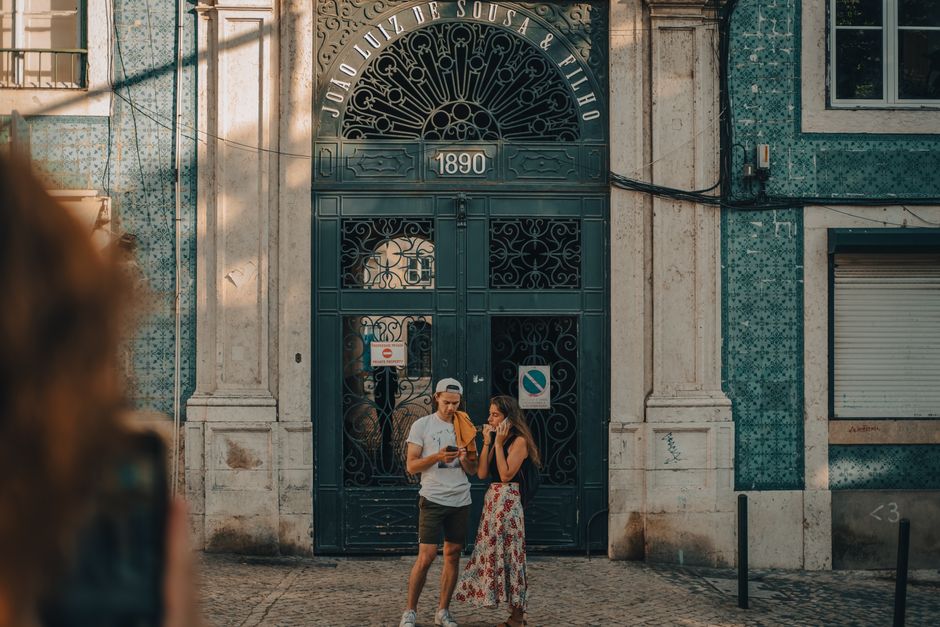
Imagine spending three full days in Lisbon’s Alfama district. Instead of just passing through, you could start your mornings with a pastry and coffee at a local padaria, recognizing the same faces each day. You might spend an afternoon wandering through the Fado Museum, then in the evening, find a small, unpretentious Fado house where locals gather for impromptu performances. The next day, you could visit the Feira da Ladra flea market, chat with vendors, and later, learn to make pastel de nata in a small group cooking class. This isn’t just seeing Lisbon; it’s experiencing it, connecting with its rhythm and people.
In Montreal, a slow approach might involve focusing on the Plateau Mont-Royal. Explore its vibrant murals, spend an afternoon browsing independent bookstores and boutiques on Saint-Laurent Boulevard, then unwind in Parc La Fontaine. You could even take a French language immersion class for a day or two, even if you just learn greetings and basic phrases. This type of deep dive reveals layers that rapid travel simply can’t.
A Practical Guide to Planning One-Base Regional Trips
Integrating Local Life and Authentic Experiences
This is where the magic happens. A culture-first itinerary thrives on activities that put you in direct contact with local customs, food, and daily routines. Think like a local, not just a visitor.
Food as a Cultural Gateway
Eating is inherently cultural, and moving beyond Michelin-starred restaurants or well-known tourist eateries can be incredibly rewarding. Seek out neighborhood bakeries, bustling food markets, and family-run restaurants. In Brussels, instead of only going for tourist-trap waffles, find a local friterie for authentic Belgian fries and a proper beer at a cozy cafe. Consider a food tour led by a local, or even better, a cooking class. Learning to prepare traditional dishes offers a hands-on understanding of local ingredients and culinary traditions.
For example, in Oaxaca, Mexico, a mole cooking class isn’t just about food; it’s a deep dive into the region’s agricultural history, indigenous traditions, and family recipes passed down through generations. You’re not just eating a dish; you’re understanding its story.
Connecting Through Arts and Crafts
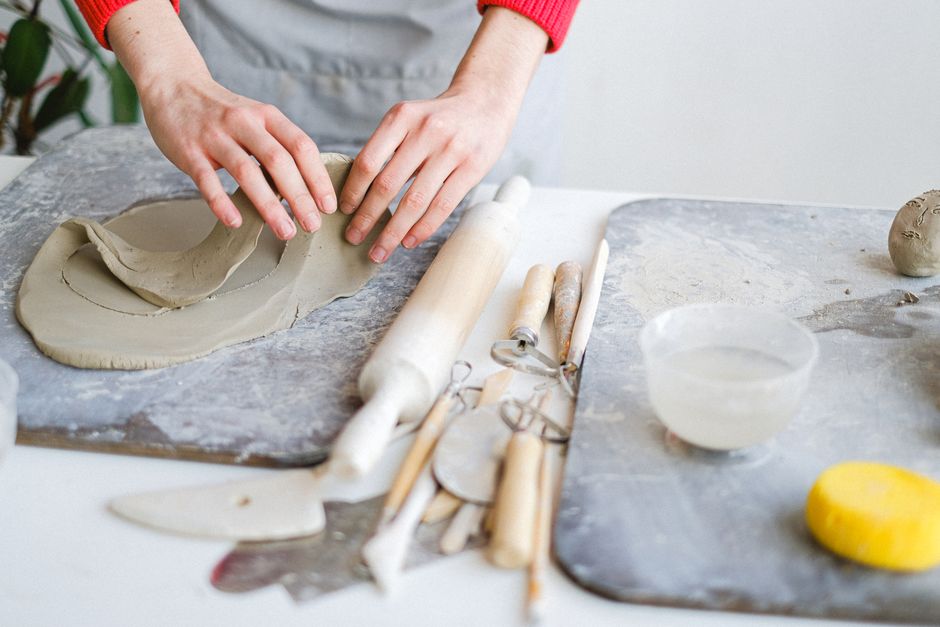
Beyond formal art galleries, look for opportunities to engage with local artisans. Many cities offer workshops where you can try your hand at traditional crafts. Perhaps a ceramics workshop in Lisbon’s Alentejo region, a weaving class with indigenous communities in Peru, or visiting local art studios in a bohemian neighborhood in New York City. These experiences create lasting memories and often provide a unique, handmade souvenir with a story.
Leveraging Local Wisdom and Resources
You don’t have to plan everything yourself. Locals are your best resource for uncovering authentic experiences. Online communities, specialized tour operators, and even hotel staff can offer invaluable insights.
Specialized Local Guides
While generic city tours have their place, seek out guides who specialize in a particular niche. Maybe it’s a street art tour in Berlin, a historical walk focused on a specific era in Rome, or a nature guide who knows the best trails and wildlife spots in Patagonia. These guides often bring a passion and depth of knowledge that transforms an ordinary walk into an extraordinary learning experience. In many European cities, you can find ‘free’ walking tours (tip-based) led by passionate students or locals, which often highlight fascinating cultural quirks you wouldn’t find in a guidebook.
Community Events and Festivals
Before you travel, research local events calendars. Is there a neighborhood festival, a farmers’ market, a live music night at a local pub, or a community theater performance happening during your visit? These are prime opportunities for genuine cultural immersion. Imagine stumbling upon a lively jazz festival in a Montreal park, or joining in the festivities of a religious procession in a small town in South America. These moments are often unscripted and provide a true glimpse into the local spirit.
Building Flexibility and Embracing Serendipity
Perhaps the most crucial element in avoiding museum fatigue and cultivating a culture-first itinerary is building in ample downtime and remaining open to spontaneity. An overly rigid schedule leaves no room for the unexpected, and often, the most memorable travel moments are those you didn’t plan.
The Power of Unscheduled Time
Don’t fill every hour. Leave afternoons open for wandering, for following a fascinating side street, for lingering in a park, or for simply sitting at a cafe and people-watching. These unhurried moments allow you to absorb the atmosphere, notice details you might otherwise rush past, and discover hidden gems. Maybe you’ll strike up a conversation with a local, or stumble upon a charming bookstore. These are the moments where you truly connect with a place.
Common Culture-Trip Mistakes That Make Cities Feel Exhausting
Balancing Iconic Sights with Hidden Gems
A culture-first itinerary doesn’t mean skipping the Eiffel Tower or the Colosseum entirely. It means being strategic. Perhaps you visit a major landmark first thing in the morning to beat the crowds, spending just an hour. Then, dedicate the rest of your day to exploring a less touristy neighborhood, trying local street food, and soaking in the everyday life. It’s about balance: appreciating the icons without letting them dominate your entire trip.
FAQ – Your Culture-First Itinerary Questions Answered
What does “museum fatigue” actually mean?
Museum fatigue describes the mental and physical exhaustion experienced after spending too much time in museums or similar cultural institutions. It manifests as a diminished ability to appreciate or absorb information, often leading to a feeling of being overwhelmed rather than enlightened by the exhibits.
How can I find authentic local experiences in a new city?
To find authentic local experiences, start by consulting local tourism boards for event calendars, read independent local blogs, or look for community-focused social media groups. Engaging with locals directly, perhaps through Airbnb Experiences or asking staff at small businesses, can also reveal hidden gems.
Is it okay to skip major attractions entirely for a culture-first trip?
Absolutely, it’s entirely okay. A culture-first trip is about tailoring the experience to your interests. If a major attraction doesn’t align with what you want to gain from your travels, or if you prefer a different type of engagement, prioritizing other cultural activities will lead to a more fulfilling and personalized journey.
How much time should I allocate per city for slow travel?
For true slow travel and a deeper cultural immersion, aim for a minimum of 5-7 days per city, or even longer if possible. This duration allows you to settle in, explore neighborhoods thoroughly, engage in local activities, and build a rhythm without feeling rushed or needing to constantly move.
What are some good alternatives to traditional museums for cultural learning?
Excellent alternatives include attending local markets, taking cooking classes, visiting artisan workshops, going to live music or dance performances, exploring historical neighborhoods on foot, participating in community festivals, or simply spending time in local parks and cafes to observe daily life.
How do I budget for a culture-first trip, which often includes unique experiences?
Budgeting for a culture-first trip can be flexible. Many local experiences like market visits or self-guided neighborhood walks are inexpensive or free. Prioritize spending on a few key experiences like a cooking class or a specialized local tour, and save on accommodation or transportation where possible to balance costs.
Key Takeaways for Thoughtful Travelers
Ultimately, learning how to build a culture-first itinerary without museum fatigue comes down to a deliberate shift from consumption to immersion. It’s about designing a trip that aligns with your personal interests, allowing you to connect authentically with a destination rather than just observe it. Prioritize quality over quantity, embrace serendipity, and seek out genuine human connection.
Whether you’re exploring the charming backstreets of Lisbon, discovering the artistic pulse of Montreal, or savoring the culinary delights of Brussels, remember that culture is found not just in grand institutions, but in everyday life. By slowing down, engaging with locals, and being open to the unexpected, you’ll create a travel experience that is truly enriching and deeply memorable.
So, ditch the checklist mentality and plan your next thoughtful trip with Vie En Mots, where every journey is an opportunity for discovery.