

You’ve poured your heart into building a small brand, perfecting your product, and finding your local customer base. Sales are steady, maybe even growing nicely, but you can’t shake the feeling there’s a bigger opportunity out there. That opportunity often lies across a border, in a new country, with entirely new customers eager for what you offer.
The thought of shipping your artisan jewelry from a small studio in Lisbon to a customer in New York, or sending handmade leather goods from Texas to a boutique in Berlin, can feel overwhelming. Suddenly, you’re not just a craftsperson or a small business owner; you’re an accidental international logistics expert, a tax specialist, and a global marketer all rolled into one. It’s enough to make many small brands stick to what they know, missing out on significant growth. But with the right approach, the cross-border selling basics for small European and American brands are surprisingly manageable.
This guide aims to demystify the process. We’ll walk through the practicalities, share common pitfalls to avoid, and provide a clear roadmap to help your small brand confidently step onto the international stage, whether you’re targeting customers in Montreal, Sao Paulo, or expanding within the vast EU market.
Getting Started: A Quick Overview of Cross-Border Selling
Before diving into the specifics, it’s helpful to understand the core components of cross-border selling for small brands. Think of these as the fundamental pillars supporting your international expansion:
- Market Research: Identify which countries offer the best potential for your product, considering demand, competition, and cultural fit.
- Legal & Regulatory Compliance: Understand product standards, labeling requirements, and intellectual property laws in your target markets.
- Pricing & Currency: Develop a pricing strategy that accounts for international shipping costs, duties, taxes, and currency exchange rates.
- Shipping & Logistics: Choose reliable carriers, understand customs procedures, and manage delivery expectations.
- Payment Processing: Offer international payment options that are secure and convenient for your global customers.
- Customer Service: Adapt your support to address international time zones, languages, and specific customer needs.
- Marketing & Localization: Tailor your marketing messages and website content to resonate with local audiences.
Choosing Your Battleground: Market Research & Product Fit
One of the biggest mistakes small brands make is trying to sell everywhere at once. It’s far more effective to pick one or two promising markets, learn the ropes, and then expand. For small European and American brands, this often means looking at immediate neighbors or markets with strong existing trade relationships.
Identifying High-Potential Markets
Start by analyzing your current website traffic. Are you already seeing organic visitors from, say, Canada or Germany? This can be a strong indicator of latent demand. Consider countries where English is widely spoken if you’re not ready for full localization, or where your product category is underserved. For a small European brand, the EU market offers a fantastic starting point, as goods can move relatively freely between member states once customs are cleared at the first point of entry into the EU. For an American brand, Canada is often a natural first step, with Mexico following closely behind.
Think about consumer behavior too. Is there a strong appreciation for artisanal, small-batch, or sustainable products in your target region? For example, products emphasizing ethical sourcing might find a strong audience in Scandinavian countries or certain North American urban centers like Montreal, known for its discerning tastes.
Product Adaptation & Localization
Sometimes, a product needs slight adjustments to succeed internationally. This could mean:
- Labeling: Ingredient lists, warnings, or nutritional information might need to be translated or adhere to specific local standards. The EU, for instance, has stringent regulations for cosmetic and food product labeling.
- Power Requirements: For electronics, ensure compatibility with local voltage and plug types (e.g., different plugs in the UK vs. continental Europe or North America).
- Units of Measurement: Switching from imperial to metric for sizes or weights on product pages can significantly improve clarity and reduce returns.
- Cultural Relevance: Ensure your product name or packaging doesn’t have unintended negative connotations in the local language or culture. A seemingly innocuous phrase in English could be offensive elsewhere.
Navigating the Maze: Taxes, Duties, and Legal Compliance
This is often where small brands get cold feet, and understandably so. The tax and legal landscape can seem like a minefield, but it’s navigable with some research and the right tools.
Understanding International Taxes & Duties
When selling cross-border, you’ll primarily encounter:
- Value Added Tax (VAT): Predominant in Europe. If you’re a European brand selling within the EU, you generally charge VAT at the rate of the customer’s country once you exceed certain thresholds (known as the OSS — One Stop Shop — scheme). For non-EU brands selling into the EU, you might need to register for VAT or use an IOSS (Import One-Stop Shop) intermediary if your goods are under €150 to streamline customs and ensure the customer pays VAT at the point of sale.
- Sales Tax: In the United States, sales tax is collected at the state and sometimes local level. As a non-US brand selling to the US, you typically won’t have to collect sales tax unless you establish significant “nexus” (a physical or economic presence) in a particular state. However, US brands selling internationally must understand if they need to collect VAT/GST for other countries.
- Customs Duties: These are taxes levied on imported goods. The specific duty rate depends on the product type (HS code), its value, and the origin and destination countries. For example, a US brand shipping to the UK post-Brexit will find different duty structures than pre-Brexit.
- GST/HST: In Canada, a Goods and Services Tax (GST) applies federally, and some provinces also have a Harmonized Sales Tax (HST) or Provincial Sales Tax (PST). If you’re shipping to Canada, especially cities like Montreal, you’ll need to understand how these apply.
The key here is Delivery Duty Paid (DDP) vs. Delivery Duty Unpaid (DDU). DDP means you, the seller, are responsible for all duties and taxes, collecting them at checkout. DDU (or DAP – Delivered at Place) means the customer is responsible for these fees upon delivery. For better customer experience, DDP is almost always preferred, as surprise fees can lead to refused deliveries and negative reviews. Many shipping platforms now integrate DDP calculations.
Product Compliance & Regulations
Beyond taxes, your product itself must meet local standards. This is particularly crucial for categories like:
Better Email Follow-Ups for Quiet Sales Pipelines: Turning Drips into Deluge
- Cosmetics: The EU has very strict ingredient regulations; many chemicals allowed in the US are banned in Europe.
- Children’s Products: Safety testing and certification (e.g., CE mark for the EU) are often mandatory.
- Food & Beverages: Ingredient lists, allergen declarations, and nutritional information are highly regulated.
Ignoring these can lead to goods being seized at customs, hefty fines, or even legal action. A small brand selling natural beauty products from Europe into the US would need to ensure all ingredients comply with FDA guidelines, for instance.

The Journey: International Shipping & Logistics
Getting your product from point A to point B across oceans or continents requires a solid shipping strategy. This is where the rubber meets the road for cross-border selling for small European and American brands.
Choosing Your Shipping Partner
Several carriers offer international shipping, each with different strengths and price points:
- Postal Services (e.g., USPS, Royal Mail, Deutsche Post): Often the most affordable for small, lightweight items, but can be slower and sometimes less trackable. Good for low-value goods where delivery speed isn’t critical.
- Express Couriers (e.g., FedEx, UPS, DHL): Faster, more reliable, excellent tracking, but significantly more expensive. Ideal for higher-value items or when customers demand quick delivery. DHL is particularly strong in the EU market and for shipments to South America.
- Hybrid Services: Some services combine a national postal service for the first leg and an express courier for the international leg, offering a middle ground.
When selecting, consider tracking capabilities, insurance options, and their expertise in handling customs documentation for your target regions like Sao Paulo or other major international hubs.
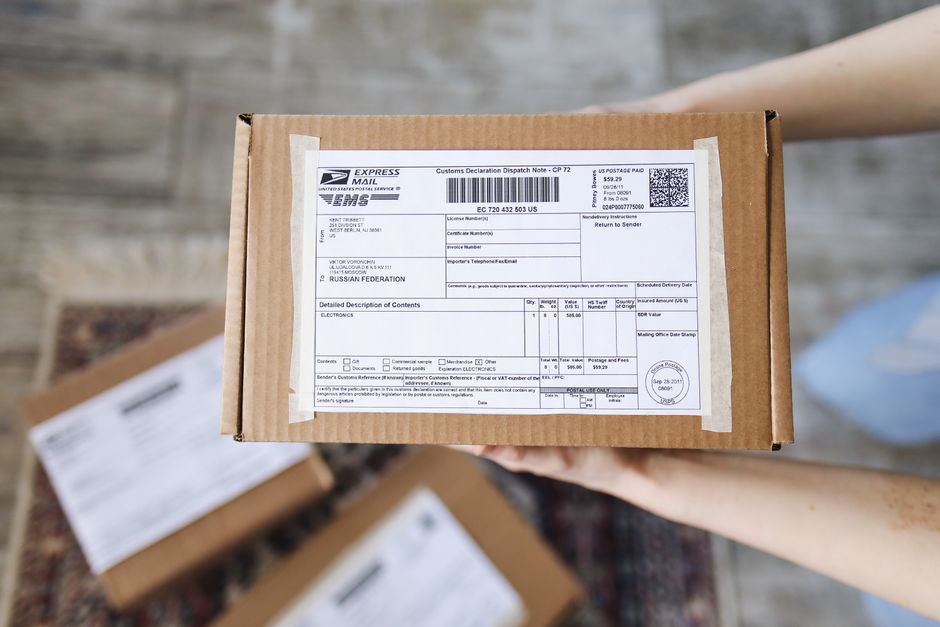
Customs Documentation Essentials
Every international shipment requires specific documents:
- Commercial Invoice: Details the sender, recipient, goods description, quantity, value, HS (Harmonized System) codes, and terms of sale (e.g., DDP). Accurate HS codes are vital to determine duties and ensure smooth customs clearance.
- Packing List: Itemizes contents of each package.
- Air Waybill/Bill of Lading: The contract between the shipper and carrier.
- Proof of Origin: Sometimes required for preferential duty rates under free trade agreements (e.g., USMCA for North America, or various EU agreements).
Most shipping software integrates with your store and can help generate these documents automatically, minimizing manual errors.
Show Me the Money: International Payments & Pricing
Once you’ve nailed down the logistics, you need to ensure customers can pay you easily and that your pricing strategy is profitable.
Offering Diverse Payment Gateways
While credit cards are globally accepted, offering local payment methods can significantly boost conversion rates. Consider options like:
- PayPal: Widely used and trusted globally.
- Stripe: Offers a wide range of local payment methods beyond just credit cards, including iDEAL in the Netherlands, Sofort in Germany, and Boleto Bancário in Brazil (common in places like Sao Paulo).
- Apple Pay/Google Pay: Convenient for mobile users.
Ensure your chosen gateway can handle multiple currencies and offers strong fraud protection.
Strategic International Pricing
Your domestic price won’t simply translate to an international market. You need to factor in:
- Shipping Costs: Clearly account for these, whether absorbed, subsidized, or passed directly to the customer.
- Duties & Taxes: As discussed, decide whether these are included (DDP) or extra (DDU).
- Currency Exchange Rates: These fluctuate, so build in a small buffer or use a platform that automatically updates rates.
- Local Market Sensitivity: Is your product priced competitively in the new market? A luxury item in your home country might be seen as mid-range in a more affluent market, or vice-versa.
Transparent pricing, where the customer sees the total cost including shipping, duties, and taxes upfront, is critical for building trust and reducing abandoned carts.
The Practical Guide to Building Trust Before a Sales Call
Building Relationships: Customer Service & Marketing
Successful cross-border selling for small brands isn’t just about getting products there; it’s about building a connection with your new global customer base.
Adapting Customer Support
Consider the following:
- Response Times: With different time zones, a 24-hour response might be challenging for a small team, but clear communication about expected response times is important.
- Language: English is often sufficient for initial outreach, but offering support in key local languages (even with translation tools) can make a huge difference.
- Returns & Refunds: Clearly outline your international returns policy. Who pays for return shipping? What’s the process? This needs to be transparent on your website.
Localized Marketing Strategies
Generic marketing rarely works internationally. Think about:
- Website Localization: Translating key pages (product descriptions, FAQs, checkout) is a good start. Even subtle cultural cues in imagery or copy can make a big difference.
- SEO for International Markets: Research local keywords and ensure your content is optimized for those terms. For example, a search for “artisanal coffee” in France might yield different results than in the US.
- Social Media: Understand which platforms are dominant in your target country. While Facebook and Instagram are global, platforms like VK in Russia or WeChat in China might be more effective for those specific markets. Even within North America, local influencers in cities like Montreal can drive significant engagement.
- Local Partnerships: Collaborating with local bloggers, influencers, or small boutiques can be a powerful way to gain credibility and reach.
FAQ: Answering Your Cross-Border Selling Questions
Do I need to register a separate business entity in each country I sell to?
For most small brands starting with direct-to-consumer cross-border selling, no. You typically operate as an exporter from your home country. However, if you establish a physical presence, hire staff, or reach significant sales thresholds in a foreign country, you might need to consider local registration.
How do I calculate shipping costs accurately for international orders?
Accurate shipping cost calculation involves package weight, dimensions, destination, and the chosen shipping service. Many e-commerce platforms and shipping software integrate with carriers to provide real-time quotes, which can then be presented to the customer at checkout, often including DDP options.
What are HS codes and why are they important for customs?
HS (Harmonized System) codes are standardized numerical classifications for products traded internationally. They are crucial because customs authorities use them to determine the correct duties and taxes that apply to your goods. Incorrect HS codes can lead to delays, fines, or incorrect duty charges.
What about currency conversion rates? Should I sell in local currency?
Displaying prices in the customer’s local currency using a currency converter enhances their shopping experience and builds trust. While your payment gateway will typically convert funds to your primary currency, clearly showing local prices upfront helps customers understand the true cost without mental math, reducing cart abandonment.
How can I protect my intellectual property (IP) when selling internationally?
Trademark and patent protection are generally territorial. If you have a unique brand name or product design, consider registering your IP in your key target markets (e.g., the EU Intellectual Property Office for the EU market, or national offices in the US, Canada, or Brazil) before significant expansion. This proactive step can prevent counterfeiting.
Key Takeaways for Cross-Border Selling
Stepping into international markets with your small brand doesn’t have to be a leap of faith. It requires careful planning and a willingness to learn, but the rewards can be substantial. Remember, successful cross-border selling for small European and American brands is built on a few core principles.
Start small and iterate. Don’t try to conquer the entire world at once. Pick one or two promising markets, understand their nuances, and then expand. For EU brands, neighboring countries are an obvious starting point; for US brands, Canada often proves easiest. Focus on getting the basics right first.
Transparency is paramount, especially with costs. No customer likes surprise fees. Whether it’s the VAT in the EU market, sales tax in the US, or import duties for a shipment to Sao Paulo or Montreal, be upfront about all costs. Providing DDP (Delivery Duty Paid) options at checkout builds immense trust and reduces delivery issues.
Leverage technology and expert advice. E-commerce platforms, shipping aggregators, and payment gateways have come a long way in simplifying international transactions. Don’t be afraid to use their tools. For complex tax or legal questions, consulting with an international trade specialist or customs broker can save you headaches and costly mistakes down the line.
Ready to take your brand global with confidence? Explore smarter business guides on Vie En Mots for more insights.