

In cities across the globe, from the bustling streets of Paris to the historic quarters of Buenos Aires and the vibrant avenues of Brooklyn, a quiet revolution is taking hold: the resurgence of independent retail within walkable neighborhoods. People are increasingly seeking out authentic experiences, and that often means sidestepping the anonymous big-box stores in favor of a local bookstore, a artisanal bakery, or a boutique clothing shop. For business owners, understanding these shifts isn’t just a nice-to-have; it’s fundamental to building a resilient, profitable enterprise.
This isn’t about wistful nostalgia for a bygone era. It’s about a strategic response to evolving consumer habits, where convenience, community, and curated goods are king. The success of independent retail in these concentrated, pedestrian-friendly zones hinges on recognizing and adapting to specific market dynamics, often quite distinct from larger commercial districts.
For anyone considering launching a new venture, or refining an existing one, paying close attention to these independent retail trends for walkable neighborhoods offers a roadmap to connection and commercial viability. The goal isn’t just to open a shop; it’s to embed it deeply within the fabric of its surroundings.
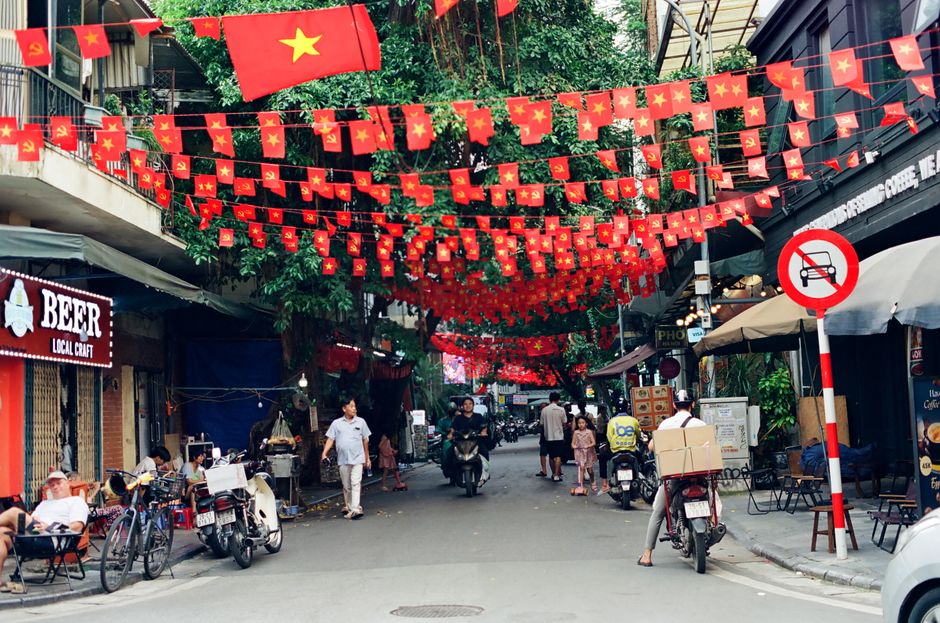
The Hyper-Local Imperative: More Than Just Proximity
The term ‘hyper-local’ gets thrown around a lot, but in the context of independent retail in walkable areas, it signifies a profound shift in consumer expectations. Shoppers aren’t just looking for something close; they’re looking for something that feels like theirs, a place that reflects the unique character and needs of their immediate community. This goes beyond carrying local products; it involves a deep understanding of the local demographic, their preferences, and even their daily rhythms.
Curated Assortments Over Broad Selection
Gone are the days when a store needed to have everything. Independent retailers thrive by offering a carefully chosen selection that speaks directly to their target customer. Think about a small record shop in Berlin’s Kreuzberg district; it’s not trying to compete with a massive online music retailer. Instead, it focuses on rare vinyl, niche genres, and maybe even local band merchandise, creating a destination for enthusiasts. This model works because it fosters discovery and a sense of belonging among customers who share similar tastes.
- Example: In New York’s West Village, many independent bookstores, like Three Lives & Company, prioritize a highly curated selection of literary fiction and non-fiction over mass-market bestsellers. Their success lies in their discerning taste and knowledgeable staff, offering recommendations that feel personal and trustworthy.
- Application: Before stocking shelves, spend time in the neighborhood. What are people talking about? What are they missing? Engaging with local community groups or online forums can provide invaluable insights.
Experiential Retail: Beyond the Transaction
In a world saturated with online shopping, physical retail needs to offer something more than just a product. It needs to offer an experience. This could be a coffee shop that hosts open mic nights, a bookstore with comfortable reading nooks and author events, or a cooking supply store that runs weekly workshops. The goal is to create a reason for people to linger, connect, and view your store as a community hub.
In Montreal, for instance, many independent boutiques on streets like Rue Saint-Denis leverage their space for pop-up art exhibits or evening shopping events with local DJs. These activities transform a simple retail visit into a social occasion, fostering loyalty and word-of-mouth marketing.
Sustainability and Ethical Sourcing: A Growing Priority
Consumers, particularly in Europe and increasingly in North and South America, are more conscious than ever about the environmental and social impact of their purchases. Independent retailers in walkable neighborhoods are uniquely positioned to capitalize on this by emphasizing sustainable practices and ethically sourced goods.
Transparency as a Trust Builder
When a small business can genuinely explain where their products come from, how they’re made, and the labor conditions involved, it builds immense trust. This is a significant advantage over larger chains with opaque supply chains. Whether it’s clothing made from organic cotton, coffee sourced directly from small farms in Colombia, or handmade ceramics from local artisans, communicating these stories resonates deeply.
What Small Businesses Should Track Before Buying More Software
For businesses targeting the EU market, where regulations around sustainability and ethical sourcing are often more stringent and consumer awareness higher, making these practices central to your brand identity is not just good PR; it’s often a commercial necessity.
Reducing Environmental Footprint
Walkable neighborhoods inherently support a lower carbon footprint for shoppers, as they often arrive on foot, by bike, or via public transport. Independent retailers can extend this ethos by minimizing waste, using energy-efficient fixtures, offering refill options for products like soap or dry goods, and partnering with local recycling initiatives. A small grocery in Amsterdam might focus on unpackaged goods, encouraging customers to bring their own containers, tapping into a broader community value.
Digital Integration with a Local Twist
While the focus is on physical spaces, ignoring digital tools is a mistake. The key is to integrate technology in a way that enhances the local experience, rather than detracting from it.
Local SEO and Online Presence
For any independent business, appearing prominently in local search results is non-negotiable. This means optimizing Google My Business profiles, ensuring consistent name, address, and phone number (NAP) across all online listings, and encouraging customer reviews. When someone searches for “best coffee shop near me” in Rio de Janeiro, you want your establishment to be at the top of the list.
Leveraging Social Media for Community Engagement
Social media isn’t just for global brands. For independent retailers, it’s a powerful tool for community building. Platforms like Instagram allow businesses to showcase new arrivals, share behind-the-scenes glimpses, highlight local events, and interact directly with customers. A charming bakery in Buenos Aires can post daily photos of fresh pastries, run polls on new flavor ideas, or announce local collaborations, turning followers into regular visitors.
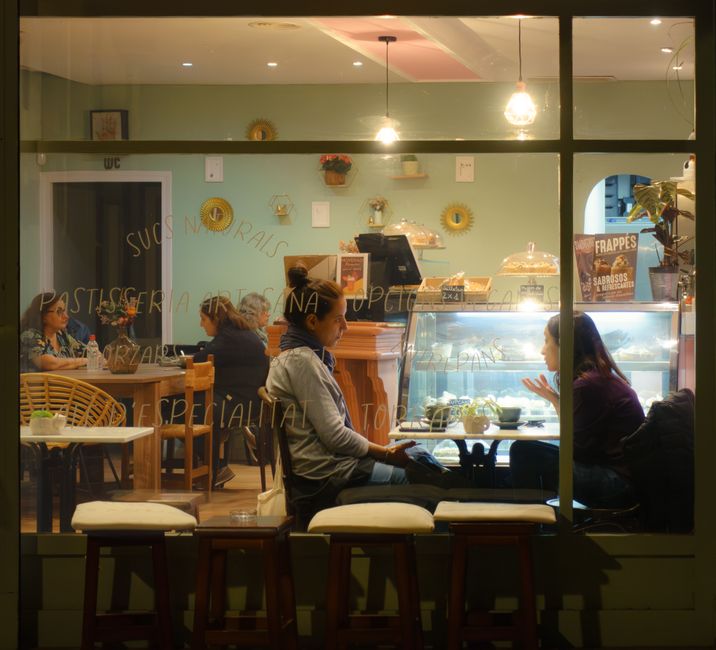
Fostering Community and Collaboration
Perhaps the most crucial independent retail trend for walkable neighborhoods is the emphasis on community building. These businesses don’t just exist within a neighborhood; they are an active part of it.
Partnerships with Neighboring Businesses
Cross-promotion and collaboration with other independent businesses create a stronger local ecosystem. A vintage clothing store might partner with a nearby salon for a joint event, or a specialty food shop could team up with a local brewery for a tasting evening. These collaborations enhance the overall appeal of the neighborhood as a shopping destination.
Consider the many small businesses in Portland, Oregon, known for its strong local business culture. It’s common to see a coffee shop promoting a gallery next door or a bookstore selling products from a local artisan, creating a synergistic effect that benefits everyone.
Corsica Ferries Tickets | Routes, Prices & Easy Booking
Becoming a Neighborhood Hub
Successful independent retailers often become informal community hubs. This means providing a welcoming space where people feel comfortable spending time, not just money. It could be a bookstore with a cozy reading corner, a café with ample seating for remote workers, or a boutique with friendly staff who know regulars by name. This personal touch is something large chains struggle to replicate.
Navigating the Challenges: What to Watch For
While the opportunities are significant, independent retailers in walkable neighborhoods also face unique challenges.
Rising Rents and Operating Costs
Popular walkable neighborhoods often come with high rental costs, particularly in major cities like New York or Paris. This necessitates careful financial planning and often a higher price point for goods, which must be justified by superior quality, service, or uniqueness.
Competition from Online Retailers
Despite the focus on physical presence, the omnipresent threat of online giants remains. Independent stores must offer something that online cannot: immediate gratification, personalized interaction, sensory experiences, and a direct connection to the community.
Staffing and Personalization
Maintaining a high level of personalized service requires dedicated, knowledgeable staff. Attracting and retaining such talent can be challenging, especially for smaller businesses with limited resources. Investing in staff training and creating a positive work environment are critical for delivering on the promise of independent retail.
FAQ: Independent Retail in Walkable Neighborhoods
How are independent retail trends for walkable neighborhoods changing consumer habits?
These trends are shifting consumer habits towards valuing authenticity, local connection, and personalized experiences over sheer convenience or low prices. Shoppers are more likely to seek out unique products, support local economies, and engage with businesses that align with their values, leading to more intentional and community-focused purchasing.
What opportunities do independent retail trends in walkable neighborhoods present for the EU market?
In the EU market, independent retail trends offer significant opportunities for businesses to tap into strong consumer preferences for sustainability, ethical sourcing, and local craftsmanship. Cities like Copenhagen and Barcelona, with their emphasis on pedestrian zones and local culture, are prime locations for independent businesses that prioritize transparent supply chains and unique European-made goods.
How can a new business in Montreal best leverage independent retail trends?
A new business in Montreal can leverage these trends by focusing on the city’s unique cultural blend. Emphasize bilingual service, showcase local Québécois artisans or designers, host community events that reflect Montreal’s vibrant arts scene, and integrate sustainability. Building strong relationships with other local businesses in a specific neighborhood like the Plateau Mont-Royal is also key.
What is the role of technology in supporting independent retail trends for walkable neighborhoods?
Technology supports independent retail by enhancing discovery and engagement without replacing the physical experience. This includes solid local SEO, active social media presence for community building, online ordering for pickup, and digital loyalty programs. The goal is to drive foot traffic and deepen customer relationships, not to simply compete with e-commerce giants.
How do independent retail trends in walkable neighborhoods differ across North and South America?
While the core desire for local and authentic experiences is universal, the specific expressions differ. In North America (e.g., Brooklyn, Toronto), there’s a strong emphasis on curated, artisanal goods and experiential retail. In South America (e.g., Buenos Aires, Medellín), there’s often a deep connection to traditional crafts, vibrant community markets, and a strong sense of local identity and storytelling embedded in the products.
Thriving in the world of independent retail, particularly within walkable neighborhoods, means more than just having a good product. It requires a deep understanding of local dynamics, a commitment to community, and a willingness to adapt to evolving consumer values. By embracing these independent retail trends for walkable neighborhoods, businesses can not only survive but truly flourish, creating spaces that are both economically viable and deeply cherished by the people they serve. To learn more about building smarter businesses and navigating these dynamic markets, explore our guides. Explore smarter business guides on Vie En Mots.