
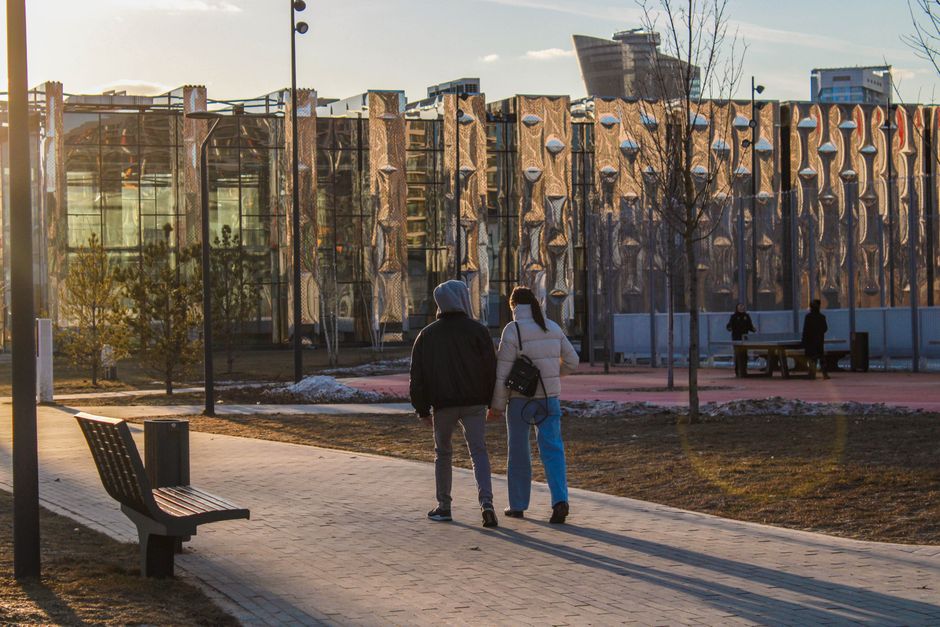
You’ve seen those incredible travel photos: the golden hour light bathing a historic square in Lisbon, the crisp, clear air over the Rockies in Banff, or the vibrant hues of autumn foliage in rural New England. What often goes unsaid in those perfect shots is the meticulous planning that went into being there at just the right time. For many travelers, especially those with a camera in hand, blindly picking dates can lead to disappointment – think washed-out skies, endless rain, or the harsh glare of midday sun.
A common mistake is focusing solely on ‘peak season’ or ‘off-season’ pricing without considering the actual conditions you’ll encounter. While a cheap flight to Brussels in January might sound appealing, you might find yourself navigating gray skies and short daylight hours, not ideal for wandering Grand Place or capturing its intricate architecture. Similarly, visiting the Caribbean during hurricane season, even with discounted rates, carries obvious risks and potential for spoiled plans.
This isn’t about being a slave to the forecast, but rather an informed traveler. Understanding and actively planning trips around seasonal light and weather is the difference between hoping for a good experience and virtually guaranteeing one. It empowers you to maximize your enjoyment, whether your priority is stunning photography, comfortable exploration, or simply avoiding environmental extremes.
Quick Overview: Mastering Seasonal Travel Planning
- Research Climate Averages: Go beyond temperature; look at rainfall, humidity, and average daylight hours.
- Understand Golden & Blue Hours: These are critical for photographers and create magical ambiance for everyone.
- Account for Solstice & Equinox: Daylight hours vary dramatically throughout the year, especially at higher latitudes.
- Monitor Local Weather Patterns: Some regions have microclimates or unpredictable shifts; check historical data.
- Consider Local Events & Holidays: These can impact crowds and pricing, but also offer unique photo opportunities.
- Pack Smart: Layers are almost always a good idea, regardless of the season.
- Have a Backup Plan: Even with careful planning, weather can surprise you. Know what indoor activities are available.
- Embrace the Unexpected: Sometimes, the ‘bad’ weather makes for the most dramatic and memorable photos.
Decoding Daylight: The Photographer’s Best Friend (and Foe)
For photographers, light isn’t just something that illuminates a scene; it is the scene. The quality, direction, and color of light can transform an ordinary subject into something extraordinary. This is precisely why planning trips around seasonal light and weather is non-negotiable for anyone serious about capturing memorable images. It’s not just about avoiding harsh midday sun, though that’s a big part of it.
The Magic of Golden Hour and Blue Hour
You’ve heard these terms, but truly appreciating their impact is key. Golden hour, the period shortly after sunrise or before sunset, bathes everything in a soft, warm glow, creating long, dramatic shadows and reducing contrast. Blue hour, the time just before sunrise or after sunset, offers a deep, ethereal blue light perfect for cityscapes and reflective surfaces. The length of these magical hours varies significantly by season and latitude. Near the equator, they are relatively short, perhaps 30-45 minutes. Closer to the poles, during summer, they can stretch for hours, offering incredible extended shooting opportunities.
Seasonal Variations in Daylight Hours and Angle
Consider Europe: a summer trip to Norway (high latitude) means extremely long daylight hours, with sunsets that linger and golden hour lasting for what feels like an eternity. Conversely, a winter trip to the same region means very short days, but potentially stunning low-angle light even at noon, ideal for snowscapes. In contrast, a destination like Quito, Ecuador, being very close to the equator, experiences almost consistent 12-hour days year-round, but the sun’s overhead position often means very harsh, direct light mid-day.
Weather Patterns: Beyond Rain or Shine
Weather is more than just precipitation. It encompasses temperature, humidity, wind, and atmospheric conditions like fog or haze. Each element plays a role in your travel experience and photographic outcomes. Understanding these nuances is a core component of planning trips around seasonal light and weather.
Temperature Extremes: Comfort and Gear Considerations
A summer trip to Seville, Spain, for example, can mean temperatures regularly exceeding 40°C (104°F), which might be wonderful for sunbathing but grueling for sightseeing or carrying heavy camera gear. Conversely, a winter trip to Montreal, Canada, often means sub-zero temperatures and heavy snow. For outdoor photography, this means ensuring your gear is cold-rated (batteries drain faster in the cold) and that you’re dressed appropriately to remain comfortable enough to shoot.
Humidity, Wind, and Atmospheric Effects
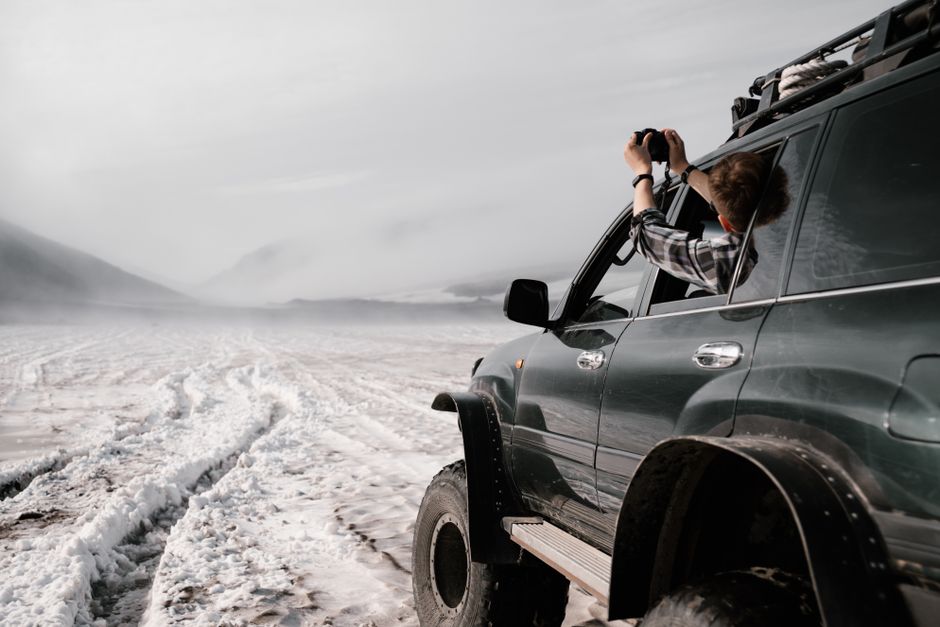
High humidity can cause lenses to fog up, especially when moving between air-conditioned spaces and the outdoors. Strong winds can make tripod work challenging and introduce camera shake. Then there are those unique atmospheric effects: the dense fog rolling in over the Golden Gate Bridge in San Francisco, the dramatic storm clouds gathering over the Andes in South America, or the ethereal mist rising from waterfalls in Iceland. These aren’t ‘bad’ weather; they’re opportunities for unique imagery, provided you’ve planned for them and packed the right gear (weather-sealed camera, lens cloths).
Corsica Ferries Booking | Easy Tickets, Routes & Prices
Navigating Regional Climates: Europe, North America, and South America
The vastness of these continents means incredible climate diversity. Generic advice won’t cut it. Effective planning trips around seasonal light and weather requires delving into specifics.
Europe: Mediterranean Charm vs. Northern Vistas
Take Lisbon, Portugal. Its Mediterranean climate means hot, dry summers perfect for beach days, but the intense midday sun can be challenging for street photography. Spring (April-May) and autumn (September-October) offer milder temperatures, fewer crowds, and beautiful golden hour light that lingers, ideal for capturing the city’s iconic trams and colorful tiles. Winter is generally mild and wet, with shorter days but still offering charm, especially during the festive season.
Compare this to Brussels, Belgium. While also in Europe, its oceanic climate brings cooler summers and mild, often cloudy winters. The light is often softer and diffused, which can be fantastic for architectural details, but long stretches of gray days are common from November to March. For vibrant floral displays, visiting in late spring (April-May) is ideal, while autumn brings lovely foliage in the surrounding parks.
North America: From Coastal Fog to Mountain Majesty
Montreal, Canada, exemplifies a continental climate with distinct seasons. Summers are warm and humid, offering long daylight hours for exploring festivals and outdoor cafes. Autumn is famous for its stunning fall foliage, a photographer’s dream, with crisp air and beautiful light. Winters are cold and snowy, transforming the city into a winter wonderland, perfect for capturing cozy street scenes, though requiring careful planning for warmth and shorter days. Spring is transitional, with thawing snow and budding trees.
In contrast, the desert Southwest of the United States (e.g., Arizona, Utah) experiences extremely hot summers, making early morning or late evening the only comfortable times for outdoor activity. Winters are mild and often sunny, making it a prime destination for escaping northern cold.
South America: Equatorial Sun and Andean Altitudes
South America presents a huge range. Near the equator, like parts of Colombia or Brazil, temperatures are relatively consistent year-round, but rainfall can vary dramatically. Planning around dry seasons is crucial for outdoor activities and clear skies. Further south, in Patagonia, spring (November-December) and autumn (March-April) offer more stable weather and fewer strong winds compared to the height of summer, making it ideal for hiking and landscape photography. The altitude in places like Cusco, Peru, also influences weather; clear, crisp mornings often give way to afternoon cloud cover or rain, especially during the wet season (December-March).
Beyond the Forecast: Practical Considerations and Trade-offs
Even with all this knowledge, flexibility and practical considerations are key. There are always trade-offs when planning trips around seasonal light and weather.
Crowds vs. Conditions
Often, the ‘best’ weather and light coincide with peak tourist season, meaning higher prices and larger crowds. For instance, Paris in May or October offers beautiful weather and light, but you’ll be sharing the Eiffel Tower with many others. Traveling in the shoulder season (just before or after peak) can offer a sweet spot of decent weather, good light, and fewer crowds. Sometimes, embracing the ‘less ideal’ season (e.g., Venice in winter fog) can yield unique, moody photos without the throngs of tourists.
How to Travel for Food Without Turning Every Meal Into a Reservation
Gear and Preparedness
Always check the long-range forecast closer to your departure, but pack for a range of conditions. Layers are universally helpful. A lightweight rain jacket, even if rain isn’t predicted, can be a lifesaver. For photographers, a good lens hood helps with glare, and a polarizing filter can cut reflections and deepen blue skies. Don’t forget spare batteries; cold weather especially can zap them quickly.
FAQ: Planning Your Trip Around Light and Weather
What should I know about travel seasonal light weather in Lisbon?
Lisbon experiences hot, dry summers (June-August) with intense midday sun, best for beaches. Spring (April-May) and autumn (September-October) offer ideal conditions: mild temperatures, fewer crowds, and lovely golden hour light for photography and city exploration. Winters (November-March) are mild but wetter, with shorter daylight hours, offering a cozy, local feel.
How does seasonal light and weather impact travel to Montreal?
Montreal has four distinct seasons. Summers (June-August) are warm and humid with long daylight, perfect for festivals. Autumn (September-October) brings spectacular fall foliage, crisp air, and ideal photography conditions. Winters (December-February) are cold and snowy, creating a picturesque setting but requiring warm gear and shorter shooting days. Spring (March-May) is a transition with thawing and budding.
When is the best time to visit Brussels for good light and weather?
The best time for good light and weather in Brussels is typically late spring (April-May) and early autumn (September-October). These months offer milder temperatures, longer daylight hours, and often softer, more diffused light excellent for architecture. Summers (June-August) are pleasant but can have occasional heatwaves, while winters (November-March) are often gray, cool, and wet with limited daylight.
What’s the easiest way to find sunrise/sunset times for my destination?
The easiest way is to use a dedicated app like PhotoPills or The Photographer’s Ephemeris, which provide precise golden hour, blue hour, sunrise, and sunset times based on your exact location and date. Alternatively, a quick Google search for ‘sunrise sunset [city name] 2026‘ will also yield good results.
Should I avoid travel during the rainy season for photography?
Not necessarily. While heavy downpours can be disruptive, rainy seasons often bring dramatic skies, lush green landscapes, and unique reflections on wet surfaces. Mist and fog can create incredibly moody and atmospheric images. Just ensure your gear is weather-sealed, and you’re prepared for the conditions with appropriate clothing and a plan for indoor activities.
Key Takeaways: Planning Your Next Thoughtful Trip
Ultimately, planning trips around seasonal light and weather isn’t about rigid adherence to forecasts, but about making informed choices that align with your travel goals. It means understanding that a summer trip to Lisbon will deliver brilliant sun but perhaps harsh midday light, while a winter visit to Montreal offers enchanting snowscapes despite shorter days.
For photographers, this knowledge is power, enabling you to chase that perfect light or dramatic weather event. For every traveler, it means a more comfortable, enjoyable, and ultimately more memorable journey. Don’t leave your travel experience to chance; arm yourself with the knowledge of how seasons influence destinations.
Start applying these insights to your next adventure. Plan your next thoughtful trip with Vie En Mots.