

For people who work late, establishing better snack habits means prioritizing nutrient-dense, easily digestible options over sugary or heavily processed foods. This shift helps maintain stable blood sugar, provides sustained energy, and prevents the crash-and-burn cycle often associated with late-night eating. Focus on protein, fiber, and healthy fats, such as a handful of almonds, Greek yogurt, or a piece of fruit, to support cognitive function and satiety without disrupting sleep or causing digestive discomfort. These choices are crucial for long-term health, as emphasized by organizations like the WHO.
When the clock ticks past dinner and you’re still deep into a project, the siren song of the snack cabinet can be incredibly hard to resist. For many people who work late, especially those balancing demanding careers with family life across places like Europe, North America, or South America, it’s a familiar scenario: a looming deadline, a rumbling stomach, and the temptation to grab whatever’s quickest, regardless of its nutritional value. This cycle often leads to poor food choices that impact energy, mood, and long-term health.
The good news is that with a little planning and awareness, you can develop better snack habits for people who work late. It’s not about deprivation, but about making smarter, more satisfying choices that genuinely support your body and mind during those extended hours.
Let’s explore how to navigate late-night munchies with practical, sustainable strategies that cater to real-world demands and diverse palates.
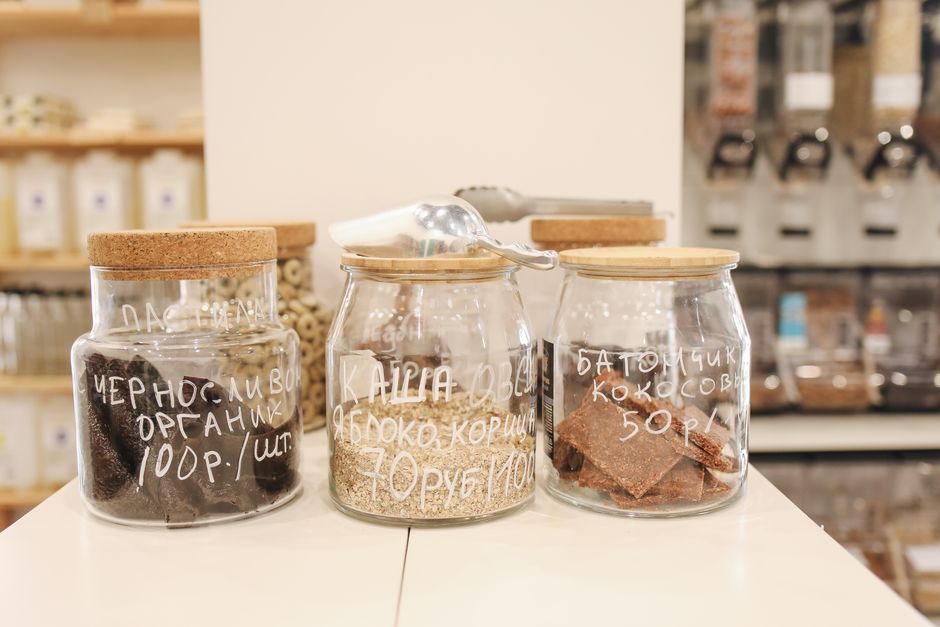
A mindful approach to late-night snacking can improve your energy levels and overall well-being when working late.
Understanding the Late-Night Hunger Trigger
Before we dive into specific snacks, it’s helpful to understand why we get hungry late at night. Often, it’s not just physical hunger but a mix of factors: inadequate meals earlier in the day, stress, boredom, or even dehydration. Our bodies are also wired for circadian rhythms, and eating heavy meals close to bedtime can disrupt digestion and sleep. The goal isn’t necessarily to eliminate all late-night eating, but to make conscious choices that align with your health goals.
The Pitfalls of Mindless Munching
A common mistake for people who work late is mindlessly grazing on whatever is convenient. This often means processed foods high in sugar, unhealthy fats, and refined carbohydrates, like potato chips, cookies, or sugary sodas. While these offer a quick burst of energy, they lead to a subsequent crash, making you feel even more tired and less productive. Over time, these habits contribute to weight gain, poor sleep quality, and an increased risk of chronic diseases, a concern that public health bodies like the WHO regularly highlight.
Strategic Snacking: Pillars of Better Choices
Developing better snack habits for people who work late hinges on a few core principles. Think of your late-night snack as a small, purposeful mini-meal designed to bridge the gap until your next proper meal, not a free-for-all.
1. Prioritize Protein and Fiber
Protein and fiber are your best friends when it comes to satiety. Protein keeps you full longer and helps stabilize blood sugar, preventing energy spikes and crashes. Fiber adds bulk, aids digestion, and also contributes to a feeling of fullness. Combine these, and you have a powerhouse snack that keeps hunger at bay without feeling heavy.
How to Build a Pantry for Quick Mediterranean-Inspired Meals
Examples Across Continents:
- North America: Greek yogurt (plain, with a few berries), cottage cheese, a handful of almonds or walnuts, hard-boiled eggs. A small scoop of hummus with carrot sticks is also a fantastic option.
- Europe: A small bowl of skyr (Nordic yogurt) with a sprinkle of seeds, a few slices of lean ham or turkey, or a piece of whole-grain crispbread with a thin layer of cream cheese and chives. Olives also make a surprisingly satisfying and healthy snack.
- South America: A small portion of queso fresco or ricotta with a piece of fruit like an apple or a small banana. In Buenos Aires, you might find small, fresh cheese and fruit options that are light and nutritious.
2. Embrace Healthy Fats
Healthy fats, like those found in avocados, nuts, and seeds, also contribute to satiety and provide sustained energy. They can help keep your brain sharp, which is essential when you’re working late into the evening.
Regional Choices:
- Global: A small handful of unsalted almonds, walnuts, or cashews. A quarter of an avocado sliced with a pinch of salt and pepper.
- Mediterranean Influence (Europe): A few olives, a small portion of feta cheese, or a teaspoon of tahini paste on a whole-wheat cracker. The Mediterranean diet, renowned for its health benefits, heavily features these types of healthy fats.
3. Mindful Hydration
Sometimes, what feels like hunger is actually thirst. Before reaching for a snack, try drinking a glass of water, herbal tea (chamomile or peppermint are great for evening), or even sparkling water with a slice of lemon. Staying hydrated is vital for cognitive function and can prevent unnecessary snacking.
Practical Strategies for People Who Work Late
Beyond choosing the right foods, how you approach snacking matters just as much. These strategies can help you stick to better snack habits for people who work late.
Preparation is Key
For most readers, the single biggest factor in making healthy choices is preparation. If you wait until you’re ravenous to decide what to eat, you’re far more likely to grab the quickest, often unhealthiest, option. Dedicate a small amount of time on the weekend or earlier in the day to prepare healthy snacks. Portion out nuts, chop vegetables, or make a batch of hard-boiled eggs.
Listen to Your Body
Are you truly hungry, or are you eating out of boredom, stress, or habit? Take a moment to check in with yourself. If you’re stressed, a short walk, a few deep breaths, or a quick chat with a family member might be more effective than food. If it is hunger, then choose something from your prepared healthy options.
Avoid the Desk-Side Feast
It’s easy to eat without thinking when you’re staring at a screen. Step away from your workspace for five minutes, even if it’s just to the kitchen. This small break can help you eat more mindfully and register that you’ve actually consumed food, leading to greater satisfaction.
Don’t Go to Bed on a Full Stomach
Aim to finish any substantial snacking at least 1-2 hours before you plan to go to sleep. This gives your digestive system time to process the food, leading to better sleep quality. A very light snack, like a few sips of warm milk or herbal tea, can be an exception if you find it aids sleep.
Preparing a selection of balanced, easy-to-grab snacks can make all the difference for late-night work sessions.
How to Eat Well in a Small Kitchen With Limited Tools
Regional Flavors and Healthy Twists
Health-conscious families across North America, Europe, and South America can find local and delicious ways to implement these snack habits.
North American Favorites, Healthified
Instead of a huge bowl of ice cream, try a small serving of plain Greek yogurt with a drizzle of honey and a sprinkle of cinnamon. Swap out highly processed cheese crackers for a few whole-wheat crackers topped with a slice of low-fat cheese or some light cream cheese and cucumber. In Canada or the US, pre-portioned bags of trail mix (opt for unsalted and low-sugar varieties) are readily available.
European Delights, Mindfully Chosen
Across Europe, from the bustling markets of France to the quiet villages of Italy, fresh produce is abundant. A ripe pear or apple with a small piece of cheese (like a mild Gouda or Emmental) is a classic, satisfying combination. Consider small portions of cured meats like prosciutto or jamón serrano, but be mindful of sodium content. A small bowl of lentil soup, common in many European households, can also be a surprisingly light and filling late-night option.
South American Savories, Smartly Selected
In countries like Argentina or Brazil, where social eating can be prominent, finding healthy late-night options might require a bit more intentionality. Instead of a heavy empanada or a sugary pastry, opt for a small bowl of fresh fruit (like papaya or mango), or a handful of castañas de cajú (cashews) or maní (peanuts) if available. A small arepa (corn cake) with a thin layer of avocado or some fresh cheese makes a delightful and more balanced choice.
FAQ: Common Questions About Late-Night Snacking
What should readers know about snack habits work late?
Readers should understand that good snack habits for late-night work involve intentionality and smart choices. Focus on nutrient-dense foods like protein, fiber, and healthy fats to provide sustained energy and satiety. Avoid sugary, processed, or heavy foods that can lead to energy crashes, digestive issues, and poor sleep. Preparation and mindful eating are key to success.
Is it bad to eat after 8 PM if I’m working late?
Eating after 8 PM isn’t inherently bad, especially if you’re genuinely hungry and working late. The key is what and how much you eat. Light, healthy snacks like fruit, yogurt, or a small handful of nuts are generally fine. Heavy meals close to bedtime, however, can disrupt sleep and digestion. Listen to your body and choose wisely.
What are some quick, healthy snacks for a long night of work?
For a quick, healthy snack when working late, consider a small apple with a tablespoon of peanut butter, a hard-boiled egg, a small container of plain Greek yogurt, a handful of almonds, or baby carrots with a bit of hummus. These options are easy to prepare and provide a good balance of nutrients.
How can I stop craving junk food when I’m tired and working late?
To curb junk food cravings, ensure you’re eating balanced meals throughout the day to prevent extreme hunger. Keep healthy, pre-portioned snacks readily available so they’re the easiest option. Stay hydrated, as thirst can often be mistaken for hunger. Finally, consider if your craving is emotional; sometimes, a quick break or a non-food comfort can help.
Does the Mediterranean diet offer good late-night snack ideas?
Yes, the Mediterranean diet is rich in excellent late-night snack ideas. It emphasizes whole, unprocessed foods like fruits, vegetables, nuts, seeds, and healthy fats. Think a small handful of olives, a few cherry tomatoes with a sprinkle of feta, a small piece of whole-grain bread with a drizzle of olive oil, or a handful of almonds. These choices are light, nutritious, and promote overall well-being.
Conclusion: Fueling Your Focus, Sustainably
Developing better snack habits for people who work late is a journey, not a destination. It requires awareness, planning, and a willingness to experiment with what works best for your body and your schedule. By focusing on nutrient-dense options, practicing mindful eating, and preparing ahead, you can improve your late-night fuel into a source of sustained energy and improved well-being, no matter where in the world your work takes you. For more insights into how food impacts your well-being, be sure to explore food and health guides on Vie En Mots.