

Picture this: it’s Saturday night, the snacks are out, and your friends are gathered for your regular multiplayer gaming session. There’s a palpable buzz in the air, but then it hits. One of your crew is an absolute titan at every game they touch – think lightning-fast reflexes in Fortnite or an encyclopedic knowledge of tactics in a strategy title. Meanwhile, another friend, bless their heart, might still be figuring out how to move the camera independently of their character. This isn’t just a slight difference; it’s a chasm that can quickly turn a fun gathering into a frustrating experience for the less skilled, and a slightly boring one for the pros.
It’s a scenario played out in living rooms and online lobbies across North America, Europe, and South America every weekend. The core challenge is simple: how to keep multiplayer nights fun when skill levels differ dramatically? Nobody wants to feel constantly outmatched, nor does anyone want to feel like they’re holding the group back. The goal is collective enjoyment, not a display of individual prowess. So, let’s explore how to bridge that gap without dampening anyone’s spirits.
The good news is, with a little planning and the right mindset, these evenings don’t have to devolve into one-sided victories or forced patience. We’ll dive into specific game types, strategic shifts, and communication techniques that ensure everyone, from the casual player to the seasoned veteran, walks away having had a genuinely good time.
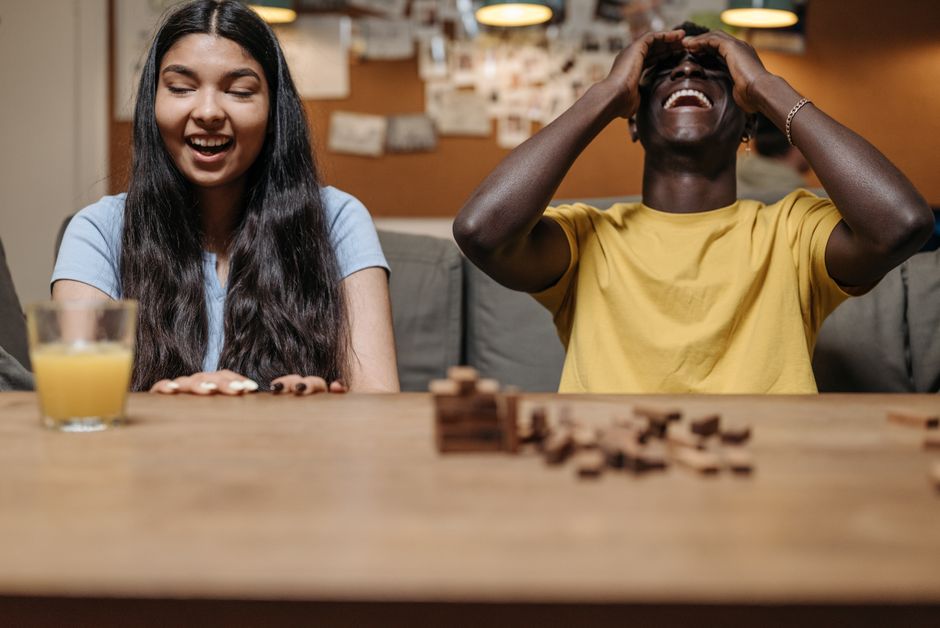
Setting the Stage for Inclusive Gaming Fun
Before diving into specific game recommendations, it’s worth laying out some foundational principles. These aren’t just rules; they’re approaches that foster an environment where everyone feels valued and engaged, regardless of their proficiency with a controller or keyboard.
- Communicate Openly: Talk to your group about preferences and potential frustrations.
- Prioritize Fun Over Wins: Shift the focus from competitive outcomes to shared experiences.
- Embrace Variety: Don’t get stuck on one type of game; mix it up regularly.
- Handicap Thoughtfully: Implement gentle, fair handicaps for more skilled players.
- Offer Coaching, Not Criticisms: Help less experienced players improve without making them feel inadequate.
- Choose Skill-Agnostic Games: Opt for titles where individual skill isn’t the sole determinant of success.
The Power of Cooperation: Everyone Wins (or Loses) Together
One of the most effective ways to manage disparate skill levels is to lean heavily into cooperative (co-op) games. In these titles, the enemies are AI, the challenge is shared, and success depends on teamwork, not just individual reflexes. This naturally levels the playing field, as even a less skilled player contributes to the overall objective.
Finding the Right Co-op Fit
Consider games like Overcooked! 2 or Moving Out, where frantic, often humorous teamwork is key. A master chef might be good at chopping, but if the less experienced player can reliably wash dishes or deliver ingredients, the kitchen keeps running. The chaos itself often becomes the entertainment, masking any individual shortcomings. For those on PlayStation or using Game Pass, titles like Deep Rock Galactic or It Takes Two offer fantastic co-op experiences. Deep Rock Galactic, for instance, allows different classes to shine, meaning someone proficient with a gun can cover the miner who’s still learning the ropes.
Beyond Traditional Co-op: Narrative-Driven Experiences
Don’t overlook story-driven co-op games. Games like A Way Out or the aforementioned It Takes Two demand collaboration to advance the plot, often featuring puzzles or challenges that require different skills at different times. The narrative itself becomes the binding agent, pulling everyone along for the ride. These are less about high-score chasing and more about shared storytelling, which can be incredibly engaging for all levels, even if one person is doing more of the heavy lifting mechanically.
Asymmetrical Gameplay: Different Roles, Equal Fun
Asymmetrical games are another brilliant solution. These are games where players have different roles, abilities, or even objectives. This design intrinsically mitigates skill disparities because different players are often doing entirely different things, making direct skill comparison less relevant.
Examples and How They Work
Think about games like Dead by Daylight, where one powerful killer hunts four vulnerable survivors. A highly skilled player might enjoy the challenge of being the killer, while less experienced friends can experience the tension and teamwork as survivors, relying on stealth and environmental awareness rather than raw combat skill. The adrenaline of the chase and the satisfaction of escape become shared thrills.
How Parents Can Talk About Online Game Chats Without Panic
Another great example is party games with asymmetrical elements, such as those found on the Jackbox Party Pack series. Here, skill often relates to wit, creativity, or bluffing, rather than button mashing. Everyone uses their phone as a controller, and the playing field is inherently level, focusing on social interaction and humor. These are universally appealing, whether you’re in Rio de Janeiro or Rotterdam.
Strategic Handicapping and House Rules: Fair Play for Everyone
Sometimes, your group just wants to play a competitive game, even with a skill gap. That’s okay! The trick is to introduce thoughtful handicaps or house rules that make the competition fairer and, crucially, more fun for everyone involved.
Smart Ways to Level Up
- Head Start: In racing games, give less skilled players a head start. Or, in combat games, start them with better weapons or armor.
- Limited Abilities: For the most skilled player, restrict certain powerful abilities or characters they can pick. Perhaps in Fortnite, the pro can only use common weapons.
- Team Balancing: Actively balance teams so that each team has a mix of high and low skill players. This way, the stronger players can support and guide their teammates.
- Objective Focus: In games with multiple objectives, assign the more skilled players to higher-difficulty tasks and give the newer players simpler, but still important, roles.
These aren’t about punishing the skilled player; they’re about acknowledging their talent while ensuring the game remains engaging for everyone else. It becomes a different kind of challenge for the pros: how to win under self-imposed limitations.
Rotation and Variety: A Broad Menu of Fun
One of the easiest ways to keep multiplayer nights fun when skill levels differ is simply not to stick to one game all night. A varied menu of gaming experiences ensures that if one person struggles with a particular genre, they’ll likely excel in another, or at least enjoy the change of pace.
Mixing Genres and Platforms
Start with a high-energy competitive round, then switch to a relaxing, narrative-driven co-op experience. Perhaps follow that with a low-stakes party game. This rotation keeps things fresh and gives everyone a chance to shine, or at least to participate comfortably. For instance, after a few intense rounds of a fighting game, switch to something like Minecraft Dungeons for a more laid-back dungeon crawl. If you have a PlayStation and your friends prefer PC, consider games with cross-play functionality or simply rotate between systems for different experiences. Game Pass, especially, offers a huge library to explore and try out new things without a big investment.
Retro Gaming and Nostalgia
Don’t underestimate the power of retro games. Many classic titles have simpler mechanics, and the nostalgia factor can be a huge equalizer. Everyone might be equally rusty at Mario Kart 64, and the shared experience of revisiting childhood favorites can be incredibly bonding, regardless of individual skill in modern games. Even in regions like São Paulo or Manchester, a classic game can bring everyone together.
Focus on Social Interaction: Gaming as a Social Hub
Ultimately, for many friend groups, game night isn’t just about the game itself; it’s about the social interaction. If the focus shifts from winning to simply enjoying each other’s company, skill differences become far less problematic.
Beyond the Screen
Incorporate elements that encourage conversation and laughter outside of pure gameplay. This could mean having mini-breaks for snacks and chatting, playing games that naturally spark conversation (like trivia games or drawing games), or even having background music that sets a fun, relaxed tone. If a game isn’t going well, don’t be afraid to pause and just chat for a bit. The goal isn’t just to play games; it’s to spend quality time together.
Your Ultimate Guide to Portable Gaming Setups for Train Rides and Weekend Trips
Sometimes, the “game” itself can be less about digital skill and more about real-world interaction. Board games or card games, for instance, offer a completely different set of challenges where quick reflexes are irrelevant. Many popular board games are now available digitally for platforms like PlayStation, offering the best of both worlds.
FAQ: How to Keep Multiplayer Nights Fun When Skill Levels Differ
What types of games are best for groups with mixed skill levels?
Cooperative games like Overcooked!, asymmetrical games such as Dead by Daylight, and party games like the Jackbox series are ideal. These games often minimize individual skill requirements or provide different roles that allow everyone to contribute meaningfully, fostering a shared experience over pure competition.
How can I make competitive games fair for everyone?
Implement house rules like handicaps for stronger players (e.g., starting with less health, using only specific weapons) or giving less skilled players a head start. Team balancing, where each team has a mix of skill levels, also helps create a more even playing field and encourages mentoring.
Should we avoid highly competitive games like Fortnite entirely?
Not necessarily. While highly competitive games can highlight skill gaps, you can still play them if you set expectations or introduce specific rules. For instance, play Fortnite in a creative mode that focuses on building or minigames, or have the pro player act as a dedicated support/coach for the team rather than aiming for solo victories.
What if some friends only want to play one specific game?
Open communication is key. Explain the desire for variety and inclusive fun. Suggest rotating game types so everyone gets a chance to play their preferred title, but also try new things. Frame it as exploring new experiences together, rather than forcing a change. Sometimes, introducing new games via Game Pass can be a low-commitment way to try alternatives.
How can I encourage less skilled players without making them feel bad?
Offer positive encouragement and specific, helpful tips rather than criticism. Focus on their contributions to the team and celebrate small victories. Avoid back-seat gaming; instead, offer to demonstrate or play a few rounds on their team. The goal is to build confidence, not highlight shortcomings.
Key Takeaways for Enduring Gaming Friendships
Navigating different skill levels in your gaming group doesn’t have to be a source of frustration. It’s an opportunity to strengthen friendships and discover new ways to have fun together. The core principle is prioritizing the shared experience over individual performance. By thoughtfully selecting games, whether they’re accessible party games or intricate co-op adventures, you create an environment where everyone can feel engaged and contribute.
Remember to communicate openly and honestly with your friends about what works and what doesn’t. Be flexible with game choices, embrace variety, and don’t be afraid to experiment with house rules or handicaps. The goal is to laugh, strategize, and bond, regardless of who gets the most headshots or solves the puzzle first. A strong gaming community is built on mutual respect and shared joy, not just high scores.
Ultimately, how to keep multiplayer nights fun when skill levels differ boils down to empathy and a willingness to adapt. With these strategies, your game nights will continue to be a highlight for everyone involved, creating lasting memories and reinforcing those valuable connections. Find more smart gaming guides on Vie En Mots.