

Optimal hydration goes far beyond simply drinking more water. It involves a holistic approach that considers electrolyte balance, water-rich foods like fruits and vegetables, and even the cooking methods we use. For busy professionals, integrating these elements is key to sustained energy and cognitive function, preventing the subtle, often overlooked symptoms of dehydration. Understanding how your body utilizes water from various sources, not just a glass, is fundamental to truly effective hydration.
You’ve probably heard it a thousand times: “Drink more water!” It’s sound advice, no doubt. But for many busy professionals juggling deadlines, travel, and personal commitments, the idea of constantly refilling a water bottle can feel like another item on an already overwhelming to-do list. And even when you do manage to drink a lot, you might still feel sluggish, get headaches, or experience that telltale brain fog. This isn’t just a failure to drink enough; it often points to a deeper misunderstanding of how our bodies truly hydrate.
The truth is, effective hydration is far more nuanced than a simple water intake tally. Our bodies rely on a delicate balance of water, electrolytes, and other micronutrients, many of which we absorb from the foods we eat. Relying solely on plain water can sometimes leave you feeling depleted, especially after strenuous activity, a long flight, or even just a particularly stressful day. This guide, The Practical Guide to Hydration Beyond Drinking More Water, aims to demystify this essential aspect of health, offering actionable strategies that fit into real life, not just an idealized one.
We’ll explore how to leverage everyday foods, from the vibrant produce found in French markets to the hearty staples of North American diets, to enhance your hydration status. We’ll look at the critical role of electrolytes, not just in sports drinks, but in your daily diet, and discuss why the World Health Organization (WHO) emphasizes balanced nutrient intake alongside water. Ultimately, the goal is to equip you with the knowledge to maintain optimal hydration effortlessly, even when life feels anything but.

Hydration Beyond Water: A Quick Overview
- Electrolytes are key: Sodium, potassium, magnesium, and calcium are vital for water absorption and bodily functions.
- Food is a major water source: Many fruits and vegetables are 80-95% water.
- Cooking methods matter: Steaming and light sautéing retain more water in food than deep frying.
- Listen to your body: Thirst isn’t the only indicator; fatigue or dry mouth can also signal dehydration.
- Balance is crucial: Too much plain water without electrolytes can dilute your system.
- Location impacts needs: Climate, altitude, and activity levels in places like South America or Europe affect hydration requirements.
- Holistic approach: Combining water, electrolyte-rich foods, and smart lifestyle choices is most effective.
The Unsung Heroes: Electrolytes in Your Diet
When people think of electrolytes, their minds often jump to brightly colored sports drinks. While these have their place for intense exercise, for most busy professionals, replenishing electrolytes is an everyday nutritional task. These charged minerals – sodium, potassium, magnesium, and calcium – are absolutely fundamental. They regulate nerve and muscle function, maintain acid-base balance, and crucially, help your body absorb and utilize water effectively. Without sufficient electrolytes, even if you’re drinking gallons, your cells might not be holding onto that water where it’s needed.
Sodium: More Than Just a Flavor
Sodium often gets a bad rap, but it’s essential for fluid balance. The issue isn’t sodium itself, but often the source and quantity in processed foods. For healthy hydration, opting for natural sources or judiciously salting whole foods is key. A pinch of good quality sea salt in your cooking can make a big difference. Think about traditional European cooking, where a little salt enhances flavor and also supports the body’s mineral needs without excess.
Potassium: The Counterbalance
Potassium works hand-in-hand with sodium. While sodium often helps keep fluid outside cells, potassium helps keep it inside. Excellent sources are abundant: bananas, avocados, potatoes (with skin), spinach, and beans. A common and practical example from North America is the simple baked potato, a powerhouse of potassium and water.
Magnesium and Calcium: The Supporting Cast
These minerals are vital not just for bones, but for muscle contraction, nerve transmission, and maintaining fluid balance. Leafy greens, nuts, seeds, and legumes are fantastic sources of magnesium. Calcium is famously found in dairy, but also in fortified plant milks, tofu, and certain leafy greens like kale. Many people in South America rely on traditional diets rich in beans and corn, which contribute significantly to these mineral intakes.
Food as Your Primary Hydration Source
Imagine your plate as a hydration buffet. Fruits and vegetables are superstars here, offering not just water but also a host of vitamins, minerals, and fiber. The World Health Organization (WHO) has long advocated for a diet rich in fruits and vegetables for overall health, and hydration is a significant component of that recommendation.
How to Shop Small Specialty Grocers Without Overspending: A Savvy Shopper’s Guide
Fruits: Nature’s Hydration Packs
Many fruits are over 80% water. Watermelon, strawberries, cantaloupe, peaches, and oranges are prime examples. A simple fruit salad isn’t just a refreshing snack; it’s a potent dose of hydrating goodness and electrolytes. Carrying an apple or a pear for a quick bite at the office is far more hydrating than a bag of chips.
Vegetables: The Hidden Hydration Gems
Cucumbers, lettuce, celery, bell peppers, tomatoes, and zucchini are all incredibly water-dense. Incorporating these into your meals, perhaps as a large salad for lunch or a side of steamed greens for dinner, significantly boosts your daily fluid intake. Think about the crisp salads popular in North American diners or the fresh vegetable plates common in Mediterranean diets in Europe.
Soups and Stews: Comforting Hydration
Warm broths, clear soups, and hearty stews are excellent, often overlooked, sources of hydration, especially during colder months. They combine water with nutrient-rich vegetables and often contain a good amount of sodium and potassium from the broth, making them very effective for rehydration. A simple chicken noodle soup, for instance, provides both fluid and electrolytes.
The Role of Fats and Oils in Hydration
While fats and oils don’t contain water themselves, they play an indirect but crucial role in cellular hydration and nutrient absorption. Healthy fats are integral to cell membrane structure, influencing how water and nutrients pass in and out of cells.
Olive Oil and Healthy Fats
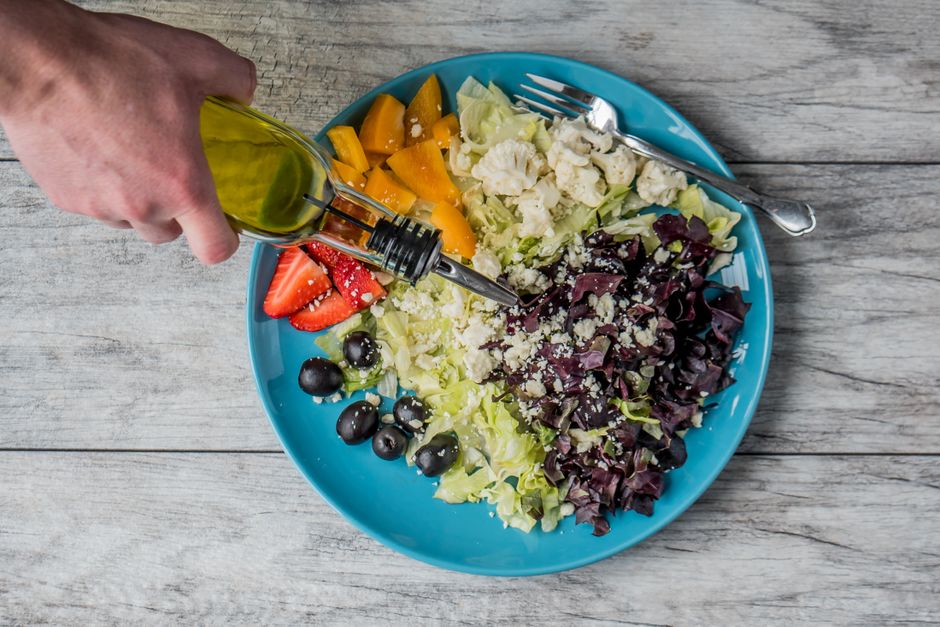
Extra virgin olive oil, a staple in many European diets, particularly around the Mediterranean, is rich in monounsaturated fats and antioxidants. These fats help maintain the integrity of cell membranes, which in turn supports proper cellular hydration. Incorporating healthy fats from sources like avocados, nuts, seeds, and fatty fish (like salmon) ensures your cells are well-equipped to manage fluid balance.
Practical Strategies for Busy Professionals
Your schedule might be packed, but effective hydration doesn’t need to be another chore. It’s about smart choices and small, consistent habits.
Meal Planning with Hydration in Mind
When planning your weekly meals, consciously include water-rich foods. Instead of just thinking about protein and carbs, consider what fruits and vegetables you can add. Start your day with oatmeal and berries, pack a salad with cucumber and tomatoes for lunch, and snack on an orange or a handful of grapes. Visiting a local French market can be an inspiring way to discover seasonal, hydrating produce.
Beverage Choices Beyond Plain Water
While plain water is good, don’t forget other hydrating beverages. Herbal teas (unsweetened), coconut water (a natural source of electrolytes, popular in South America), and even diluted fruit juices can contribute. Just be mindful of sugar content. Coffee and caffeinated teas, while mostly water, can have a diuretic effect in large quantities, so balance them with non-caffeinated options.
How to Bring Back the Long Lunch Without Losing the Workday
Smart Snacking for Sustained Hydration
Instead of reaching for dry, processed snacks, opt for hydrating alternatives. Yogurt with berries, carrot sticks with hummus, or a handful of almonds and a piece of fruit can keep you topped up. These snacks provide not just fluid but also essential electrolytes and nutrients that support overall well-being, keeping you sharper through long meetings or travel across time zones.
FAQ: Your Hydration Questions Answered
Q: How do I know if I’m dehydrated beyond just feeling thirsty?
A: Beyond thirst, look for signs like dark urine, fatigue, dry mouth, dizziness, or reduced urine output. Headaches are also a common indicator. For busy professionals, persistent sluggishness or difficulty concentrating can often be subtle signs of inadequate hydration.
Q: Are sports drinks necessary for daily hydration?
A: For most daily activities, no. Sports drinks are formulated for strenuous, prolonged exercise (typically over an hour) where significant sweat and electrolyte loss occurs. For everyday hydration, food sources and plain water are generally sufficient and healthier alternatives.
Q: Can drinking too much water be harmful?
A: Yes, in rare cases. Over-hydrating without adequate electrolyte intake can lead to hyponatremia, where sodium levels in the blood become dangerously low. This is usually a concern for endurance athletes or individuals with certain medical conditions, but it highlights the importance of electrolyte balance.
Q: What role does dietary fiber play in hydration?
A: Dietary fiber, especially soluble fiber found in oats, beans, and fruits, absorbs water and forms a gel-like substance in the digestive system. This helps with regular bowel movements and can contribute to overall fluid balance by holding water in the gut, making it an indirect but important part of hydration.
Q: How do different climates, like those in South America or Europe, affect hydration needs?
A: Hot and humid climates, common in parts of South America, increase sweat rates, demanding higher fluid and electrolyte intake. Drier, colder climates in parts of Europe might still lead to dehydration from dry air and increased fluid loss through respiration. Altitude also increases needs. Always adjust based on your environment and activity level.
Key Takeaways for Better Hydration
Ultimately, The Practical Guide to Hydration Beyond Drinking More Water boils down to integrating smart habits into your daily routine. It’s not about an all-or-nothing approach, but about making conscious, informed choices.
First, recognize that food is a powerful source of both water and essential electrolytes. Prioritize fruits, vegetables, and nutrient-dense foods that naturally replenish your system. Second, understand the critical role of electrolytes beyond just sports drinks; sodium, potassium, magnesium, and calcium from whole foods are your everyday allies. Finally, remember that hydration is a holistic endeavor. It’s the synergy of plain water, water-rich foods, and balanced electrolytes that keeps your body and mind performing optimally, whether you’re working in a bustling North American city or exploring rural Europe.
By adopting these practical strategies, you’ll move beyond the simple act of drinking water and use a more profound, sustained level of well-being. To explore more about how food choices impact your overall health, explore food and health guides on Vie En Mots.