

There’s a specific kind of frustration that sets in when you plan a coastal getaway, envisioning serene sunsets and unhurried strolls, only to arrive and find yourself elbow-to-elbow with thousands of other tourists. The promise of a quiet beach gives way to resort complexes and loud entertainment, transforming what should be a peaceful escape into just another bustling city, albeit with a sea view. For many, this isn’t just a minor inconvenience; it’s a fundamental mismatch with the very reason they sought the coast.
This common scenario highlights a significant desire among a growing segment of travelers: the need to disconnect, to experience a place on its own terms, and to find beauty without the filter of mass tourism. It’s about more than just avoiding crowds; it’s about seeking authenticity, cultural immersion, and a genuine sense of peace that often eludes popular destinations. This pursuit leads us directly to the charm and tranquility of quiet coastal towns.
The good news is these places still exist, often tucked away, offering a different rhythm to coastal life. They are havens where the local bakery knows your face after a few days, where fishing boats are a common sight, and where the sound of waves truly dominates over human chatter. Discovering these quiet coastal towns for travelers who do not want resort crowds is about shifting perspective, embracing the slow lane, and valuing genuine connection over pre-packaged experiences.
The Allure of Unhurried Shores: Why Seek Quiet Coastal Towns?
The decision to seek out quiet coastal towns isn’t merely about physical space; it’s a conscious choice for a particular kind of travel. When you opt out of the resort model, you’re often choosing local character over global chains, unique dining over buffet lines, and genuine interactions over curated activities. This style of travel allows for deeper engagement with the destination’s natural beauty and its community. Instead of feeling like a transient visitor, you become a temporary participant in local life.
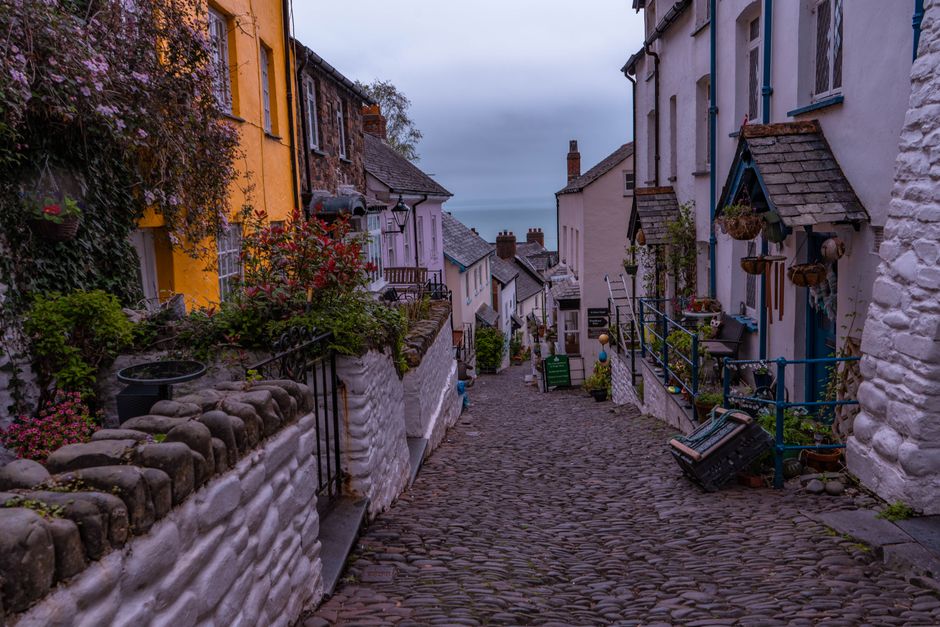
Many quiet coastal towns prioritize preservation – of their natural environment, their architectural heritage, and their cultural traditions. This commitment often translates into stricter building codes, support for local artisans, and a general emphasis on sustainable living. The result is a more cohesive, authentic experience for the traveler. You might find yourself wandering through historic streets largely unchanged for centuries, dining on fresh seafood caught that morning, or simply enjoying a sunset from a secluded beach that feels like your own private sanctuary. This is the essence of quiet coastal towns travel – a return to simplicity and genuine discovery.
Finding Your Coastal Sanctuary: Practical Tips for Discovering Quiet Coastal Towns
Discovering quiet coastal towns requires a bit of research and a willingness to step off the beaten path. It’s less about ticking off famous landmarks and more about finding a place where you can truly unwind and connect. Here’s how to approach planning your next tranquil escape:
1. Prioritize Local Immersion Over Tourist Infrastructure
When searching for quiet coastal towns, look for places with minimal large-scale hotel chains or all-inclusive resorts. Instead, seek out destinations known for guesthouses, boutique hotels, or even vacation rentals managed by locals. These types of accommodations often provide a more authentic sense of place and directly support the local economy. Consider towns where the primary industries are fishing, artisan crafts, or small-scale agriculture rather than mass tourism.
2. Leverage Off-Season or Shoulder Season Travel
Even popular coastal destinations can offer quiet moments if you travel during the off-season or shoulder seasons (spring and fall). Not only are crowds significantly reduced, but you’ll often find better prices on accommodations and activities. The weather can still be pleasant, sometimes even ideal for hiking or exploring without the intense summer heat. This strategy is particularly effective for destinations in Europe, where summer months can be overwhelmingly crowded.
A Guide to Planning Trips Around Seasonal Light and Weather
3. Go Beyond the Obvious: Research Smaller, Lesser-Known Gems
Instead of focusing on well-known coastal cities, look at regions adjacent to popular spots. For example, while the Amalfi Coast in Italy is stunning, consider exploring quieter towns further south in Puglia or Calabria. In North America, instead of Miami Beach, look at charming towns along the Outer Banks of North Carolina or the forgotten corners of Maine. These smaller locales often retain a stronger local character and are less developed for mass tourism.
4. Embrace Slow Travel and Local Transportation
Part of the appeal of quiet coastal towns is the ability to slow down. Embrace public transportation, walking, or cycling to get around. This approach not only minimizes your environmental impact but also allows you to observe daily life more closely. A trip by local bus or ferry can offer unique perspectives and lead you to unexpected discoveries that driving might miss. Consider destinations where a car isn’t strictly necessary.
5. Engage with Local Culture and Cuisine
A true measure of an authentic experience is your engagement with local culture. Seek out local markets, festivals, and family-run eateries. Learn a few phrases in the local language. Don’t just eat at restaurants catering to tourists; ask locals for their favorite spots. In many quiet coastal towns, the seafood is incredibly fresh and prepared with regional recipes passed down through generations. This is how you truly connect with a place.
6. Seek Out Natural Beauty and Outdoor Activities
Quiet coastal towns often boast untouched natural beauty. Look for destinations with opportunities for hiking, kayaking, birdwatching, or simply long walks on uncrowded beaches. These activities allow you to immerse yourself in the natural environment and provide a sense of peace that is hard to find in more developed areas. Think about destinations known for national parks, marine reserves, or protected coastal areas.
Comparing Coastal Travel Experiences: Crowded vs. Quiet
To truly appreciate the value of quiet coastal towns, it’s helpful to consider what distinguishes them from more mainstream resort destinations. The differences are often subtle but profound, shaping the entire travel experience.
| Aspect | Resort Crowds / Popular Spots | Quiet Coastal Towns |
|---|---|---|
| Atmosphere | High energy, bustling, often loud music, constant activity. | Calm, peaceful, natural sounds (waves, birds), relaxed pace. |
| Accommodation | Large hotels, all-inclusive resorts, international chains. | Boutique hotels, guesthouses, local rentals, family-run B&Bs. |
| Cuisine | International menus, chain restaurants, buffet dining, tourist traps. | Local specialties, fresh seafood, family-run restaurants, farm-to-table. |
| Cultural Immersion | Limited, often curated for tourists, souvenir shops. | Deep, authentic interaction, local markets, artisan crafts, traditional life. |
| Beaches | Crowded, often private access, commercialized, loud. | Secluded, pristine, public access, natural, tranquil. |
| Cost | Often higher for packaged experiences, hidden fees, inflated prices. | Typically more affordable, better value for authentic experiences. |

Avoiding Common Pitfalls When Seeking Coastal Serenity
While the idea of quiet coastal towns is appealing, it’s important to approach your search with realistic expectations and avoid common missteps that could lead to disappointment. A frequent mistake is assuming that ‘small’ automatically equals ‘quiet.’ Some small towns, especially those with unique natural features or cultural significance, can become incredibly popular during peak season, losing their quiet charm under a wave of day-trippers.
Another pitfall is relying solely on glossy travel brochures or top-10 lists. These often highlight the most picturesque but also the most discovered places. Instead, dig deeper into local blogs, independent travel forums, and even academic or historical resources that might mention less-trodden paths. Look for references to permanent resident populations rather than just tourist numbers.
Furthermore, ensure you understand the infrastructure. A quiet town might lack certain amenities you’re accustomed to, such as a wide array of dining options or specific retail stores. While this is part of its charm for some, it can be a source of frustration for others. Check for local grocery stores, pharmacies, and reliable internet access if these are important to your travel style. Embracing the slower pace often means accepting fewer immediate conveniences.
MyNextBike Makes Everyday Cycling Easy and Convenient
Finally, don’t overlook the impact of major events. A town that is typically serene could transform completely during a local festival, regatta, or holiday weekend. Always cross-reference your travel dates with local event calendars to ensure your pursuit of peace isn’t inadvertently interrupted by an unexpected celebration. Planning for quiet coastal towns travel requires a bit more intention than simply booking a flight to a well-known destination.
FAQ: Your Questions on Quiet Coastal Towns Answered
What makes a coastal town ‘quiet’ for a traveler?
A coastal town is considered ‘quiet’ if it has a low density of tourists, lacks large commercial resorts, offers a slow pace of life, and prioritizes local culture over tourist-centric attractions. It’s characterized by uncrowded beaches, independent shops, local eateries, and a general atmosphere of peace and relaxation, often with minimal nightlife geared towards mass tourism.
Can I find quiet coastal towns in Europe without being completely isolated?
Absolutely. Europe offers numerous quiet coastal towns that retain their charm without being cut off from amenities. For instance, parts of the Algarve in Portugal away from the main resort areas, or less-known villages in Sicily, Italy, provide beautiful settings, local life, and still have basic services, often with good connectivity to larger hubs for day trips. You won’t find the density of tourists like in Paris or the commercial bustle of Cartagena, but you’ll have everything you need.
Are quiet coastal towns suitable for family travel with children?
Yes, many quiet coastal towns are excellent for families, offering a safe, relaxed environment for children to explore. They often feature natural playgrounds like beaches and parks, provide opportunities for learning about local culture, and encourage outdoor activities. The absence of overwhelming crowds can make it easier for families to navigate and enjoy their time together, fostering genuine experiences rather than manufactured entertainment. However, check specific amenities like playgrounds or child-friendly restaurants beforehand.
What kind of activities can I expect in quiet coastal towns?
Activities in quiet coastal towns typically revolve around nature, local culture, and relaxation. You can expect leisurely beach walks, swimming, kayaking, paddleboarding, fishing, exploring local markets, visiting historical sites, sampling regional cuisine, and simply unwinding with a book. They provide a stark contrast to destinations like Montreal, which offers a vibrant urban experience, focusing instead on serene and authentic engagement with the environment and community.
How can I ensure I’m not contributing to over-tourism in a quiet coastal town?
To avoid contributing to over-tourism, choose off-peak travel times, support local businesses directly (e.g., family-run restaurants, local artisans), respect local customs and the environment, and minimize your footprint. Stay in locally owned accommodations and engage with the community respectfully. Research the town’s sustainability efforts and choose places that actively manage tourism to preserve their character, ensuring your visit is beneficial for both you and the locals.
Do quiet coastal towns always mean limited dining options?
Not necessarily. While you might not find a wide array of international chain restaurants, quiet coastal towns often boast excellent, authentic local dining experiences. Many specialize in incredibly fresh seafood and regional dishes prepared with traditional methods. The focus is usually on quality and authenticity rather than variety for variety’s sake. Expect charming, often family-run establishments where the food is a highlight of the local culture.
Embracing the charm of quiet coastal towns for travelers who do not want resort crowds offers a refreshing perspective on travel, one that prioritizes authenticity, peace, and genuine connection. These destinations provide a much-needed antidote to the often-overwhelming pace of modern life, allowing for true rejuvenation and memorable experiences beyond the well-trodden tourist paths. Ready to find your tranquil escape? Plan your next thoughtful trip with Vie En Mots.