
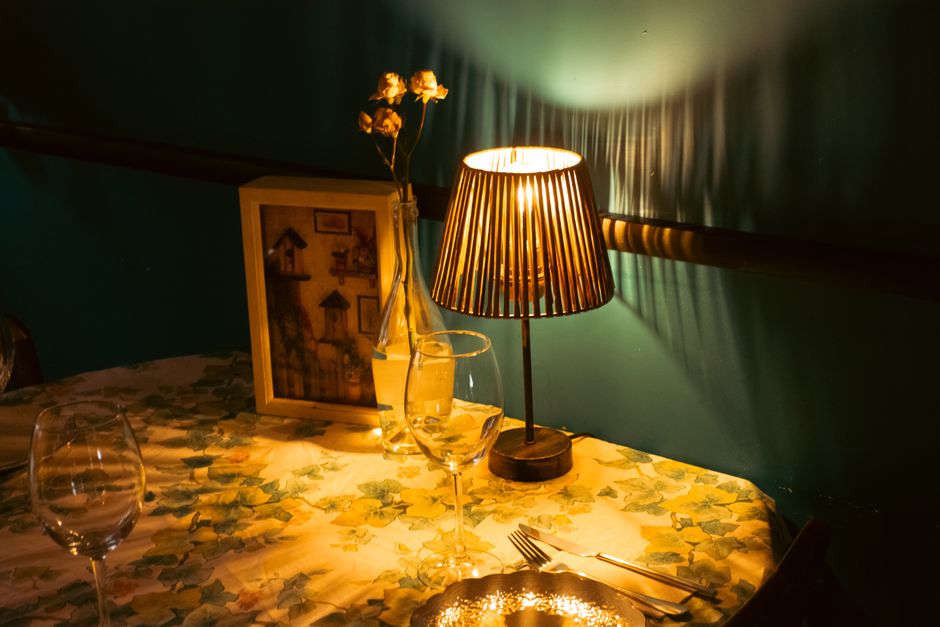
Small dining rituals transform chaotic weeknights by intentionally creating moments of calm and connection around the dinner table. Instead of rushing through a meal, these simple practices—like setting the table with intention, using designated serveware, or having a pre-dinner wind-down—help punctuate the day, reduce stress, and foster mindful eating. The goal isn’t elaborate fuss, but consistent, small habits that signal a shift from the day’s demands to a more relaxed, present state, ultimately making evenings feel less hurried and more enjoyable.
The dinner hour on a weeknight can often feel like the final boss battle of the day. You’ve navigated work, errands, maybe school pickups, and now the clock is ticking, everyone’s hungry, and the default mode is often a scramble to get food on the table as quickly as possible. The concept of a leisurely meal feels like a distant dream, reserved for weekends or holidays.
But what if those hurried weeknights didn’t have to be quite so chaotic? What if you could infuse a sense of calm, even pleasure, into the dinner routine without adding more stress or time to your already packed schedule? This isn’t about elaborate culinary feats or perfectly staged tablescapes; it’s about understanding how small dining rituals that make weeknights feel less rushed can genuinely shift the atmosphere of your home.
It’s about recognizing that the act of eating, even on a Tuesday, can be a valuable pause, a moment to reconnect with yourself and your household. These rituals are less about what you eat and more about how you approach the eating experience itself.
The Unsung Power of Weeknight Habits
In Buenos Aires, it’s common for families to gather for dinner much later, sometimes around 9 PM, making the meal a central, unhurried event of the evening. This stands in stark contrast to the earlier dinner times often found in North American cities like Toronto or Montreal, where the push to finish dinner before extracurriculars or early bedtimes can make the experience feel compressed. The difference isn’t just the clock time, but the cultural weight given to the meal itself. For many of us in fast-paced Western societies, the weeknight meal has become purely functional. We see it as fuel, a task to complete, rather than an opportunity for transition and connection. Reclaiming some of that unhurried spirit, even if you can’t push dinner to 9 PM, is what these rituals aim to achieve.
The beauty of a ritual is its consistency and its symbolic meaning. It’s a signal to your brain and your family that something distinct is happening. This isn’t just ‘another meal’; it’s ‘dinner,’ and dinner has its own rhythm. This subtle shift in perception can de-stress the entire experience. It’s about building a framework, however small, that supports mindfulness rather than mindlessness during eating.

Practical Rituals to improve your Weeknights
Implementing small dining rituals that make weeknights feel less rushed doesn’t require a complete overhaul of your life. Start with one or two that resonate most, and build from there. The key is consistency, not perfection.
- The Intentional Table Setting
- The Pre-Dinner Wind-Down
- Designated Serveware and Family-Style Plating
- The ‘No Tech at the Table’ Rule
- A Simple Start or End
- Hydration Station
Even if it’s just two people, setting the table properly, beyond just forks and plates, signals that this is a special time. This might mean a simple placemat, a cloth napkin (even if it’s a reusable paper alternative), and a glass of water poured before everyone sits down. In many European homes, a neatly set table is a given, even for everyday meals. It’s a small, almost subconscious cue that this space is dedicated to shared nourishment and conversation, not just eating fuel.
Transitioning from work mode to dinner mode can be abrupt. Implement a short, non-negotiable wind-down. This could be 10 minutes of listening to music, a quick walk around the block, or even just washing your hands mindfully. For kids, this could be a ‘quiet time’ activity at the table while you put the final touches on dinner. This signals the brain that the ‘doing’ part of the day is pausing, and the ‘being’ part is beginning.
Cultivating Calm: How to Build a Reading Corner in a Small Home
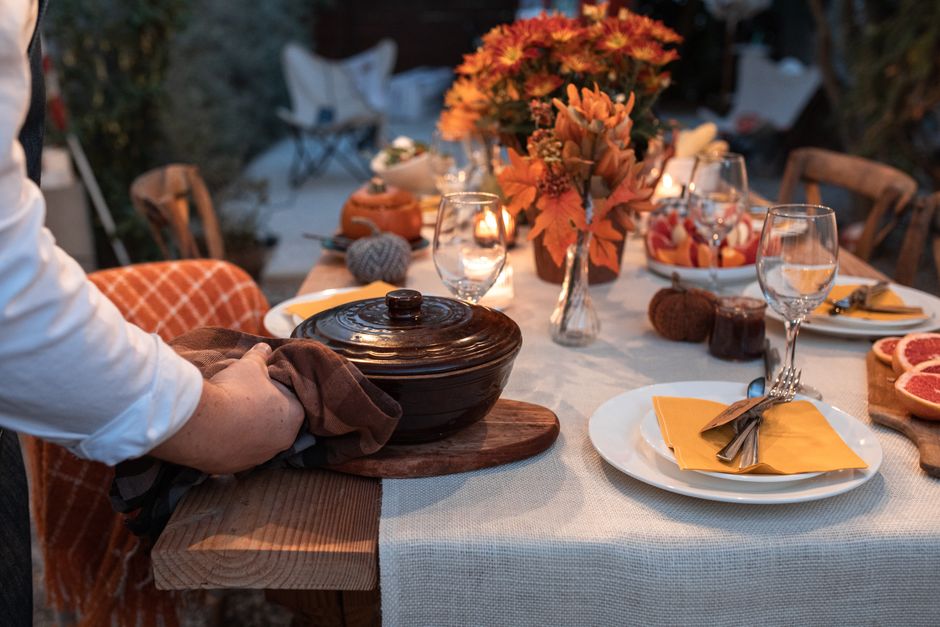
Instead of everyone grabbing food from pots on the stove, transfer dishes to serving bowls or platters. Even simple, everyday bowls can make a difference. This encourages a collective experience of sharing food. Think of how a typical Italian family dinner involves multiple dishes brought to the table; it’s a communal act. It also creates a natural pause before eating, as everyone waits for the food to be placed.
This is perhaps the most impactful ritual for fostering connection. Phones, tablets, and even television can subtly sabotage the shared experience. Designate a charging spot away from the dining area. This simple rule encourages eye contact, conversation, and presence, allowing the meal to be a true moment of respite. Many homes in places like rural France or Spain still maintain this as an unspoken norm, prioritizing conversation over screens.
Begin the meal with a shared moment: a brief ‘cheers,’ a quick thank you for the meal, or a moment of silence. End with a simple ritual too, like clearing plates together or sharing ‘the best part of my day.’ These bookends give structure and meaning to the meal beyond just consuming food. It’s an easy way to reflect and connect.
Place a pitcher of water (maybe with some lemon slices or mint) and glasses on the table. This encourages mindful hydration throughout the meal and adds a touch of simple elegance that doesn’t require extra effort once it’s set up. It’s a common sight in cafes across Europe, but easily replicated at home.
Comparing Dining Ritual Approaches
Different approaches to weeknight dining rituals can suit various household sizes and lifestyles. The key is finding what’s sustainable for you.
| Approach | Best For | Pros | Cons |
|---|---|---|---|
| The Minimalist Ritualist | Solo diners, couples, extremely busy schedules | Requires minimal extra effort, focuses on presence. | May not involve others as much, less communal feel. |
| The Family-First Fix | Families with children, those valuing strong connection. | Builds strong family bonds, teaches etiquette, establishes routine. | Requires more coordination, initial resistance from kids/teens. |
| The Sensory Seeker | Anyone wanting to engage more senses beyond taste. | Enhances enjoyment of the meal, reduces stress through aesthetics. | Can feel like added ‘work’ if not truly enjoyed. |
| The Mindful Mover | Individuals or small households focused on transition. | Excellent for stress reduction, signals shift from day to evening. | Requires commitment to stepping away, might feel unnatural at first. |
Common Mistakes to Avoid When Building Rituals
It’s easy to get excited about the idea of small dining rituals that make weeknights feel less rushed and then fall into traps that make them unsustainable. Here are a few pitfalls to sidestep:
A common mistake is aiming for perfection from day one. You see beautiful tablescapes online or recall idyllic family dinners from movies, and you try to replicate it all. This leads to burnout. Start incredibly small. If adding placemats feels like too much, just make sure everyone has a glass of water. Incremental change is far more effective than an ambitious, short-lived effort.
Another pitfall is making the rituals feel like another chore. The purpose of these rituals is to reduce stress, not add to it. If a specific ritual feels like a burden, it’s not the right ritual for your current season of life. For instance, if you’re struggling to get dinner on the table at all, adding an elaborate pre-dinner wind-down might be counterproductive. Prioritize what truly brings calm and connection, even if it’s just one thing.
How to Plan a Low-Spend Month Without Making Life Smaller
For most readers, inconsistency is the biggest enemy of ritual. Life happens, and some nights will be total chaos. That’s okay. The problem arises when one missed night turns into a week, then a month. Try to view each meal as a fresh opportunity. Don’t beat yourself up for missing a ritual; just pick it up again the next night. Over time, the consistency will build, and the ritual will become second nature, like brushing your teeth.
Finally, avoid making your rituals too rigid. They should adapt to your life, not the other way around. If you’re having guests, or traveling, or have an unusual late-night event, your rituals might need to be modified or paused temporarily. The underlying intention of presence and connection is more important than adhering to every single step perfectly. This flexibility is what makes them sustainable in the long run, even in a bustling city like Montreal or a family-oriented suburb of Toronto.
FAQ: Making Weeknight Dining Stress-Free
What are small dining rituals?
Small dining rituals are simple, consistent practices adopted around mealtime to create a more mindful, connected, and less rushed experience. They are not grand gestures but intentional habits like setting the table, serving food family-style, or putting away phones, aimed at transforming routine into a meaningful pause during busy weeknights.
How can I make my weeknights feel less rushed?
To make weeknights feel less rushed, focus on creating clear transitions into and out of the dinner hour. Implement a pre-dinner wind-down, set a simple table, serve food communally, and establish a ‘no tech’ rule. These small, consistent actions signal a shift from the day’s demands to a calm, present state, reducing overall rush.
What are some examples of pre-dinner wind-down rituals?
Pre-dinner wind-down rituals can be as simple as listening to a favorite calming song for 10 minutes, taking a brief walk, reading a physical book, or mindfully washing your hands. The goal is to create a clear break from work or daily tasks, signaling to your brain that it’s time to shift gears and prepare for a relaxed meal.
Is it worth setting the table for just one or two people?
Absolutely. Setting the table with intention, even for one or two people, elevates the meal from a functional necessity to a mindful experience. It honors the food and the eater, making the act of dining feel more deliberate and less rushed, thereby enhancing your overall enjoyment and sense of calm.
How do these rituals benefit families with young children?
For families with young children, these rituals provide much-needed structure and predictability, reducing meltdowns and fostering good habits. They teach patience, table manners, and the value of shared conversation, turning dinner into a valuable family connection time rather than just another chaotic feeding event.
Can dining rituals work in different cultures, like in South America or Europe?
Yes, dining rituals are highly adaptable across cultures. While specific customs vary—for instance, dinner times might be later in Buenos Aires compared to Toronto—the underlying principles of intentionality, presence, and connection around food are universal. The rituals described can be tailored to fit local norms and preferences while still achieving their purpose of creating less rushed weeknights.
Ultimately, these small dining rituals that make weeknights feel less rushed aren’t about adding more to your plate; they’re about finding pockets of peace and connection within your existing routine. They transform a necessary daily task into an opportunity for intentional living, even when life feels its most demanding. Discover more thoughtful lifestyle guides and inspiration to enrich your daily life by reading more thoughtful lifestyle guides on Vie En Mots.