

To truly help you sleep more, managing your intake of tea and coffee, especially later in the day, is crucial. While coffee contains stimulating caffeine that can disrupt sleep if consumed too close to bedtime, many teas offer calming compounds like L-theanine. A well-structured evening routine, focusing on relaxation and consistent sleep hygiene, significantly supports better sleep. This includes avoiding caffeine for several hours before bed, creating a cool and dark sleep environment, and winding down with non-stimulating activities rather than relying on a specific drink as a magic bullet for slumber.
For many busy professionals, the day often starts with a solid cup of coffee and winds down, perhaps, with a comforting herbal tea. But what role do these beloved beverages, and indeed our entire evening routine, play in our ability to truly sleep more soundly? The answer isn’t always as simple as ‘coffee bad, tea good.’ It’s a nuanced dance between chemistry, personal sensitivity, and the habits we cultivate around bedtime.
Understanding how caffeine affects your body and how different types of tea interact with your nervous system is the first step toward optimizing your evening routine for better sleep. We’ll cut through the noise and offer practical, real-world advice grounded in scientific understanding, considering practices and preferences from bustling European markets to the energetic cities of North and South America.

The Caffeine Conundrum: Coffee’s Impact on Evening Routines and Sleep
Coffee, for many, is synonymous with waking up. Its primary active compound, caffeine, is a central nervous system stimulant that works by blocking adenosine, a neurotransmitter that promotes relaxation and sleepiness. This blocking action is precisely why coffee gives you that alert feeling, but it’s also why it can wreak havoc on your sleep if consumed too late.
How Long Does Caffeine Linger?
The half-life of caffeine, the time it takes for half of the substance to be eliminated from your body, is typically around 5-6 hours. This means that if you have a strong espresso at 5 PM, by 10 PM, a significant amount of caffeine is still circulating in your system. For some highly sensitive individuals, this window can be even longer. A common mistake is assuming that because you don’t ‘feel’ buzzed, the caffeine has left your system. Subtler effects, like increased heart rate or restlessness, can still prevent deep, restorative sleep.
Consider the afternoon coffee culture in places like Italy or France. While an espresso after lunch is common, very few opt for a strong coffee after dinner. The tradition itself often signals a natural cutoff point, something busy professionals in North America, with their often longer work hours, might do well to observe. A study by the WHO (World Health Organization) has consistently highlighted the importance of adequate sleep for public health, and caffeine management is a significant part of achieving that.
Decaf: A Practical Compromise?
For those who love the ritual of an evening coffee but want to avoid the stimulant, decaffeinated coffee can be a good option. However, it’s worth noting that decaf isn’t entirely caffeine-free; it typically contains small residual amounts (around 2-5 mg per cup compared to 95 mg or more in regular coffee). For most people, this minimal amount won’t impact sleep, but again, individual sensitivity varies.
Tea’s Diverse Role: From Stimulant to Soother in Your Evening Routine
Tea is a broad category, and its effect on sleep varies dramatically depending on the type. While some teas, like black and green tea, contain caffeine, others are entirely caffeine-free and specifically designed to promote relaxation.
How to Make Restaurant Meals Feel Balanced Without Diet Rules
Caffeinated Teas: Green, Black, and Oolong
Like coffee, black, green, and oolong teas contain caffeine. Green tea generally has less caffeine than black tea, but it also contains L-theanine, an amino acid that can promote a state of relaxed alertness without drowsiness. This unique combination is why many find green tea less ‘jittery’ than coffee. Still, for evening routines, even the caffeine in green tea might be too much for some. For example, a matcha latte, popular in many urban centers, offers a potent dose of both caffeine and L-theanine, making it a better daytime choice for most.
Herbal Teas: The Bedtime Allies
This is where tea truly shines as a sleep aid. Herbal teas, or ’tisanes,’ are made from various plant parts (flowers, leaves, roots, seeds) and do not contain caffeine naturally. Popular choices for an evening routine include:
- Chamomile: Contains apigenin, an antioxidant that may bind to certain receptors in your brain that promote sleepiness. Widely available in South American markets and North American grocery stores.
- Valerian Root: Often used for insomnia and anxiety, it’s believed to increase GABA levels in the brain, a neurotransmitter that calms nerve activity.
- Lavender: Known for its calming aroma, lavender tea can help soothe the nervous system and promote relaxation.
- Peppermint: While not directly sedating, a warm cup of peppermint tea can aid digestion, which in turn helps create a more comfortable state for sleep.
In many European countries, particularly France, a small herbal infusion, or ’tisane,’ is a traditional part of the evening ritual, often enjoyed with a light snack or just before bed. This simple act of warming up, slowing down, and choosing a calming beverage is a powerful component of a successful sleep routine.
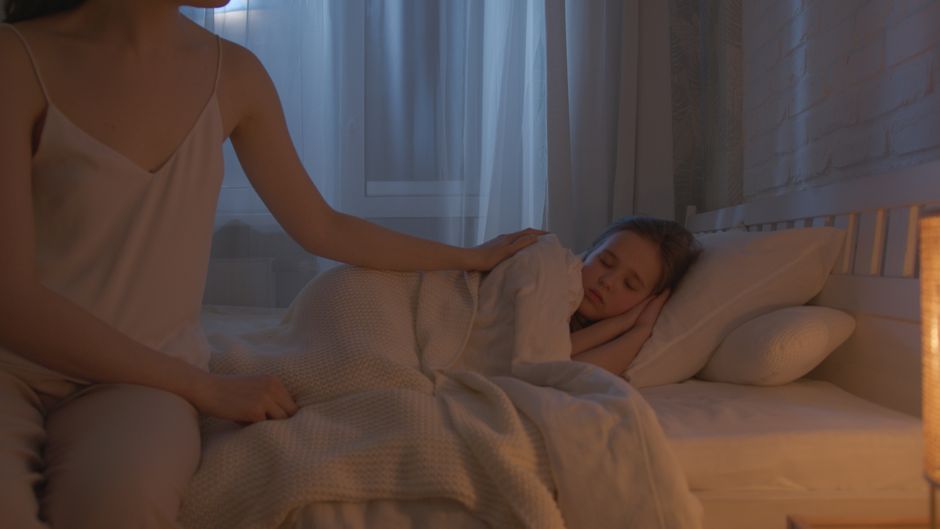
Beyond the Mug: Crafting an Effective Evening Routine for Deeper Sleep
While managing your tea and coffee intake is vital, it’s only one piece of the puzzle. A truly effective evening routine for better sleep encompasses several elements, designed to signal to your body and mind that it’s time to wind down.
The Power of Consistency
Going to bed and waking up at roughly the same time every day, even on weekends, helps regulate your circadian rhythm. This internal body clock thrives on routine. Disruptions, like staying up very late on Friday and Saturday, can throw your system off, leading to ‘social jet lag’ that impacts your Monday morning productivity.
Dimming the Lights and Disconnecting
Exposure to bright light, especially blue light from screens (phones, tablets, computers, TVs), suppresses melatonin production, the hormone that tells your body it’s time to sleep. Aim to dim lights and put away electronic devices at least an hour before bed. Instead, consider reading a physical book, listening to calming music, or journaling.
Even small changes can make a difference. Many phones now offer ‘night shift’ or ‘blue light filter’ settings, which, while not a complete solution, can reduce some of the harmful light exposure.
The Right Environment Matters
Your bedroom should be a sanctuary for sleep: dark, quiet, and cool. The ideal temperature for sleep for most people is between 60-67°F (15-19°C). Blackout curtains, earplugs, or a white noise machine can help create an optimal sleep environment, especially in noisy urban settings common in cities like São Paulo or New York.
How to Shop Small Specialty Grocers Without Overspending: A Savvy Shopper’s Guide
Mindful Nutrition: Not Just Olive Oil and French Markets
What you eat in the evening also plays a significant role. Heavy, spicy, or sugary meals too close to bedtime can cause indigestion and disrupt sleep. While a balanced diet rich in whole foods, like those found in traditional French markets with fresh produce and high-quality olive oil, is excellent for overall health, portion sizes and timing are key in the evening. Aim for your last substantial meal to be 2-3 hours before bed.
Practical Tips for Integrating Tea, Coffee, and Evening Routine Sleep Habits
How can readers use tea coffee evening routine sleep practices in real life? It comes down to intentional choices and self-awareness.
- Know Your Caffeine Cut-Off: Experiment to find your personal caffeine cut-off time. For many, this is 6-8 hours before bed. If you typically go to sleep at 10 PM, your last caffeinated beverage might be no later than 2 PM.
- Embrace Decaf or Herbal Alternatives: If you crave a warm beverage in the evening, switch to decaf coffee or a soothing herbal tea like chamomile or peppermint.
- Create a Wind-Down Ritual: This isn’t just about what you drink, but what you do. It could be a warm bath, gentle stretching, reading, or meditating. The consistency of this ritual signals to your body that sleep is coming.
- Optimize Your Sleep Environment: Invest in blackout curtains, keep your room cool, and minimize noise.
- Review Your Diet: Pay attention to how late meals, especially heavy or sugary ones, affect your sleep.
FAQs on Tea, Coffee, and Sleep
What is the latest I should drink coffee before bed?
For most adults, the latest you should drink coffee is 6-8 hours before your intended bedtime. Caffeine’s half-life means it can linger in your system for hours, affecting sleep quality even if you don’t feel wide awake. Individual sensitivity varies, so some people may need an even earlier cut-off.
Can herbal tea really help me sleep?
Yes, many herbal teas can help promote sleep. Varieties like chamomile, valerian root, and lavender contain compounds that may induce relaxation and mild sedation. While not a cure for chronic insomnia, a warm cup of herbal tea can be a comforting and effective part of a pre-sleep wind-down routine.
Does decaf coffee affect sleep at all?
Decaf coffee contains significantly less caffeine than regular coffee, typically around 2-5 mg per cup. For most individuals, this minimal amount will not affect sleep. However, very sensitive individuals might still detect a slight stimulant effect, so it’s best to observe your own body’s reaction.
Is L-theanine in green tea good for sleep?
L-theanine, found in green tea, can promote relaxation and reduce anxiety without causing drowsiness. While it can foster a state of calm alertness, the caffeine also present in green tea can counteract its sleep-promoting effects, especially if consumed late in the day. For sleep, caffeine-free options are generally better.
Why is my evening routine important for sleep?
An evening routine signals to your body and mind that it’s time to wind down and prepare for sleep. Consistent actions like dimming lights, avoiding screens, and engaging in relaxing activities help regulate your circadian rhythm and boost melatonin production, making it easier to fall asleep and stay asleep.
What role does the WHO play in sleep recommendations?
The World Health Organization (WHO) emphasizes sleep as a fundamental pillar of public health. While they don’t issue specific caffeine intake limits for sleep, their broader recommendations on healthy lifestyles, mental well-being, and reducing non-communicable diseases implicitly underscore the importance of adequate, quality sleep for global populations.
Finding Your Sweet Spot for Restful Nights
Navigating the world of tea, coffee, and evening routines for better sleep is deeply personal. What works for a professional in London might differ from someone in Bogotá, but the underlying principles of managing stimulants, embracing calming rituals, and prioritizing consistent sleep hygiene remain universal. By understanding the science and being mindful of your body’s signals, you can fine-tune your habits to truly help you sleep more deeply and wake up refreshed.
For more insights into optimizing your well-being, explore our food and health guides on Vie En Mots.