

Life often feels like a constant sprint, leaving little room for genuine unwinding. Between demanding jobs, family responsibilities, and the general cacophony of modern life, many busy adults find themselves searching for ways to de-stress that don’t add more tasks to their already overflowing plates. It’s not about escaping reality entirely, but rather finding a pocket of calm, a space where you can engage your mind without the pressure of immediate deadlines or critical failures.
For many, the idea of ‘gaming’ conjures images of rapid-fire action, intense competition, or complex narratives demanding hours of dedicated attention. While those genres certainly have their place, they often don’t fit into the limited time slots or mental state of someone looking to relax. This is precisely why slow simulation games appeal to busy adults: they offer a refreshing alternative, a digital sandbox where you set the pace, build your own world, and find genuine satisfaction in methodical progress rather than lightning-fast reflexes.
These games cater to a desire for meaningful engagement that doesn’t feel like another chore. They provide an outlet for creativity, a chance to problem-solve without real-world consequences, and a comforting rhythm that helps quiet the noise of daily stresses. Think of it as digital mindfulness, a structured way to achieve a flow state that can be incredibly restorative.
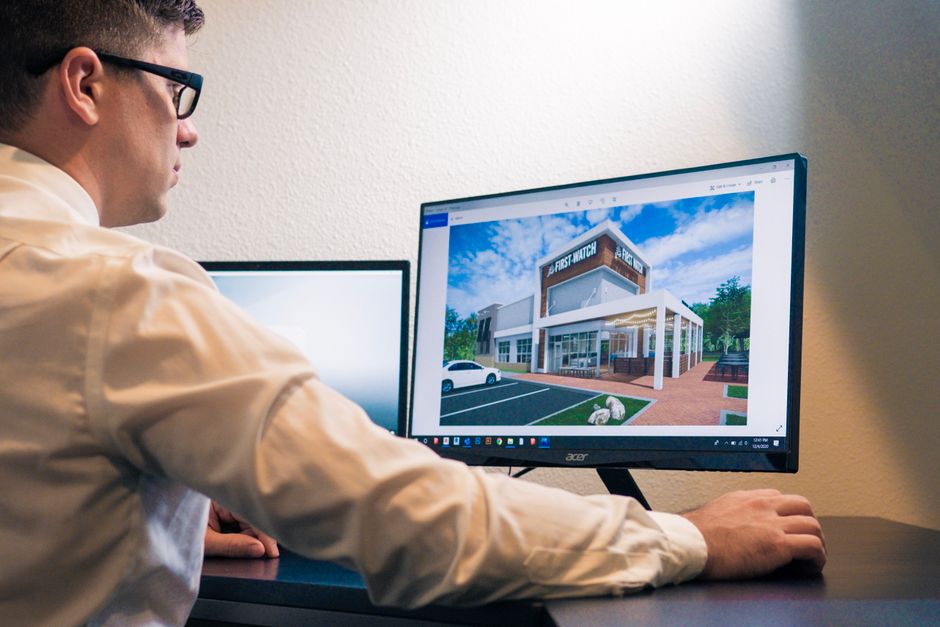
Why Slow Simulation Games Are a Perfect Fit for Adult Lifestyles
Slow simulation games offer a distinct set of advantages that align perfectly with the needs and limitations of busy adults. They aren’t just a time-filler; they’re a deliberate choice for relaxation and mental engagement. Here’s a quick overview of what makes them so compelling:
- Low Stakes, High Reward: Most simulation games don’t punish you severely for mistakes. You can experiment, learn, and rebuild without losing significant progress.
- Play at Your Own Pace: Whether you have 15 minutes or two hours, you can pick up and put down these games without feeling lost or pressured.
- Creative Expression: From designing cities in Cities: Skylines to building farms in Stardew Valley, these games provide a canvas for personal creativity.
- Sense of Accomplishment: Gradual progress and seeing your efforts bear fruit (a thriving city, a profitable farm) is incredibly satisfying.
- Mental Engagement Without Stress: They require planning and strategy but generally avoid the adrenaline spikes of competitive titles.
- Deep Systems to Explore: Many offer complex economic, social, or ecological systems that reward patient learning and experimentation.
- Escape and Immersion: They offer a calming immersion into a different world, providing a much-needed mental break from real-world concerns.
- Community Connection: Despite their often solitary nature, many have vibrant online communities for sharing tips and creations.
The Allure of Control and Predictability
One of the primary reasons why slow simulation games appeal to busy adults is the powerful sense of control they offer. In real life, adults often feel like they’re constantly reacting to external forces – emails, deadlines, family demands, unexpected crises. Simulation games reverse this dynamic. You are the architect, the mayor, the farmer, the manager. Every decision, from where to place a road to which crop to plant, directly impacts your simulated world.
Consider the immense satisfaction of meticulously planning a public transport network in a game like Cities: Skylines. You’re not just placing lines on a map; you’re solving traffic problems, managing budgets, and watching your digital citizens thrive. This isn’t about fast clicks; it’s about thoughtful consideration and strategic foresight. The game doesn’t rush you. You can pause, ponder, and adjust your plans, a luxury rarely afforded in the real world.
This predictability is a powerful antidote to real-life chaos. You understand the rules, you see the consequences of your actions, and you can course-correct without significant repercussions. This structured environment provides a mental haven, a space where problems are solvable and progress is tangible, often in delightful and visually pleasing ways.
Crafting Your Own Digital Haven
Games like Stardew Valley or Animal Crossing: New Horizons exemplify this need for a personal haven. These titles allow players to cultivate a farm, decorate a house, or develop an island community. There’s no inherent ‘win state’ beyond what you define for yourself. You can focus on fishing, growing pumpkins, making friends with villagers, or simply arranging furniture. The beauty lies in the freedom to pursue whatever brings you joy within the game’s framework.
In North America, especially, the craving for a simpler, more self-sufficient lifestyle is a recurring theme, and these games tap directly into that. For someone living in a bustling city like New York or Toronto, the idea of having a quaint farm or a peaceful island retreat, even digitally, offers a compelling fantasy and a calming escape.
How to Build a Game Library Around Mood Instead of Hype
Mindful Engagement: More Than Just Passing Time
Unlike endless scrolling on social media, slow simulation games offer mindful engagement. They require focus, planning, and often a degree of creative problem-solving. This isn’t passive entertainment; it’s active participation that can leave you feeling refreshed and mentally stimulated, rather than drained.
Take, for instance, management sims like Factorio, where the goal is to build and maintain complex automated factories. While it can get intense, the core loop is about meticulous planning, optimizing layouts, and identifying bottlenecks. It’s a puzzle game disguised as an industrial simulator. The satisfaction comes from watching your sprawling, interconnected systems hum along efficiently, a testament to your careful design and logical thinking.
The learning curve in these games often feels rewarding rather than frustrating. You’re not expected to master everything instantly. Instead, you gradually uncover deeper mechanics, refine your strategies, and discover new efficiencies. This process mirrors the slow, steady acquisition of skills in real life, but in a low-pressure environment where experimentation is encouraged.
The Therapeutic Rhythm of Repetition
Many slow simulation games incorporate repetitive tasks – planting crops, crafting items, organizing resources. While this might sound tedious, for busy adults, it can be incredibly therapeutic. This kind of controlled repetition, often accompanied by soothing visuals and soundscapes, can induce a meditative state, much like knitting or gardening in real life. It allows the mind to wander gently, processing thoughts without being overwhelmed.
This is a stark contrast to games like Fortnite, which demand constant, high-stakes attention and rapid decision-making. While thrilling for some, that level of intensity can be exhausting for someone looking to decompress. Slow simulation games offer a different kind of engagement, one that calms the nervous system rather than revving it up.
Accessibility and Convenience: Gaming on Your Terms
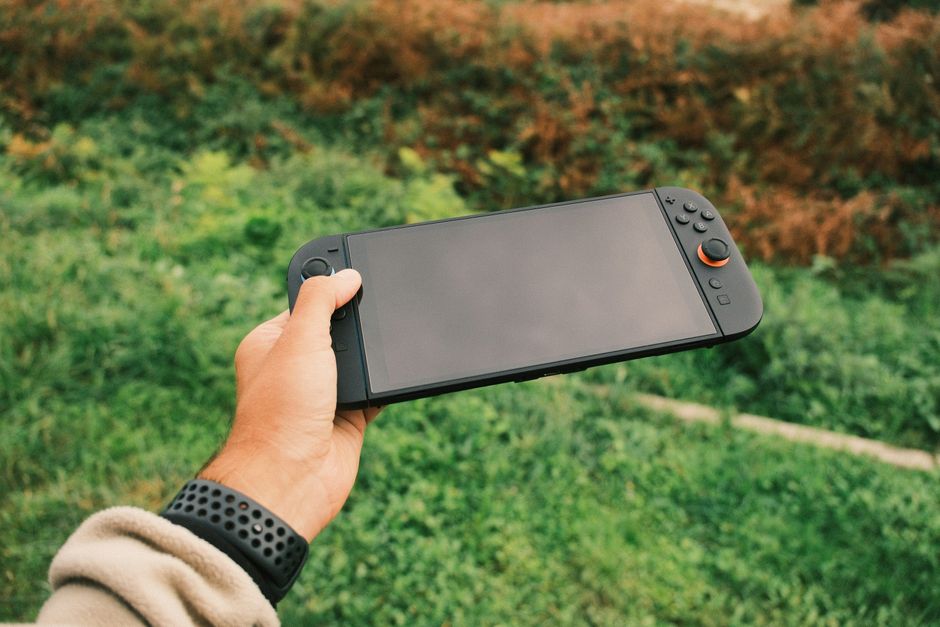
A significant factor in why slow simulation games appeal to busy adults is their inherent accessibility. Many popular titles in this genre are available across multiple platforms, including PC, consoles like the Nintendo Switch, and even mobile devices. This flexibility means you can play whenever and wherever you have a moment.
The Nintendo Switch, for example, has become a favorite among adults precisely because its hybrid nature supports this kind of gaming. You can play Animal Crossing on your TV in the living room, then pick up the console and continue your island life on the train during your commute. This seamless transition makes it easy to integrate gaming into a fragmented schedule, whether you’re in a bustling café in Paris or waiting for a bus in Rio de Janeiro.
Furthermore, many simulation games don’t require high-end graphics cards or new hardware, making them accessible to a wider audience. Services like Microsoft’s Game Pass also make it easier than ever to explore a vast library of simulation titles without a hefty upfront investment, reducing the barrier to entry for curious players.
Beyond the Big Screens: Mobile Simulation Gems
Don’t overlook the power of mobile gaming in this genre. Titles like Pocket City or Plague Inc. offer surprisingly deep simulation experiences on your smartphone or tablet. These are perfect for snatching a few minutes of play during a lunch break or while waiting for an appointment. The ability to dip in and out, making progress in small bursts, perfectly aligns with the erratic schedules of busy professionals across Europe, North America, and South America.
use New Worlds: The Best French-Language Games and Games With Strong Localization
The Social Aspect: Sharing and Community
While often played solo, many slow simulation games boast incredibly active and supportive online communities. Players share their elaborate city designs, intricate farm layouts, or creative home decor. This shared passion fosters a sense of belonging and provides inspiration. It’s not about competitive rankings, but about celebrating creativity and problem-solving together.
Whether it’s Reddit communities dedicated to specific games, Discord servers where players trade tips, or YouTube channels showcasing advanced builds, these communities offer a gentle form of social interaction that doesn’t demand immediate responses or high-pressure engagement. You can observe, learn, and contribute at your leisure.
This aspect is particularly appealing because it allows for connection without the overwhelming social demands of more competitive multiplayer games. It’s a low-stress way to feel connected to others who share similar interests, offering a positive social outlet for those who might have limited time for traditional social gatherings.
FAQ
How do slow simulation games help with stress?
Slow simulation games reduce stress by offering a controlled, low-pressure environment where players can engage in creative problem-solving and achieve tangible progress at their own pace. The absence of strict deadlines and intense competition allows for a meditative flow state, helping to quiet anxieties and provide a mental escape without added pressure.
Are slow simulation games available on platforms like Nintendo Switch?
Yes, many popular slow simulation games are widely available on the Nintendo Switch, making them highly accessible for busy adults. Titles like Animal Crossing: New Horizons, Stardew Valley, and Cities: Skylines (Cloud Version) are prominent examples, allowing for flexible gameplay both at home and on the go.
What is Game Pass’s role in accessing these types of games?
Game Pass is an excellent resource for accessing slow simulation games. Microsoft’s subscription service offers a rotating library of titles, often including a variety of simulation and management games. This allows busy adults to explore different genres and find games that suit their preference without having to purchase each one individually.
Are simulation games just for casual gamers, or can they be deep?
While many slow simulation games are accessible to casual gamers, they can also offer incredible depth and complexity. Titles like Factorio or Kerbal Space Program, for example, involve intricate systems, advanced planning, and significant learning curves that challenge even experienced players. They cater to a wide spectrum of engagement.
How do slow simulation games differ from fast-paced games like Fortnite?
Slow simulation games differ from fast-paced games like Fortnite primarily in their tempo and objective. Simulation games emphasize strategic planning, resource management, and creative building over rapid reflexes and competitive combat. They offer relaxation and a sense of accomplishment, whereas Fortnite focuses on high-octane action, quick decision-making, and direct competition.
Key Takeaways: Finding Your Digital Oasis
The appeal of slow simulation games for busy adults is multifaceted and deeply rooted in our modern lifestyles. They provide a vital outlet for creativity, a sanctuary for strategic thought, and a genuine source of relaxation.
Ultimately, these games aren’t just about pixels on a screen; they’re about finding a sense of control and accomplishment in a world that often feels overwhelming. They offer a gentle yet engaging escape, a place where you can build, nurture, and explore without the pressure of a ticking clock or demanding opponents. For many, they represent a conscious choice to slow down, engage thoughtfully, and discover a different kind of satisfaction in their leisure time.
So, whether you’re building a bustling metropolis, cultivating a peaceful farm, or meticulously managing a complex factory, remember that these digital worlds offer more than just entertainment – they offer a unique pathway to mental well-being for the busy adult.
Find more smart gaming guides on Vie En Mots.