
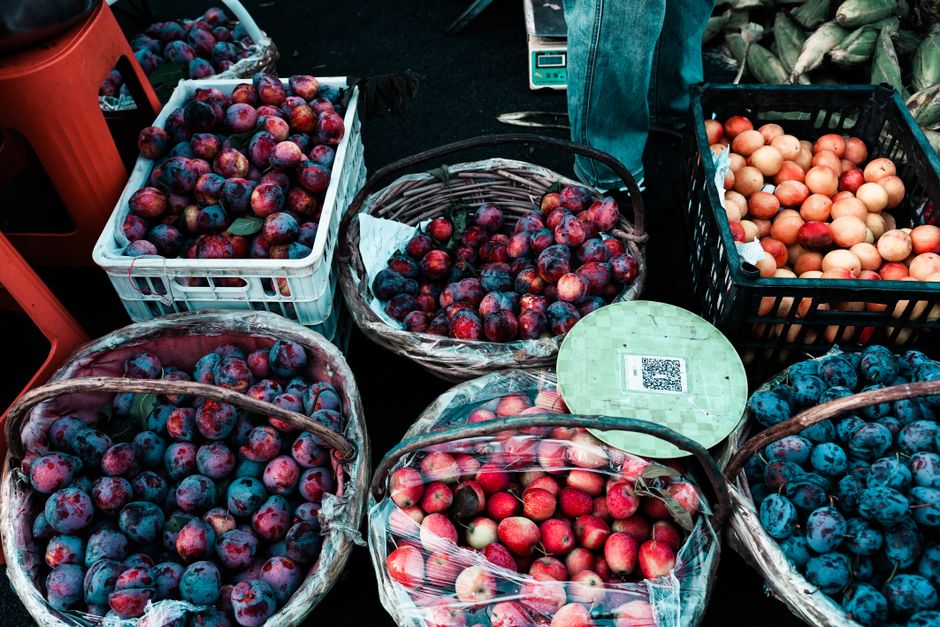
Adopting seasonal produce habits involves buying and consuming fruits and vegetables when they are naturally in season, leading to improved flavor, higher nutritional value, and typically lower prices due to local abundance. It simplifies home cooking by inspiring varied meals based on what’s fresh and readily available, reducing the need for complex recipes or out-of-season imports. This practice aligns with recommendations from organizations like the WHO for promoting healthy eating by increasing fruit and vegetable intake and supporting diverse dietary patterns.
There’s a distinct satisfaction that comes from biting into a ripe tomato, still warm from the sun, or a perfectly crisp apple picked right off the tree. This isn’t just about taste; it’s about connecting with the rhythm of nature and understanding how that rhythm can profoundly impact our home cooking and overall health. For years, as an editor observing trends and practical kitchen realities, I’ve seen how integrating seasonal produce habits into daily life transforms meal preparation from a chore into a creative, cost-effective, and remarkably flavorful endeavor.
Think about the difference between a watery, pale strawberry in winter versus the vibrant, sweet berries of early summer. This isn’t just a subjective preference; it’s a direct result of seasonality. When produce is in season, it’s typically harvested at its peak ripeness, meaning maximum flavor and nutritional density. This simple principle is the cornerstone of making home cooking easier, more enjoyable, and inherently healthier for families everywhere, from bustling cities in Europe to rural communities in South America.
The push for fresh, local ingredients isn’t a new fad; it’s a return to traditional wisdom. Before global supply chains made every fruit and vegetable available year-round, people naturally ate with the seasons. Re-embracing this approach doesn’t require a radical lifestyle overhaul, but rather a series of small, intentional adjustments that yield significant benefits for your kitchen and your well-being.
Why Seasonal Produce Habits Matter for Your Health and Wallet
Understanding the ‘why’ behind seasonal eating is crucial for sustained change. When you prioritize seasonal produce, you’re not just getting a better-tasting carrot; you’re often getting one that’s richer in vitamins and minerals. Produce harvested out of season frequently travels long distances, is picked prematurely, and often relies on artificial ripening processes, which can compromise its nutritional integrity and flavor profile. The World Health Organization (WHO) consistently advocates for increased fruit and vegetable consumption as a cornerstone of preventing non-communicable diseases, and sourcing these seasonally amplifies their health benefits.
Economically, seasonal produce is generally more affordable. When a particular fruit or vegetable is abundant locally, the supply is high, and prices tend to drop. This allows you to stretch your grocery budget further, enabling you to buy more fresh food without breaking the bank. Consider the cost difference of blueberries in mid-summer versus mid-winter in North America; the contrast is stark. This affordability makes healthy eating more accessible for everyone, especially health-conscious families looking to maximize value without sacrificing quality.
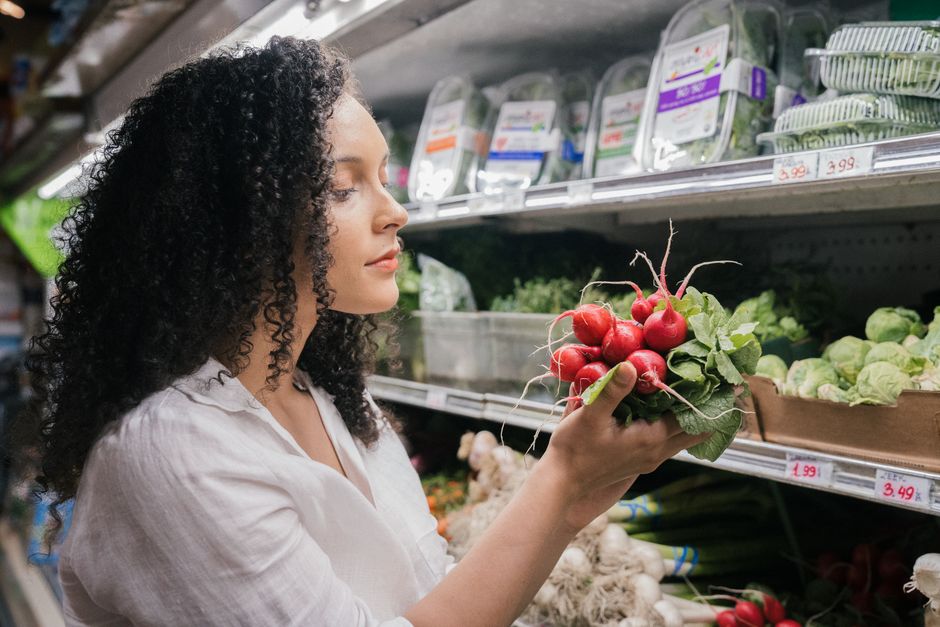
Beyond health and economics, there’s an environmental benefit. Choosing seasonal, local produce often means fewer food miles, reducing the carbon footprint associated with transportation and storage. This conscious choice contributes to a more sustainable food system, aligning with a broader global movement towards ecological responsibility. It’s a win-win for your body, your budget, and the planet.
Practical Seasonal Produce Habits That Make Home Cooking Easier
Integrating seasonal produce into your cooking doesn’t have to be complicated. It’s about building a few key habits that naturally guide your food choices and simplify your meal prep. Here are some actionable tips:
1. Visit Your Local Farmers Market Regularly
Farmers markets are goldmines for seasonal produce. They literally put what’s in season right in front of you. In places like France or Italy, markets are central to daily life, offering a vibrant display of fresh, regional fare. In North America, many cities and towns have thriving weekly markets. Even in South America, like the Mercado de San Telmo in Buenos Aires, you’ll find incredible seasonal variety. Talking to farmers gives you insights into peak ripeness and even recipe ideas.
2. Keep a Running List of In-Season Produce
Before you even step into a store or market, do a quick check: what’s in season this month? A simple Google search for ‘seasonal produce [your region/country] [current month]’ will give you a good overview. This list can then guide your meal planning. For example, knowing zucchini and tomatoes are abundant in summer means thinking about ratatouille or fresh pasta sauces.
The Practical Guide to Eating Well During Busy Workweeks: Fueling Your Life, Not Just Your Calendar
3. Learn Basic Preservation Techniques
When you hit a seasonal abundance, don’t let it go to waste. Freezing berries, blanching and freezing greens, making jams, or pickling vegetables (like cucumbers or green beans) are excellent ways to capture the season’s peak flavor for later. This extends your enjoyment and reduces food waste.
4. Adapt Recipes Rather Than Strict Adherence
Instead of searching for a ‘spinach casserole’ in summer, think about the role spinach plays (a leafy green) and substitute it with something seasonal, like Swiss chard or kale. The Mediterranean diet, famous for its health benefits, excels at this flexibility, emphasizing fresh, local ingredients over rigid recipes. This mindset shift frees you from being limited by specific ingredients.
5. Store Produce Properly to Maximize Freshness
Different produce needs different storage. Berries do best unwashed until just before eating, stored in a single layer in the fridge. Root vegetables prefer cool, dark places. Leafy greens often benefit from a damp paper towel wrap. Understanding these nuances extends the life of your seasonal haul, meaning less spoilage and more time for cooking.
6. Embrace Batch Cooking with Seasonal Staples
When you find a great deal on seasonal produce, buy a bit extra and use it for batch cooking. Roasting a large tray of seasonal vegetables (broccoli, carrots, sweet potatoes in fall/winter; asparagus, bell peppers in spring/summer) provides ready-to-eat components for salads, bowls, or sides throughout the week, significantly cutting down on daily cooking time.
7. Plan Meals Around What’s Seasonal, Not the Other Way Around
This is perhaps the most fundamental shift. Instead of deciding you want lasagna and then hunting for specific ingredients, look at what’s fresh and available and ask: “What can I make with these amazing seasonal finds?” This creative approach often leads to new, delicious dishes you might not have considered otherwise.
Comparing Produce Sourcing: Seasonal vs. Conventional Options
Understanding where your food comes from helps reinforce the value of seasonal produce habits. Here’s a brief comparison:
| Feature | Seasonal & Local Produce | Conventional (Out-of-Season/Imported) |
|---|---|---|
| Flavor Profile | Peak ripeness, vibrant, intense, true to variety. | Often bland, watery, or less distinctive due to early harvest and travel. |
| Nutritional Value | Higher concentration of vitamins, minerals, antioxidants. | Can be lower due to premature harvest, long transit, and storage. |
| Cost | Generally more affordable when in season due to local abundance. | Often more expensive due to transportation, storage, and growing costs. |
| Environmental Impact | Lower carbon footprint (fewer food miles, less energy for storage). | Higher carbon footprint (long-distance transport, refrigerated storage). |
| Ripeness/Freshness | Harvested at optimal ripeness, often sold within days. | Picked unripe, gassed to ripen, or stored for weeks/months. |
| Support | Supports local farmers and regional economies. | Supports larger agribusiness, global supply chains. |
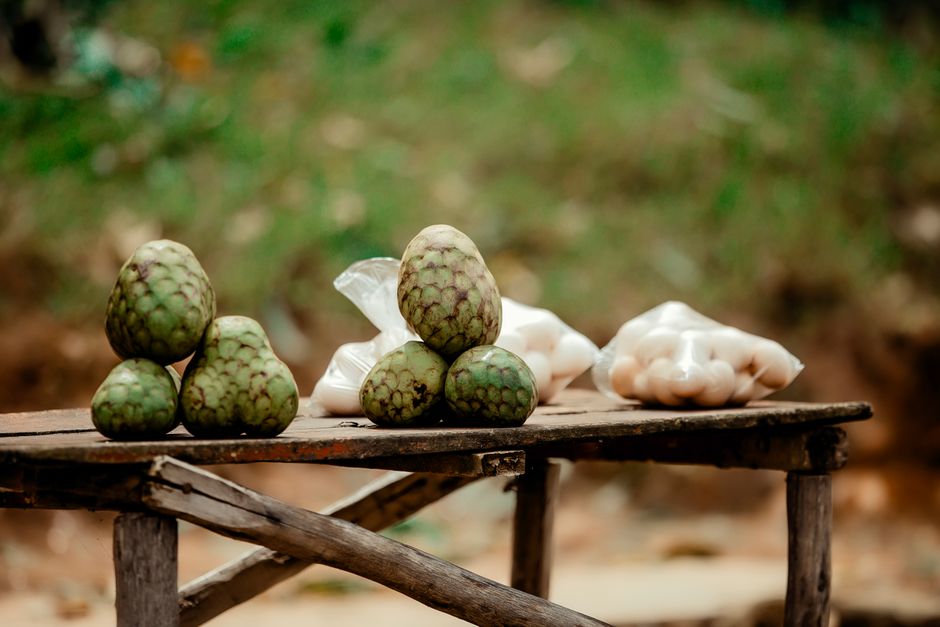
While conventional options offer convenience and year-round availability, the trade-offs in flavor, nutrition, and environmental impact are significant. The shift towards seasonal eating isn’t about rigid rules, but about making more informed and beneficial choices when you can.
Common Mistakes to Avoid When Embracing Seasonal Eating
Even with the best intentions, it’s easy to make a few missteps when trying to integrate seasonal produce habits. Awareness helps you navigate these pitfalls.
A common mistake is buying too much too soon. Enthusiasm at the farmers market can lead to an overflowing basket, only for some items to spoil before you can use them. Start small, buy what you know you’ll consume in a week, and then gradually increase as you get better at planning and using leftovers. Remember, preserving is an option, but don’t overcommit yourself initially.
How to Build a Healthier Bread, Cheese, and Salad Lunch: A Balanced Approach
Another pitfall is expecting perfect availability. While seasonal eating is fantastic, sometimes what’s in season locally might not align perfectly with a specific recipe you have in mind. Don’t get discouraged if you can’t find a particular item. The beauty of seasonal cooking lies in its flexibility and adaptability. Learn to swap ingredients based on what’s available and fresh.
Ignoring storage guidelines also leads to wasted produce. Simply throwing everything into the crisper drawer of your fridge without considering its specific needs can shorten its lifespan significantly. A quick online search for ‘how to store [produce item]’ can save you money and keep your ingredients fresh longer.
Finally, don’t let perfect be the enemy of good. You don’t have to be 100% seasonal all the time. If an out-of-season item is truly essential for a dish you love, or if local options are limited, that’s perfectly fine. The goal is to incorporate more seasonal eating, not to achieve culinary sainthood. Every little bit makes a difference.
Frequently Asked Questions About Seasonal Produce Habits
Here are some common questions about adopting seasonal produce habits:
What are the main benefits of eating seasonal produce?
Eating seasonal produce offers several benefits including superior flavor and freshness, higher nutritional content due to peak ripeness, typically lower prices, and reduced environmental impact from shorter transportation distances and less artificial ripening or storage.
How does seasonal eating impact my budget for home cooking?
Seasonal eating often lowers your grocery bill. When fruits and vegetables are in season, they are abundant and therefore cheaper. This allows you to purchase higher quality produce at a more affordable price point, maximizing your food budget for healthy ingredients.
Is seasonal produce available year-round in all regions?
No, seasonal produce varies greatly by region and climate. What’s in season in North America during summer will differ from what’s available in Europe or South America during their respective seasons. Each region has its own seasonal calendar, influenced by local agriculture and weather patterns.
How can I find out what’s in season in my area?
The best ways to find out what’s in season are to visit your local farmers market and ask vendors, check online seasonal produce guides specific to your state or country, or look for local agricultural extension websites which often provide seasonal charts.
Does eating seasonally mean I can’t enjoy certain foods out of season?
Not necessarily. While prioritizing seasonal options is beneficial, you can still enjoy certain foods out of season by utilizing frozen or canned produce, which is often harvested and preserved at its peak. The goal is balance and conscious choices, not strict deprivation.
Adopting seasonal produce habits is a rewarding journey that enriches your home cooking, supports your health, and connects you more deeply to the food system. By making these intentional shifts, you’ll discover a world of flavor and ease in your kitchen. To explore more about making informed food choices and improving your health, explore food and health guides on Vie En Mots.