

Fashion is more than simply choosing clothes to wear each morning. It is a creative way to express personality, confidence, mood, culture, and individuality. Every outfit tells a story, whether it is a simple combination of jeans and a shirt or an elegant evening dress carefully styled with accessories. Fashion continues to change with time, but the most important element remains personal style. Understanding fashion trends can help people discover new looks while developing a wardrobe that feels comfortable and authentic.
The Evolution of Fashion
Fashion has evolved dramatically throughout history. Clothing styles have always reflected changes in society, culture, technology, and lifestyle. Earlier generations often followed traditional clothing patterns that represented their communities and social backgrounds. Over time, fashion became more experimental, with designers introducing new fabrics, shapes, colors, and silhouettes. Today, people have access to styles from different parts of the world, making fashion more diverse than ever.
Modern fashion combines classic influences with contemporary ideas. Designers frequently revisit previous decades and reinterpret popular styles for a new generation. Vintage inspired clothing, relaxed tailoring, oversized silhouettes, and timeless accessories continue to appear in modern collections. This combination of old and new allows fashion lovers to experiment while maintaining a sense of individuality.
The Importance of Personal Style
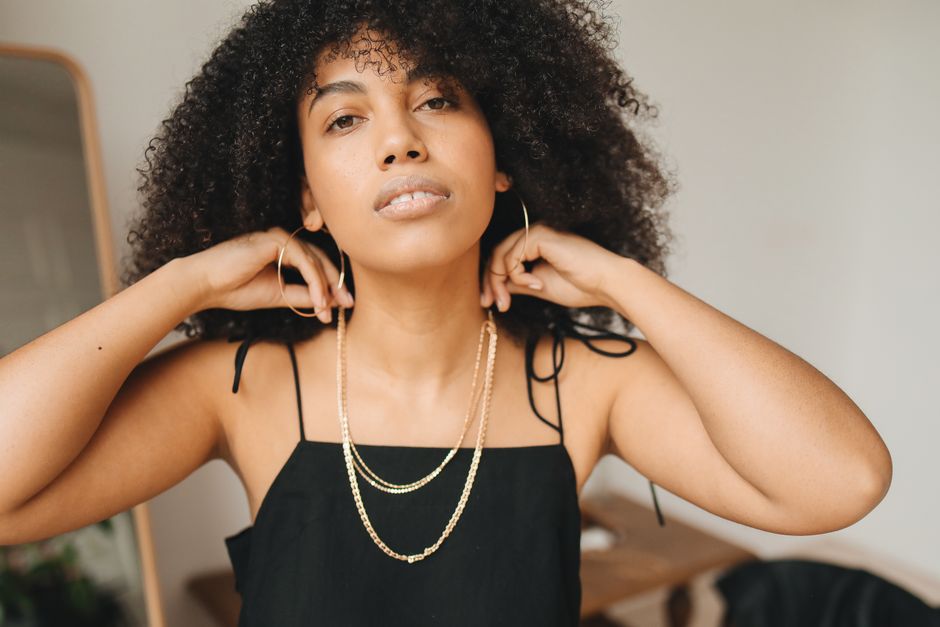
Following trends can be enjoyable, but personal style is what truly makes an outfit memorable. Personal style means understanding what colors, shapes, fabrics, and clothing combinations make you feel confident. Some people prefer minimal outfits with neutral colors, while others enjoy bright shades, bold patterns, and statement accessories.
Developing personal style does not require an expensive wardrobe. A few well chosen pieces can create numerous outfits when combined creatively. The key is to understand your lifestyle and choose clothing that works naturally with your daily routine. Comfort should also play an important role because confidence often comes from feeling comfortable in what you wear.
Building a Versatile Wardrobe
A versatile wardrobe is built around clothing that can be styled for different occasions. Essential pieces such as well fitting trousers, classic shirts, comfortable jeans, simple dresses, lightweight jackets, and versatile footwear can provide a strong foundation. These items can be mixed and matched to create casual, professional, or sophisticated looks.
Neutral colors are particularly useful because they can easily be combined with brighter pieces. Adding accessories can completely change the appearance of an outfit. A simple outfit can become more elegant with a structured handbag and refined jewelry, while sneakers and a casual jacket can create a relaxed appearance.
Fashion Trends and Modern Inspiration
Fashion trends provide inspiration for experimenting with new looks. Social media, fashion magazines, street style, celebrities, and designers influence what people wear around the world. Trends can introduce fresh ideas involving colors, fabrics, silhouettes, and accessories.
However, not every trend suits everyone. Instead of copying an entire trend, fashion lovers can choose individual elements that complement their existing wardrobe. For example, someone who prefers classic clothing might add a modern bag or fashionable footwear rather than completely changing their style.
The Rise of Sustainable Fashion
Sustainability has become an important topic in the fashion industry. Many consumers are becoming more aware of how clothing is produced and how fashion choices affect the environment. This has encouraged interest in durable clothing, responsible materials, second hand shopping, clothing repairs, and thoughtful purchasing.
Sustainable fashion does not necessarily mean buying expensive products. It can simply mean purchasing fewer items, choosing quality pieces, caring for clothing properly, and avoiding unnecessary purchases. Reusing and restyling existing clothes can also make a wardrobe more sustainable while encouraging creativity.
The Role of Accessories
Accessories have the power to transform an outfit. Bags, shoes, watches, belts, scarves, sunglasses, and jewelry can add personality to even the simplest clothing. Accessories also provide an easy way to experiment with current trends without replacing an entire wardrobe.
A statement necklace can add elegance to a basic outfit, while a stylish belt can define the shape of a loose dress. Shoes can also influence the overall mood of an outfit. Sneakers create a relaxed appearance, while boots or elegant footwear can make the same clothing feel more polished.
Fashion for Different Occasions
Choosing appropriate clothing for different occasions is an important part of fashion. Everyday outfits should prioritize comfort and practicality, while professional clothing often benefits from clean lines and polished details. Special occasions provide opportunities to experiment with elegant fabrics, sophisticated silhouettes, and distinctive accessories.
The most successful outfits usually balance appearance and comfort. Wearing something fashionable but uncomfortable can affect confidence and enjoyment. Understanding the occasion, weather, location, and personal preferences makes it easier to create a suitable look.
The Influence of Colors
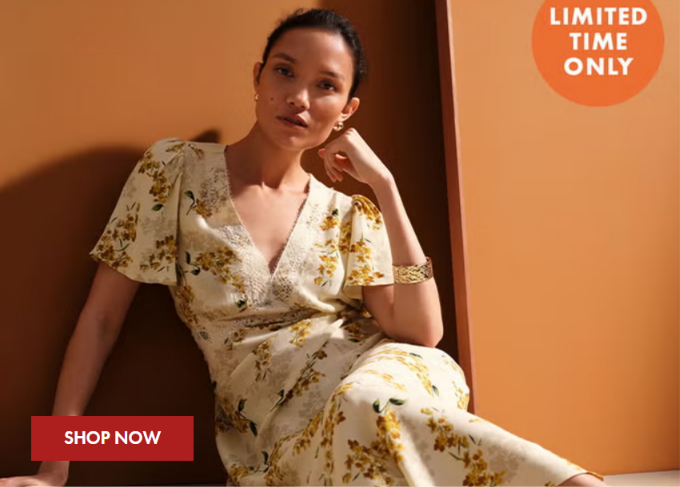
Color plays a powerful role in fashion. Different colors can create different impressions and influence how an outfit feels. Neutral shades such as black, white, beige, gray, and navy are timeless and versatile. Bright colors can add energy and personality, while soft shades can create a calm and elegant appearance.
Experimenting with color combinations can help people discover new styling possibilities. A neutral outfit can be enhanced with a colorful handbag or shoes, while colorful clothing can be balanced with simple accessories. Understanding personal preferences is more important than following strict rules.
Confidence Is the Best Style
The most important part of fashion is confidence. Clothing should help people feel comfortable, expressive, and positive. Trends may change every season, but confidence remains timeless. Wearing clothes that reflect your personality can make everyday life feel more enjoyable.
Fashion is ultimately a form of creativity. It allows people to experiment, discover new preferences, and communicate without words. Whether someone loves classic elegance, modern minimalism, streetwear, vintage clothing, or colorful outfits, there is room for every style.
Conclusion
Fashion continues to evolve, but its purpose remains deeply connected to self expression. Building a versatile wardrobe, understanding personal style, exploring trends thoughtfully, choosing sustainable options, and using accessories creatively can make fashion more enjoyable. The best fashion choices are not always the most expensive or the most popular. They are the choices that make you feel confident and comfortable. By discovering your own style and wearing it with confidence, fashion becomes more than clothing. It becomes a personal expression of who you are.