
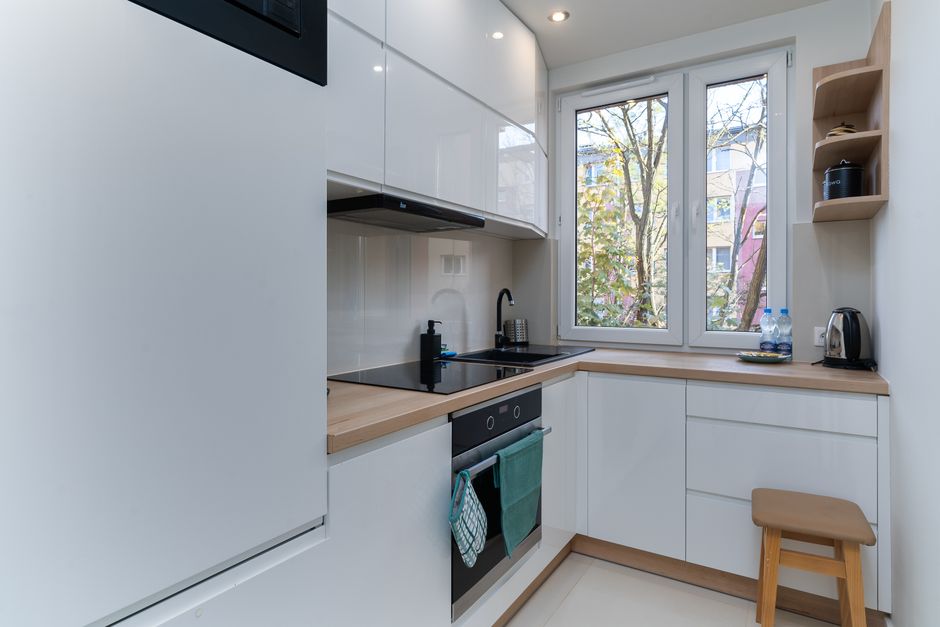
Technology for small apartments focuses on multi-functional, compact, and smart devices that optimize limited square footage. This includes smart home systems for automation, miniature kitchen appliances, entertainment solutions that don’t monopolize space, and efficient connectivity tools. The goal is to enhance comfort, convenience, and productivity without adding visual or physical clutter, making every device a valuable investment for compact living environments across North America, Europe, and South America.
When you live in a small apartment, every square inch counts. There’s no room for gadgets that gather dust or bulky electronics that overwhelm your space. The challenge isn’t just about buying small things; it’s about choosing technology that provides outsized utility, streamlines your routines, and genuinely makes your compact living experience better. It’s a deliberate shift from simply acquiring technology to strategically integrating it.
Think about the classic dilemma: you want the convenience of modern tech, but you’re constantly battling for countertop space, struggling with cable management, or simply wishing your apartment felt less cluttered. This isn’t just about aesthetics; it’s about functionality and peace of mind. The right technology for small apartments doesn’t just fit; it transforms your space, making it feel larger, more organized, and more efficient.
For many, this means a careful curation process. Do you really need a full-sized air fryer, a bread maker, and a dedicated toaster oven, or can one multi-functional appliance handle most of those tasks? Can your lighting system do more than just illuminate a room? These are the kinds of questions that drive smart technology choices in compact homes.
The Small Apartment Tech Checklist: What to Look For
Before diving into specific recommendations, let’s establish some guiding principles for selecting technology in a small living space:
- Multi-functional: Devices that do more than one job are invaluable. Think an oven that also air-fries, or a smart display that doubles as a speaker.
- Compact Footprint: Obvious, but crucial. Prioritize slim, wall-mountable, or easily storable items.
- Smart Integration: Connectivity allows devices to work together, automating tasks and reducing manual effort. This often means fewer physical controls taking up space.
- Energy Efficiency: Smaller spaces can heat up quickly, and lower power consumption is good for your wallet and the planet, particularly important in places like Europe with higher energy costs.
- Minimalist Design: Aesthetics matter. Devices that blend in or have a sleek design contribute to a less cluttered feel.
- Wireless Connectivity: Reduce cable mess with Wi-Fi enabled or Bluetooth devices.
- Portability/Storability: Can it be easily moved or put away when not in use?
- Voice Control: Hands-free operation can reduce the need for physical switches or remotes.
Smart Home Essentials: Making Your Apartment Work for You
A smart home system can truly improve small apartment living by automating tasks and centralizing control, often reducing the need for multiple physical devices. The key is choosing components that offer real utility without adding bulk.
Smart Hubs and Displays
Devices like the Amazon Echo Show or Google Nest Hub are excellent examples of technology that earn their space. They serve as smart speakers, digital photo frames, video call devices, and central control panels for your other smart home gadgets. Instead of a separate speaker, clock, and tablet, you get one device. Their compact size makes them ideal for kitchen countertops or bedside tables, common placements in apartments from Buenos Aires to Berlin.
Smart Lighting
Philips Hue or LIFX bulbs are more than just lights. They allow you to set moods, automate schedules (great for security when you’re out), and can even sync with music or movies. Crucially, they eliminate the need for bulky dimmer switches or multiple lamps to achieve different lighting effects. A single smart bulb can create a bright workspace, a cozy evening ambiance, or a vibrant party atmosphere.
Smart Plugs and Sensors
For appliances that aren’t inherently smart, a few TP-Link Kasa Smart Plugs can turn them into connected devices. Automate your coffee maker, control a fan, or even set up routines. Motion sensors from brands like Aqara can turn lights on when you enter a room and off when you leave, saving energy and adding convenience, especially useful in tight hallways or entryways.
Kitchen Technology: Maximizing Culinary Capabilities in Minimum Space
The kitchen often feels the pinch most in small apartments. Here, multi-functionality is paramount. Forget unitaskers unless they’re truly exceptional.
The Everyday USB-C Guide for People With Too Many Cables
Multi-Cookers and Compact Appliances
The Instant Pot is a prime example of technology for small apartments. It’s a pressure cooker, slow cooker, rice cooker, steamer, sauté pan, and yogurt maker all in one. This single appliance replaces several others, saving significant cabinet and counter space. Similarly, compact air fryers like the Ninja Foodi Max Health Grill & Air Fryer offer healthier cooking options without the bulk of a traditional deep fryer or a second oven. Brands like De’Longhi also offer compact espresso machines that don’t hog precious counter space, popular in coffee-loving regions like Italy and Brazil.
Smart Refrigeration and Storage
While a full-sized smart fridge might be out of the question for many small apartments, consider compact models or even smart food storage solutions. Devices like the FoodSaver Vacuum Sealer extend the life of groceries, meaning fewer trips to the store and less food waste – a smart move for any budget, and especially valuable where fridge space is at a premium. Some newer compact refrigerators offer smart features like remote temperature control via an app, which can be surprisingly useful.
Entertainment and Connectivity: Immersive Experiences, Compact Footprints
You don’t need a sprawling media room to enjoy high-quality entertainment. The right technology allows for rich experiences without sacrificing living space.
Projectors vs. Large TVs
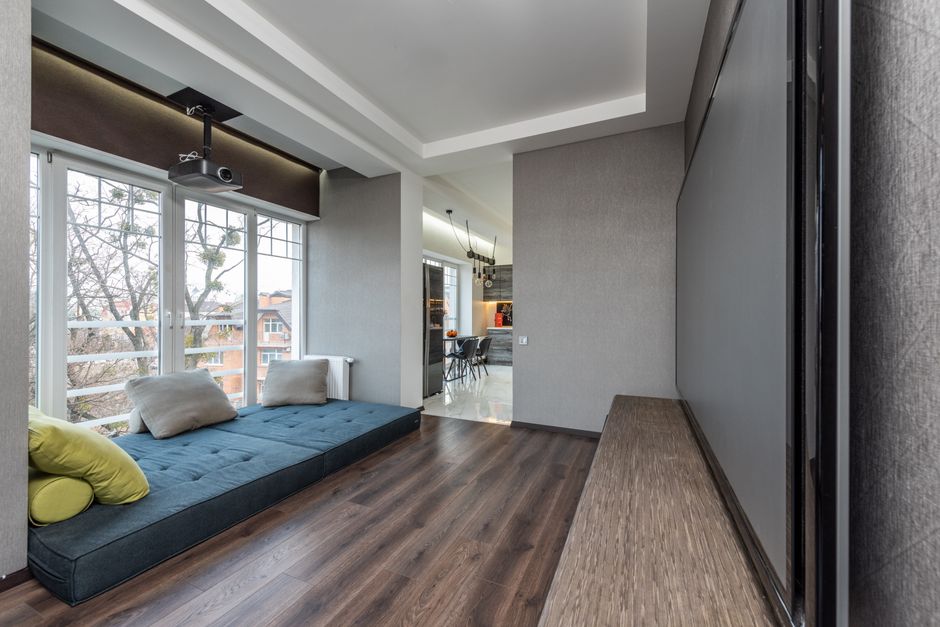
Instead of a massive television dominating your living area, consider a short-throw projector like the Anker Nebula Mars II Pro or the XGIMI Horizon Pro. These devices can project a large, high-definition image onto any blank wall, then pack away neatly when not in use. This frees up wall space and avoids the visual clutter of a large black rectangle in your living room. They’re becoming increasingly popular in North American condos and European studios.
Sound Systems
A soundbar, such as those from Sonos or Bose, offers excellent audio quality without requiring multiple speakers and wires. These can often be wall-mounted below a TV or placed discreetly on a slim media console. For personal listening, high-quality wireless headphones like Apple AirPods Max or Sony WH-1000XM5 provide an immersive experience without adding any physical presence to the room.
Advanced Wi-Fi: Ready for Tomorrow
Good connectivity is the backbone of any smart home. As we move towards more connected devices, having a solid Wi-Fi network is crucial, especially if you’re streaming 4K content, video conferencing, and running multiple smart home devices simultaneously. The emergence of Wi-Fi 7 (802.11be) promises significantly faster speeds, lower latency, and greater capacity compared to Wi-Fi 6E. While widespread adoption is still a few years out for many, new routers are beginning to incorporate this standard. For small apartments, this means even more reliable performance for all your connected gadgets, reducing buffering and ensuring your smart home runs smoothly, even with numerous devices vying for bandwidth.
Productivity and Organization: Streamlining Your Small Workspace
Even a small apartment can have a highly functional workspace with the right tech.
Compact and Portable Computing
Laptops like the Apple MacBook Air or Samsung Galaxy Book offer powerful performance in incredibly slim, portable designs. When paired with a portable monitor (e.g., from Lenovo or ASUS), you can create a dual-screen setup that packs away easily when not needed, transforming a dining table into a home office in minutes. Consider a compact wireless keyboard and mouse to further reduce desk clutter.
Document Management
Instead of a bulky printer, consider a compact all-in-one printer like the HP Tango X, designed for home use with minimal footprint. Better yet, embrace cloud storage and digital document management. Services like Google Drive, Dropbox, or iCloud allow you to store documents digitally, eliminating the need for filing cabinets and stacks of paper. A good document scanner app on your smartphone can digitize physical papers quickly.
Wellness and Cleaning: Keeping Your Small Space Pristine
Maintaining a clean and healthy environment is vital in a compact living space. Technology can make these tasks easier and more efficient.
How to Build a Quiet Desk Setup for Writing and Focus
Robot Vacuums
A robot vacuum like the Roomba iRobot s9+ or a Roborock S8 Pro Ultra is a practical advantage for small apartments. These devices can clean your floors automatically, navigating around furniture and returning to their charging dock. Many models now come with self-emptying bins, reducing the frequency of maintenance. This frees up valuable time and keeps your floors consistently clean without you having to store a large upright vacuum.
Air Purifiers and Dehumidifiers
Small spaces can sometimes feel stuffy or retain odors. A compact air purifier like the Coway Airmega 150 or a small dehumidifier can significantly improve air quality and comfort. These are particularly useful in older apartments found in many European and South American cities, where ventilation might not be optimal. They are designed to operate quietly and take up minimal floor space.
FAQ: Technology for Small Apartments
Is Apple HomeKit or Samsung SmartThings better for small apartments?
Both Apple HomeKit and Samsung SmartThings offer solid smart home ecosystems. For small apartments, the ‘better’ choice often depends on your existing devices. If you’re heavily invested in Apple products, HomeKit provides seamless integration. Samsung SmartThings, however, generally supports a wider array of third-party devices and brands, offering more flexibility if you mix and match tech. Both are effective for automating and managing compact spaces.
Can Wi-Fi 7 benefit a small apartment?
While Wi-Fi 7’s full potential is most noticeable in large, high-density environments, it can still benefit a small apartment. Its improved efficiency, lower latency, and increased capacity mean all your connected devices – from smart lights to streaming devices – will operate more smoothly and reliably, even if you have many of them. This ensures a responsive smart home experience with less buffering and faster downloads.
What are essential smart kitchen gadgets for tiny kitchens?
For tiny kitchens, focus on multi-functional gadgets. An Instant Pot (pressure cooker, slow cooker, etc.) is almost indispensable. A compact air fryer or a high-quality personal blender (like NutriBullet) are also excellent choices. Look for appliances that can perform multiple tasks, reducing the need for several single-purpose items that take up precious counter and cabinet space.
How can I reduce cable clutter in a small apartment?
Reducing cable clutter in a small apartment involves several strategies. Prioritize wireless devices whenever possible (Wi-Fi, Bluetooth). Use cable management sleeves or boxes to bundle and hide necessary wires. Wall-mounting TVs or soundbars can keep cables off surfaces. Smart plugs and voice control can reduce the need for physical switches, further minimizing visible wires and outlets.
Are smart displays worth it for small living rooms?
Yes, smart displays like the Amazon Echo Show or Google Nest Hub are highly worth it for small living rooms. They are multi-functional, acting as a speaker, digital photo frame, video call device, and smart home control panel. This consolidation of features reduces clutter by replacing several devices with one compact unit, saving space while providing a central hub for entertainment and control.
Key Takeaways for Smart Apartment Living
Choosing technology for small apartments isn’t just about finding the smallest version of everything. It’s a strategic process focused on efficiency, multi-functionality, and seamless integration. By prioritizing devices that serve multiple purposes, connect intelligently, and have a minimal physical footprint, you can transform a compact living space into a highly functional and comfortable home.
Whether you’re in a bustling São Paulo studio, a cozy London flat, or a compact New York City loft, the principles remain the same. Invest in smart hubs that centralize control, multi-cookers that save kitchen space, and entertainment solutions that disappear when not in use. Embrace wireless technologies and cloud services to minimize physical clutter and maximize digital efficiency.
The goal is to ensure every piece of technology you bring into your small apartment truly earns its space, enhancing your daily life without making your home feel crowded or overwhelming. It’s about living smarter, not just smaller.
Ready to discover more ways to optimize your home with intelligent solutions? Read more practical technology guides on Vie En Mots.