
We’ve all been there: Sunday comes, you’re energized, you cook a fantastic meal, and by Tuesday, the thought of eating the same thing again makes you sigh. Or worse, you’re exhausted after a long workday and the idea of starting from scratch in the kitchen feels like scaling Mount Everest. The promise of ‘meal prep’ often conjures images of endless identical plastic containers, which frankly, isn’t inspiring for a varied palate.
But what if there was a way to reclaim your evenings, reduce food waste, and still enjoy exciting, distinct meals without cooking from scratch every single time? The secret lies in mastering how to cook once and eat differently three times. It’s not about making a week’s worth of the exact same dish; it’s about intelligent ingredient preparation and creative transformation, turning one core component into several unique culinary experiences. This strategy frees up precious time during busy weekdays and ensures your taste buds never get bored.
In North America, many busy families grapple with the dinner dilemma, often resorting to takeout. In Europe, where fresh ingredients from local markets are often a daily ritual, the concept of batch cooking might seem less common, yet the principles of efficiency and flavor versatility are universally appealing. And in South America, where vibrant, fresh ingredients are paramount, adapting base components into new meals is a delicious way to enjoy the bounty without constant kitchen duty. Let’s dive into how you can make this practical approach work for you.
The Core Concept: Building Blocks, Not Full Meals
The fundamental idea behind learning how to cook once and eat differently three times is to shift your focus from preparing a complete dish to preparing versatile building blocks. Think about the components that take the most time or effort: roasting a chicken, cooking a large pot of grains, dicing a batch of vegetables, or simmering a rich sauce. By tackling these ‘heavy lifting’ tasks in one session, you set yourself up for quick assembly later.
This isn’t about blandness; it’s about creating a neutral-enough base that can be easily flavored in multiple directions. For example, plain roasted chicken breast can be shredded for tacos, cubed for a pasta dish, or sliced for a hearty salad. A large batch of brown rice can anchor a stir-fry, a grain bowl, or even a simple side dish with different seasonings. This approach keeps your options open and your subsequent cooking sessions minimal.
Choosing Your Star Player: Versatile Proteins and Grains
When you’re aiming to cook once and eat differently three times, selecting the right main ingredients is paramount. You want items that are delicious on their own but also adaptable to various flavor profiles and cooking methods.
How to Shop Small Specialty Grocers Without Overspending: A Savvy Shopper’s Guide
- Proteins: Chicken breast, chicken thighs, ground beef or turkey, lentils, chickpeas, or firm tofu are excellent choices. They cook well in larger quantities and absorb different seasonings beautifully. For example, a large roasted chicken (often found on sale at many North American grocery stores) is a classic starting point.
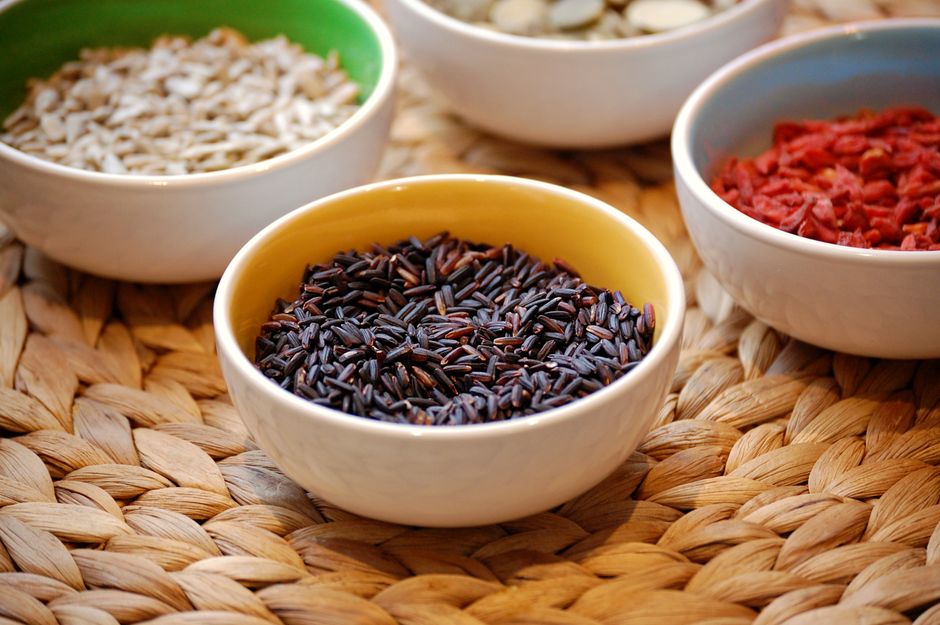
- Grains: Brown rice, quinoa, farro, or even a batch of roasted potatoes or sweet potatoes work wonderfully. These provide a satisfying base and can be dressed up with sauces, spices, and vegetables.
- Vegetables: Hardier vegetables that hold up well to reheating, like broccoli, cauliflower, carrots, bell peppers, or root vegetables, are great for batch roasting. Roasting a large tray of mixed vegetables with a drizzle of good quality olive oil, a staple in many European kitchens, gives you a versatile component ready to be added to various meals.
A common mistake is to season the entire batch too aggressively or with a very specific flavor profile from the outset. Keep the initial seasoning simple – salt, pepper, a little garlic powder – to maintain maximum versatility for future transformations.
Strategy 1: The Transformative Roast Chicken
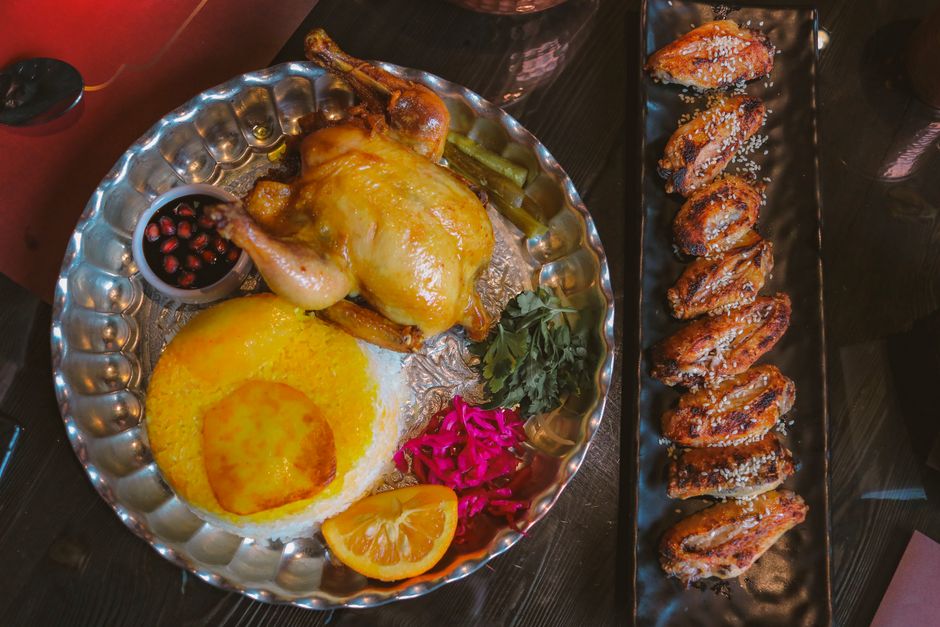
Let’s take a whole roasted chicken, a beloved meal from North America to Europe. Roasting a 2-3kg (4-6lb) chicken takes about 90 minutes, but yields enough meat for several meals.
- Meal 1: Classic Roast Chicken Dinner. Serve a portion of the freshly roasted chicken with some simple roasted potatoes and green beans. A timeless, comforting meal.
- Meal 2: Chicken Tacos or Wraps. Shred the remaining chicken meat, warm it gently, and toss with some taco seasoning, or a simple lime and cilantro dressing. Serve in warm tortillas with salsa, avocado, and shredded lettuce. This transformation is quick and completely changes the profile.
- Meal 3: Chicken & Vegetable Soup or Salad. Use any leftover chicken bones to make a rich broth (the base for many French market soups!). With the remaining shredded chicken, create a hearty soup by adding vegetables and pasta, or assemble a substantial salad with mixed greens, cherry tomatoes, cucumbers, and a vinaigrette. For an extra kick, add some toasted nuts or a sprinkle of feta cheese.
Pro Tip: When roasting, ensure the chicken is thoroughly cooked. The NHS (National Health Service) in the UK emphasizes safe internal temperatures for poultry to prevent foodborne illness. A meat thermometer is your best friend here, aiming for 74°C (165°F) in the thickest part of the thigh.
Strategy 2: The Mighty Grain Bowl Base
Cooking a large batch of a versatile grain like quinoa or brown rice is another excellent way to cook once and eat differently three times. It’s budget-friendly and packed with nutrients, popular from health-conscious North American kitchens to plant-forward South American diets.
- Meal 1: Savory Grain Bowl. Combine a portion of the warm grain with roasted vegetables (like those batch-roasted bell peppers and broccoli), a protein (perhaps some hard-boiled eggs or a handful of black beans), and a drizzle of a tahini-lemon dressing.
- Meal 2: Mediterranean Pilaf. Sauté some garlic and onion, add the cooked grain, a handful of spinach, sun-dried tomatoes, and Kalamata olives. Finish with a squeeze of lemon juice and a sprinkle of fresh parsley. This dish feels completely different from the grain bowl.
- Meal 3: Breakfast Porridge or ‘Fried Rice’. For a savory breakfast, gently warm the grain with some vegetable broth, a fried egg, and a dash of hot sauce. Or, transform it into a quick ‘fried rice’ by stir-frying with soy sauce, peas, carrots, and a scrambled egg.
Strategy 3: The Versatile Ground Meat Batch
Ground beef, turkey, or lentils (for a vegetarian option) are incredibly versatile and can be cooked in bulk. Brown a large quantity with just salt and pepper.
- Meal 1: Classic Bolognese. Add diced onions, carrots, celery, canned tomatoes, and herbs to a portion of the cooked ground meat to create a rich Bolognese sauce. Serve over pasta.
- Meal 2: Taco Meat or Chili. Season another portion with taco spices, serve in tortillas, or combine with kidney beans, crushed tomatoes, and chili powder for a quick chili.
- Meal 3: Shepherd’s Pie or Stuffed Bell Peppers. Mix the remaining ground meat with some frozen peas and corn, top with mashed potatoes (if making shepherd’s pie), or stuff into bell peppers and bake.
Ingredient Spotlight: The Role of Olive Oil in Versatility
When we talk about foundational ingredients, a good quality olive oil deserves a special mention. It’s not just a cooking fat; it’s a flavor enhancer and a healthy choice, widely used across Europe, particularly in Mediterranean regions. A solid extra virgin olive oil can be used for roasting vegetables, creating dressings, or finishing dishes. Its versatility means you can infuse different batches of your base ingredients with distinct flavors just by how you use it – a light drizzle for a fresh salad, or a heartier amount for roasting roots.
How to Bring Back the Long Lunch Without Losing the Workday
Making it Happen: Practical Tips for Success
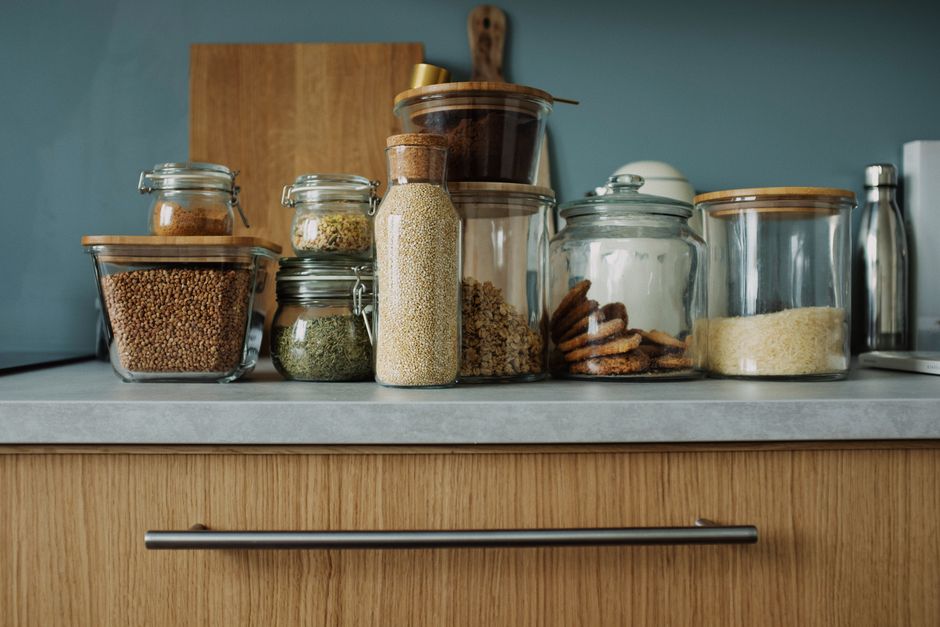
- Invest in Good Containers: Airtight containers (glass is often preferred for durability and ease of cleaning) are crucial for storing your prepped components safely in the fridge.
- Label Everything: It sounds simple, but knowing exactly what’s in each container and when it was made will save you time and prevent food waste.
- Don’t Overcook: When batch cooking ingredients like vegetables, aim for slightly undercooked. They’ll finish cooking when you reheat or combine them into a new meal, preventing mushiness.
- Embrace Your Freezer: Some components, like cooked grains or ground meat, freeze beautifully. Portion them out before freezing for quick thawing and assembly.
- Plan Your Transformations: Before you start cooking, have a loose idea of your three (or more!) meals. This helps you keep the initial seasoning neutral and ensures you prepare enough of the base ingredient.
Frequently Asked Questions About Smart Meal Prep
How can I avoid getting bored with eating the same batch-cooked meals?
The key is transformation, not repetition. Focus on versatile base ingredients like plain roasted chicken or cooked quinoa. Then, use different spices, sauces (like pesto, salsa, or a simple vinaigrette), and fresh additions (herbs, citrus, fresh vegetables) to create distinct flavor profiles for each meal. Think of it as having building blocks that you reassemble differently each time.
What are the best ingredients for batch cooking that can be transformed?
Excellent choices include whole roasted chickens, ground meats (beef, turkey, or lentils), large batches of grains (rice, quinoa, farro), roasted root vegetables (potatoes, sweet potatoes, carrots), and firm proteins like chickpeas or firm tofu. These ingredients are sturdy enough to be cooked in bulk and adapt well to various seasonings and meal styles.
How long do batch-cooked meals typically last in the refrigerator?
Most batch-cooked components, when stored properly in airtight containers, will last 3-4 days in the refrigerator. Cooked grains, roasted vegetables, and cooked proteins like chicken or ground meat generally fall within this timeframe. Always use your best judgment and check for any off smells or textures before consuming.
Is batch cooking cost-effective?
Absolutely. Batch cooking allows you to buy ingredients in larger quantities, which are often cheaper per unit. It also helps reduce food waste by using up ingredients systematically. Furthermore, it cuts down on impulse takeout or convenience meal purchases during busy weekdays, leading to significant savings over time.
What are common pitfalls to avoid when trying to cook once and eat differently three times?
A common pitfall is over-seasoning the base ingredient, limiting its versatility. Another is not having a clear plan for your transformations, leading to generic leftovers. Also, ensure proper storage in airtight containers to maintain freshness and safety, especially important for foods like cooked chicken, as advised by public health organizations.
Can I really do this with minimal extra effort?
Yes, the goal is minimal extra effort! The initial batch cooking takes a bit more time than a single meal, but the subsequent two meals become assembly jobs. Chopping vegetables once, cleaning dishes once for the main cook, and having ingredients ready to go drastically cuts down on daily kitchen time and mental load, making weeknight dinners much smoother.
Mastering how to cook once and eat differently three times isn’t just a time-saver; it’s a way to foster culinary creativity and ensure your meals are both nutritious and exciting throughout the week. By focusing on versatile foundations and smart transformations, you’ll soon wonder how you ever managed without this approach. Explore more practical food and health guides on Vie En Mots to deepen your kitchen skills and enjoy delicious, balanced living.