
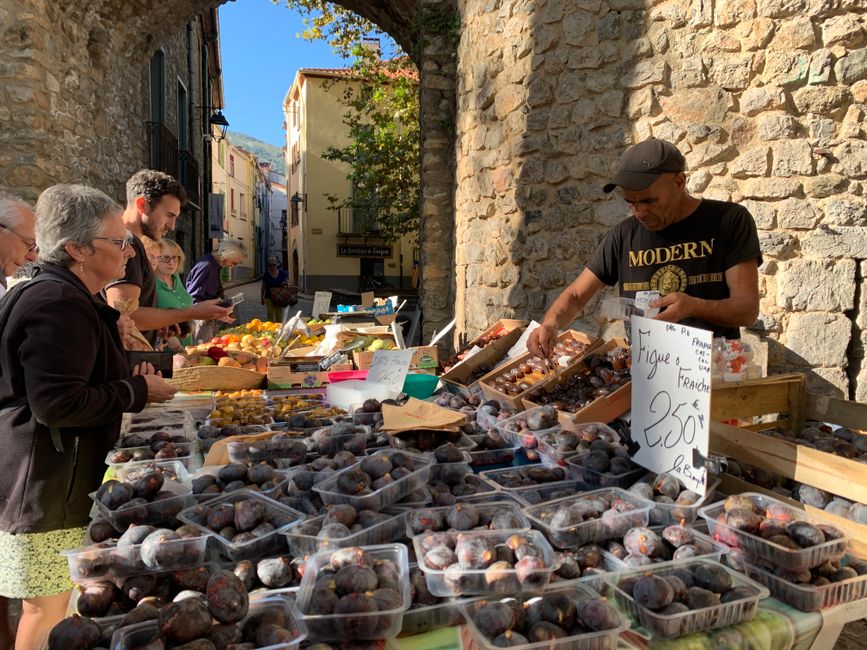
When you walk through a bustling French market, there’s a certain energy – a vibrant, almost tactile connection to food. Shoppers often carry woven baskets, not giant carts, and conversations with vendors are as common as weighing scales. What you often don’t see is an excess of packaging or overflowing bins of discarded produce. This isn’t just picturesque; it’s a reflection of deeper habits, many of which inherently work to keep edible food from ending up in the bin.
It’s a stark contrast to the supermarket culture prevalent in many parts of the world, where bulk buying, extensive choices, and an ‘always available’ mentality can inadvertently contribute to significant household food waste. But the good news is, you don’t need a passport to adopt some of these effective strategies. Many of these French market habits that help reduce food waste are eminently transferable, no matter where you live.
Consider the Mediterranean diet, often lauded for its health benefits. A core tenet is its emphasis on fresh, seasonal produce, whole grains, and healthy fats, with meat in moderation. This dietary pattern, common in France and other Mediterranean countries, intrinsically discourages waste because it champions using what’s fresh and available, rather than stockpiling processed items.
The Philosophy Behind French Food Shopping
The French approach to food extends beyond just cooking; it begins at the source. There’s a cultural reverence for ingredients, a belief that good food starts with good produce. This translates into more frequent, smaller shopping trips, often to specialized vendors rather than a single large grocery store. Think of the boulangerie for bread, the fromagerie for cheese, the boucherie for meat, and the open-air market for fruits and vegetables.
This decentralized shopping model fosters a stronger connection to the food supply chain and encourages a more mindful consumer. When you’re buying directly from the farmer or a dedicated purveyor, you’re more likely to appreciate the effort that went into producing that food and, consequently, less likely to let it go to waste. This isn’t just a quaint tradition; it’s a practical mechanism for fostering responsible consumption.
Practical French Market Habits to Adopt
Integrating these habits into your routine can make a real difference in your kitchen and your wallet. It’s about shifting your mindset, even slightly.
-
Plan Around What’s Available, Not Just What You Crave
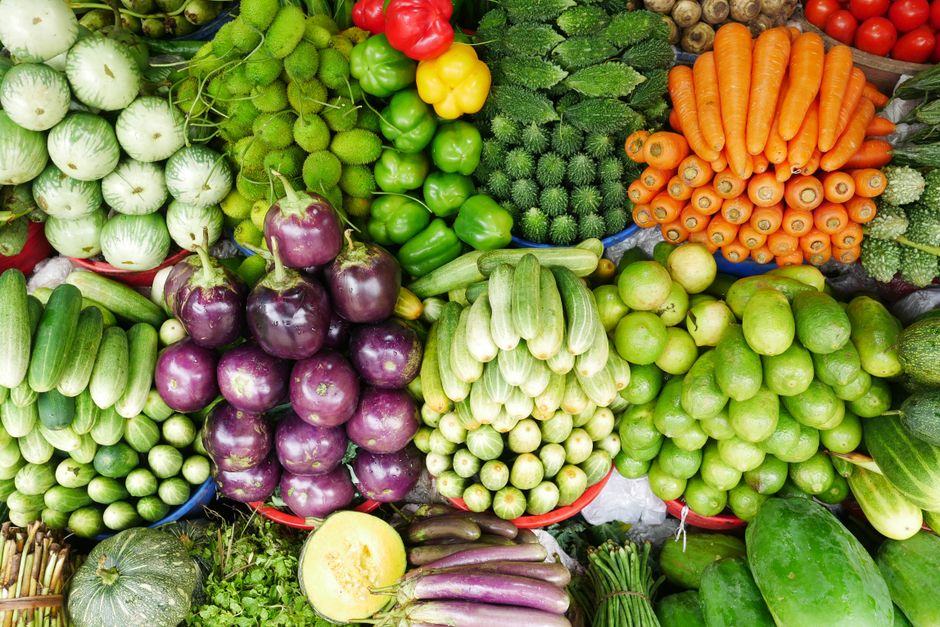
Instead of making a rigid shopping list and then seeking out those specific items, especially produce, try a more flexible approach. Go to your local market first and see what looks best and is in season. Then, plan your meals around those fresh finds. If beautiful radishes are abundant, think about a radish and butter tartine or a vibrant salad. If strawberries are at their peak, make them the star. This reduces the likelihood of buying out-of-season produce that might be less flavorful, more expensive, and more prone to spoilage.
-
Shop More Frequently, Buy Less Each Time
Many French households make several small trips to the market throughout the week, rather than one massive weekly haul. This allows them to buy exactly what they need for a few meals, ensuring ingredients are always fresh. It’s a key element of French market habits that help reduce food waste. This also means fewer items sitting in the fridge for too long, forgotten or turning bad before they can be used.
-
Embrace Imperfect Produce
At a French market, you’ll often see fruits and vegetables that aren’t perfectly uniform or blemish-free. These ‘ugly’ fruits and vegetables are perfectly delicious and nutritious. Many mainstream supermarkets reject them for aesthetic reasons, contributing to significant food waste. By choosing slightly misshapen carrots or a bruised apple, you’re directly helping to reduce waste at the farm level.
The Practical Guide to Eating Well During Busy Workweeks: Fueling Your Life, Not Just Your Calendar
-
Know Your Portions and Buy Accordingly
One of the biggest culprits of food waste is buying too much. French shoppers are generally adept at estimating quantities for specific meals. If you need two apples, you buy two apples, not a whole bag. If you need 500g of potatoes for dinner, that’s what you ask for. This precision, particularly common in North American bulk supermarkets, is a direct counter to the ‘buy more, save more’ mentality that often leads to excess.
-
Utilize the Whole Ingredient
French cooking often features a nose-to-tail or root-to-stem philosophy. Carrot tops become pesto, leek greens flavor stock, and chicken bones simmer into rich broths. This isn’t just about frugality; it’s about maximizing flavor and minimizing waste. Learn how to transform vegetable scraps into delicious stocks or purées. This kind of resourcefulness is a cornerstone of French market habits that help reduce food waste.
-
Carry Reusable Bags and Containers
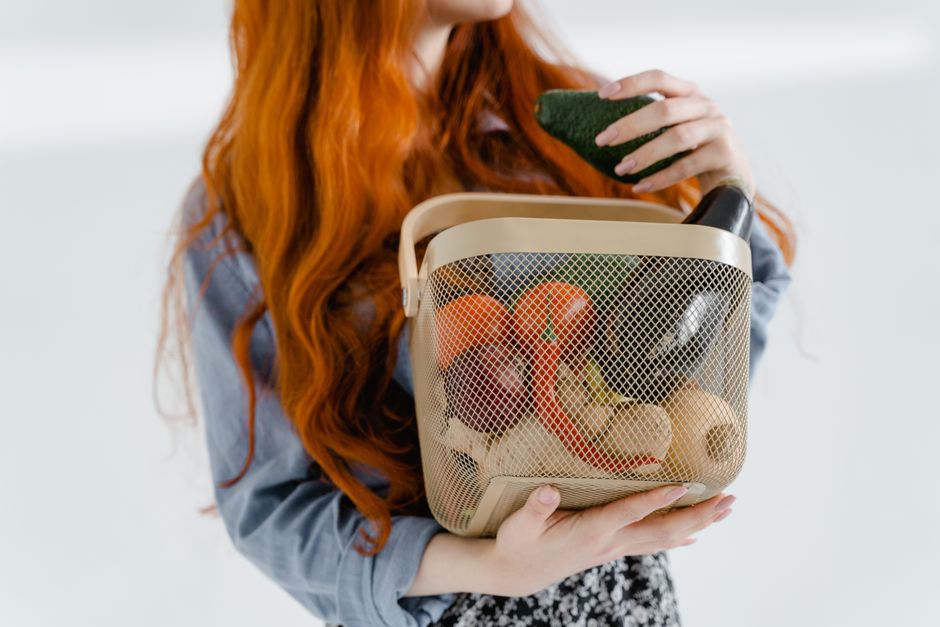
While not strictly about food waste, the environmental consciousness that accompanies market shopping often extends to packaging. Reusable bags are ubiquitous in Europe, and many shoppers even bring their own containers for cheese, olives, or bulk grains. This reduces single-use plastic, aligning with the overall ethos of sustainable consumption.
-
Talk to Your Vendors
Vendors at a French market are often experts. They can tell you what’s freshest, how to store specific items, and even suggest recipes. This interaction builds community and knowledge, helping you make informed choices that reduce waste. If you’re unsure how to use a particular vegetable, just ask!
Comparing Shopping Habits: Europe, North America, and South America
The contrast in shopping habits across continents reveals why French market habits that help reduce food waste are so effective. While globalization has blurred some lines, general patterns remain.
| Aspect | European Market Habits (e.g., France) | North American Supermarket Habits | South American Market/Supermarket Habits (e.g., Buenos Aires) |
|---|---|---|---|
| Frequency | Frequent, smaller trips (2-4 times/week) to specialized shops/markets. | Less frequent, larger bulk trips (1-2 times/week) to supermarkets. | Mix of daily fresh markets (‘ferias’) and less frequent supermarket trips, especially in urban centers like Buenos Aires. |
| Quantity Purchased | Exact amounts needed for a few days, focusing on freshness. | Large quantities, often driven by bulk deals and larger household sizes. | Varies; fresh markets encourage smaller, daily purchases, but supermarkets often offer bulk options. |
| Produce Focus | Seasonal, local, often ‘imperfect’ produce. Direct interaction with growers. | Availability year-round, uniform appearance. Less emphasis on seasonality for some consumers. | Strong emphasis on seasonal produce in markets, often vibrant and fresh. Supermarkets offer wider, sometimes imported, selection. |
| Waste Tendency | Lower household food waste due to freshness, portion control, and valuing ingredients. | Higher household food waste from spoilage of bulk purchases and impulse buys. | Moderate; waste can be lower with market purchases but higher with supermarket over-buying, similar to North America. |
In places like Buenos Aires, Argentina, you’ll still find vibrant ‘ferias’ (open-air markets) where residents buy fresh produce, meat, and cheese. These markets echo some of the French habits, fostering a connection to local growers and seasonal ingredients. However, the rise of large supermarkets and hypermarkets, similar to those in North America, has also introduced a culture of bulk buying and a potential for increased waste.
Common Mistakes to Avoid When Trying to Reduce Food Waste
Adopting new habits can take time, and it’s easy to fall into old patterns. Recognizing common pitfalls can help you navigate the transition more smoothly.
A common mistake is trying to do too much too fast. Don’t expect to overhaul your entire shopping and cooking routine overnight. Start with one or two French market habits, like planning meals around what’s in season at your local market, or committing to smaller, more frequent grocery runs. Gradually build on these successes.
The Practical Guide to Hydration Beyond Drinking More Water
Another pitfall is buying ‘just in case’ ingredients. We’ve all done it: picking up that extra bag of lettuce or a second block of cheese because ‘it might be useful.’ This often leads to items languishing in the fridge, uneaten. Stick to what you know you’ll use in the next few days. If you find yourself frequently using a particular ingredient, consider buying a slightly larger quantity if it has a long shelf life, but always with a specific plan for its use.
Over-reliance on expiration dates is also a common issue. Many ‘best by’ or ‘sell by’ dates are indicators of peak quality, not necessarily food safety. Use your senses: if food looks, smells, and tastes fine, it’s often still perfectly edible. Of course, this doesn’t apply to highly perishable items like raw meat or dairy past their actual ‘use by’ date, but for many pantry staples and produce, a little judgment goes a long way in preventing unnecessary waste.
Finally, neglecting storage is a major contributor to food waste. Even the freshest market produce won’t last if not stored properly. Learn the best way to keep different fruits and vegetables fresh – some prefer the fridge, others the counter, and some need specific conditions. For example, herbs often last longer in a jar of water, like flowers, while apples can ripen other produce if stored nearby. Proper storage is a simple but incredibly effective way to extend the life of your food.
Frequently Asked Questions About Reducing Food Waste
How does the Mediterranean diet reduce food waste?
The Mediterranean diet emphasizes fresh, seasonal, whole foods, often purchased locally and in smaller quantities. This focus on current availability minimizes overbuying and encourages the consumption of ingredients at their peak freshness, reducing the likelihood of spoilage and waste compared to diets relying heavily on processed or imported, out-of-season items.
Is it more expensive to shop frequently for fresh produce?
While it might seem counterintuitive, shopping more frequently and buying only what’s needed can actually save money by preventing spoilage. Although bulk discounts aren’t utilized, the overall cost of wasted food (which is often substantial) is significantly reduced. It also encourages buying in-season, which is typically more affordable.
What’s the best way to store fresh herbs to prevent waste?
To keep fresh herbs like parsley or cilantro vibrant, trim the stems and place them in a jar with an inch or two of water, like a bouquet. Cover loosely with a plastic bag and refrigerate. Basil, however, prefers room temperature and should not be refrigerated. This method significantly extends their shelf life.
How can I incorporate seasonal produce if I live in a cold climate?
Even in cold climates, some produce is seasonal. Look for root vegetables, hardy greens, and storage fruits like apples and pears. Explore local farmers’ markets for greenhouses or winter storage options. Freezing, canning, or pickling seasonal abundance when available can also extend its use throughout the year, similar to traditional French preservation methods.
Does reducing food waste only apply to fresh ingredients?
No, reducing food waste applies to all food categories. It includes proper storage of pantry items, understanding ‘best by’ dates, creative use of leftovers, and portion control for cooked meals. While fresh produce is a common area of waste, packaged goods and prepared foods also contribute significantly to the problem.
Adopting these French market habits that help reduce food waste isn’t about rigid rules, but about cultivating a more mindful, appreciative relationship with your food. It’s about savoring ingredients, making intentional choices, and ultimately, contributing to a more sustainable kitchen. Explore more food and health guides on Vie En Mots to deepen your understanding of these valuable practices.