

To fuel long city walks and demanding travel days, prioritize complex carbohydrates for sustained energy, lean protein for satiety, and healthy fats for absorption and long-term fuel. Think oatmeal with berries, whole-grain toast with avocado and an egg, or a small bowl of pasta with olive oil and vegetables. Avoid sugary snacks that cause quick energy spikes and subsequent crashes. Hydration is equally important, so drink plenty of water. The key is balance and timing, ensuring your meal is digestible and provides a steady release of energy without feeling heavy.
There’s nothing quite like the feeling of stepping off a train or plane into a new city, map in hand, ready to explore every cobblestone street and hidden alley. But that enthusiasm can quickly wane if you hit a wall of hunger or fatigue just a few hours in. Knowing what to eat before long city walks and travel days isn’t just about avoiding a grumbling stomach; it’s about optimizing your energy, mood, and overall experience.
Whether you’re planning to wander the grand boulevards of Paris, navigate the bustling markets of Lima, or hike through the historic districts of Boston, your food choices beforehand make all the difference. We’ve all been there: a heavy, greasy breakfast leading to an immediate need for a nap, or skipping a meal altogether only to bonk hard when you’re miles from a decent snack. Let’s make sure your next adventure is fueled for success.
The Science of Sustained Energy for Exploration
When you’re embarking on a long walk or a full day of travel, your body needs fuel—and not just any fuel. It needs the kind that burns slowly and steadily, like a well-managed campfire. Quick-burning sugars give you a burst, but then leave you stranded. This is where understanding macronutrients comes in, not in a complicated, diet-speak way, but in a practical, ‘what should I grab from the hotel breakfast buffet’ way.
Complex Carbohydrates: Your Endurance Engine
Think of complex carbohydrates as the foundation of your energy strategy. Foods like whole-grain bread, oats, brown rice, and potatoes release glucose into your bloodstream slowly, preventing those dreaded sugar crashes. This steady supply means your muscles and brain have the fuel they need, hour after hour.
- Oatmeal: A classic for a reason. A bowl of slow-cooked oats with a handful of berries and nuts provides sustained energy. In North America, Quaker Oats are a staple, easily found in most grocery stores.
- Whole-wheat toast or bagels: Pair with a lean protein or healthy fat for an even more balanced start. Think avocado toast with a sprinkle of everything bagel seasoning.
- Potatoes or sweet potatoes: A baked potato (without too much butter or sour cream) is a fantastic source of complex carbs and electrolytes, especially good if you’ll be walking in hotter climates.
Lean Proteins: Staying Satiated and Strong
Protein isn’t just for bodybuilders. It’s essential for satiety, helping you feel full longer and preventing muscle breakdown during prolonged activity. When combined with complex carbs, protein helps moderate blood sugar levels even further, leading to more stable energy.
Fueling Your Night: Better Snack Habits for People Who Work Late
- Eggs: Versatile and easily available. A couple of hard-boiled eggs are a perfect grab-and-go option. Many European hotels offer them on their breakfast spreads.
- Greek yogurt: High in protein and often contains probiotics for gut health, which can be a real plus when traveling. Opt for plain varieties and add your own fruit.
- Lean deli meat: If you’re packing a sandwich for later, turkey or chicken breast is a good choice.
Healthy Fats: Long-Burning Fuel and Nutrient Absorption
While often maligned, healthy fats are crucial for long-term energy and the absorption of fat-soluble vitamins. They also contribute to that feeling of fullness, preventing you from reaching for unhealthy snacks. The NHS (National Health Service) in the UK consistently emphasizes the importance of healthy fats in a balanced diet.
- Avocado: A fantastic source of monounsaturated fats, fiber, and potassium. Great on toast or in a salad. Widely available and appreciated across North and South America.
- Nuts and seeds: Almonds, walnuts, chia seeds, and flax seeds offer healthy fats, protein, and fiber. A small handful can be incredibly satisfying.
- Olive oil: A cornerstone of Mediterranean diets, extra virgin olive oil is not only delicious but also packed with antioxidants and healthy monounsaturated fats. Drizzling it over a pre-walk salad or a piece of bread can be a great way to incorporate it, especially if you’re in Europe where it’s a staple.
Practical Pre-Walk Meal Ideas for Different Regions
Let’s move from theory to practical application. What to eat before long city walks will vary slightly depending on where you are in the world and what’s readily available.
North American Journeys: Familiar and Convenient
In North America, you often have a plethora of choices, from diner breakfasts to coffee shop offerings. The key is to make smart selections.
- Breakfast Sandwich Upgrade: Instead of a sausage McMuffin, opt for an egg and cheese on a whole-wheat English muffin with a side of fruit. Many independent coffee shops offer similar, healthier versions.
- Oatmeal Bar: Places like Starbucks often have oatmeal. Add their fruit and nut toppings, but go easy on the brown sugar.
- Deli Counter Creations: A turkey and avocado sandwich on whole-wheat bread with lettuce and tomato is a solid choice. Many grocery stores like Whole Foods or Safeway have excellent deli sections.
European Rambles: Embracing Local Flavors Sensibly
Europe’s culinary scene is incredible, but it’s easy to get sidetracked by pastries. While a croissant is a lovely treat, it won’t sustain you for hours of sightseeing.
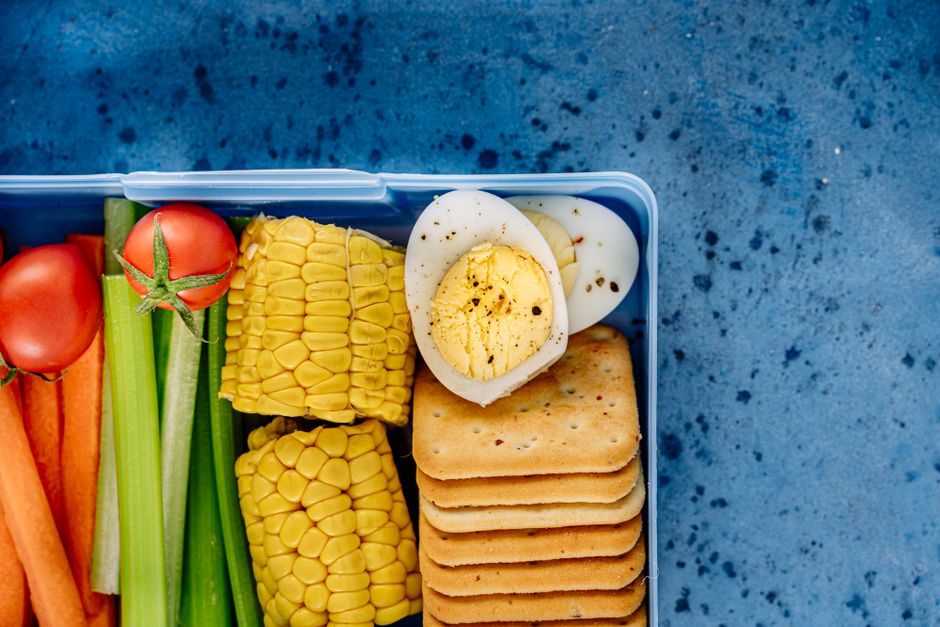
- French Markets and Bakeries (Boulangeries): Skip the pain au chocolat for your main fuel. Instead, look for a baguette sandwich with ham, cheese, and a little Dijon mustard (hold the butter for a lighter option). Many markets also offer fresh fruit, yogurt, and hard-boiled eggs.
- Italian Breakfast: Often a quick espresso and a pastry. If you need more fuel, look for a yogurt with fruit or a small savory tart. Many cafes now offer more substantial options like toast with jam or cheese.
- Mediterranean Delights: A small plate of olives, a slice of feta cheese, and a whole-grain cracker with a drizzle of olive oil can be a surprisingly effective pre-walk snack, found widely in countries like Greece or Spain.
South American Explorations: Flavorful and Filling
South American cuisine is rich and diverse. Adapt local staples to your pre-walk needs.
- Arepas or Empanadas (the right kind): In Colombia or Venezuela, a plain arepa with cheese or scrambled eggs can be a great start. In Argentina, opt for baked empanadas with lean fillings like spinach and cheese, rather than fried, heavy meat ones.
- Fresh Fruit and Yogurt: Markets across South America burst with incredible fresh fruit. A bowl of papaya, mango, or passion fruit with plain yogurt is a fantastic, hydrating option.
- Quinoa Power: In Peru and Bolivia, quinoa is a staple. A small bowl of quinoa porridge or a salad with quinoa, vegetables, and a light dressing can provide excellent sustained energy.
Timing is Everything: When to Eat Before Long City Walks
Eating too close to your activity can lead to discomfort, while eating too far in advance can leave you hungry again. The sweet spot is usually 1-3 hours before you start your serious walking.
How to Bring Back the Long Lunch Without Losing the Workday
- 1-2 Hours Before: A moderate-sized meal focusing on complex carbs, lean protein, and healthy fats. Think a bowl of oatmeal with fruit and nuts, or whole-wheat toast with avocado and an egg.
- 30-60 Minutes Before (Light Snack): If you’re just feeling a bit peckish, opt for something small and easily digestible like a banana, a small handful of almonds, or a rice cake with a thin smear of peanut butter.
- During the Walk: For truly long days (4+ hours of active walking), bring a few small, easily digestible snacks. Think energy bars (check sugar content!), dried fruit, or a small bag of trail mix.
Hydration: The Unsung Hero of Travel Energy
No matter what you eat, if you’re not properly hydrated, your energy levels will suffer. Dehydration can lead to fatigue, headaches, and impaired concentration—all things you want to avoid when trying to enjoy a new city.
- Water is Best: Aim to drink water consistently throughout the day, not just when you feel thirsty. Carry a reusable water bottle and refill it whenever possible.
- Electrolytes: If you’re walking in very hot weather or for extended periods, consider an electrolyte tablet in your water to replenish lost salts.
- Limit Sugary Drinks: Sodas and fruit juices (even 100% juice) can cause blood sugar spikes and offer little nutritional value. Save them for an occasional treat.
FAQ: What to Eat Before Long City Walks and Travel Days
What should I eat for breakfast before a long walk?
For breakfast before a long walk, focus on complex carbohydrates like oatmeal or whole-wheat toast, combined with lean protein such as eggs or Greek yogurt, and a small amount of healthy fats like avocado or nuts. This balanced approach ensures a slow, steady release of energy, keeping you full and preventing energy crashes throughout your exploration.
Are bananas good before a long walk?
Yes, bananas are an excellent choice before a long walk, especially as a quick snack 30-60 minutes prior. They provide easily digestible carbohydrates for quick energy, as well as potassium, which is crucial for muscle function and preventing cramps. They are convenient, portable, and a natural source of fuel.
Should I avoid coffee before a long walk?
For most people, a regular amount of coffee (1-2 cups) before a long walk is fine and can even boost focus. However, excessive caffeine can lead to dehydration or an upset stomach in some individuals. Listen to your body and stick to your usual intake; avoid trying new, heavily caffeinated drinks right before a big walking day.
What kind of sandwich is good for walking?
A good sandwich for walking days is one made with whole-grain bread, lean protein like turkey or chicken breast, plenty of vegetables such as lettuce and tomato, and a light spread like hummus or a small amount of avocado. Avoid heavy sauces or excessive cheese, which can lead to indigestion. It should be easy to eat and provide balanced nutrients.
How long before a walk should I eat?
Ideally, consume your main meal 1-3 hours before starting a long walk to allow for proper digestion and energy conversion. If you need a lighter snack, such as a banana or a small handful of nuts, 30-60 minutes beforehand is usually sufficient. This timing helps prevent feeling too full or hungry during your activity.
The Last Word on Fueling Your Adventures
Ultimately, what to eat before long city walks and travel days boils down to a few core principles: complex carbs for sustained power, lean protein for fullness, healthy fats for lasting energy, and consistent hydration. While indulging in local delicacies is part of the travel experience, being mindful of your pre-activity meals ensures you have the stamina to truly savor every moment, whether you’re navigating the labyrinthine streets of Venice, hiking the colourful hills of Valparaíso, or exploring the urban parks of New York City. Fuel wisely, explore fully, and enjoy the journey. To discover more about how food choices impact your well-being, explore our extensive food and health guides on Vie En Mots.