
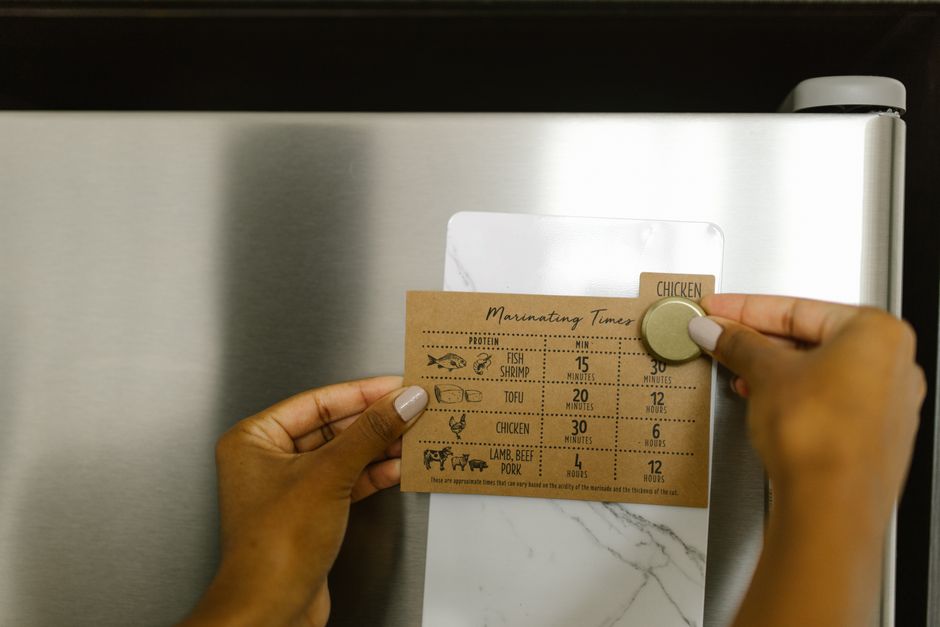
The dinner dilemma is real for many of us. You get home after a long day, whether it’s from a busy office in Paris or a remote work setup in Vancouver, and the last thing you want to do is ponder a dozen culinary possibilities. The fridge might hold a random assortment of items, the pantry isn’t much help, and soon enough, you’re staring at takeout menus, feeling a pang of guilt (and a hit to your wallet).
This common scenario isn’t just about lack of time; it’s often about decision fatigue and the sheer mental load of planning. What if there was a way to streamline the entire process, making weeknight meals not just edible, but genuinely enjoyable, without the usual chaos? What if you could significantly reduce food waste and save money in the process?
The solution is surprisingly simple and incredibly effective: learn how to plan low-stress dinners around one main ingredient. This isn’t about eating the same thing every night; it’s about strategic thinking that turns a single purchase into multiple diverse, delicious meals. It’s a practical advantage for anyone looking to bring more calm and consistency to their kitchen.
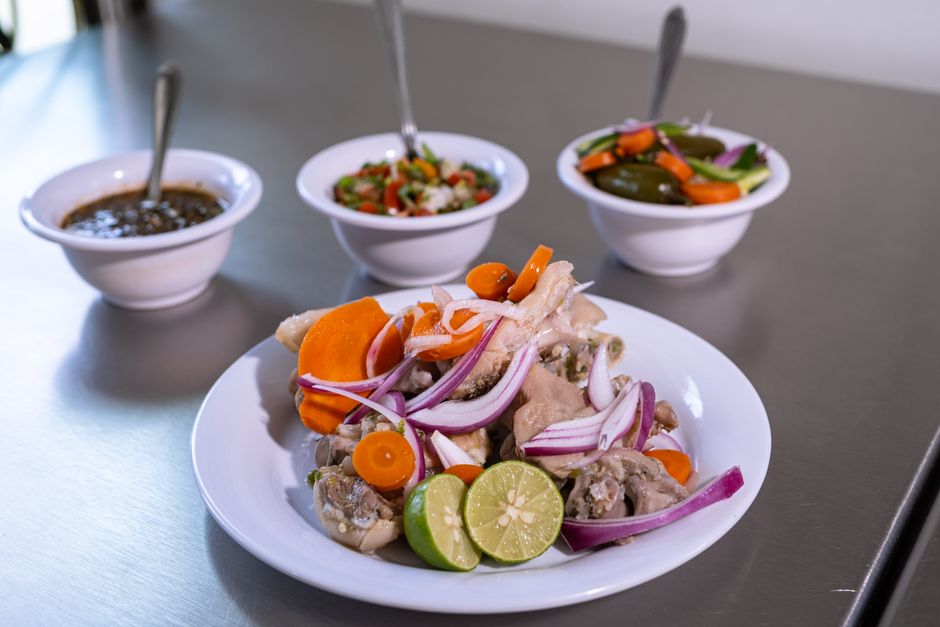
The Core Principle: One Ingredient, Many Possibilities
Embracing the one-main-ingredient strategy transforms your kitchen routine. Here’s what it looks like:
- Reduced Decision Fatigue: You only need to pick one star ingredient.
- Streamlined Shopping: Grocery lists become shorter and more focused.
- Minimized Waste: You use up what you buy, preventing forgotten produce.
- Maximized Flavor: You get creative with one item, exploring its versatility.
- Built-in Variety: Each meal feels different, despite the shared core.
- Increased Confidence: You master cooking that ingredient, building skills.
- Budget-Friendly: Buying in bulk or on sale for one item can save money.
Choosing Your Star: Versatility is Key
The success of this approach hinges on selecting the right main ingredient. Think about items that are solid enough to anchor several meals and flexible enough to take on different flavor profiles. This isn’t just about protein; it can be a hearty vegetable or even a grain.
Proteins That Shine
When you’re thinking about how to plan low-stress dinners around one main ingredient, proteins are often the first stop. A whole roast chicken is a classic example. Imagine roasting it on Sunday. That night, you have a beautiful roast chicken dinner. Monday, the leftover meat can be shredded for chicken tacos with some salsa and avocado. Tuesday, it becomes the star of a quick chicken noodle soup. By Wednesday, maybe it’s in a vibrant salad with a lemon-herb dressing. This approach works whether you’re sourcing your chicken from a local French market in rural Provence or a large supermarket chain in Boston.
- Whole Chicken/Turkey: Roasting yields cooked meat for days.
- Pork Shoulder/Boston Butt: Perfect for slow cooking and shredding (pulled pork, carnitas).
- Ground Beef/Turkey/Lentils: Excellent for chili, tacos, pasta sauce, or even Shepherd’s pie.
- Salmon Fillets: Can be baked, pan-seared, or grilled, then flaked for salads or bowls.
Vegetables as the Main Event
Don’t underestimate the power of a versatile vegetable. A large head of cauliflower, for instance, can be roasted whole one night, turned into a creamy soup the next, and then used in a curry or as ‘rice’ later in the week. Sweet potatoes are another fantastic option; think baked sweet potatoes, sweet potato fries, or even a sweet potato and black bean chili.
How to Build a Pantry for Quick Mediterranean-Inspired Meals
- Cauliflower: Roasting, mashing, ricing, curries.
- Sweet Potatoes/Potatoes: Baked, roasted, mashed, gnocchi.
- Winter Squash (Butternut, Acorn): Soups, roasts, purees, pasta fillings.
- Cabbage: Slaw, stir-fries, roasted wedges, braised cabbage.
The Art of Transformation: Flavor Profiles and Cuisines
The key to preventing palate fatigue is to change the flavor profile and cuisine style each time you repurpose your main ingredient. This is where the fun begins and where you truly learn how to plan low-stress dinners around one main ingredient without feeling like you’re eating leftovers.
Embrace Global Flavors
Think about how different cultures approach similar ingredients. A simple piece of roasted chicken can journey from being Mediterranean-inspired with olives and feta, to Mexican-style with cumin and chili powder, to Asian-influenced with soy sauce and ginger. If you’re shopping at a bustling market in Buenos Aires, you might find fresh herbs and spices that inspire a distinctly South American twist.
- Mediterranean: Lemon, garlic, oregano, feta, olives, sun-dried tomatoes.
- Mexican/South American: Cumin, chili powder, cilantro, lime, salsa, beans.
- Asian: Soy sauce, ginger, garlic, sesame oil, rice vinegar, sriracha.
- Indian: Curry powder, turmeric, garam masala, coconut milk.
Don’t be afraid to pull out those spice jars. A sprinkle of paprika and a squeeze of lime juice can completely transform leftover shredded pork into something entirely new. This creativity keeps meals exciting and prevents the feeling of repetition.
Strategic Prep: The Weekend Head Start
One of the biggest contributors to low-stress dinners is often a bit of upfront work. Investing an hour or two on a Sunday afternoon can save you hours during the busy week. This is particularly true when you’re focusing on how to plan low-stress dinners around one main ingredient, as that single item can be processed in bulk.
Batch Cooking and Storage
If your main ingredient is a whole chicken, roast it, carve it, and portion the meat. Store some in the fridge for immediate use and freeze others. If you’re working with black beans, cook a large batch from dry and freeze them in meal-sized portions. This prep work isn’t just about cooking; it’s about setting yourself up for success. Having pre-cooked components means assembly is often the only task left on a Tuesday night.
Consider:
- Roast First: Cook your main ingredient fully.
- Chop & Dice: Cut up all your onions, peppers, carrots for the week.
- Sauce Prep: Make a large batch of a versatile sauce or dressing.
- Portioning: Divide cooked items into individual or family-sized containers.
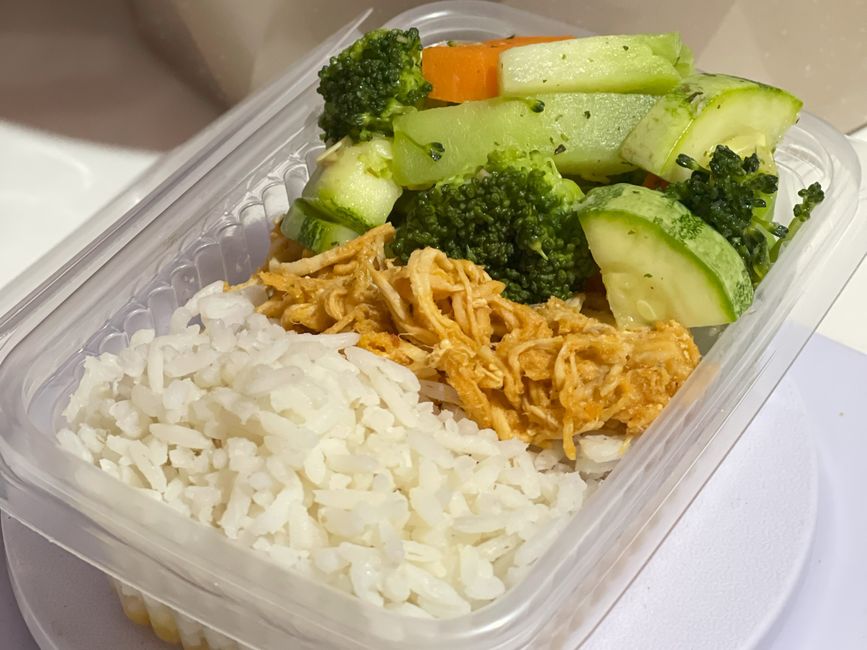
This kind of foresight is what makes the one-ingredient approach truly low-stress. Imagine grabbing pre-shredded chicken from the fridge for wraps or adding pre-cooked roasted squash to a quick pasta dish. It’s a lifesaver.
How to Shop Small Specialty Grocers Without Overspending: A Savvy Shopper’s Guide
The Supporting Cast: Building a Flexible Pantry
While the main ingredient is the star, the supporting cast — your pantry and fridge staples — play a crucial role in transforming it. A well-stocked pantry allows you to pivot quickly and creatively without needing to run to the store for every single meal. This is especially useful for travelers who might be living in temporary accommodations with limited kitchen access or varied local markets.
Essential Pantry Staples
Think about versatile items that pair well with many cuisines. Grains like rice, quinoa, and pasta are excellent foundations. Canned goods like beans, diced tomatoes, and coconut milk offer quick additions. Long-lasting produce such as onions, garlic, and citrus are indispensable. A good selection of dried herbs and spices means you can instantly change the direction of a dish.
- Grains: Rice (basmati, brown), quinoa, pasta, tortillas, bread.
- Canned Goods: Black beans, chickpeas, diced tomatoes, tomato paste, coconut milk.
- Fats & Oils: Olive oil, avocado oil, butter.
- Condiments: Soy sauce, vinegar (apple cider, balsamic, white wine), mustard, hot sauce.
- Spices: Cumin, chili powder, paprika, garlic powder, onion powder, dried oregano, thyme.
- Long-lasting Produce: Onions, garlic, lemons, limes, potatoes, carrots.
Having these items on hand means that when you’re figuring out how to plan low-stress dinners around one main ingredient, the transformation from one meal to the next is often just a matter of adding a few simple pantry items. No frantic last-minute grocery runs necessary.
FAQ: Low-Stress Dinner Planning
- Who benefits most from planning low-stress dinners around one main ingredient?
- Anyone looking to simplify meal prep, reduce food waste, save money, and cut down on decision fatigue will benefit. This strategy is particularly helpful for busy professionals, parents, and even solo cooks who want delicious, varied meals without daily kitchen stress.
- What’s a good main ingredient for someone new to this strategy?
- A whole roasted chicken is an excellent starting point. It’s versatile, easy to cook in bulk, and can be used in numerous ways – from sandwiches and salads to stir-fries and soups. Ground meat (beef, turkey, or plant-based) is also very adaptable for beginners.
- How many meals can I typically get from one main ingredient?
- You can typically get 3-5 distinct meals from a single main ingredient, depending on its size and how creatively you repurpose it. For example, a large whole chicken can easily provide 4-5 servings of meat for various dishes over several days.
- How do I avoid getting bored eating the same ingredient all week?
- The trick is to vary the flavor profiles, cooking methods, and accompanying side dishes for each meal. improve your core ingredient with different spices (e.g., Mexican one day, Asian the next) and pair it with different grains, vegetables, and sauces to keep things fresh and exciting.
- Does this strategy work for vegetarians or vegans?
- Absolutely! Hearty plant-based proteins like a large batch of cooked lentils or chickpeas, a block of extra-firm tofu, or a large winter squash make fantastic main ingredients. They can be seasoned and prepared in countless ways to create diverse and satisfying vegetarian and vegan meals.
Key Takeaways: Simplifying Your Dinner Routine
Learning how to plan low-stress dinners around one main ingredient isn’t just a cooking hack; it’s a strategic approach to managing your time, budget, and mental energy. By choosing versatile star ingredients like a whole chicken or a large cauliflower, you set yourself up for culinary success throughout the week.
The magic truly happens in the transformation of flavors and cuisines. Don’t be afraid to experiment with different spices and cooking methods to give your core ingredient a new identity each night. A little strategic weekend prep goes a long way, turning potential weeknight chaos into calm assembly.
Finally, maintaining a flexible and well-stocked pantry is your secret weapon, allowing you to create diverse meals with minimal effort. This method reduces waste, saves money, and most importantly, brings the joy back to home cooking. Say goodbye to dinner stress and hello to delicious, easy weeknight meals.
Ready to explore more ways to enhance your cooking and overall well-being? Explore food and health guides on Vie En Mots.