

Local transit passes make sense for short trips when you plan to use public transport frequently – typically three or more rides per day – and when the cost of the pass is less than or equal to the cumulative cost of individual tickets for your planned itinerary. They are particularly beneficial in cities with well-integrated public transport systems like Brussels, Lisbon, or Marseille, where they streamline travel, reduce the need for exact change, and often include discounts on attractions. For remote workers exploring a new locale, a transit pass can be a budget-friendly and efficient way to navigate, offering convenience without the hassle of ride-sharing or taxis.
You’ve just landed in a new city, maybe Brussels, Lisbon, or even Buenos Aires. Your short trip schedule is packed, and the last thing you want to do is fumble for coins or constantly calculate bus fares. This is precisely where local transit passes can become your best friend. They promise convenience, often cost savings, and a smoother way to experience a city.
But here’s the rub: not every pass is created equal, and not every trip benefits from one. We’re going to walk through the real-world scenarios where opting for local transit passes makes solid financial and practical sense for your short urban adventures, helping you travel smarter, not harder.
Deciding on the best way to get around a new city, especially on a short trip, can be tricky. Local transit passes offer a compelling option, often consolidating fares and simplifying logistics. But when do they truly make sense, and for whom? This guide cuts through the noise, helping you maximize your travel budget and enjoy your destination.

Understanding the Basics: What Are Local Transit Passes?
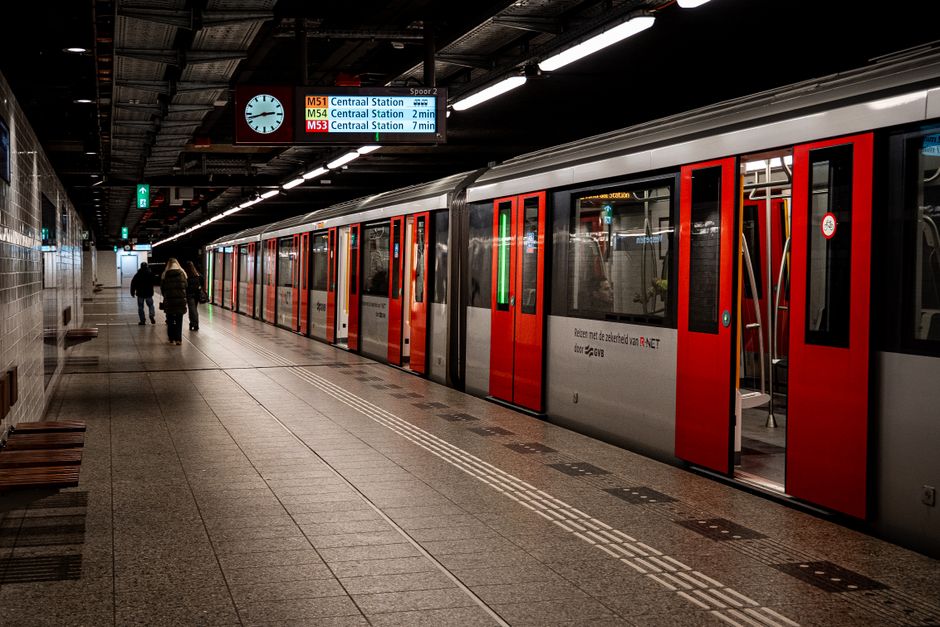
At their core, local transit passes are pre-paid tickets or cards that grant you access to a city’s public transportation network for a defined period or a set number of rides. Think of them as your all-access backstage pass to a city’s buses, trams, subways, and sometimes even local trains. They come in various forms: paper tickets, reloadable smart cards, or even mobile app-based options.
The key benefit often cited is convenience. Instead of buying a new ticket for each journey, you simply tap and go. This can be a huge time-saver, particularly during rush hour or when language barriers might make purchasing individual tickets more challenging. Beyond convenience, they’re often marketed as a way to save money, especially if you plan on doing a lot of exploring.
Daily vs. Multi-Day vs. Stored Value Passes
- Daily/Multi-Day Passes: These are straightforward. You buy a pass for 24, 48, or 72 hours, and you get unlimited rides within that timeframe. Ideal if you’re hitting multiple sights daily. Cities like Lisbon offer a 24-hour pass for around €6.80, which is fantastic if you plan to ride their iconic trams, funiculars, and metro extensively.
- Stored Value Cards: Popular in North America, these cards (like New York’s MetroCard or Toronto’s PRESTO card) allow you to load a certain amount of money. Each ride deducts the fare, often at a discounted rate compared to single tickets. This gives you flexibility if your travel patterns are unpredictable.
- City Tourist Cards: Often bundled with attraction entry, these passes (like the Brussels Card or Paris Visite) usually include unlimited public transport. While attractive, you need to weigh the cost of the attractions against your actual interest in visiting them.
When Local Transit Passes Truly Shine for Short Trips
For remote workers or anyone on a tight schedule, making smart transit choices is paramount. Here’s when local transit passes really make a difference:
High-Frequency Usage: Exploring European Capitals
If your travel style involves a lot of moving around – say, two to three sights per day spread across different neighborhoods – a transit pass is likely a winner. Consider Brussels, for instance. A single metro ticket costs around €2.60. If you plan four rides a day to see the Grand Place, the Atomium, and then head out for dinner, you’re already at €10.40. A 24-hour STIB pass costs around €8.00. The savings add up quickly, especially over a three-day weekend. The same applies to Marseille, where a 24-hour RTM pass costs about €5.20, significantly less than multiple single tickets for exploring Vieux-Port, Notre-Dame de la Garde, and Le Panier.
The Slow Traveler’s Guide to Marseille, Montreal, and Montevideo: Unhurried Urban Exploration
Budgeting and Simplicity: Avoiding Hidden Costs
One of the quiet benefits of local transit passes is how they simplify your travel budget. With a fixed cost upfront, you don’t have to worry about accumulating small expenses that can quickly add up. This is particularly valuable in cities where individual fares might seem low but become costly with frequent use. It also eliminates the need to carry exact change, which can be a minor but persistent annoyance, especially when dealing with foreign currency.
Integrated Systems: Navigating North American Metros
Cities with well-integrated public transport systems across various modes (bus, tram, subway) are prime candidates for transit passes. For example, in Toronto, Canada, a PRESTO card offers cheaper individual fares and allows seamless transfers between the TTC (subway, bus, streetcar) and GO Transit (commuter rail). While day passes are available, a loaded PRESTO card can be more flexible for a short trip if you’re not planning constant travel, offering a discount on each ride compared to cash. This makes using local transit passes travel a more streamlined experience.
The Caveats: When a Pass Might Not Be Your Best Bet
While often beneficial, local transit passes aren’t a one-size-fits-all solution. There are times when purchasing individual tickets or relying on other transport methods makes more sense.
Low Usage & Walkable Cities: Buenos Aires Example
If you’re visiting a highly walkable city and only plan one or two public transport rides a day – perhaps to or from the airport, or a single trip to a distant neighborhood – a pass might be overkill. In Buenos Aires, for example, the SUBE card is essential for public transport. While it offers cheaper fares, if your itinerary mainly consists of exploring walkable neighborhoods like Palermo or Recoleta on foot, you might only use the bus or subte once or twice. In this case, simply purchasing and loading a SUBE card with a small amount for a few rides (or having a local friend help you with one) is more practical than a multi-day pass.
Ridesharing & Taxi Alternatives: Cost vs. Convenience
Sometimes, especially if you’re traveling with a group, a rideshare service like Uber or Lyft might be comparable in price to multiple individual transit tickets, and offer door-to-door convenience. This is particularly true in areas where public transport doesn’t reach your specific destination efficiently, or late at night. Always do a quick comparison using your preferred rideshare app for common routes before committing to a pass. However, be mindful that surge pricing can quickly inflate rideshare costs.
Tourist Cards vs. Pure Transit Passes: Europe’s Offerings
Be wary of expensive tourist cards that bundle public transport with numerous museum entries or attraction discounts you don’t intend to use. While a Brussels Card might offer free transport, if you’re only interested in one or two museums, the cost of the card might exceed the combined price of individual transport tickets and those specific museum entries. Always calculate the true value based on your actual itinerary. A focused local transit pass is usually better than an over-inclusive tourist card if your primary goal is just getting around.
Practical Tips for Using Local Transit Passes
To truly leverage local transit passes travel effectively, a bit of pre-trip planning goes a long way. Here’s how to use them in real life:
Research Before You Go
Before you even pack your bags, spend 15-20 minutes on the official public transport website for your destination. Look up typical single-ride fares, the cost of daily/multi-day passes, and how the system works. Are there discounts for purchasing online? Can you load passes onto your phone? Knowing this upfront saves precious travel time.
Escape the Bustle: Quiet Coastal Towns for Travelers Seeking Authentic Experiences
Map Your Itinerary
Roughly sketch out your daily movements. How many times do you anticipate using public transport? Are your planned attractions clustered together or spread out? This simple exercise will help you determine if your usage frequency justifies a pass. If you’re staying central and most sights are within a 20-minute walk, a pass might be unnecessary.
Consider Airport Transfers
Many local transit passes include airport transfers, which can be a significant saving. For example, in Lisbon, the 24-hour pass often includes the metro journey to and from the airport, a ride that otherwise costs a bit extra. Always check if the pass covers the specific airport line or special airport bus.
Validate Your Pass!
This is crucial, especially in Europe. Many systems require you to validate your ticket or tap your card at the start of each journey, even if it’s a multi-day pass. Failing to do so can result in hefty fines. Watch what the locals do, and don’t be afraid to ask for clarification if unsure.
Frequently Asked Questions About Local Transit Passes
Can I use local transit passes for intercity travel?
Generally, no. Local transit passes are designed for use within a specific city or metropolitan area. They typically don’t cover longer-distance intercity trains or buses that connect different cities. Always check the pass’s exact coverage area if you plan any excursions outside the main urban core.
Are local transit passes digital or physical cards?
Both. Many major cities, especially in North America and Europe, offer both physical smart cards (like the Oyster card in London or the Navigo Découverte in Paris) and digital options through mobile apps. Some smaller cities might still rely on paper tickets. Check the official transit website for the most current options.
Do children or seniors get discounts on transit passes?
Often, yes. Most public transport systems offer reduced fares for children and seniors. The age cut-offs and discount percentages vary by city and country. Always check the specific eligibility requirements and bring identification if necessary to claim these discounts when purchasing a pass.
What happens if I lose my local transit pass?
If you lose a physical pass, especially one that isn’t registered to you, it’s typically gone. Some cities allow you to register smart cards, which can sometimes enable a transfer of remaining value if lost or stolen, but this is not universal. Keep your pass secure as you would cash or a credit card.
Can I buy a transit pass at the airport?
In most major cities, you can purchase local transit passes directly at the airport, often at dedicated transit kiosks, information desks, or ticket machines. This is usually the most convenient place to get one as soon as you arrive and begin your journey into the city center.
Conclusion: Make Your Short Trip Smarter
For the thoughtful traveler, especially remote workers balancing exploration with efficiency, local transit passes offer a strategic advantage. They simplify logistics, help manage budgets, and often provide a more authentic way to navigate a new city’s rhythm. From the bustling metros of Brussels to the charming trams of Lisbon, or the integrated networks of North and South America, knowing when and how to use these passes is a hallmark of smart travel. Don’t just wander; plan your movements deliberately to maximize your time and enjoyment. Ready to explore more thoughtfully? Plan your next thoughtful trip with Vie En Mots.