
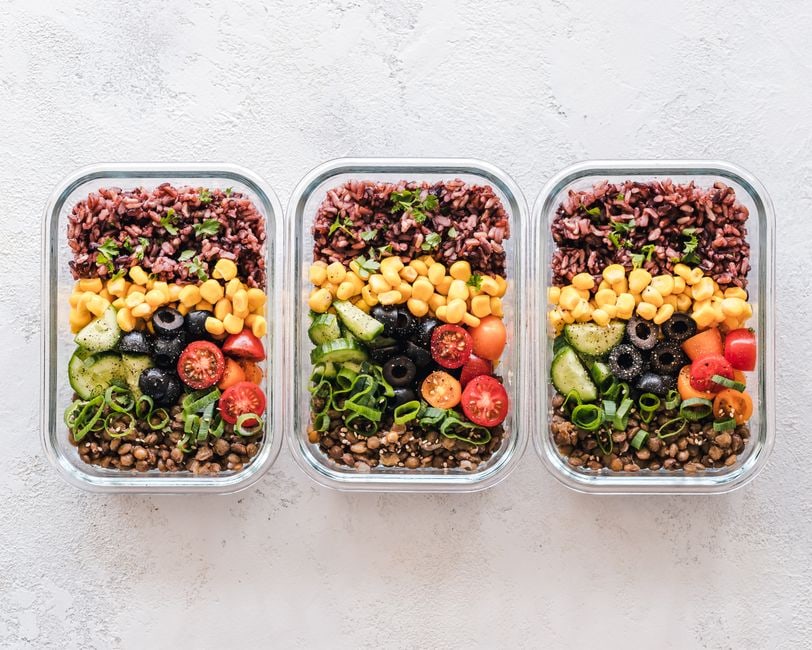
Eating well during busy workweeks is entirely achievable by focusing on smart meal planning, efficient food preparation, and making conscious choices about what you consume. It means prepping ingredients or full meals in advance, choosing nutrient-dense options even when time is short, and being mindful of portion sizes. This approach helps maintain energy levels, supports overall health, and prevents the reliance on unhealthy convenience foods, even when your schedule feels overwhelming. The key is to integrate small, sustainable habits that fit into your existing routine, rather than attempting drastic overhauls.
We’ve all been there: staring into an empty fridge after a long day, too tired to cook, and the siren song of takeout becomes irresistible. Or perhaps you’re on a business trip, navigating unfamiliar cities like Montreal, and healthy options seem elusive. The modern workweek, especially for those of us with demanding schedules or frequent travel across North America, Europe, or South America, often feels like a direct assault on our best intentions for food and health. It’s easy to let the pressure push good nutrition to the side, but it’s precisely during these intense periods that our bodies need proper fuel the most.
This isn’t about rigid diets or spending hours in the kitchen every night. It’s about practical, sustainable strategies that allow you to eat well during busy workweeks, maintaining your energy and focus without adding another layer of stress to your already packed schedule. Think smart planning, strategic grocery shopping, and making informed choices even when options are limited.
Building Your Foundation: The Mindset Shift for Eating Well
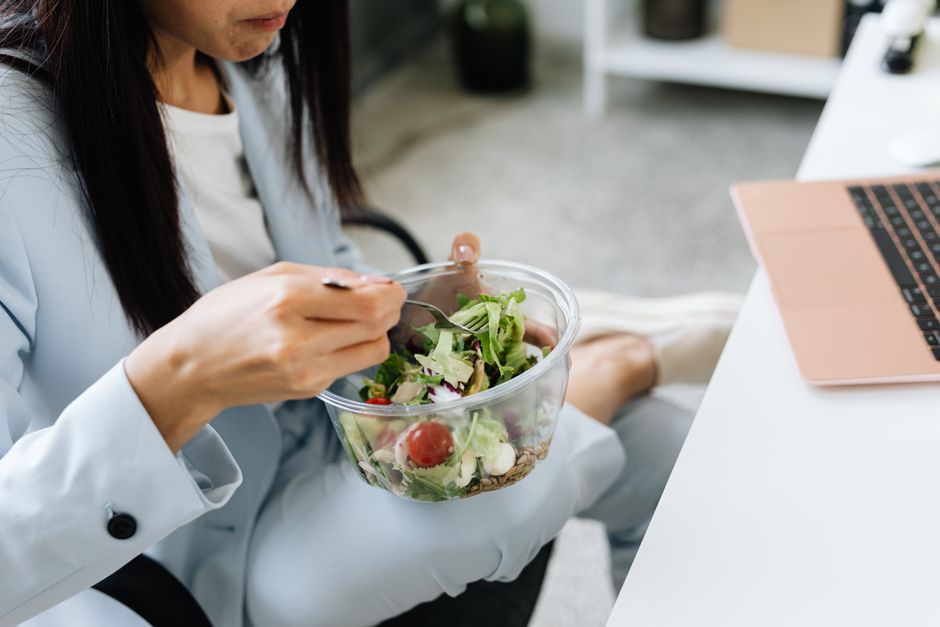
Before diving into meal plans and recipes, it’s crucial to understand that eating well isn’t just about food; it’s about decision-making under pressure. When you’re exhausted or pressed for time, your willpower is often depleted. Anticipating these moments and having a fallback plan is half the battle. This means shifting from reactive eating (grabbing whatever is quickest) to proactive eating (having healthy options ready).
Prioritizing and Planning: Your Weekly Blueprint
For most readers, Sunday is your superpower day. Dedicate an hour or two to thinking about the week ahead. What are your busiest days? When will you be traveling? What meetings do you have that might mean a skipped lunch or a grab-and-go? This foresight helps you make smart choices at the grocery store. In practice, this often looks like:
- Ingredient Prep: Wash and chop vegetables for salads, stir-fries, or roasting. Cook a batch of grains like quinoa or brown rice. Grill or bake chicken breasts, fish, or roast a tray of chickpeas for easy protein additions.
- Batch Cooking: Make a large pot of soup, chili, or a hearty stew that can last for several lunches or dinners. This is especially useful for cold weather in places like Europe or North America.
- Freezer-Friendly Meals: Double recipes for dishes that freeze well, like lasagna, casseroles, or burritos. Pull one out the night before, and you have a homemade meal with minimal effort.
A common mistake is trying to prep every single meal. Focus on the components that take the most time or are most tempting to outsource (like protein and complex carbs). The NHS often emphasizes balanced diets with plenty of fruits and vegetables; pre-prepping these makes reaching that goal much easier.
Smart Grocery Shopping: Your First Line of Defense
A well-stocked pantry and fridge are your best friends when trying to eat well during busy workweeks. This means buying items that support your meal plan but also having healthy staples for those ’emergency’ meals.
Staples for Success, Wherever You Are
Whether you’re shopping at a bustling market in Latin America, a Carrefour in France, or a Walmart in the US, certain items are universally helpful:
How to Plan Low-Stress Dinners Around One Main Ingredient
- Lean Proteins: Chicken breast, turkey mince, eggs, canned tuna/salmon, lentils, beans, tofu.
- Whole Grains: Oats, quinoa, brown rice, whole-wheat pasta, whole-grain bread.
- Healthy Fats: Avocados, olive oil, nuts, seeds (almonds, walnuts, chia seeds).
- Abundant Produce: Focus on seasonal produce – this is often fresher, cheaper, and more flavorful. If you’re in Europe, think asparagus in spring or root vegetables in winter. In South America, mangoes and passion fruit might be year-round staples. Frozen fruits and vegetables are excellent, nutrient-dense backups.
- Quick Snacks: Greek yogurt, cottage cheese, hard-boiled eggs, fruit, rice cakes, single-serving nut packs.
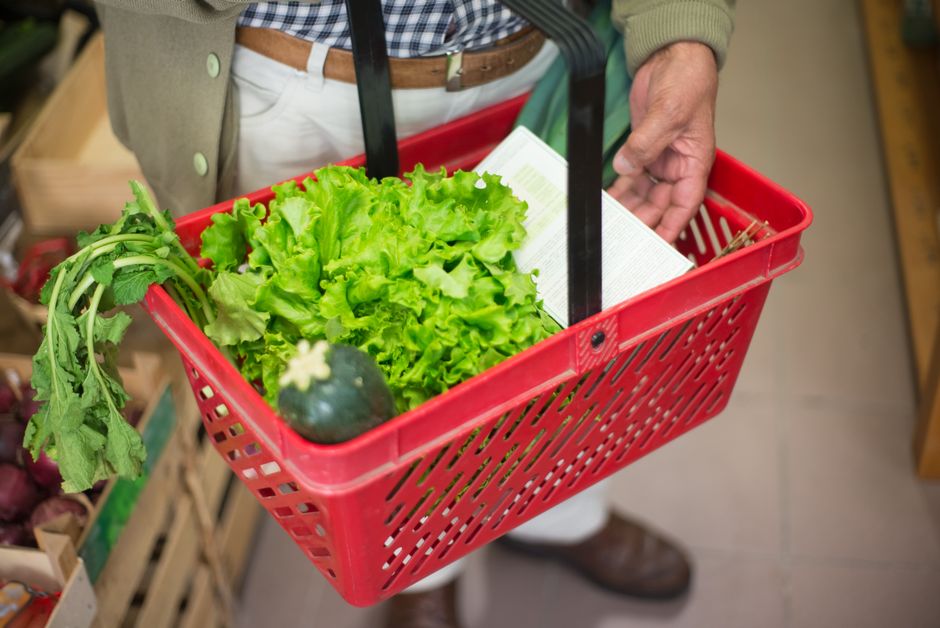
Before you even step into the store, create a list based on your weekly meal blueprint. Stick to it. Impulse buys, especially around the checkout aisle, are often the culprits for derailing healthy eating.
Work Lunches: Beyond the Sad Desk Salad
This is where many people struggle. Grabbing a sandwich from a local cafe daily adds up in cost and often lacks in nutritional value. Bringing your lunch is arguably the most impactful change you can make to eat well during busy workweeks.
Creative and Convenient Lunch Ideas
Think portable, appealing, and satisfying. Here are some ideas that work well in a lunchbox:
- Layered Jar Salads: Dressings at the bottom, then hard vegetables (carrots, bell peppers), grains, protein, and finally leafy greens on top. Shake when ready to eat.
- Leftovers Reinvented: That chili or roasted chicken from Sunday’s batch cook? Perfect for lunch. Add some fresh greens or a dollop of Greek yogurt.
- Adult Lunchables: Whole-grain crackers, cheese slices, lean deli meat (like turkey), hard-boiled eggs, cucumber sticks, and grapes.
- Homemade Wraps/Pitas: Fill whole-wheat tortillas or pita pockets with hummus, chopped veggies, and leftover chicken or canned tuna.
If you’re traveling, say to a conference in Montreal, scout out local grocery stores for healthy snacks or pre-made salads. Many cities now have ‘ready meal’ sections in supermarkets that are far superior to fast food.
Navigating Travel and Dining Out
Business trips or social engagements don’t have to sabotage your efforts. They require a different kind of preparation.
Strategies for On-the-Go Nutrition
When you’re away from your own kitchen, whether flying from New York to London or driving through rural Brazil, these tips help:
- Pack Smart Snacks: Nuts, protein bars (check sugar content), dried fruit, or even single-serving packets of oatmeal can be lifesavers on planes or during long meetings.
- Research Restaurants: Before a business dinner, quickly look up the menu online. Identify healthier options (grilled fish, steamed vegetables, salads with dressing on the side). Don’t be afraid to ask for modifications.
- Hydrate: It sounds simple, but often overlooked. Carry a reusable water bottle. Dehydration can mimic hunger, leading to unnecessary snacking.
- Hotel Room Hacks: If your hotel has a mini-fridge, stock it with yogurt, fruit, and perhaps some pre-cut veggies from a local market. Instant oatmeal packets just need hot water.
Remember that even when you dine out, you have agency. Choose one indulgent item if you wish, but balance it with healthier sides and choices. In many parts of Europe, smaller portion sizes are standard, which can naturally help with moderation.
Addressing Common Hurdles: Time, Cravings, and Temptation
It’s one thing to plan, another to execute consistently. Life throws curveballs.
How to Eat Well in a Small Kitchen With Limited Tools
Overcoming Obstacles to Eating Well
- Lack of Time: Revisit your meal prep strategy. Can you delegate any tasks? Could you use pre-cut vegetables from the grocery store? Sometimes ‘good enough’ is better than perfect. A rotisserie chicken from the supermarket, paired with pre-washed salad and a quickly steamed bag of frozen veggies, is a perfectly healthy, minimal-effort meal.
- Cravings and Emotional Eating: Identify your triggers. Are you reaching for sugar when stressed? Explore healthier stress-reduction techniques like a quick walk, deep breathing, or calling a friend. Keep healthy, satisfying snacks readily available to head off intense cravings.
- Social Pressure: When colleagues suggest unhealthy options, have a polite refusal ready. “No thanks, I brought my lunch,” or “I’ll join you for the coffee, but I’m skipping the pastry today.” You don’t need to explain further.
- Ingredient Scarcity: If you’re in a remote area or a place with limited grocery options, focus on what is available. Canned goods (beans, tomatoes, fish), shelf-stable grains, and long-lasting produce like apples and oranges can be your friends.
Ultimately, successfully eating well during busy workweeks is a marathon, not a sprint. There will be days you fall off track, and that’s okay. The key is to learn from it, adjust your strategy, and get back on course without self-judgment.
FAQ: Common Questions About Eating Well in a Hectic Lifestyle
What are the quickest healthy meals to make after a long workday?
After a long workday, prioritize speed and minimal cooking. Sheet pan meals (protein like chicken or fish with pre-chopped vegetables roasted together), quick stir-fries with pre-cut veggies and instant rice, or a hearty salad with canned chickpeas/tuna and pre-made dressing are excellent choices. Rotisserie chicken with a bagged salad mix is also a lifesaver.
How can I ensure I’m getting enough seasonal produce while traveling?
To get seasonal produce while traveling, visit local markets or smaller grocery stores rather than just large supermarkets. Look for items abundant on display; these are typically in season and locally sourced. Don’t hesitate to ask hotel staff or locals for recommendations on where to find fresh, seasonal options. Many cafes also feature seasonal ingredients.
What are practical tips for meal planning if I live in a city like Montreal?
In Montreal, utilize local markets like Jean-Talon or Atwater for fresh, seasonal ingredients. Plan meals around quick-cooking staples like fish, chicken, and pulses. Batch cook grains or sauces on weekends. Many Montreal grocery stores, like IGA or Metro, offer good quality pre-cut vegetables and ready-to-eat healthy options for days when cooking from scratch isn’t feasible.
Is it expensive to eat healthily, especially during busy workweeks?
Eating healthily doesn’t have to be expensive. In fact, prepping meals yourself often saves money compared to eating out. Focus on seasonal produce, which is typically cheaper, and buy in bulk for staples like grains and beans. Frozen fruits and vegetables are budget-friendly and just as nutritious. Avoid processed snacks and drinks, which add up quickly.
How can the NHS guidelines for healthy eating apply to someone with a demanding job?
The NHS guidelines, emphasizing a balanced diet rich in fruits, vegetables, and whole grains with lean protein, are highly adaptable. For a demanding job, focus on meal prepping these components on weekends. Choose nutrient-dense snacks to avoid energy slumps. Prioritize homemade lunches to control ingredients and portion sizes, aligning with NHS recommendations even with limited time.
The Sustained Effort of Eating Well
Eating well during busy workweeks isn’t about perfection; it’s about consistency and making incremental, smart choices. It’s about respecting your body and mind enough to provide them with the fuel they need to perform at their best, whether you’re closing a big deal in São Paulo, presenting in Brussels, or simply tackling your daily to-do list in Vancouver. By adopting a proactive mindset, smart planning, and practical strategies, you can improve your relationship with food, even amidst the chaos of a demanding schedule. Remember, every small step towards better nutrition contributes to a healthier, more energized you.
For more insights and actionable advice on maintaining your well-being, explore food and health guides on Vie En Mots.