

There’s a unique satisfaction that comes from a comforting meal after a long day. For many of us, it’s a taste memory – Sunday roast at grandma’s, a hearty stew on a cold evening, or that perfect bowl of pasta after a demanding week. These aren’t just meals; they’re experiences, often tied to family, warmth, and a feeling of being taken care of.
However, the traditional notion of comfort food often comes with a side of guilt: heavy creams, excessive fats, and too much sodium. For health-conscious families, navigating this can feel like a culinary tightrope walk. You want the satisfaction, the nostalgia, but you also want to nourish your loved ones without compromising their well-being.
The good news is that these two desires aren’t mutually exclusive. You absolutely can have healthy comfort food ideas that still feel like dinner. It’s about smart swaps, thoughtful preparation, and a little creativity in the kitchen. Let’s explore how to bring that beloved comfort back to your table, healthier than ever.
Reimagining Your Family Favorites for Better Health
The journey to healthier comfort food doesn’t mean abandoning your family’s go-to dishes. Instead, it’s an opportunity to reinterpret them. Think of it as an upgrade, enhancing their nutritional profile while preserving their essential character. This approach means understanding the core elements that make a dish comforting and finding healthier ways to achieve those same effects.
For instance, that rich, creamy texture often associated with comfort food can be achieved with pureed vegetables like cauliflower or cannellini beans instead of heavy cream. Heartiness can come from legumes, mushrooms, or lean cuts of meat rather than just fatty cuts. Flavor doesn’t have to rely on excessive salt; herbs, spices, citrus, and quality olive oil can improve a dish profoundly.
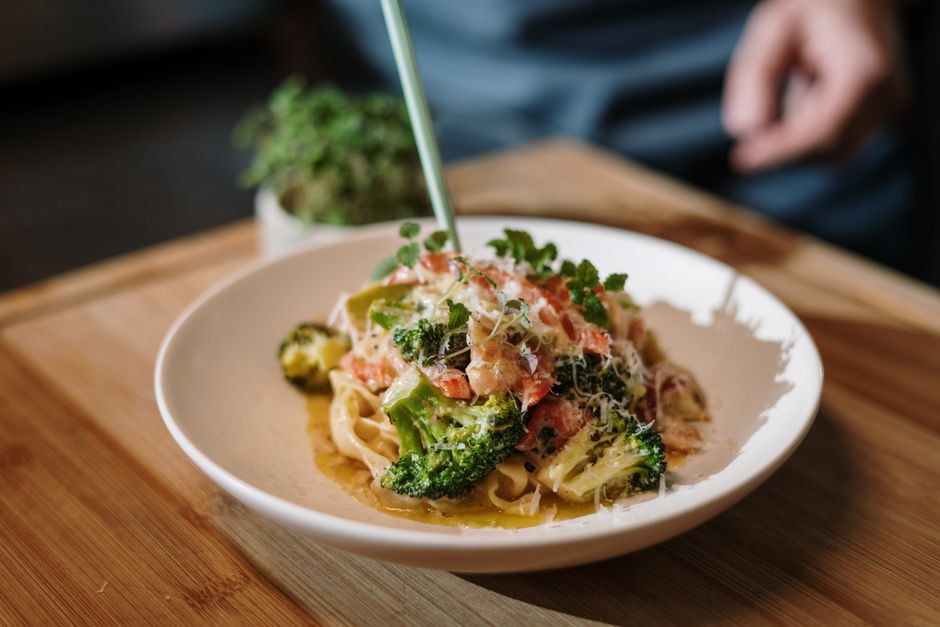
A prime example often discussed by health organizations like the NHS in the UK is balancing plate composition. They frequently advocate for filling half your plate with vegetables, a quarter with lean protein, and a quarter with whole grains. Applying this simple visual guide can transform many comfort food staples. Instead of a plate dominated by pasta and a rich sauce, imagine that same pasta serving as the grain component, paired with a generous helping of roasted vegetables and a lean protein like grilled chicken or chickpeas. This isn’t just about reducing calories; it’s about increasing nutrient density, ensuring your family gets a wider range of vitamins, minerals, and fiber.
Practical Healthy Comfort Food Dinner Strategies
Here are some actionable tips for incorporating healthy comfort food ideas into your weekly dinner rotation, making sure every meal is both satisfying and nutritious:
1. Embrace the Power of Vegetables
This is perhaps the most impactful change you can make. Load up on vegetables! Sneak them into sauces, casseroles, and soups. Puree roasted butternut squash into mac and cheese, add spinach to lasagna, or bulk up a chili with extra bell peppers, zucchini, and corn. In South America, many traditional stews and rice dishes already feature a colorful array of vegetables like carrots, potatoes, and peas; simply amplify these proportions.
2. Opt for Leaner Proteins
Swap out fatty ground beef for lean ground turkey or chicken in tacos, meatloaf, or Bolognese. For chili, consider using beans and lentils as the primary protein source, common in plant-forward diets across Europe. If you’re making a stew, choose leaner cuts of beef or chicken breast. Fish, like salmon or cod, can also be incredibly comforting when baked with herbs and lemon.
How to Build a Pantry for Quick Mediterranean-Inspired Meals
3. Whole Grains Make a Difference
Transition from refined white pasta and rice to their whole-grain counterparts. Whole wheat pasta, brown rice, quinoa, and farro offer more fiber, helping you feel fuller longer and supporting digestive health. Many healthy comfort food dinner recipes, like a hearty chicken and vegetable bake, can easily incorporate quinoa or wild rice instead of white rice.
4. Smart Fat Choices
Instead of butter or vegetable oil, opt for healthier fats like extra virgin olive oil when sautéing, roasting, or dressing salads. Olive oil, a staple in Mediterranean diets, is rich in monounsaturated fats. For baking, consider using unsweetened applesauce or mashed banana to replace some of the butter or oil. When cheese is called for, use it sparingly or choose sharper, more flavorful varieties so a little goes a long way. For example, a sprinkle of aged Parmesan can offer more punch than a large quantity of mild cheddar.
5. Reduce Sodium, Enhance Flavor Naturally
Too much sodium contributes to high blood pressure, a concern for many health organizations globally. Ditch the pre-packaged mixes and broths that are often loaded with salt. Instead, make your own stocks or choose low-sodium versions. Rely on herbs, spices, garlic, onion, and citrus zest to build complex flavors. A squeeze of lemon or a dash of hot sauce can brighten a dish without adding extra salt. Montreal-style seasoning, for example, is a flavorful blend that can be used judiciously.
6. Mindful Portion Control
Even healthy comfort food dinner options can become unhealthy if consumed in excessive portions. Serve meals on smaller plates to visually trick your brain into feeling satisfied. Listen to your body’s hunger cues and stop eating when you’re comfortably full, not stuffed.
7. Bake or Air Fry Instead of Deep Frying
Love crispy textures? Instead of deep-frying, try baking or air frying. Chicken tenders, sweet potato fries, or even ‘fried’ chicken can be made much healthier in an oven or air fryer with significantly less oil and still achieve a satisfying crunch. This is a simple swap that makes a big difference in the overall fat content of your meal.
Comparing Comfort Food Transformations
Let’s look at how some classic comfort dishes can be adapted to be healthier without losing their essence, keeping in mind healthy comfort food dinner goals.
| Classic Comfort Dish | Traditional Preparation (Common) | Healthy Comfort Food Idea (Example) | Key Health Benefits |
|---|---|---|---|
| Macaroni & Cheese | Full-fat dairy, refined pasta, butter, high sodium | Whole wheat pasta, pureed cauliflower/butternut squash for creaminess, low-fat milk, sharp cheddar (less needed), sprinkle of breadcrumbs | Increased fiber, more vegetables, reduced saturated fat, lower sodium |
| Chicken Pot Pie | Puff pastry or double crust, heavy cream, butter, high fat chicken thighs | Whole wheat pastry crust (bottom only or lattice top), lean chicken breast, low-fat milk thickened with flour, extra vegetables (peas, carrots, green beans), homemade broth | Reduced refined carbs, higher protein, more vegetables, lower fat |
| Beef Chili | Fatty ground beef, high-sodium canned beans/tomatoes, excessive cheese/sour cream | Lean ground turkey/beef or all legumes (black beans, kidney beans, lentils), fresh/low-sodium canned tomatoes, extra bell peppers/onions, minimal low-fat cheese/Greek yogurt for topping | Reduced saturated fat, increased fiber, lower sodium, more vegetables |
| Meatloaf with Mashed Potatoes | Fatty ground beef, white bread crumbs, butter-heavy mashed potatoes | Lean ground turkey/beef, oatmeal or whole wheat breadcrumbs, grated carrots/zucchini mixed in, mashed sweet potatoes or cauliflower mash (with a little milk and garlic) | Increased fiber and vegetables, complex carbs, lower saturated fat |

Common Mistakes to Avoid When Making Healthy Comfort Food
While the intent to make healthy comfort food dinner is excellent, there are a few pitfalls to be aware of that can inadvertently sabotage your efforts.
One common mistake is overcompensating with added sugars when reducing fat. Some recipes might suggest replacing fat with sweeteners to maintain palatability, but this can lead to an excess of refined sugars, which carry their own health concerns. Always prioritize natural sweetness from fruits or vegetables first.
Another pitfall is relying too heavily on processed “health food” alternatives. Many items marketed as “light” or “diet” can still contain artificial ingredients, excessive sodium, or less-than-ideal sweeteners. Always read labels carefully. Often, making simple changes to whole, unprocessed ingredients yields far better results than buying a heavily modified product.
The Practical Guide to Hydration Beyond Drinking More Water
Forgetting about portion control, even with healthier versions, is a frequent slip-up. Just because a dish is made with healthier ingredients doesn’t mean you can eat unlimited quantities. Calories still count, and mindful eating remains crucial. A healthy mac and cheese is still calorie-dense, just more nutrient-dense.
Lastly, some people make the mistake of making too many changes at once, leading to meals that taste unfamiliar or bland. When trying to make healthy comfort food ideas, introduce changes gradually. For instance, swap whole wheat pasta for white pasta one week, then reduce the fat in the sauce the next. This allows your family’s palate to adjust and ensures the meals remain enjoyable, fostering a sustainable change rather than a temporary diet.
Frequently Asked Questions About Healthy Comfort Food
What makes a food “comforting”?
Comforting foods often evoke feelings of nostalgia, warmth, and satisfaction. They tend to be rich in flavor, texture, and often associated with positive memories or cultural traditions. This emotional connection is a significant part of what makes them comforting, beyond just their taste or nutritional content. Healthy comfort food ideas aim to tap into this same feeling through better ingredients.
Can healthy comfort food truly satisfy cravings?
Absolutely. By focusing on whole, flavorful ingredients and smart swaps, healthy comfort food can be incredibly satisfying. The key is to address the underlying craving – whether it’s for creaminess, saltiness, or heartiness – using nutritious options. For example, a creamy soup made with pureed vegetables can be just as satisfying as one made with heavy cream, but without the guilt.
Are there any regional healthy comfort food examples?
Yes, many cultures naturally incorporate healthy comfort foods. In North America, a baked sweet potato with a sprinkle of cinnamon can be comforting. In Europe, especially the Mediterranean, lentil soups with a drizzle of olive oil are common. In South America, dishes like black bean soup or a lightened feijoada, rich in legumes and vegetables, provide both comfort and nutrition.
How can I make healthy comfort food appealing to picky eaters?
Introduce changes slowly and creatively. For instance, finely grate vegetables into sauces, or use milder whole grains initially. Involve picky eaters in the cooking process, allowing them to choose some of the healthier ingredients. Presenting food attractively can also help. Often, the familiarity of the dish’s name (e.g., ‘Mom’s Mac and Cheese’) can override initial skepticism, even with subtle changes.
What role does olive oil play in healthy comfort cooking?
Olive oil, particularly extra virgin, is a cornerstone of healthy cooking, especially in many European and North American healthy comfort food ideas. It provides healthy monounsaturated fats and antioxidants, contributing to heart health. It can replace less healthy fats for sautéing, roasting, and dressing, adding a rich, nuanced flavor that enhances many dishes without adding unnecessary cholesterol or saturated fat.
How do I balance taste with health in my comfort food?
Balancing taste and health comes down to ingredient quality and smart substitutions. Prioritize fresh, seasonal ingredients which naturally have more flavor. Use herbs, spices, and aromatics generously to build depth without relying on excessive salt or fat. Don’t strip a dish of all its indulgent elements at once; make gradual, thoughtful changes to maintain the comforting essence while boosting its nutritional value.
Embrace Healthier Comfort in Your Home
Creating healthy comfort food ideas that still feel like dinner isn’t about deprivation; it’s about elevation. It’s about taking the dishes your family loves and finding ways to make them even better – more nourishing, more vibrant, and more conducive to long-term health. By making thoughtful substitutions and being mindful of preparation methods, you can improve your kitchen into a haven of wholesome, comforting meals. Start experimenting, enjoy the process, and savor the delicious, guilt-free results with your loved ones.
For more inspiration and practical advice on nourishing your family, explore our food and health guides on Vie En Mots.